
Water Safety for Dogs: Hidden Hazards
Learn which water sources pose risks to your dog and how to protect them.
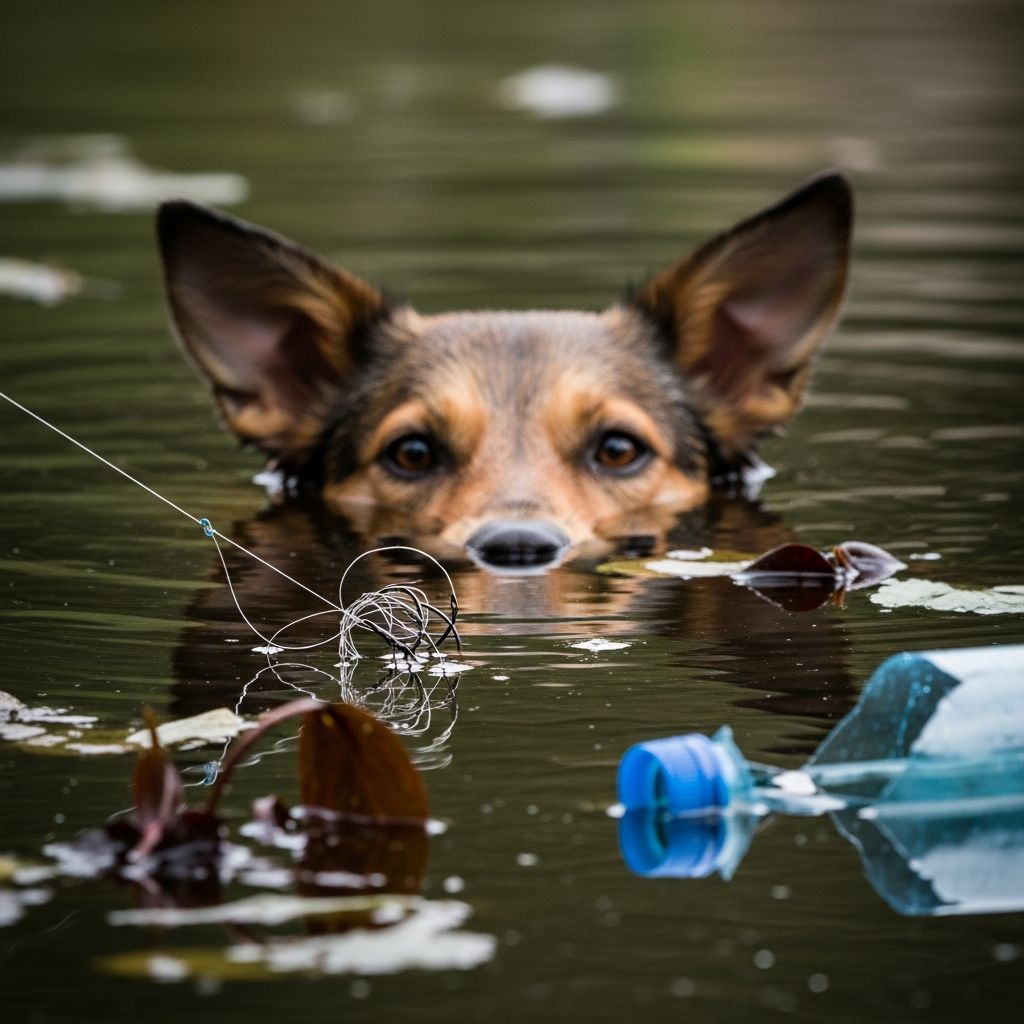
Water is essential for your dog’s survival, yet not all water sources are created equal. While pet owners often focus on providing balanced nutrition and regular exercise, the quality of water their dogs consume frequently goes overlooked. Understanding the potential contaminants and health risks associated with various water sources is crucial for maintaining your dog’s wellbeing. From public drinking stations to natural outdoor water bodies, numerous hazards can compromise your dog’s health through contamination.
Understanding Water Contamination in Common Sources
Water contamination occurs when harmful bacteria, viruses, parasites, or chemicals enter a water source. For dogs, contamination risk varies significantly depending on where the water originates. Public water bowls, despite their convenient purpose of helping pets stay hydrated during outdoor activities, represent a major contamination source. When bowls are not cleaned regularly or water sits stagnant for extended periods, environmental contaminants accumulate, creating an ideal breeding ground for pathogens.
The physical environment of a water source dramatically impacts its safety. Standing water in parks, puddles along walking trails, and community hydration stations can harbor multiple types of harmful organisms simultaneously. Dogs frequently encounter these water sources during daily walks or visits to off-leash parks, where they instinctively drink without their owners’ ability to monitor water quality.
Bacterial and Parasitic Threats
Several dangerous pathogens thrive in contaminated water environments that dogs may access. Understanding these specific threats helps owners recognize symptoms and seek timely veterinary intervention.
Leptospirosis: A Serious Bacterial Infection
Leptospirosis represents one of the most severe water-related bacterial infections affecting dogs. This bacterial disease, commonly spread through contaminated water and rodent urine, can cause irreversible organ damage. The infection often leads to kidney and liver disease and can prove fatal if left untreated. Dogs contract this disease through contact with infected urine or contaminated water sources. Symptoms typically include fever, loss of appetite, vomiting, and diarrhea, though clinical presentations vary among individual animals. In severe cases, kidney and liver damage becomes evident, requiring immediate veterinary attention and antibiotic therapy.
Giardia and Other Parasitic Infections
Parasitic organisms present in standing water can severely compromise digestive health. Giardia, a protozoan parasite commonly found in stagnant water, causes weight loss, diarrhea, and vomiting in affected dogs. Beyond giardia, various parasites colonize contaminated water sources, wreaking havoc on the digestive system and leading to dehydration.
Additional Bacterial Pathogens
Other bacteria commonly transmitted through contaminated water include Salmonella and E. coli. Salmonella infection produces bloody diarrhea, fever, and vomiting, while E. coli exposure results in dehydration, diarrhea, and appetite loss. These pathogens frequently contaminate water when fecal matter from infected animals enters water sources, a common occurrence in public areas where dogs socialize.
Viral and Environmental Contaminants
Beyond bacteria and parasites, water sources harbor viral infections and environmental toxins that pose distinct health threats.
Viral Infections Spread Through Water
Canine papilloma, a virus transmitted through saliva and water contact, causes warts in and around the mouth, leading to discomfort and difficulty eating. Kennel cough, a respiratory infection, can spread through contaminated water bowls and causes a distinctive gag-like cough, appetite loss, and labored breathing. These viral infections spread rapidly in environments where multiple dogs share hydration sources without regular sanitization.
Harmful Algae and Toxic Compounds
Blue-green algae, which thrives in stagnant water bodies, represents a significant environmental hazard. As algae begins dying, it releases highly toxic compounds into the water that dogs find attractive based on smell alone. Consumption of algae-contaminated water can result in damage to the kidneys, liver, intestines, and nervous system. Additionally, even swimming in algae-contaminated water can cause skin rashes without ingestion occurring. The severity of algae toxicity makes avoidance critical, particularly when visible colorful films appear on water surfaces.
Specialized Water-Related Health Concerns
Certain water types pose unique risks distinct from typical bacterial or parasitic contamination.
Ocean Water and Salt Content
Saltwater presents a different contamination profile. Ocean water contains approximately 100 times more sodium than tap water, which triggers serious physiological responses when ingested. The excessive sodium content draws water into the gastrointestinal tract, causing immediate dehydration of tissues and diarrhea. Severe saltwater ingestion can lead to excessive thirst, neurologic dysfunction, seizures, and even coma in dogs. Additionally, toys and tennis balls become saturated with salt water during beach play, and dogs inevitably swallow this salty residue during normal play behavior.
Distilled Water as a Sole Source
While small quantities of distilled water cause no harm, using it as the primary drinking source creates serious health consequences. Distilled water lacks essential minerals necessary for proper electrolyte balance, causing the body to lose important electrolytes through the kidneys. This mineral deficiency can lead to low blood levels of critical electrolytes and potentially cause edema or over-hydration. Dogs consuming distilled water may exhibit fatigue, irregular heartbeat, and neurologic changes.
Warning Signs of Water-Related Illness
Recognizing symptoms of water contamination exposure allows for rapid veterinary intervention. Pet owners should watch for multiple warning indicators following their dog’s exposure to potentially contaminated water sources.
- Gastrointestinal symptoms: Vomiting, diarrhea, and loss of appetite represent the most common initial signs of contamination exposure.
- Systemic symptoms: Fever, chills, and lethargy indicate systemic infection requiring veterinary evaluation.
- Organ-related indicators: Yellowing of skin or eyes suggests liver involvement, while increased thirst or urination may indicate leptospirosis or kidney compromise.
- Neurologic signs: Difficulty walking, seizures, blindness, or incoordination point to serious systemic infection.
- Severe dehydration markers: Weakness and excessive thirst following saltwater exposure require immediate attention.
Any combination of these symptoms following water exposure warrants immediate veterinary consultation, as prompt treatment significantly improves outcomes.
Prevention Strategies for Water Safety
Protecting dogs from water contamination requires proactive measures across multiple contexts. Owners can substantially reduce health risks through informed decision-making and preventive practices.
Evaluating Public Water Sources
Before allowing dogs to drink from public bowls, owners should assess water quality and bowl maintenance. Well-intentioned community water stations may hide contaminants beneath the surface if cleaning occurs infrequently or water sits stagnant. Observable indicators of contamination include visible algae, discoloration, or foul odors. When public water quality appears questionable, avoiding consumption is the safest choice.
Portable Water Solutions
Ideally, owners should carry collapsible portable bowls and fresh drinking water when taking dogs outdoors. This approach eliminates reliance on public sources entirely and ensures dogs have access to known-safe hydration. For situations where carrying water proves impractical, requesting fresh water from restaurants or convenience stores provides an alternative safe option.
Avoiding Natural Water Bodies
Standing water in ponds, lakes, puddles, and slow-moving water sources should be avoided, particularly when algae growth is visible. Keeping dogs on leashes near open bodies of water prevents uncontrolled access to potentially dangerous sources. During recreational activities like boating, keeping pets aboard rather than allowing water contact reduces exposure risk significantly.
Beach and Saltwater Precautions
At beaches, frequent breaks with fresh water offerings help prevent excessive saltwater consumption and dehydration. Monitoring toy contact with saltwater and rinsing toys after ocean exposure prevents incidental saltwater ingestion during play. Fresh water should be readily available throughout beach activities.
Home Water Management
Providing mineral-containing drinking water at home maintains proper electrolyte balance. Distilled water should never serve as a primary hydration source. Regular bowl cleaning, daily water changes, and bowl sanitization prevent stagnation and microbial growth in home environments.
Frequently Asked Questions
Can I let my dog drink from public water bowls during hot weather?
While the intention of public bowls is helpful, the contamination risk generally outweighs convenience. Carrying portable water is the safer alternative, though if your dog must use a public bowl, choose those that appear clean and well-maintained and rinse your dog’s mouth afterward.
What should I do if my dog drinks from a puddle before I can stop them?
Monitor your dog closely for any symptoms of illness over the following days. Most exposures don’t result in infection, but watch for vomiting, diarrhea, lethargy, or fever. Contact your veterinarian if any symptoms develop.
Is tap water safe for dogs?
Municipal tap water treated according to safety standards is generally safe for dogs. However, water quality varies by location. If concerned about your local water supply, consider having it tested or discussing options with your veterinarian.
How often should I change my dog’s water bowl?
Daily water changes with bowl cleaning prevent stagnation and bacterial growth. During hot weather, more frequent changes reduce contamination risk.
Can blue-green algae be treated if my dog ingests it?
There is no specific cure for algae toxin ingestion; treatment focuses on supportive care. Prevention through avoidance remains the only reliable protection. Immediate bathing and veterinary evaluation are critical if exposure occurs.
Long-Term Health Considerations
Chronic exposure to contaminated water sources can lead to persistent health issues beyond acute illness. Some parasites and bacterial infections, if not fully treated, can cause recurring symptoms or long-term organ damage. Additionally, repeated infections may compromise immune function, making dogs more susceptible to future infections. Establishing consistent safe water practices protects not only against immediate illness but also contributes to your dog’s long-term health and longevity.
Water safety represents a fundamental aspect of pet care that deserves attention equal to nutrition and exercise. By understanding contamination risks, recognizing warning signs, and implementing prevention strategies, owners can significantly reduce their dogs’ exposure to water-related health threats. Making informed decisions about where and how dogs access drinking water ensures that hydration supports health rather than compromising it.
References
- Veterinarian says owners should be aware of the risks of letting their dogs drink from public water sources — Phys.org / Texas A&M School of Veterinary Medicine. 2024-08-08. https://phys.org/news/2024-08-veterinarian-owners-aware-dogs-sources.html
- 7 Types of Water That Can Make Your Dog Sick — PetMD. https://www.petmd.com/dog/slideshows/7-types-water-can-make-your-dog-sick
- The Dangers of Standing Water: How Puddles and Ponds Can Harm Your Pet — Animal Care Unlimited. https://www.animalcareunlimited.com/blog/the-dangers-of-standing-water-how-puddles-and-ponds-can-harm-your-pet/
- Dogs and Water and Water-borne Diseases – A Summertime Tradition — Morris Animal Foundation. https://www.morrisanimalfoundation.org/article/dogs-and-water-and-water-borne-diseases-summertime-tradition
Similar Articles








Read full bio of medha deb




