
Water and Your Pet Bird: Essential Hydration Guide
Complete guide to proper bird hydration: water needs, quality, and health benefits.
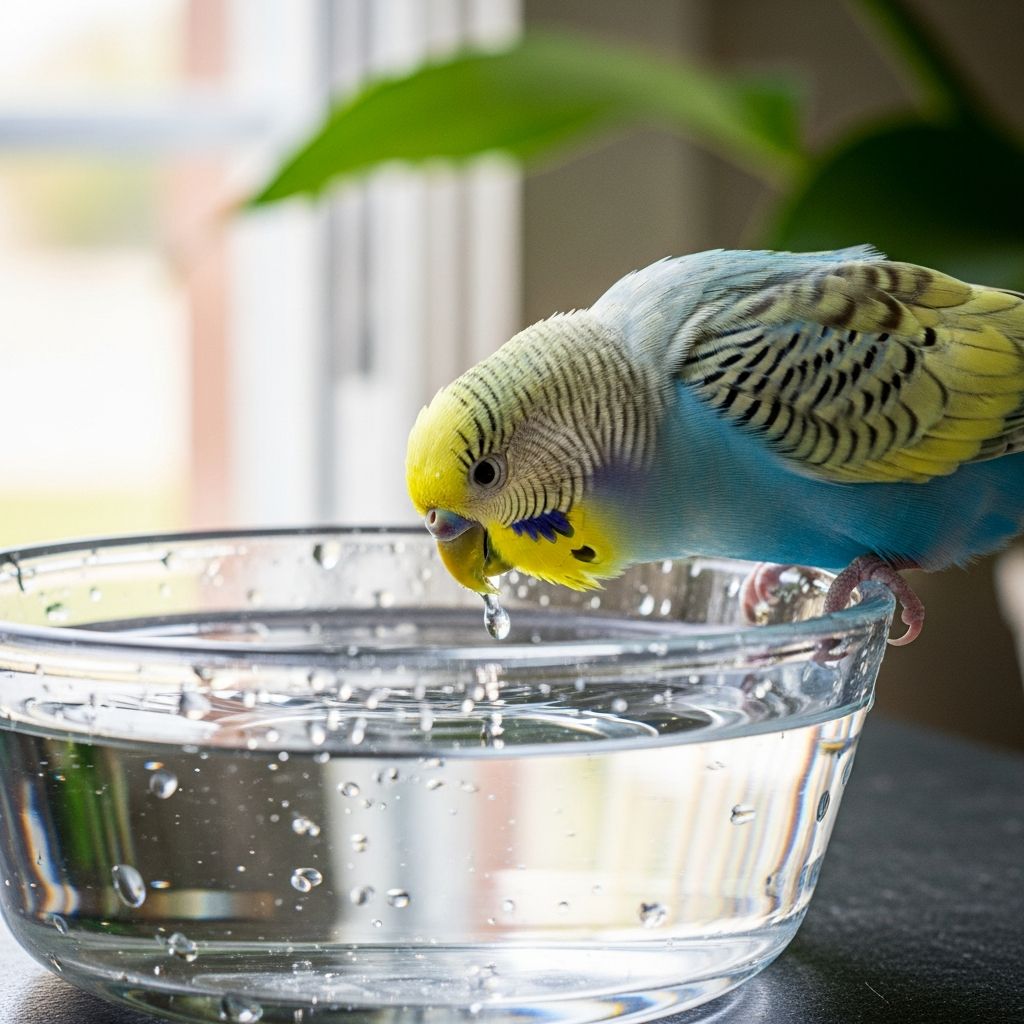
Water and Your Pet Bird: A Complete Hydration Guide
Water is the most essential nutrient for your pet bird, yet it’s often overlooked by bird owners. While many people focus on providing the right food and toys, they may not realize that proper hydration is fundamental to their bird’s survival and well-being. In fact, a bird can lose most of its body fat, stored carbohydrates, and even more than half of its protein and still survive—but a loss of just 10% of body water can cause serious illness and potentially death. Understanding your bird’s water needs and maintaining proper hydration practices is one of the most important responsibilities of bird ownership.
Why Water is Critical for Your Pet Bird
Water serves numerous vital functions in your bird’s body. It provides the medium necessary for digestion, allowing food to be broken down and nutrients to be absorbed. Water facilitates the transport of nutrients throughout the body and enables metabolism—the actual utilization of nutrients by cells. Additionally, water plays a crucial role in removing cellular waste products from the bird’s system, which are then eliminated through urine and feces.
Unlike mammals, birds do not have sweat glands to regulate their body temperature. Instead, they rely on water to maintain proper internal temperature regulation and support vital physiological processes. Without adequate water intake, your bird’s immune system weakens, digestion becomes impaired, and organ function suffers. This is why providing constant access to fresh, clean water should be a non-negotiable part of your daily bird care routine.
Understanding Your Bird’s Daily Water Requirements
The amount of water your bird needs varies based on several factors, including species, size, diet, and activity level. As a general guide, pet birds typically drink approximately 5 to 10 percent of their body weight in water each day. Under thermoneutral conditions (moderate environmental temperatures), birds generally consume roughly twice as much water as the amount of feed they eat. However, this can vary significantly depending on individual circumstances.
Specific water consumption varies by species. For example, budgerigars typically drink about 5 milliliters per day, while canaries drink approximately 3 milliliters per day. Other species may drink up to 20 milliliters per 100 grams of body weight daily. Larger species such as macaws and African grey parrots naturally consume more water than smaller birds like finches or canaries, simply due to their size and metabolic demands.
Factors That Influence Your Bird’s Water Intake
Several environmental and dietary factors significantly impact how much water your bird needs to drink:
Diet Composition
The type of food your bird consumes directly affects water requirements. Birds eating dry seeds require considerably more water than those consuming fresh fruits and vegetables, which naturally contain high water content. If your bird’s diet includes fresh produce like cucumbers, apples, leafy greens, berries, and watermelon, it will obtain some hydration from food sources and may drink less from the water dish. Conversely, birds on pellet diets or primarily dry seed diets need increased water intake to compensate.
Environmental Temperature and Humidity
Water consumption increases significantly in warmer environments. Higher temperatures cause birds to drink more water as they attempt to regulate their internal body temperature. Similarly, low humidity levels can increase water requirements as birds lose more moisture through respiration in dry conditions.
Activity Level
More active birds typically consume more water than sedentary ones. If your bird engages in frequent flying, playing, and social interaction, you can expect higher daily water consumption.
Dietary Sodium and Protein Levels
Excessive sodium in the diet leads to increased water consumption. Additionally, higher protein levels in the diet can increase water intake requirements, as protein metabolism produces more metabolic byproducts requiring dilution and removal.
Productivity and Health Status
Birds that are actively growing, molting, or producing eggs require more water than maintenance birds. Similarly, sick or stressed birds may have elevated water requirements or, conversely, may drink less if they’re unwell.
Selecting the Right Water Source for Your Bird
Not all water is equally suitable for your pet bird. The quality of water you provide significantly impacts your bird’s health and hydration status.
Municipal Tap Water
Most pet birds readily accept and thrive on municipal tap water. Tap water that meets municipal safety standards is generally appropriate for your bird. However, if you have concerns about water quality in your area, consider having your water tested or consulting with your veterinarian.
Well Water Considerations
If your household uses well water, it’s recommended to boil the water before allowing your bird to drink freely. Well water can become easily contaminated by bacterial colonies in the pipes and plumbing system, posing health risks to your bird. Boiling eliminates potential pathogens and makes the water safer for consumption.
Filtered and Spring Water
Filtered water or spring water with low mineral content is an excellent choice for bird hydration. These options remove potential contaminants while maintaining beneficial minerals. Spring water provides a natural balance of minerals that birds need for optimal health.
Water to Avoid
Distilled water should not be used as your bird’s primary drinking water. While occasionally acceptable, distilled water lacks essential minerals that birds require for long-term health. Regular consumption of distilled water can lead to mineral deficiencies and nutritional imbalances.
Proper Water Presentation and Maintenance
How you present and maintain water is just as important as the water itself. Establishing proper water management practices ensures your bird stays healthy and hydrated.
Water Dishes and Containers
Choose shallow water dishes constructed from bird-safe materials that are easy to clean and maintain. Shallow dishes prevent contamination and reduce the risk of spills. Alternatively, sipper bottles can be used, though these require regular checking to ensure the water mechanism is functioning properly and the water supply hasn’t run out.
Frequency of Water Changes
Fresh water should be provided daily, with water changes occurring at least once or twice per day. Regular water changes prevent the buildup of bacteria, algae, and food debris that can compromise water quality and pose health risks to your bird. More frequent changes may be necessary in warmer climates or if your bird frequently dunks food into the water dish.
Multiple Water Sources
Some bird owners find success providing multiple water sources throughout the cage or aviary. This approach ensures that even if one dish becomes contaminated or empty, your bird has alternative drinking options available. Multiple sources are particularly helpful for birds that are hesitant to drink or for multi-bird households.
Water Fountains
Some birds are attracted to flowing water and may drink more readily from a water fountain. The movement and sound of water can encourage drinking in birds that are reluctant to drink from still water. If using a fountain, ensure it’s specifically designed for birds and is cleaned and maintained regularly.
Hydration for Different Bird Species
Different bird species have varying hydration needs and preferences. Understanding your specific bird’s requirements helps ensure adequate water intake.
Parrots and Parakeets
Larger parrots and parakeets enjoy both drinking water and bathing water. These species appreciate the opportunity to splash in water dishes, which serves both hydration and hygiene purposes. Providing a shallow bathing dish in addition to drinking water supports natural behaviors and overall health.
Small Birds: Finches and Canaries
Finches and canaries are small birds that drink frequently but in very small quantities. These birds require clean water available throughout the day to support their rapid metabolism. Despite their small size, these birds are susceptible to dehydration if water sources become contaminated or unavailable.
Pigeons and Doves
Pigeons and doves naturally drink more water than many other bird species. These birds have higher water requirements and should always have access to adequate clean water. Unlike most other birds, pigeons and doves can suck water directly from the dish, unlike other bird species that must tilt their heads to allow water to flow down their throats by gravity.
Encouraging Adequate Hydration in Your Bird
While providing fresh water is essential, some birds may not drink adequate amounts. Several strategies can encourage better hydration.
Incorporate Water-Rich Foods
Offering foods with high water content naturally increases your bird’s overall hydration. Excellent options include cucumbers, seedless apples, leafy greens like romaine lettuce and spinach, berries, and seedless watermelon. These foods are hydrating, nutritious, and encourage natural foraging behaviors.
Vary Water Temperature
Some birds prefer water that is slightly cooler than room temperature. Experimenting with water temperature may increase your bird’s drinking frequency. However, avoid cold water that might shock your bird’s system.
Enhance Water Appeal
Some bird owners add a few drops of unsweetened fruit juice to drinking water to make it more enticing for reluctant drinkers. This approach should be used occasionally and with unsweetened juice to avoid adding unnecessary sugars to your bird’s diet.
Signs of Dehydration and Health Concerns
Recognizing signs of dehydration is critical for early intervention. Warning signs include decreased activity, fluffed feathers, dry mucous membranes, and reduced urination or fecal output. If you notice any of these signs, contact your veterinarian immediately, as dehydration can rapidly become life-threatening in birds.
Special Hydration Considerations
Certain situations require increased attention to your bird’s hydration status. During molting periods, when birds are replacing feathers, water requirements increase. Similarly, breeding birds require more water to support egg production. Hot weather months demand vigilant monitoring of water intake and quality. Birds that are ill, recovering from injury, or experiencing stress also need careful hydration management.
Frequently Asked Questions About Bird Hydration
How often should I change my bird’s water?
Water should be changed at least once or twice daily. More frequent changes may be necessary in warm weather or if your bird frequently contaminated the water with food debris. Always ensure water is fresh and clean before your bird drinks.
Can birds drink tap water?
Yes, most birds can safely drink municipal tap water. However, well water should be boiled first to eliminate potential bacterial contamination. If you have concerns about your water quality, consult your veterinarian or have your water tested.
What if my bird won’t drink enough water?
Try providing multiple water sources, using a water fountain, offering water-rich foods, or varying water temperature. If your bird continues to drink inadequately, consult your avian veterinarian to rule out underlying health issues.
Is bottled water better than tap water for birds?
Filtered water or spring water with low mineral content is ideal, but quality tap water is generally acceptable. Distilled water should be avoided as it lacks essential minerals birds need for long-term health.
How do I know if my bird is dehydrated?
Signs of dehydration include decreased activity, fluffed feathers, dry mucous membranes, and changes in urine or fecal output. If you suspect dehydration, contact your avian veterinarian immediately.
Conclusion
Water is undeniably the most critical nutrient for your pet bird’s health and survival. By providing fresh, clean water daily, selecting appropriate water sources, and understanding your bird’s individual hydration needs, you ensure optimal health and longevity. Paying attention to water quality and maintenance, recognizing signs of dehydration, and adjusting water provision based on seasonal and health changes demonstrate responsible bird ownership. A well-hydrated bird is a healthy bird, and maintaining proper hydration is one of the most straightforward yet impactful ways to support your feathered companion’s wellbeing.
References
- Nutritional Requirements of Poultry — Merck Veterinary Manual. https://www.merckvetmanual.com/poultry/nutrition-and-management-poultry/nutritional-requirements-of-poultry
- Understanding Pet Bird Nutrition — University of Florida IFAS Extension. https://edis.ifas.ufl.edu/publication/VM067
- Avian Nutrition: It’s for the Birds — Today’s Veterinary Nurse. https://todaysveterinarynurse.com/nutrition/avian-nutrition/
- Water and Birds — PROVET Healthcare Information. https://www.provet.co.uk/petfacts/healthtips/birdswater.htm
- Filtered Water for Birds: Safe Hydration Tips for Pet Owners — Clean Water Store. https://www.cleanwaterstore.com/blog/how-to-ensure-fresh-safe-water-for-your-birds-daily-care-tips-for-bird-owners/
Similar Articles








Read full bio of medha deb


