

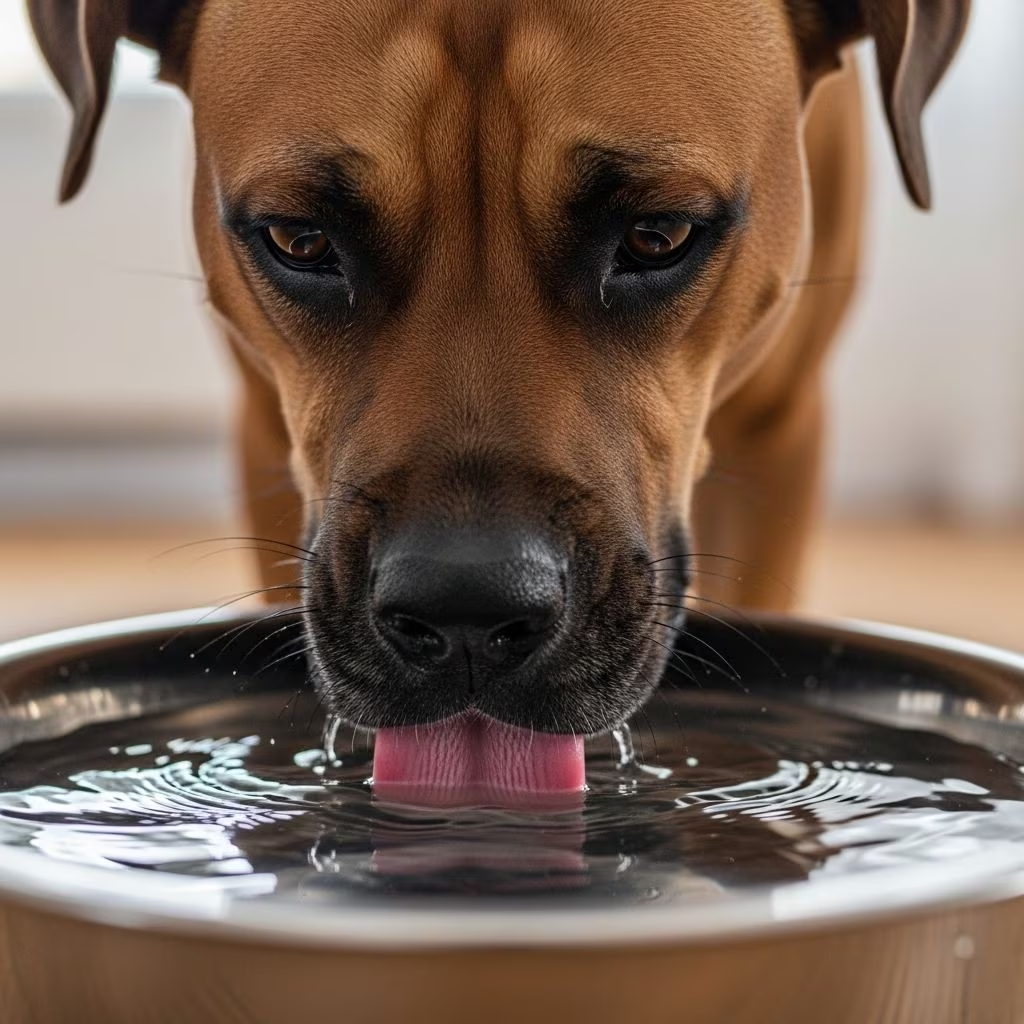
Water intoxication, medically known as hyponatremia, occurs when a dog ingests excessive amounts of water in a short period, diluting critical electrolytes like sodium in the bloodstream. This imbalance causes cells, particularly in the brain, to swell, leading to severe neurological issues that can escalate rapidly to life-threatening conditions. Dog owners must recognize this risk, especially during play in water or training sessions involving rewards.
The Science Behind Hyponatremia in Canines
At its core, water intoxication disrupts the body’s osmotic balance. Sodium maintains fluid levels inside and outside cells. When blood sodium drops below normal—typically under 135 mEq/L—water rushes into cells to equalize concentrations, causing swelling. Brain cells are especially vulnerable, as even slight expansion increases intracranial pressure, impairing vital functions.
This condition progresses swiftly. In acute cases, symptoms appear within 30 minutes to hours after overconsumption. Factors like a dog’s size, activity level, and existing health influence susceptibility. Small breeds or puppies face higher risks due to lower body mass.
Common Scenarios Leading to Overhydration
Dogs don’t drink excessively without reason. High-risk activities include:
- Prolonged fetching in pools, lakes, or sprinklers, where dogs gulp water repeatedly.
- Dock diving or swimming competitions, combining exertion with frequent water exposure.
- Training with water as treats, common in hot weather or endurance sports.
- Access to kiddie pools or hoses without supervision.
Hot days exacerbate the issue, as thirst drives intake. Even indoor dogs can succumb if left near dripping faucets or bowls.
Recognizing the Warning Signs Early
Early detection saves lives. Initial symptoms mimic fatigue but worsen quickly. Key indicators include:
- Lethargy or weakness: Dog appears unusually tired after play.
- Loss of coordination: Stumbling, staggering, or inability to stand straight.
- Abdominal bloating: Distended belly from fluid retention.
- Vomiting or nausea: Frequent retching or drooling excessively.
- Pale gums: Sign of poor circulation and low sodium.
Advanced signs signal emergency: glazed or dilated pupils, difficulty breathing, seizures, collapse, or coma. These reflect brain swelling and demand immediate action.
| Stage | Symptoms | Action Required |
|---|---|---|
| Early | Lethargy, mild staggering, drooling | Remove from water, monitor closely |
| Moderate | Vomiting, bloating, pale gums | Contact vet immediately |
| Severe | Seizures, breathing issues, collapse | Rush to emergency clinic |
Immediate Steps for Suspected Cases
If symptoms appear post-water play, act fast:
- Stop water access entirely.
- Do not induce vomiting or offer food/medication.
- Observe breathing and pulse; note changes.
- Call ahead to an emergency vet for blood sodium testing instructions.
- Transport safely, avoiding stress.
Time is critical—delays can lead to irreversible damage.
Veterinary Interventions and Recovery
Treatment focuses on gradual sodium restoration to avoid complications like osmotic demyelination syndrome, where overly rapid correction damages myelin sheaths.
- Mild cases: Water restriction, monitoring electrolytes, saline fluids.
- Severe cases: Hypertonic saline IV (slow infusion at 0.5-1 mEq/L/hour), diuretics like furosemide, mannitol for brain pressure relief, anticonvulsants for seizures.
Hospitalization may last hours to days. Full recovery is possible with prompt care, though some dogs need dietary sodium management long-term. Mortality rises in untreated severe cases due to brain herniation.
Prevention Strategies for Safe Play
Proactive measures minimize risks:
- Limit water sessions to 10-15 minutes with 30-minute breaks.
- Use non-water rewards like toys or treats in training.
- Supervise pool/lake time; provide fresh water bowls nearby.
- Weigh small dogs post-swim to detect retention (normal gain <2% body weight).
- Educate family/kids on risks during backyard fun.
Breed considerations: Retrievers and water-loving breeds need extra vigilance.
Risks for Specific Dog Profiles
Puppies, seniors, and those with heart/kidney issues are prone. Small dogs ingest proportionally more water faster. Active breeds in sports like agility require tailored hydration plans.
FAQs on Water Intoxication
What is the fastest way water intoxication develops in dogs?
It can onset within 30-60 minutes of excessive intake during intense play.
Can water intoxication happen from drinking bowls?
Rarely, but possible if a dog drinks gallons rapidly due to thirst or compulsion.
How much water is too much?
No fixed amount; depends on size/activity. Monitor behavior over volume.
Is sea water safer than fresh?
No—saltwater causes separate issues like hypernatremia or salt poisoning.
What home remedies work?
None—professional care only. Delaying worsens outcomes.
Long-Term Management Post-Incident
Survivors may need low-sodium diets temporarily, neurological checks, and behavior adjustments around water. Annual bloodwork ensures no lingering imbalances. Owners should log play sessions for patterns.
By staying informed, you empower your dog with safer adventures. Water play enriches lives but demands respect for limits.
References
- Signs, Treatment, and Prevention of Dog Water Intoxication — Rover.com. 2023. https://www.rover.com/blog/dog-water-intoxication/
- Treating Acute Water Intoxication in Pets — ASPCApro. 2024. https://www.aspcapro.org/resource/treating-acute-water-intoxication-pets
- What is water intoxication in dogs and how can I prevent it? — Vets Now. 2023. https://www.vets-now.com/pet-care-advice/water-intoxication-in-dogs/
- Water Intoxication in Dogs — Centennial Animal Hospital. 2018-07-01. https://www.centennialanimalhospital.com/resources/blog/july-2018/water-intoxication-in-dogs/
- Water Intoxication: It’s a Thing — Independence Veterinary Clinic. 2023. https://independenceveterinaryclinic.com/water-intoxicationits-a-thing/
- Recognizing and Preventing Water Intoxication in Dogs — Beverly Hills Vets. 2023. https://www.beverlyhillsvets.com/blog/recognizing-and-preventing-water-intoxication-in-dogs/
- Can Dogs Drink Too Much Water? The Dangers of Water Intoxication — AKC.org. 2023. https://www.akc.org/expert-advice/health/can-dogs-drink-much-water/



