

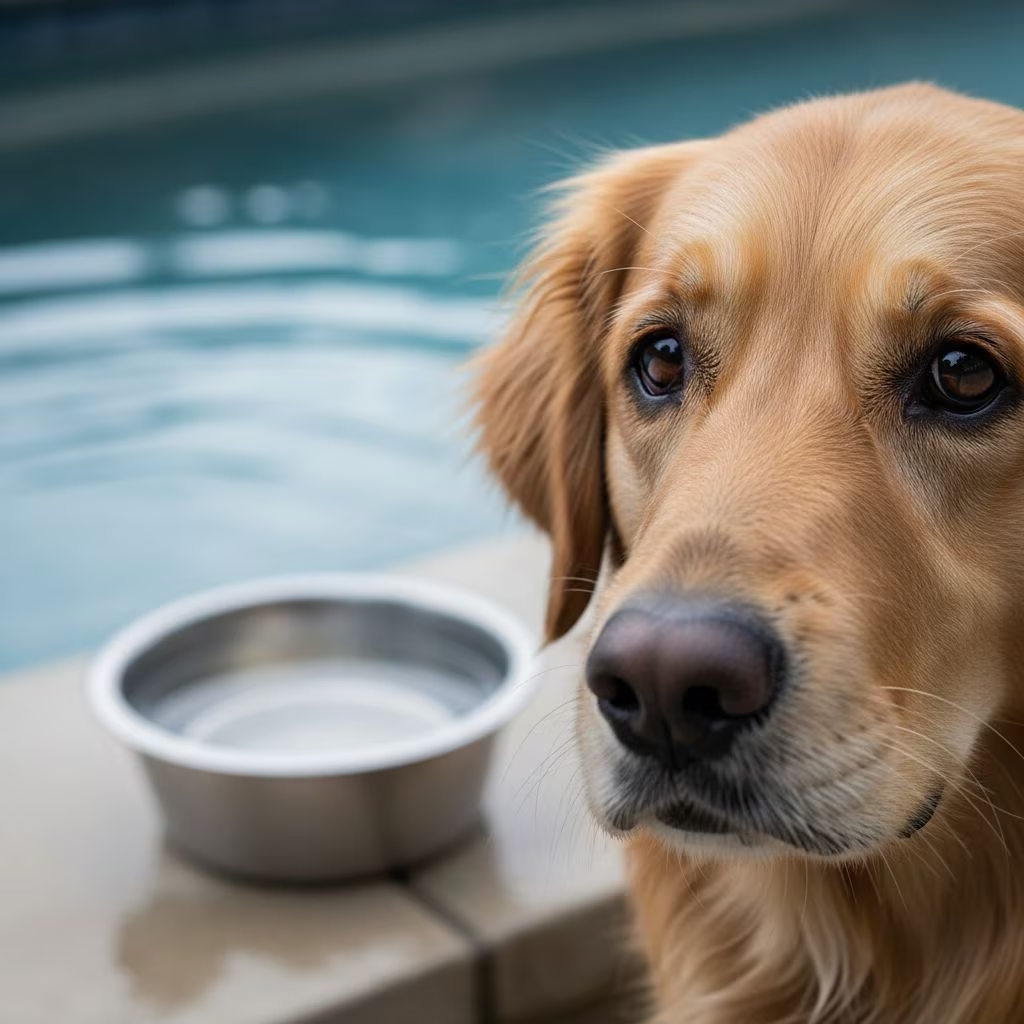
Water intoxication, also known as hyponatremia, occurs when dogs ingest excessive amounts of water too quickly, diluting critical electrolytes like sodium in their bloodstream. This imbalance causes cells, especially in the brain, to swell dangerously, potentially leading to severe neurological issues or death if not addressed promptly.
Understanding the Science Behind the Danger
The body’s electrolyte balance maintains proper cell function. Sodium regulates fluid movement across cell membranes. When a dog drinks vast quantities of water rapidly—often during enthusiastic play—blood sodium levels drop sharply. This shift draws water into cells via osmosis, causing them to expand. Brain cells, confined in the skull, suffer the most, leading to increased intracranial pressure and life-threatening complications.
Hyponatremia disrupts nerve signaling and muscle control. Acute cases progress within minutes to hours, making recognition crucial. Unlike dehydration, which prompts thirst, overhydration fools the body into retaining fluid, exacerbating the crisis.
Common Scenarios Where Risks Spike
Certain activities heighten vulnerability. Dogs chasing balls into pools or lakes, retrieving sticks from water repeatedly, or playing with hoses gulp water inadvertently alongside air. Herding breeds and retrievers, with their high-energy water pursuits, face elevated risks. Puppies and small breeds suffer faster due to lower body mass; even modest volumes overwhelm their systems.
Other triggers include medical conditions prompting excessive thirst, like diabetes, or access to large bowls during hot weather. Boat outings or dock diving amplify dangers as dogs submerge fully and shake off less water.
Early Warning Signs Every Owner Should Know
Symptoms emerge in stages, starting subtly. Initial indicators include restlessness, nausea, or mild disorientation. As hyponatremia worsens, dogs exhibit:
- Lethargy and weakness, refusing usual activities.
- Loss of coordination, stumbling or staggering like drunkenness.
- Abdominal bloating from fluid retention.
- Vomiting or excessive drooling.
- Pale gums signaling poor circulation.
Advanced stages bring glazed eyes, dilated pupils, labored breathing, seizures, collapse, or coma. Progression can be swift; monitor closely after intense water play.
Diagnosis: Swift Action in Veterinary Settings
At the clinic, veterinarians prioritize blood tests measuring sodium levels. Electrolyte panels confirm hyponatremia, while assessing kidney function and acid-base balance. Physical exams check neurological status, from gait to reflexes. In emergencies, imaging rules out trauma, though history of water exposure guides suspicion.
Sodium thresholds below 120 mEq/L demand urgent intervention; normal ranges sit around 140-150 mEq/L. Serial monitoring tracks correction rates to avoid rebounds.
Critical Treatment Protocols
| Severity Level | Treatment Approach | Expected Timeline |
|---|---|---|
| Mild | Water restriction, monitoring, isotonic fluids | Hours to 1 day |
| Moderate | Hypertonic saline IV (slow infusion), anti-nausea meds | 1-2 days hospitalization |
| Severe | Hypertonic saline bolus, mannitol/furosemide, anticonvulsants | Days with ICU care |
Treatment aims to restore sodium gradually—no faster than 0.5-1 mEq/L per hour—to prevent osmotic demyelination syndrome (ODS), a delayed complication damaging nerve sheaths. Hypertonic saline counters acute drops, while diuretics like furosemide expel excess fluid. Mannitol reduces brain swelling. Supportive care includes oxygen, seizure control, and nausea relief with maropitant or ondansetron.
Owners should rush to emergency vets without inducing vomiting or giving more water en route. Call ahead for preparation. Prognosis shines with early intervention; delays risk permanent damage or fatality.
Long-Term Recovery and Monitoring
Post-treatment, dogs need rest and restricted water access initially. Low-sodium diets aid stabilization for weeks. Neurological deficits like ataxia may linger but often resolve. Follow-up bloodwork ensures balance. Recovered dogs resume normalcy, though owners stay vigilant.
In rare ODS cases, symptoms like weakness appear days later, requiring extended rehab. Most fully recover, underscoring timely care’s value.
Prevention Strategies for Safe Water Fun
Proactive measures keep play safe:
- Limit water sessions to 10-15 minutes, enforcing breaks.
- Provide fresh water bowls away from play areas; avoid hoses.
- Supervise closely during swimming or fetching.
- Weigh small dogs post-play; sudden gains signal over-intake.
- Educate family on risks, especially with puppies.
Alternatives like pool toys minimizing submersion or scheduled drinking help. Hot days demand shaded breaks and measured intake.
High-Risk Breeds and Lifestyle Factors
Water-loving breeds—Labradors, Goldens, Spaniels—need extra caution. Small breeds like Chihuahuas or toys hit danger thresholds quicker. Active lifestyles amplify risks; weekend warriors face surprises after calm periods.
Multiple-dog homes risk competition, leading to gulping. Always prioritize breaks for all.
FAQs: Answering Common Concerns
What if my dog drank a lot from the bowl?
Isolated bowl gorging rarely causes issues unless excessive (e.g., gallons). Watch for symptoms; spread intake over time.
Can puppies get water intoxication?
Yes, their small size makes them prone. Shorter play sessions essential.
How much water is too much?
No fixed amount; depends on size, activity. Monitor behavior over volume.
Is salt water play safer?
No—salt water causes separate issues like hypernatremia or salt poisoning. Stick to fresh.
What home remedies work?
None. Veterinary care only; delays kill.
Empowering Owners with Knowledge
Water intoxication lurks in joyful moments, but awareness transforms risks. Routine checks post-play—gums, alertness, coordination—save lives. Share this with fellow owners; prevention beats cure. With vigilance, dogs thrive splashing safely.
References
- Signs, Treatment, and Prevention of Dog Water Intoxication — Rover. Accessed 2026. https://www.rover.com/blog/dog-water-intoxication/
- Treating Acute Water Intoxication in Pets — ASPCApro. Accessed 2026. https://www.aspcapro.org/resource/treating-acute-water-intoxication-pets
- What is water intoxication in dogs and how can I prevent it? — Vets Now. Accessed 2026. https://www.vets-now.com/pet-care-advice/water-intoxication-in-dogs/
- Water Intoxication in Dogs — Centennial Animal Hospital. 2018-07. https://www.centennialanimalhospital.com/resources/blog/july-2018/water-intoxication-in-dogs
- Water Intoxication: It’s a Thing — Independence Veterinary Clinic. Accessed 2026. https://independenceveterinaryclinic.com/water-intoxicationits-a-thing/



