

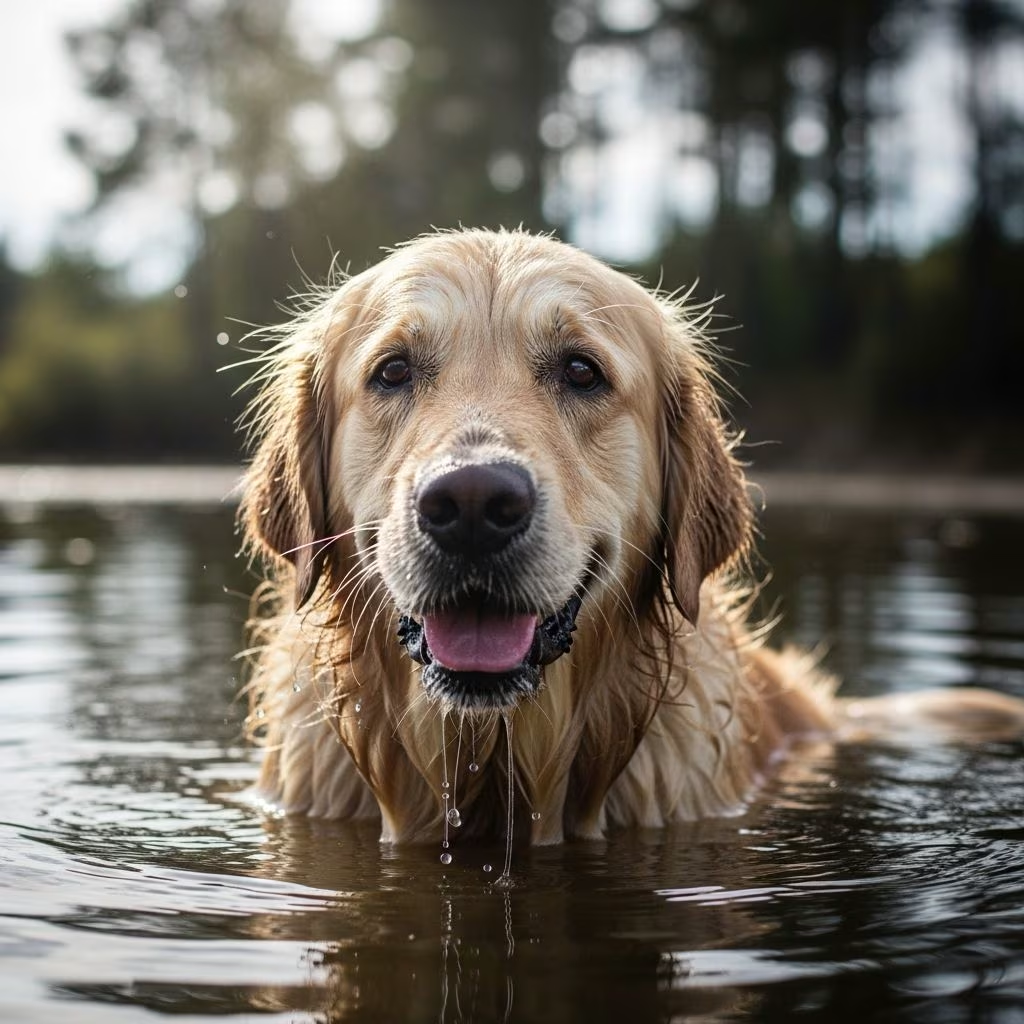
Water intoxication, also known as hyponatremia, occurs when dogs ingest excessive amounts of water in a short period, diluting critical electrolytes like sodium in their bloodstream. This imbalance causes cells to swell, particularly in the brain, leading to severe neurological issues and potentially death if not addressed promptly.
Understanding the Science Behind Hyponatremia
Hyponatremia refers to abnormally low sodium levels in the blood, triggered by rapid water consumption that overwhelms the body’s ability to regulate fluids. Sodium maintains osmotic balance, preventing water from flooding into cells. When diluted, water enters cells unchecked, causing swelling—most dangerously in brain tissue, which increases intracranial pressure and disrupts vital functions.
This condition progresses swiftly, often within hours during water-related activities. Small breeds and puppies face higher risks due to their lower body mass, but any dog can be affected. The kidneys normally excrete excess water, but overwhelming intake bypasses this mechanism.
Common Scenarios Leading to Water Overload
Dogs at play in pools, lakes, or sprinklers may gulp water repeatedly while chasing toys or retrieving balls. Dock diving, boating, or even drinking from overturned bowls during excitement heightens vulnerability. Herding breeds or retrievers, with their high-energy play styles, appear frequently in cases.
- Prolonged fetching sessions in water without breaks
- Swimming in open water bodies
- Access to large, shallow water sources like kiddie pools
- Post-exercise binge drinking from hoses or fountains
Owners often overlook these activities until symptoms emerge, underscoring the need for vigilant supervision.
Recognizing Early Warning Signs
Initial symptoms mimic fatigue but escalate rapidly. Owners should watch for clusters of signs after water exposure, as isolated issues might stem from other causes.
| Early Signs | Advanced Signs |
|---|---|
| Lethargy Loss of coordination Vomiting Excessive drooling | Seizures Difficulty breathing Pale gums Collapse or coma |
Glazed eyes, dilated pupils, abdominal bloating, and weakness signal urgency. Neurological effects like staggering or restlessness indicate brain swelling. If breathing labors or convulsions start, the situation is critical—brain cells may be dying.
Emergency Response: What to Do Immediately
Act fast: Remove water access, avoid inducing vomit or forcing urination, as this worsens imbalance. Note symptom progression, pulse, and breathing en route to an emergency vet. Call ahead for blood sodium testing instructions.
Do not administer home remedies or medications. Speed is paramount; delays allow irreversible damage.
Veterinary Interventions and Recovery Protocols
Treatment targets gradual sodium restoration to avoid complications like osmotic demyelination, where overly rapid correction damages myelin sheaths.
- Mild cases: Water restriction, monitoring, saline fluids higher than patient’s sodium
- Severe cases: Hypertonic saline IV bolus, anticonvulsants for seizures, diuretics like furosemide for fluid removal
- Brain swelling: Mannitol to reduce pressure
Full blood panels guide therapy. Hospitalization may last days, with electrolyte checks every few hours. Mild recoveries occur within hours; severe ones risk permanent deficits or euthanasia. Post-care includes low-sodium diets and nausea meds like maropitant.
Prevention Strategies for Safe Playtime
Proactive measures minimize risks during water fun:
- Enforce 30-minute breaks from water activities
- Limit toy throws in water to prevent gulping
- Provide fresh water bowls away from play areas
- Supervise puppies and small dogs closely
- Avoid solo access to hoses or pools
Train cues like “leave it” for excessive drinking. Hydrate pre-play with measured amounts to curb over-intake.
Risk Factors Across Breeds and Ages
No breed is immune, but water-loving types like Labs and Goldens encounter hazards more often. Puppies’ immature kidneys process fluids slower, amplifying danger. Elderly dogs or those with heart/kidney issues tolerate imbalances poorly.
Owners of performance dogs in agility or diving should schedule vet check-ins post-events.
Long-Term Effects and Monitoring
Survivors may face lingering ataxia, weakness, or cognitive changes. Regular bloodwork tracks recovery. Some need dietary sodium adjustments for months. Brain scans in extreme cases reveal damage extent.
Educate family on signs for multi-pet homes or shared playdates.
FAQs: Common Questions on Canine Water Intoxication
Q: How much water is too much for a 50-pound dog?
A: No exact threshold exists, but 2.5% of body weight rapidly (over 1 liter for a 50-lb dog) risks issues. Context matters—play-induced gulping is key.
Q: Can water intoxication happen from drinking bowls?
A: Rare without underlying binge triggers, but possible if overturned during excitement.
Q: Is sea water safer?
A: No—saltwater causes separate dehydration issues; stick to fresh monitoring.
Q: What if symptoms appear hours later?
A: Seek care anyway; delayed effects occur. Blood tests confirm.
Q: How to prevent during beach trips?
A: Portable bowls, breaks, and leashed supervision.
Case Studies: Real-World Lessons
Consider a retriever after dock diving: post-session lethargy escalated to seizures. Prompt IV saline saved it, but recovery took days. Another puppy from sprinkler play showed pale gums and collapse—diuretics and mannitol aided full rebound. These highlight supervision’s role.
Owners report better outcomes with awareness; one monitored breaks prevented repeats.
References
- Signs, Treatment, and Prevention of Dog Water Intoxication — Rover. Accessed 2026. https://www.rover.com/blog/dog-water-intoxication/
- Treating Acute Water Intoxication in Pets — ASPCApro. Accessed 2026. https://www.aspcapro.org/resource/treating-acute-water-intoxication-pets
- What is water intoxication in dogs and how can I prevent it? — Vets Now. Accessed 2026. https://www.vets-now.com/pet-care-advice/water-intoxication-in-dogs/
- Water Intoxication in Dogs — Centennial Animal Hospital. 2018-07. https://www.centennialanimalhospital.com/resources/blog/july-2018/water-intoxication-in-dogs
- Water Intoxication: It’s a Thing — Independence Veterinary Clinic. Accessed 2026. https://independenceveterinaryclinic.com/water-intoxicationits-a-thing/
- Recognizing and Preventing Water Intoxication in Dogs — Beverly Hills Vets. Accessed 2026. https://www.beverlyhillsvets.com/blog/recognizing-and-preventing-water-intoxication-in-dogs/
- Can Dogs Drink Too Much Water? The Dangers of Water Intoxication — AKC. Accessed 2026. https://www.akc.org/expert-advice/health/can-dogs-drink-much-water/



