

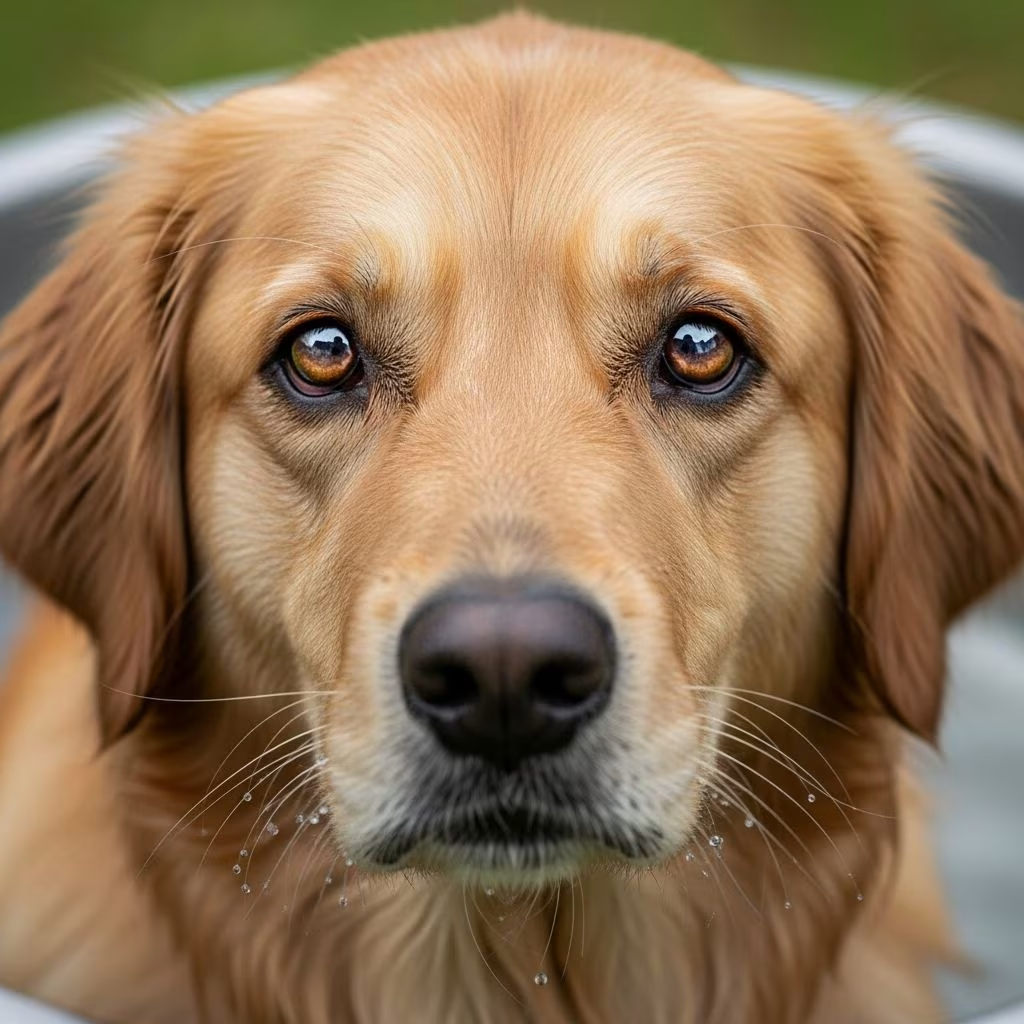
Water intoxication, also known as hyponatremia, poses a serious threat to dogs that ingest too much water in a short time, diluting essential blood electrolytes and causing cellular swelling, particularly in the brain. This condition often strikes during enthusiastic water activities like swimming or fetching toys in pools and lakes, where dogs gulp water rapidly.
Understanding the Science Behind Water Intoxication
The core issue stems from an imbalance where excessive water overwhelms the kidneys’ ability to excrete it, leading to low sodium levels in the blood. Sodium maintains fluid balance inside and outside cells; when diluted, water rushes into cells, causing them to swell. Brain cells are especially vulnerable, as swelling increases intracranial pressure and disrupts neurological function.
This rapid dilution differs from dehydration, as it involves fluid overload rather than deficit. Small dogs and those with high drive for water play face higher risks due to their lower body mass and faster intake relative to size. Veterinary sources note that symptoms can appear within hours of overconsumption.
Recognizing Early Warning Signs
Early detection is crucial, as water intoxication progresses swiftly from mild discomfort to life-threatening crises. Owners should watch for these initial indicators after water exposure:
- Nausea or vomiting, often with clear fluid
- Lethargy or unusual weakness
- Loss of coordination, such as staggering or stumbling
- Excessive drooling or salivation
- Pale gums and dilated pupils
As the condition worsens, more severe symptoms emerge, including glazed eyes, difficulty breathing, bloating, seizures, convulsions, and unconsciousness or coma. These signs reflect brain swelling and electrolyte chaos, demanding immediate veterinary intervention.
High-Risk Scenarios for Canine Water Overload
Not all water play leads to disaster, but certain situations amplify danger. Dogs obsessively chasing balls or sticks in ponds, rivers, or backyard pools often swallow mouthfuls repeatedly. Hot weather exacerbates thirst, prompting frantic drinking from hoses, bowls, or natural sources.
Case examples from veterinary clinics illustrate this: a border collie developed neurological issues after river play with excessive drinking, showing hypersalivation and vomiting sand-mixed water. Puppies and small breeds like Chihuahuas or Dachshunds are particularly susceptible, as are retrievers with strong fetch instincts.
| Risk Factor | Description | Examples |
|---|---|---|
| Activity Type | Prolonged fetching in water | Swimming pools, lakes, rivers |
| Weather Conditions | High heat increasing thirst | Summer days over 80°F |
| Dog Profile | Small size or high energy | Puppies, herding breeds |
| Water Source | Unlimited access | Hoses, kiddie pools |
Emergency Response: What to Do Immediately
If symptoms appear post-water play, act fast—do not wait for worsening. Rush to an emergency vet clinic. Provide details like activity duration, estimated water intake, and symptom timeline. Avoid inducing vomiting at home, as it risks aspiration.
Veterinarians confirm diagnosis via blood tests showing low sodium (hyponatremia), often with low chloride or potassium. Initial treatment restricts fluids to allow kidney function recovery. For severe cases, intravenous hypertonic saline slowly restores electrolytes, alongside diuretics like furosemide and mannitol to reduce brain swelling.
Caution is key during correction to prevent osmotic demyelination syndrome, a delayed complication causing ataxia or paralysis days later. With prompt care, survival rates improve, though some dogs suffer lasting neurological damage.
Prevention Strategies for Safe Water Fun
Proactive measures ensure water play remains joyful without peril. Limit sessions to 10-15 minutes, followed by dry breaks. Offer fresh water sparingly and monitor intake during play.
- Supervise closely; intervene if gulping occurs
- Use toys that minimize submersion, like floating discs over balls
- Avoid leaving dogs unattended near pools or hoses
- Schedule play in cooler times, hydrating with controlled amounts
- Know breed tendencies—high-drive dogs need extra oversight
For multi-dog households, separate enthusiastic drinkers. Post-play, check gums for color and behavior for normalcy.
Related Water Hazards to Watch For
Beyond intoxication, water environments harbor other threats. Saltwater ingestion causes hypernatremia, where high sodium pulls water from cells, leading to tremors, disorientation, and seizures. Blue-green algae in stagnant waters produces toxins causing liver failure, while sand swallowing during beach fetch irritates the gut.
Owners should scout locations for hazards and rinse dogs after saltwater or algae exposure.
Treatment Outcomes and Long-Term Care
Recovery varies; mild cases resolve with fluid restriction, while critical ones require hospitalization. Post-treatment, monitor for demyelination signs like weakness or poor coordination. Survivors may need dietary sodium adjustments or neurological follow-ups.
Veterinary data shows aggressive intervention saves many, but delays prove fatal. Educating owners reduces incidence during peak seasons.
FAQs on Water Intoxication in Dogs
How much water is too much for a dog?
No exact threshold exists, but intakes exceeding 140ml/kg in under 2 hours risk hyponatremia. Small dogs hit danger faster.
Can water intoxication happen in pools?
Yes, chlorinated pool water counts; repeated retrievals lead to swallowing.
Is my dog safe drinking from a hose?
Occasional sips are fine, but unrestricted access during heat can cause overload.
What breeds are most at risk?
Retrievers, herders, and small breeds due to play style and size.
How is hyponatremia treated at home?
It isn’t—seek professional care immediately; home remedies can worsen it.
Key Takeaways for Pet Parents
Water intoxication transforms fun into emergency via simple overdrinking. Vigilance during swims, knowing symptoms, and swift action save lives. By balancing play with prevention, dogs enjoy water safely year-round.
References
- Water Intoxication: It’s a Thing — Independence Veterinary Clinic. 2022-07-20. https://independenceveterinaryclinic.com/water-intoxicationits-a-thing/
- What is water intoxication in dogs and how can I prevent it? — Vets Now. N/A. https://www.vets-now.com/pet-care-advice/water-intoxication-in-dogs/
- Water Intoxication in Dogs — Centennial Animal Hospital. 2018-07. https://www.centennialanimalhospital.com/resources/blog/july-2018/water-intoxication-in-dogs
- Can Dogs Drink Too Much Water? The Dangers of Water Intoxication — American Kennel Club. N/A. https://www.akc.org/expert-advice/health/can-dogs-drink-much-water/
- Water Intoxication — Iowa Veterinary Specialties. N/A. https://www.iowaveterinaryspecialties.com/student-scholars/water-intoxication
- Recognizing and Preventing Water Intoxication in Dogs — Beverly Hills Veterinary. N/A. https://www.beverlyhillsvets.com/blog/recognizing-and-preventing-water-intoxication-in-dogs/
- Water Intoxication — Veterinary Poisons Information Service. 2019-08-01. https://www.vpisglobal.com/2019/08/01/water-intoxication/



