Water in Dog Ears: Safe Drying Tips
Discover simple, effective ways to remove water from your dog's ears after swimming or bathing to prevent discomfort and potential infections.
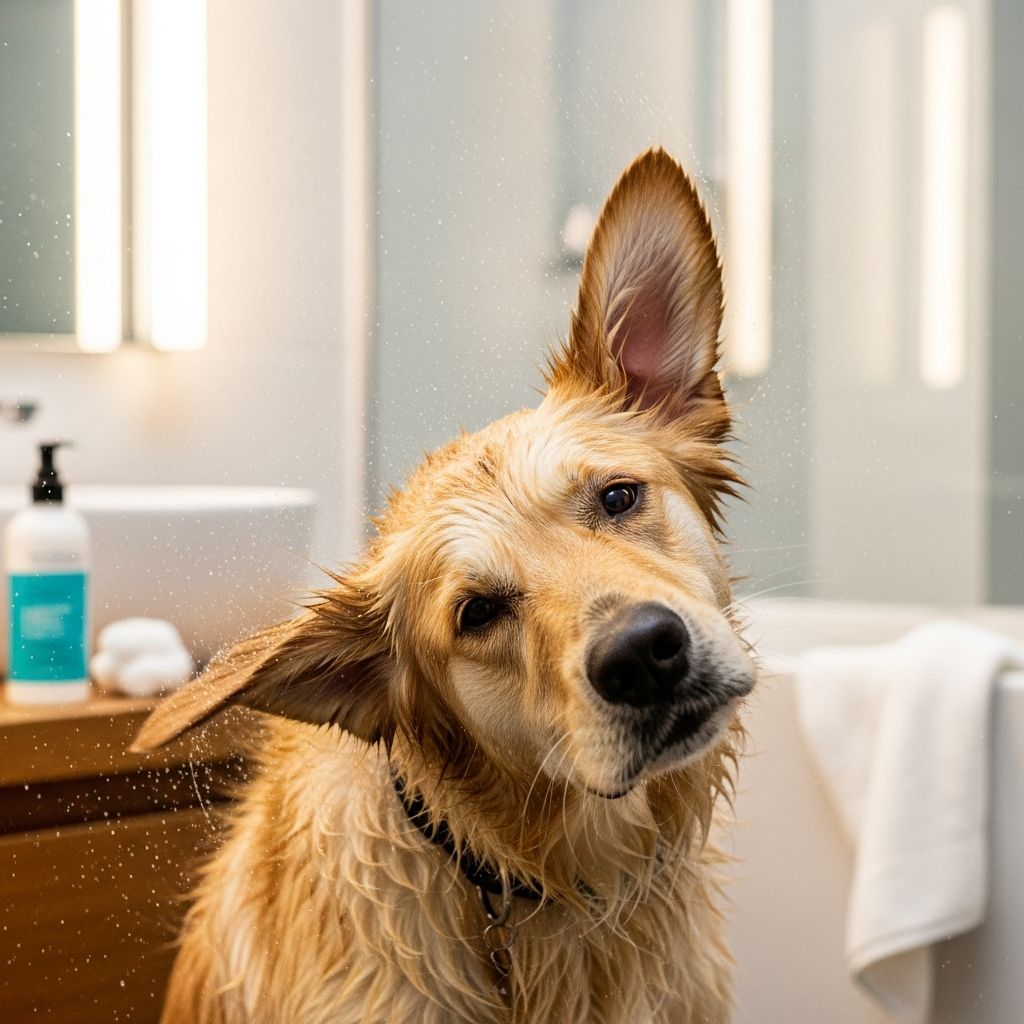
Dogs love water activities, but trapped moisture in their ears can lead to irritation if not addressed promptly. Fortunately, with straightforward home techniques, you can keep your pet comfortable and reduce infection risks effectively.
Understanding Canine Ear Anatomy and Water Retention
Dogs possess uniquely shaped ear canals, typically L-shaped, which differ significantly from human ears. This design helps protect against debris but traps water more easily during swims or baths. Floppy-eared breeds like Spaniels or Hounds face higher risks because their ear flaps block airflow, fostering a humid environment ideal for microbial growth.
While water alone rarely causes immediate harm—dogs naturally shake their heads vigorously to expel it—prolonged dampness compromises the ear’s protective skin barrier. This allows bacteria, yeast, or even mites to proliferate, potentially escalating to otitis externa, or outer ear inflammation.
Signs Your Dog Has Water in Its Ears
Observe your dog’s behavior post-water exposure. Common indicators include:
- Excessive head shaking or tilting to one side.
- Scratching or pawing at the ears.
- Mild redness around the ear opening.
- Occasional yelps when touching the ear.
These symptoms usually resolve quickly with drying. However, if they persist beyond a day, deeper issues may be brewing. Progression to infection shows as foul odor, waxy or pus-like discharge, intensified swelling, or balance problems.
Step-by-Step Guide to Drying Dog Ears at Home
Act swiftly after water play to minimize risks. Follow these vet-recommended steps:
- Towel Off Externally: Gently pat the head and outer ears with a clean, absorbent towel to prevent drips from entering further.
- Cotton Ball Method: Insert a dry cotton ball loosely into the ear canal. Massage the ear base gently for 20-30 seconds; the ball absorbs moisture as it squishes. Replace with fresh balls until they emerge dry.
- Gravity Assist: Hold the ear flap up, tilt your dog’s head downward, and shake lightly to let water drain out.
- Air Dry: Allow ears to air out in a warm, ventilated area. Avoid heat sources like hairdryers unless on low, cool setting from a distance.
For added safety, use pet-specific ear dries—solutions that displace water and inhibit bacteria without harming sensitive tissues.
DIY Ear Cleaning Solutions: Safe Recipes
Prepare gentle cleaners for routine maintenance or post-swim care. Always dilute and test on a small area first.
| Solution | Ingredients | Application | Notes |
|---|---|---|---|
| Apple Cider Vinegar Mix | 1:1 apple cider vinegar and purified water | Soak cotton ball, wipe outer canal | Antifungal; avoid if skin broken |
| Hydrogen Peroxide Blend | Equal parts 3% H2O2 and water | Gauze swab for outer ear only | Dries residue; rinse after 5 min |
| Commercial Ear Flush | Vet-approved drying serum | Fill canal, massage, let drain | Repels water; safest option |
Never insert swabs deep into the canal to avoid damaging the eardrum. Clean weekly for water-loving dogs.
Risks of Untreated Moisture: From Irritation to Chronic Issues
Persistent wetness heightens infection odds, especially in allergy-prone or drop-eared dogs. Bacterial or yeast overgrowth causes painful inflammation, potentially leading to:
- Chronic otitis with hearing impairment.
- Aural hematomas from vigorous shaking.
- Secondary fungal invasions or mites.
Urban swimming spots post-rain carry extra bacteria from runoff, amplifying dangers. Early intervention prevents costly vet visits and long-term pain.
Prevention Strategies for Active Dogs
Proactive habits safeguard ear health during aquatic fun:
- Apply water-repellent ear sealant pre-swim.
- Use swim hoods or ear covers for floppy ears.
- Rinse ears with clean water after lake or pool dips to dilute contaminants.
- Schedule bi-weekly vet checks for swimmers.
- Maintain allergy management to bolster ear defenses.
Avoid stagnant, polluted waters; opt for chlorinated pools or clear streams.
When to Consult a Veterinarian
Home care suffices for simple water trapping, but seek professional help if:
- Symptoms last over 48 hours.
- Discharge appears (yellow/green, bloody, or odorous).
- Ear feels hot, swollen, or painful to touch.
- Dog shows lethargy, fever, or head tilting persistently.
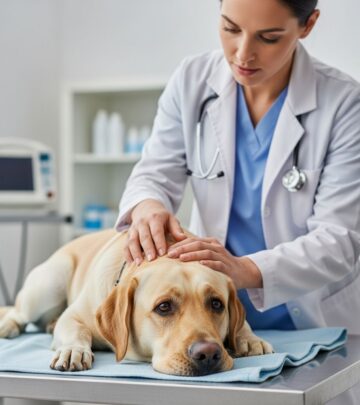
Vets diagnose via otoscope exam and cytology, prescribing medicated cleaners or antibiotics as needed. Allergies often underlie recurrent cases, requiring dietary or topical therapies.
Debunking Myths About Dog Ear Water Exposure
Contrary to popular belief, water alone rarely triggers infections—dogs’ head-shaking efficiency expels most. True culprits include underlying allergies weakening skin or contaminated water sources. Routine drying empowers prevention without curtailing playtime.
Frequently Asked Questions (FAQs)
Is water in my dog’s ears always dangerous?
No, it’s typically harmless if dried promptly. Dogs’ anatomy and shaking help, but vigilance prevents escalation.
Can I use a hairdryer to dry dog ears?
Yes, on cool/low heat, held 12 inches away for 2-3 minutes max. Monitor for stress.
How often should I clean my swimming dog’s ears?
After every water session plus weekly maintenance for prone breeds.
Are ear plugs safe for dogs?
Pet-specific ones yes; human versions may irritate. Consult vet for fit.
What breeds are most at risk for water-related ear problems?
Floppy-eared like Labs, Goldens, Bassets due to poor ventilation.
Long-Term Ear Health for Water Enthusiasts
Integrate ear care into your dog’s lifestyle. Track patterns via a journal noting swims, cleanings, and symptoms. Nutrition with omega-3s supports skin integrity, reducing infection susceptibility. Pair with grooming routines for holistic wellness.
For multi-dog homes, tailor approaches: high-energy retrievers need rigorous post-swim protocols, while lap dogs suffice with bath-time checks. Educate family on techniques for consistency.
Ultimately, balancing fun and care ensures your dog enjoys water without ear woes. These methods, backed by veterinary consensus, promote lasting health.
References
- Dog Swimmer’s Ear: How Water Causes Ear Infections — Vetnique Labs. 2023. https://vetnique.com/blogs/vets-corner/dog-swimmers-ear
- Water in Dog Ear 101: Everything You Need to Know — Total.Vet. 2024. https://total.vet/water-in-dog-ear/
- Moisture in dog’s ear can cause infection — Dirty Dog Spa. 2023. https://dirtydogsspa.com/moisture-dogs-ear-can-cause-infection/
- How to Prevent Water in Your Dog’s Ears During Baths — Gina’s Grooming. 2025-03-22. https://ginasgrooming.com/2025/03/22/preventing-water-in-dogs-ears/
- Why Water Isn’t Always the Cause of Your Dog’s Swimmer’s Ear — Northern Oaks Veterinary Hospital. 2024. https://www.northernoaksvet.com/services/dogs/blog/why-water-isnt-always-cause-your-dogs-swimmers-ear
- Water in Dog’s Ear? No Problem — Whole Dog Journal. 2024. https://www.whole-dog-journal.com/care/water-in-dog-ear-no-problem/
- Should You Worry About Water in Your Dog’s Ears? | Vet Explains — YouTube (Vet Short). 2024. https://www.youtube.com/shorts/juHxR7xxeKw
Similar Articles




Read full bio of medha deb