Water for Rabbits: How Much They Need & Best Practices
Complete guide to rabbit hydration: daily water needs, bowls vs. bottles, and keeping water fresh.
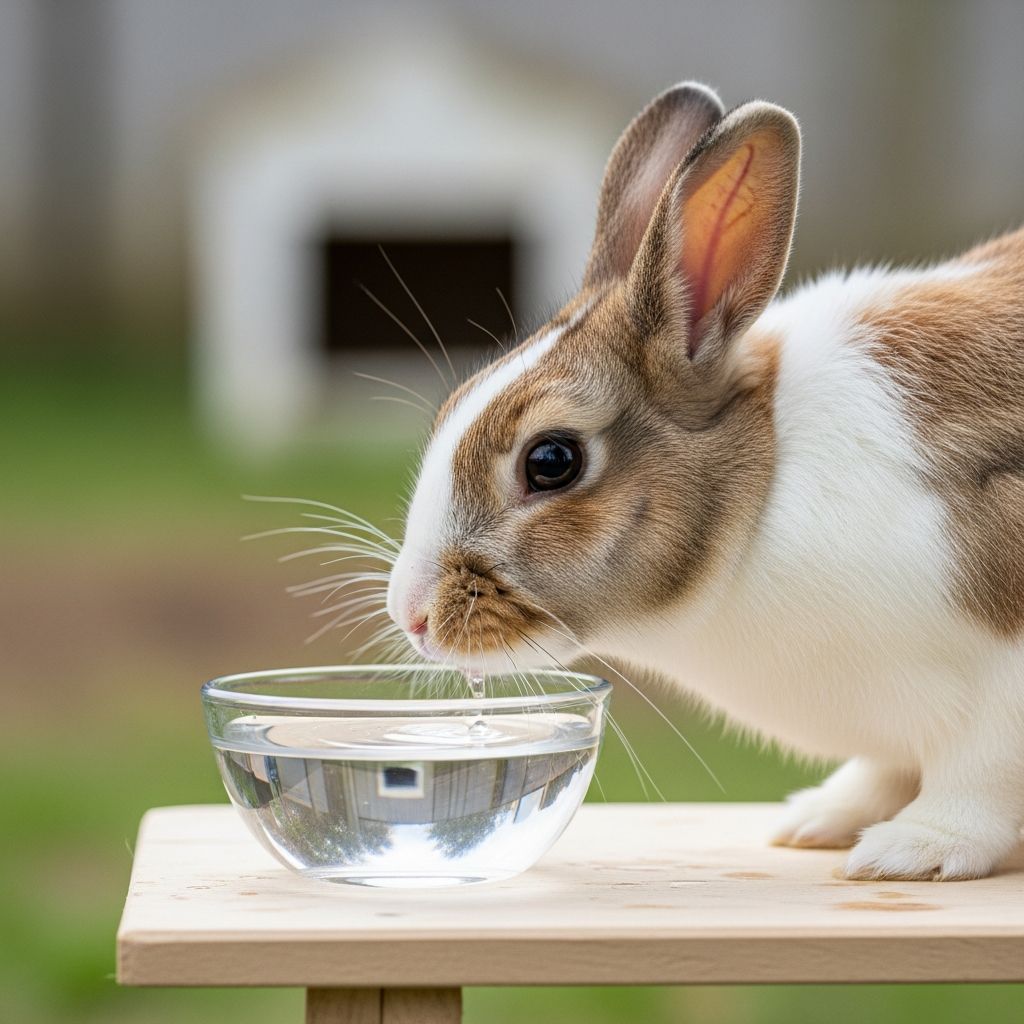
Water for Rabbits: How Much They Need and Best Practices
Your pet rabbit depends on you to provide the essential care they need to thrive, and one of the most critical components of that care is ensuring they have access to adequate, fresh water. While it might seem straightforward to simply fill a bowl or bottle and place it in their enclosure, there’s much more to rabbit hydration than meets the eye. Understanding why water is so important, how much your bunny needs, and the best methods for providing it will help you maintain your rabbit’s optimal health and well-being.
Water is not just a luxury for rabbits—it’s a necessity that supports nearly every function in their body. From maintaining cardiovascular health to regulating body temperature, proper hydration is fundamental to your rabbit’s survival and comfort. This comprehensive guide explores everything you need to know about water for rabbits, including daily requirements, the best delivery methods, and practical tips for keeping water fresh and enticing.
Why Water Is Essential for Your Rabbit’s Health
Before diving into the specifics of how much water your rabbit needs or how to provide it, it’s important to understand why water is so vital to rabbit health. Rabbits have unique physiological needs that make hydration particularly crucial for their well-being.
Cardiovascular Function
Just like all mammals, rabbits depend on proper hydration to maintain heart health and optimal cardiovascular function. When a rabbit receives adequate water intake, their heart can function at maximum capacity, ensuring efficient blood circulation throughout their body. This is particularly important for maintaining overall vitality and energy levels in your pet.
Kidney and Urinary Health
One of the most significant reasons rabbits require substantial water intake is their unique urinary composition. Rabbit diets are naturally high in protein and calcium, which makes them more susceptible to developing kidney stones and bladder stones—painful conditions that can seriously impact their quality of life. Additionally, rabbits produce urine that is significantly thicker and more concentrated than that of other animals. Without adequate hydration, this already thick urine becomes even more concentrated, turning into a sludgy, sticky substance that can cause serious urinary tract complications. Proper water consumption helps dilute urine and prevents the formation of these problematic deposits.
Temperature Regulation
Pet rabbits face a unique challenge when it comes to temperature regulation. Their dense fur and limited sweat glands make them particularly prone to overheating, especially during warm weather and in hot environments. Water plays a crucial role in thermoregulation, helping to cool your rabbit’s body from the inside out. By maintaining proper hydration, you significantly reduce your rabbit’s risk of dangerous conditions like heatstroke and heat-related dehydration.
Digestive Support
Rabbits’ digestive systems require adequate hydration to function properly. Their natural diet is high in fiber, and water is essential for helping food move through their gastrointestinal tract efficiently. Without sufficient water intake, the digestive system may pull fluids from internal tissues and blood to process food, leading to dehydration and potential digestive issues.
How Much Water Do Rabbits Need?
The amount of water your rabbit needs depends on several factors, but there is a general guideline that veterinarians recommend. According to veterinary sources, rabbits should drink approximately 50–150 milliliters of water per kilogram of body weight daily. This translates to roughly 1–2 ounces per pound of body weight. For example, an average domestic rabbit weighing 2.5 kilograms (about 5.5 pounds) would need approximately 125 to 375 milliliters (4.2 to 12.7 fluid ounces) of water per day.
Factors That Affect Water Consumption
While the 50–150 milliliters per kilogram guideline provides a useful baseline, the actual amount of water your rabbit needs can vary significantly based on several individual and environmental factors:
Size and Age: Larger rabbits naturally require more water than smaller breeds. Younger, more active rabbits may also have higher water needs than older, less active rabbits.
Activity Level: Rabbits that are very active and exercise frequently will require more water to compensate for fluid loss through activity.
Environmental Temperature: During hot weather or in warm environments, your rabbit’s water needs increase significantly. Heat causes rabbits to lose more fluids through respiration and body cooling mechanisms.
Diet Type: Rabbits fed primarily dry diets such as hay and pellets will require more drinking water than those consuming fresh greens, which have high moisture content. If rabbits receive vegetables with high water content, their total water intake from drinking may be somewhat reduced.
Reproductive Status: Pregnant and lactating females have substantially higher water requirements than non-breeding rabbits. The physiological demands of pregnancy and milk production significantly increase their hydration needs.
How to Give Water to Your Rabbit
Ensuring your rabbit has consistent access to fresh, clean water is the foundation of proper rabbit care. However, there are different methods for providing water, each with its own advantages and considerations. Understanding these options helps you choose the best approach for your individual rabbit.
Water Bowls
Many rabbit owners find water bowls to be a practical and effective option. Traditional ceramic or stainless steel bowls allow rabbits to drink naturally, mimicking how they might access water in the wild. Some rabbits prefer bowls because they can drink at their own pace without applying pressure to a bottle mechanism.
Advantages of Water Bowls:
– Easy to fill and clean- Natural drinking position for rabbits- Allows you to easily monitor water levels- Some rabbits find them more intuitive than bottles
Considerations:
– Rabbits may spill or soil water bowls with food or feces- Water can become contaminated more easily- Requires more frequent cleaning and water changes- Takes up space in the enclosure
Water Bottles
Water bottles, also called sipper bottles or ball-bearing bottles, are another popular option for providing water to rabbits. These bottles hang on the enclosure and dispense water through a small metal ball bearing that the rabbit must push to drink.
Advantages of Water Bottles:
– Water stays cleaner and less likely to be contaminated- Prevents water from being spilled into the bedding- Takes up less space in the enclosure- Excellent for rabbits accustomed to this drinking method
Considerations:
– Can clog or malfunction, preventing water access- Requires daily inspection and cleaning- May require training for rabbits unfamiliar with bottle drinking- Harder to assess actual water consumption- The metal ball bearing can stick, blocking water flow
Choosing the Best Method for Your Rabbit
The best way to provide water to your rabbit depends on your individual pet’s preferences and your specific circumstances. It’s important to note that rabbits accustomed to one watering method may not automatically know how to use a different type. If you’ve been providing water in a bowl and suddenly switch to a bottle, your rabbit might not understand how to access the water from the bottle mechanism. This is why gradual transitions are important, or why providing both methods can be beneficial.
Tips for Keeping Your Rabbit’s Water Fresh
Providing water is only the first step in maintaining your rabbit’s hydration. Keeping that water clean, fresh, and appealing is equally important for ensuring your rabbit actually drinks enough.
Daily Cleaning and Maintenance
Wash your rabbit’s water bowl or bottle with mild soap and water every single day. This cleaning routine helps prevent the buildup of algae, bacteria, and other harmful contaminants that can accumulate over time. For water bottles with narrow openings, use a dedicated bottle brush to ensure thorough cleaning of interior surfaces where bacteria and algae can hide. Give your rabbit a fresh supply of clean water each time you clean the water dishes.
Provide Multiple Water Sources
One of the most effective strategies for ensuring your rabbit stays hydrated is to place water bottles or bowls in different areas of their enclosure. Multiple water sources serve several important purposes: they ensure easy access to water regardless of where your rabbit is in their space, they allow your rabbit to choose their preferred water delivery method, and perhaps most importantly, they provide a crucial backup option in case one water source becomes clogged or soiled. If your rabbit has access to both a bowl and a bottle, they can use whichever works best for them in any given moment.
Keep Water Cool and Accessible
During hot weather, place water sources in cool, shaded areas of your rabbit’s enclosure or living space. Cool water is more appealing to rabbits and helps with temperature regulation. Store water bottles away from direct sunlight to keep the water temperature comfortable for drinking.
Enhance Water Appeal with Healthy Additions
Some rabbit owners have found creative ways to encourage their rabbits to drink more water by making the water more appealing.
Fresh Greens in Water: Some owners report putting fresh greens from their meals to float in the water bowl. This can make the water more interesting and encourage drinking. However, not all rabbits appreciate this tactic, so monitor your rabbit’s response. If the greens deter your rabbit from drinking, remove them immediately.
Pineapple Juice for Long-Haired Rabbits: For long-haired rabbit breeds, adding a small amount of fresh pineapple juice to the water is sometimes recommended. The natural acidity in pineapple juice can help prevent and break down hairballs, a common concern in long-haired breeds. Additionally, many owners report that this addition entices their rabbits to drink more water. However, it’s essential to use only fresh pineapple juice—never canned—and use only a small amount. Excessive fruit juice can contribute to obesity and dental problems in rabbits.
Vegetables with High Water Content: Offering vegetables like lettuce, cucumber, and celery that are approximately 90% water can supplement your rabbit’s fluid intake. Leaving vegetables wet after washing them adds additional water to their diet. Remember, though, that dietary water from vegetables is not a replacement for drinking water—it’s a supplementary source.
Signs of Dehydration in Rabbits
Being aware of dehydration signs is crucial for early intervention. Watch for these warning signs that your rabbit may not be getting enough water:
– Reduced water intake or refusal to drink- Concentrated, dark urine- Thick, sticky, sludgy urine- Lethargy or decreased activity- Loss of appetite- Dry mucous membranes- Sunken eyes- Loss of skin elasticity (skin doesn’t bounce back when gently pulled)- Constipation or reduced fecal pellet production
If you notice any of these signs, contact your veterinarian immediately, as dehydration can quickly become life-threatening in rabbits.
Frequently Asked Questions About Rabbit Water
Q: What kind of water can rabbits drink?
A: Rabbits can drink tap water, filtered water, or bottled water. The most important factor is that the water is fresh and clean. If your tap water is chlorinated, letting it sit for a few hours before offering it to your rabbit allows some chlorine to dissipate. Many rabbit owners simply provide filtered tap water for the safest option.
Q: Do wild rabbits need to drink water?
A: Yes, wild rabbits also require water, though they typically obtain much of their hydration from fresh vegetation they eat in nature. The water content in fresh grasses and plants provides significant hydration. Pet rabbits, particularly those eating primarily dry hay and pellets, need additional drinking water to compensate for the lower moisture content in their diet.
Q: How do I stop my rabbit’s water bottle from leaking at the drinking tip?
A: Water bottle leaking is often caused by the metal ball bearing becoming stuck or the tube being misaligned. Gently tap the ball bearing to dislodge it, or soak the bottle tip in warm water to loosen any mineral deposits or debris. Ensure the tube is properly seated in the cap. If leaking persists, the bottle may need to be replaced. Always inspect bottles daily for clogs and proper function.
Q: How often should I refill my rabbit’s water?
A: You should refill your rabbit’s water at least daily, even if the bowl or bottle still contains water. Daily refilling ensures water freshness and allows you to monitor your rabbit’s water consumption. During hot weather or for very active rabbits, you may need to refill water multiple times daily.
Q: Can rabbits drink water from vegetables instead of drinking water?
A: While vegetables with high water content can contribute to overall hydration, they should never replace fresh drinking water. Water from vegetables is supplementary only. Rabbits need access to fresh drinking water at all times, in addition to any dietary water they receive from fresh produce.
Conclusion
Providing your rabbit with adequate, fresh water is one of the most fundamental aspects of responsible rabbit care. By understanding your rabbit’s specific water needs based on size, activity level, and environmental conditions, offering water through methods your rabbit prefers, and maintaining water cleanliness and freshness, you’re taking essential steps toward ensuring your bunny’s long-term health and happiness. Monitoring your rabbit’s water intake and staying alert for signs of dehydration will help you catch potential problems early. Remember that water is not a luxury but a necessity for your rabbit’s cardiovascular health, kidney function, temperature regulation, and overall well-being. Always keep fresh, clean water available at all times, and your rabbit will have the hydration they need to thrive.
References
- Water for Rabbits: How Much They Need, Bowls vs. Bottles — Chewy.com. 2024. https://www.chewy.com/education/small-pet/rabbit/rabbits-need-water
- Nutrition of Rabbits – Exotic and Laboratory Animals — Merck Manual Veterinary. https://www.msdvetmanual.com/exotic-and-laboratory-animals/rabbits/nutrition-of-rabbits
- Feeding Your Rabbit — VCA Animal Hospitals. https://vcahospitals.com/know-your-pet/feeding-your-rabbit
- Rabbits – Food and Water — NSW Department of Education. https://education.nsw.gov.au/teaching-and-learning/animals-in-schools/animals-in-schools-species/rabbits/rabbits-food-and-water
- Drinking Water for Rabbits & Guinea Pigs (Pet Parent Guide) — Oxbow Animal Health. July 1, 2024. https://oxbowanimalhealth.com/blog/why-does-my-pet-need-water/
Similar Articles








Read full bio of medha deb