

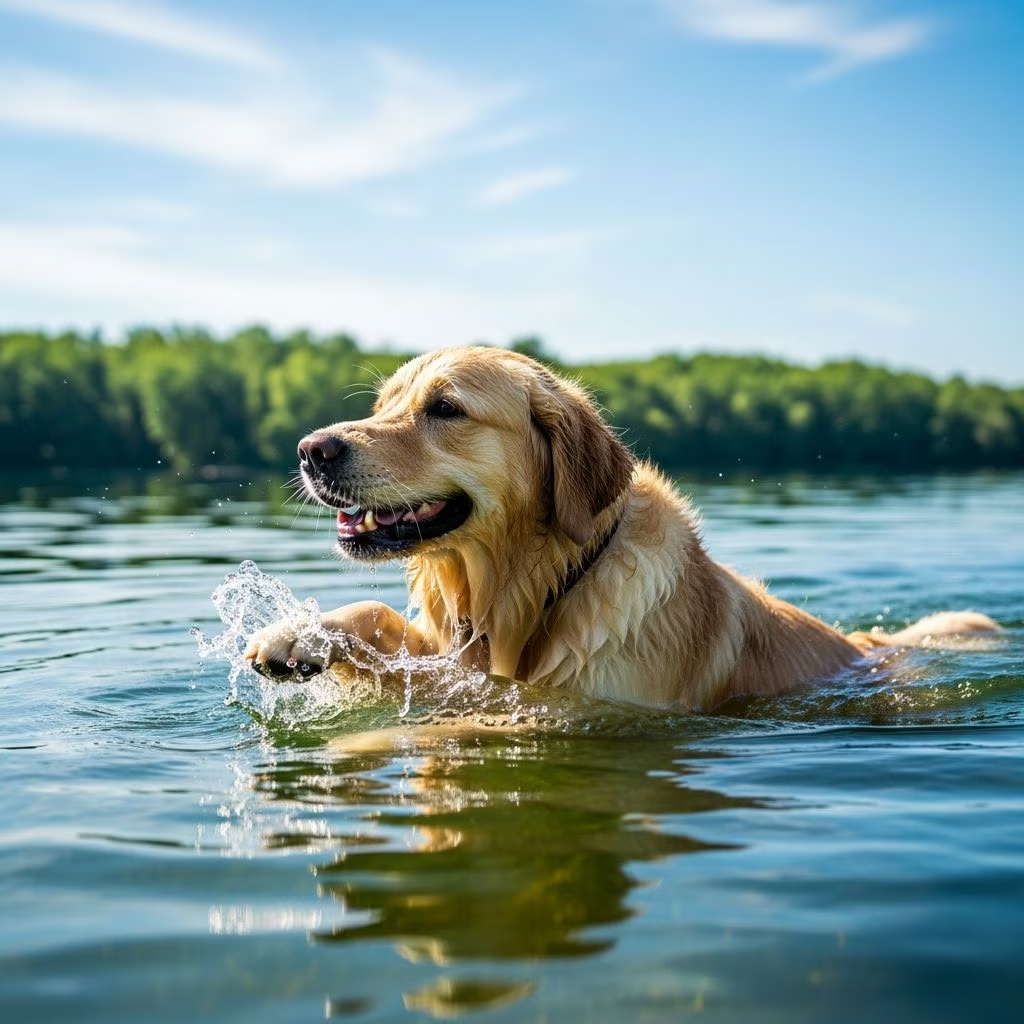
Water Dogs That Love Swimming
Water dogs represent a special category of canine companions that possess an innate affinity for aquatic environments. These breeds have been selectively developed over generations specifically for water-based activities, whether for hunting, retrieving, or companionship. Their physical characteristics, temperament, and natural instincts make them exceptional swimmers and water enthusiasts. If you’re considering adding a water-loving dog to your family or simply want to understand which breeds excel in aquatic settings, this comprehensive guide will help you explore the wonderful world of water dogs.
What Makes a Water Dog?
Water dogs are breeds that were originally developed to work in and around water. These dogs possess specific physical and behavioral traits that enable them to thrive in aquatic environments. Understanding what defines a water dog can help you determine whether a particular breed is right for your lifestyle and whether your dog has the natural instincts to enjoy swimming and water activities.
Physical Characteristics
Water dogs typically exhibit several physical features that enhance their swimming capabilities. Many water dog breeds have water-resistant or water-repellent coats that provide insulation and protection in cold water environments. Their body structure is usually streamlined, allowing for efficient movement through water. Webbed paws are common in many water dog breeds, providing enhanced propulsion and control while swimming. Additionally, water dogs often have muscular builds and strong hindquarters that facilitate powerful swimming strokes.
Temperament and Behavior
Beyond physical traits, water dogs possess temperamental characteristics that make them well-suited for aquatic activities. These breeds typically demonstrate confidence in water, enthusiasm for retrieving, and a natural drive to work alongside humans in water environments. Water dogs are generally intelligent, trainable, and eager to please, making them excellent candidates for water-based training and activities. Their playful nature and love of exploration often extend naturally to water settings when properly introduced and socialized.
Popular Water Dog Breeds
Several dog breeds are renowned for their exceptional swimming abilities and love of water. These breeds have established reputations as skilled swimmers and water enthusiasts that thrive in aquatic environments.
Labrador Retrievers
Labrador Retrievers consistently rank among the most popular water dog breeds worldwide. Originally developed to retrieve waterfowl for hunters, Labs possess water-resistant double coats, webbed paws, and muscular builds ideal for swimming. Their friendly disposition, intelligence, and natural enthusiasm for water make them excellent family companions for those with access to swimming opportunities. Labradors are known for their willingness to retrieve objects from water and their comfort in various aquatic environments.
Golden Retrievers
Golden Retrievers share many characteristics with Labradors and are equally renowned for their swimming prowess. These elegant dogs have water-repellent coats and powerful builds that enable them to move through water with grace and efficiency. Goldens are gentle, intelligent, and remarkably patient, making them not only excellent swimmers but also wonderful family dogs. Their passion for retrieving translates beautifully to water-based games and activities.
Boykin Spaniels
Boykin Spaniels, the state dog of South Carolina, are versatile water dogs originally bred for hunting in swampy terrain. These medium-sized dogs feature water-resistant coats and are exceptional swimmers despite their relatively compact size. Boykins are known for their work ethic, intelligence, and eagerness to please. Their size makes them suitable for families living in various housing situations, while their love of water ensures they remain active and engaged companions.
Portuguese Water Dogs
Portuguese Water Dogs were originally utilized by fishermen in Portugal to help with various water-based tasks. These highly intelligent and athletic dogs possess muscular builds and water-resistant coats perfectly suited for marine environments. PWDs are energetic, trainable, and deeply devoted to their families. Their intelligence and work ethic make them excellent candidates for advanced water-based training and activities.
Chesapeake Bay Retrievers
Chesapeake Bay Retrievers were specifically developed to retrieve waterfowl in the challenging conditions of the Chesapeake Bay. These powerful swimmers have distinctive oily, water-resistant coats and muscular builds. Chessies are known for their determination, intelligence, and exceptional swimming ability in cold water conditions. Their loyalty and protective nature make them excellent family companions for active households.
Newfoundlands
Newfoundlands are large, powerful water dogs originally developed to assist fishermen and perform water rescue work. These gentle giants possess webbed paws, water-resistant coats, and an instinctive love of water. Newfoundlands are excellent swimmers capable of rescuing individuals from water. Their calm temperament, intelligence, and natural affinity for water make them wonderful companions for families who live near bodies of water.
Understanding Your Dog’s Swimming Abilities
While certain breeds are naturally predisposed to enjoy swimming, individual dogs vary in their comfort levels and abilities. Not all dogs within a water dog breed will automatically be excellent swimmers, and some non-water dog breeds may surprise you with their aquatic enthusiasm.
Factors Influencing Swimming Ability
Multiple factors influence whether your dog will be a confident and capable swimmer. The following elements play important roles in determining your dog’s relationship with water:
Early Exposure and Socialization: Dogs introduced to water gradually and positively when young are often more confident swimmers. Early positive experiences in shallow water help build confidence and reduce fear or anxiety around aquatic environments. Starting with small kiddie pools or shallow water areas allows puppies to become comfortable before advancing to larger bodies of water.
Physical Health and Conditioning: A dog’s overall physical health significantly impacts swimming ability. Obesity, arthritis, or underlying medical issues can make swimming more difficult or even dangerous. Dogs that are well-exercised, maintain healthy weight, and receive regular veterinary care typically demonstrate better swimming capabilities and water confidence.
Body Structure: Physical characteristics influence natural swimming ability. Stocky dogs with flat faces, like Bulldogs and Boxers, often struggle with swimming due to their broad chests and short legs. These breeds have difficulty maintaining buoyancy and may sink quickly without flotation assistance. Similarly, dogs with short legs relative to their body length may find swimming more challenging.
Age and Previous Experience: While puppies can learn to swim, dogs introduced to water later in life can also become comfortable swimmers with patient training. However, older dogs or those with previous negative water experiences require extra patience and encouragement.
Water Safety for Your Swimming Dog
Regardless of your dog’s breed or swimming ability, water safety must always remain your top priority. Implementing proper safety measures protects your dog from potential hazards and ensures positive water experiences.
Life Jackets and Personal Flotation Devices
Even excellent swimmers should wear properly fitted dog life jackets whenever in or near water. Good swimmers can tire, which can lead to drowning. A personal flotation device (PFD) with a handle aids in lifting your dog into watercraft or helps you steer your dog as needed. Life jackets provide essential safety insurance for unexpected situations. Choose jackets in bright colors for easy visibility and ensure proper fit for maximum effectiveness.
Constant Supervision
Always supervise your dog around water, even strong swimmers can tire, panic, or encounter trouble. Watch for signs of fatigue, as swimming is hard work and many dogs may not realize they’re getting tired until it’s too late. Keeping close to your pup and monitoring their condition helps you intervene quickly if problems arise.
Start Slowly and Build Confidence
When introducing your dog to water, go slow and be patient. One of the worst mistakes pet parents make is taking their dog into deep water as a first experience and hoping for the best. This approach often creates panic and negative associations with water. Instead, introduce your pup to small kiddie pools where they can learn to enjoy shallow water without fear of drowning. Begin with shallow water in comfortable settings, then gradually progress to larger bodies of water once your dog demonstrates confidence and enjoyment.
Avoiding Water-Related Hazards
Several water-related hazards can threaten swimming dogs. Water intoxication occurs when dogs drink excessive water in short periods, causing dangerous sodium levels to drop in the bloodstream. Dogs retrieving toys in lakes can consume dangerous amounts of water. Saltwater ingestion leads to stomach upset and possible dehydration. Additionally, water exposure increases mosquito contact and heartworm risk, making heartworm prevention essential. Be wary of environmental hazards including jellyfish, hot sand, rough water conditions, and algae blooms.
Temperature and Heat Management
Always provide shade during water activities, as open water can become intensely hot. Avoid taking your dog on very hot days, especially if your dog is snub-nosed like Bulldogs or Pugs, or has laryngeal paralysis. On the beach or near open water, provide frequent hydration breaks in shaded areas. Watch for signs of overheating including rapid breathing, excessive panting, excessive drooling, lethargy, vomiting, diarrhea, bright red or blue gums, seizures, or collapse.
Training Your Dog for Water Activities
Whether your dog is a natural water enthusiast or cautious around water, proper training enhances safety and enjoyment. Training helps your dog respond to commands and maintains control in aquatic settings.
Basic Swimming Training Steps
Effective water training follows these fundamental steps:
Step 1: Assess Current Swimming Knowledge Determine whether your dog already knows how to swim. Heavier, denser breeds such as Pugs and Bulldogs may not take to swimming as easily as Retrievers. Dogs with shorter legs, such as Dachshunds, may also struggle with swimming. Even if your dog previously swam as a younger pup, she can forget how to doggy paddle over time and should be slowly reintroduced to water before diving in.
Step 2: Invest in a Quality Life Jacket A properly fitted life jacket provides security and safety for dogs of all swimming abilities. Choose one with a handle for easy assistance and in bright colors for visibility.
Step 3: Start with Your Dog Leashed Keeping your dog leashed during initial water exposure provides control and security. This approach prevents dogs from moving too quickly into deep water before building confidence.
Step 4: Train the ‘Come’ Command Establishing reliable recall in water environments proves invaluable for safety. Train your dog to respond to the “come” command reliably before advancing to off-leash water play.
Step 5: Use Positive Reinforcement Never force your dog into water, as this creates panic and lasting fear. Instead, coax your dog with toys, wade in together, and reward positive engagement with water. The key to teaching your dog to swim is getting her comfortable in water without panicking. Starting in the shallow end and being patient is essential to developing swimming confidence and skill.
Essential Gear for Water Dogs
Properly equipping your water dog enhances safety and enjoyment during aquatic activities. Essential items include:
Life Jackets: Quality personal flotation devices designed specifically for dogs. Choose ones with handles and bright colors.
Fresh Water: Always provide access to fresh drinking water to prevent dehydration. Avoid allowing your dog to drink saltwater or lake water.
Shade: Provide shaded areas where dogs can rest and cool off from direct sun exposure.
Towels: Bring dedicated towels for drying off wet dogs. This helps prevent chilling and removes irritating salt or sand.
Sunscreen: Dog-specific sunscreen protects sensitive areas, particularly for dogs with light-colored coats or thin fur.
First Aid Kit: Pack a dog-specific first aid kit containing essentials for treating minor injuries or emergencies.
Toys: Water-safe toys encourage engagement and provide enrichment during water activities.
Common Challenges and Solutions
Some dogs may initially resist or fear water despite breed predisposition. Understanding common challenges helps you address issues effectively and build water confidence progressively.
Dogs That Fear Water
Dogs with water anxiety require patient, gentle introduction to aquatic environments. Never force fearful dogs into water, as this reinforces anxiety. Instead, allow fearful dogs to observe other dogs enjoying water safely. Use toys and treats to create positive associations. Progress gradually from wading pools to shallow natural water bodies, always maintaining positive reinforcement and never pushing beyond the dog’s comfort level.
Older Dogs and Water
Senior dogs can enjoy water activities with proper modifications. Arthritis and joint issues may make cold water uncomfortable, so maintain water temperatures when possible. Use ramps or steps for easy entry and exit, reducing strain on aging joints. Always use life jackets and supervise closely, as older dogs tire more easily and may have diminished awareness of fatigue.
Breeds Not Naturally Suited to Swimming
Some breeds struggle with swimming despite human desire for aquatic activities. Brachycephalic breeds, stocky dogs, and short-legged breeds need extra consideration. These dogs benefit tremendously from life jackets and should never be forced into water. Keep sessions short and monitor closely for signs of distress or exhaustion.
Water Activities for Dogs
Once your water dog develops confidence and skill, numerous activities provide enrichment and exercise. Swimming laps or water retrieving provides excellent low-impact exercise. Kayaking with dogs, dock diving competitions, and water play sessions offer varied enrichment. Beach outings, lake swimming, and pool time provide refreshing alternatives to land-based exercise during warm months.
Frequently Asked Questions
Q: Can all dogs swim?
A: Not all dogs are natural swimmers. While certain breeds excel in water, individual dogs vary based on breed, health, body structure, and early exposure. Always supervise your dog around water and provide a life jacket regardless of perceived swimming ability.
Q: At what age can puppies start swimming?
A: Puppies can begin water exposure early with proper introduction in shallow water like kiddie pools. Start gradually in comfortable settings once puppies are coordinated enough to navigate safely. Always supervise and use life jackets.
Q: How often can dogs swim?
A: Most healthy dogs can enjoy swimming regularly. However, limit sessions to prevent exhaustion and watch for signs of overexertion. In warm months, dogs might swim several times weekly if they enjoy it.
Q: What are signs that my dog is getting tired while swimming?
A: Watch for decreased paddling speed, struggling to stay afloat, slower responses to commands, excessive panting, or attempting to exit the water. These indicate fatigue, and swimming should stop immediately.
Q: Do I need to rinse my dog after swimming in saltwater?
A: Yes, rinse your dog thoroughly after saltwater swimming. Salt water can cause skin irritation and should be removed. Use fresh water to rinse off salt and provide adequate hydration.
Q: Are life jackets really necessary for all dogs?
A: Yes, life jackets are recommended for all dogs in or near water, regardless of swimming ability. Even excellent swimmers can tire or encounter unexpected situations. Life jackets provide essential safety protection.
References
- How to Kayak With Your Dog Safely — Chewy. 2024. https://www.chewy.com/education/dog/training-and-behavior/getting-your-dog-kayak-ready
- Can All Dogs Swim? — Chewy. 2024. https://www.chewy.com/education/dog/general/can-all-dogs-swim
- Basic Boat Safety Tips for Dogs — Chewy. 2024. https://www.chewy.com/education/dog/training-and-behavior/basic-boat-safety-tips-for-dogs
- 5 Tips for Taking Your Dog to the Beach — Chewy. 2024. https://www.chewy.com/education/dog/pet-parenting/taking-dog-to-beach-tips
- Dog Swimming 101 & Expert Doggy Paddle Tips for Beginners — Chewy. 2024. https://www.chewy.com/education/dog/training-and-behavior/dog-swimming-101
- 11 Dog Beach Essentials for the Ultimate, Pup-Friendly Beach Day — Chewy. 2024. https://www.chewy.com/education/dog/pet-parenting/dog-beach-checklist



