

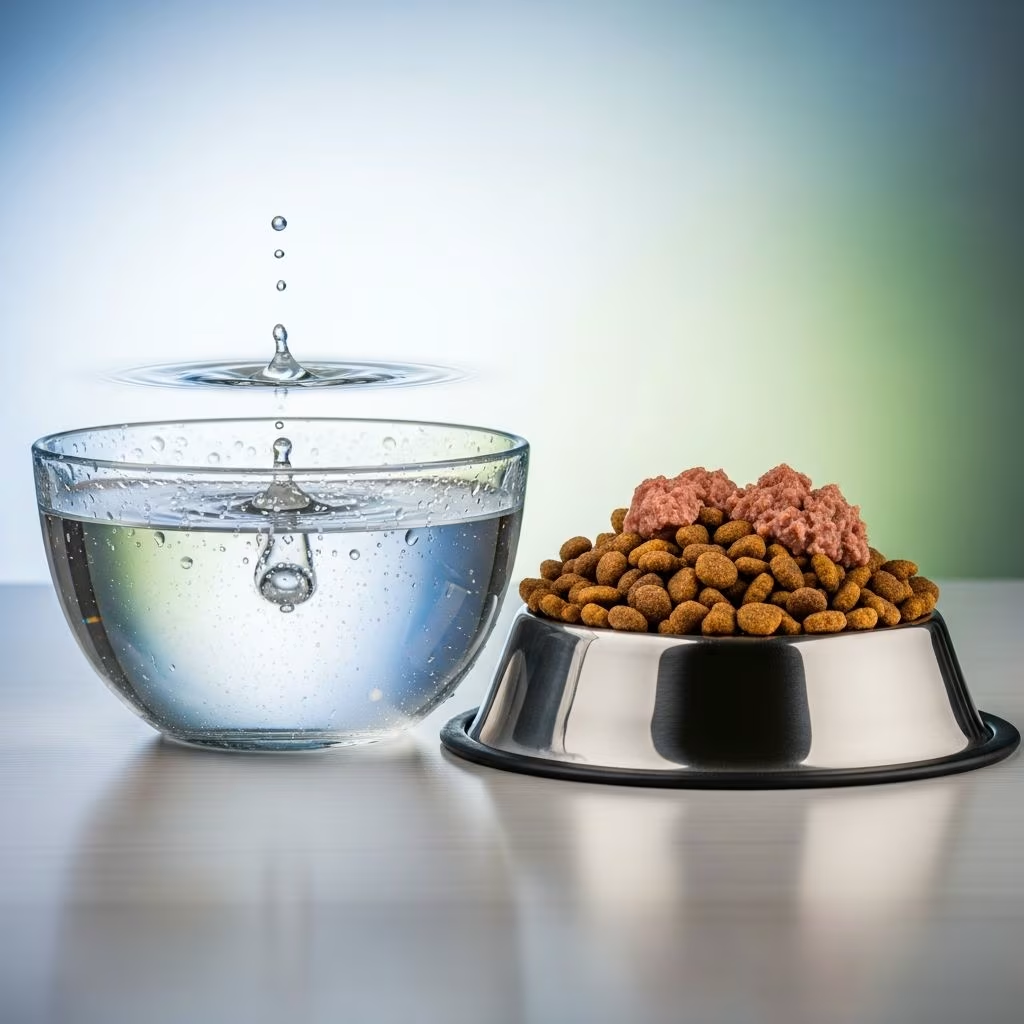
One of the most frequently asked questions by dog owners relates to whether water should be added to their pet’s dry food. This seemingly simple practice carries significant implications for your dog’s health, hydration status, and overall well-being. Understanding the relationship between water intake and dry food consumption is crucial for pet owners who want to make informed decisions about their dog’s nutrition.
The Role of Hydration in Canine Health
Proper hydration is fundamental to maintaining healthy bodily functions in dogs. Water supports digestion, nutrient metabolism, and temperature regulation. Many dog owners struggle with ensuring their pets consume adequate water, particularly those who feed exclusively dry kibble. Dogs that do not naturally drink sufficient water throughout the day face increased risks of dehydration, which can lead to serious health complications.
When dogs become dehydrated, their bodies cannot perform essential physiological processes efficiently. Chronic dehydration in dogs can result in kidney problems, urinary tract infections, and in severe cases, heatstroke. This is particularly concerning during warmer months or for dogs with existing health conditions. By incorporating water into feeding routines, pet owners can help ensure their companions maintain optimal hydration levels without relying solely on voluntary water consumption.
Understanding Digestive Benefits of Moisture Content
Adding water to dry kibble directly influences the digestive process. When moisture is introduced to dry food, the kibble begins to break down before reaching the stomach, allowing digestive enzymes to work more efficiently. Hydrated food becomes easier for the stomach to process, facilitating smoother digestion and better nutrient absorption.
This benefit proves particularly valuable for certain dog populations:
- Senior dogs whose digestive systems may not function as robustly as in younger years
- Puppies whose developing digestive tracts require gentler nutrition
- Dogs with pre-existing gastrointestinal sensitivities or conditions
- Dogs recovering from illness who may have compromised digestive capacity
The softened texture allows for easier swallowing and reduces the risk of gastrointestinal problems such as constipation or bloating. However, recent research suggests this practice warrants careful consideration, as the relationship between water-softened food and digestive health is more complex than previously assumed.
Palatability and Appetite Stimulation
Dogs experience taste and texture preferences similar to humans. Some canines find dry kibble unappetizing, which can lead to reduced food intake and potential nutritional deficiencies. Adding water enhances the aroma and flavor of dry kibble, making meals more enticing.
This characteristic proves especially beneficial for:
- Picky eaters who refuse dry food entirely
- Dogs recovering from illness with reduced appetite
- Senior dogs experiencing diminished taste sensitivity
- Dogs transitioning to new food varieties
The increased palatability encourages consistent food intake, which ensures dogs receive adequate nutrition. This becomes particularly important when dogs are underweight or recovering from medical procedures requiring enhanced caloric intake.
Dental Health Considerations: A Double-Edged Practice
The impact of water-softened food on dental health presents a complex paradox. Dry kibble possesses an inherent abrasive quality that helps remove plaque and tartar from tooth surfaces as dogs chew. The crunchy texture of dry food aids in scraping away plaque and tartar. Regular consumption of crunchy kibble supports better oral health and can reduce gingivitis development.
However, when kibble is moistened with water, it loses this beneficial abrasive characteristic. The soft, mushy texture provides minimal mechanical cleaning action. For dogs without existing dental problems, feeding moistened food regularly may contribute to increased plaque accumulation over time, potentially leading to gingivitis and tooth decay.
Pet owners must weigh whether the benefits of enhanced palatability and easier consumption outweigh the loss of natural dental maintenance. For dogs with healthy teeth, maintaining some portion of dry food in their diet may help preserve oral health.
Food Safety and Bacterial Contamination Risks
One of the most significant concerns with adding water to dry dog food involves bacterial growth and food spoilage. Once water is added, the moisture creates an environment conducive to bacteria, especially if the food is left out for too long. This represents a critical food safety issue that many pet owners underestimate.
When dry kibble absorbs water, the increased moisture content provides ideal conditions for bacterial multiplication. Pathogens can rapidly colonize moistened food left at room temperature. Moistened kibble should not be left out for more than 60 minutes to prevent bacterial growth.
Practical food safety guidelines include:
- Serving moistened kibble immediately after preparation
- Discarding any uneaten portions within 60 minutes
- Refrigerating prepared moistened food if not serving immediately
- Using fresh water each time, never reusing leftover water
- Ensuring food bowls are thoroughly cleaned between feedings
Spoiled food can trigger digestive upset, bacterial infections, and other health complications. Pet owners must remain vigilant about food preparation and storage protocols when incorporating water into feeding routines.
Potential Loss of Nutritional Value
Adding water to kibble may inadvertently dilute some nutrients contained within the food. Certain vitamins and minerals can leach into the water, particularly if left to soak for an extended period. This nutritional loss becomes more pronounced the longer moistened food sits before consumption.
Water-soluble vitamins and minerals migrate from the kibble into the surrounding liquid. If this liquid is discarded rather than consumed with the food, the dog loses the nutritional benefit of these leached substances. Extended soaking periods dramatically increase nutrient loss, making the practice less beneficial for long-term feeding strategies.
To minimize nutritional loss, add water immediately before serving and use the entire mixture, including any liquid. Avoid letting moistened food sit before consumption, as this increases both nutrient loss and bacterial contamination risk.
Recent Research Findings on Water-Softened Kibble
Contemporary research has raised important questions about the practice of softening dry food with water. A significant scientific study examining dogs fed water-softened kibble revealed unexpected findings. Feeding with softened dry food did not provide digestive benefits but caused some stress and posed a potential threat to intestinal health.
The research demonstrated several concerning outcomes:
- Elevated cortisol levels indicating increased stress responses
- Disruptions in intestinal microbiome diversity and composition
- Increased presence of pathogenic bacteria in the digestive tract
- Metabolic disturbances affecting normal bodily functions
- Unfavorable changes in purine metabolism and amino acid processing
Overall, feeding with softened kibble caused higher cortisol levels and generated effects of higher intestinal microbial diversity in dogs, but it caused an increase in some pathogenic bacteria, which may result in intestinal microbiome disturbance. Based on these findings, softened kibble is not recommended for regular feeding of dogs.
These research results suggest that the common practice of moistening kibble may not be as beneficial as traditionally believed and could potentially cause more harm than good in many situations.
Weight Management Through Volume Increase
Pet obesity represents a growing health concern affecting numerous dogs today. Obesity leads to various health issues like diabetes, joint problems, and cardiovascular diseases. Adding water to food provides a novel approach to weight management without reducing caloric intake.
When water is mixed into kibble, the total volume of food increases substantially without adding calories. The added water increases the volume of the food, which can help your dog feel fuller without consuming extra calories. This enhanced satiety effect helps dogs feel satisfied after meals, reducing their tendency to beg for additional food between feedings.
For dogs prone to overeating or those actively working toward weight loss, this strategy provides a practical tool. The psychological satisfaction of consuming a larger meal volume, combined with the same caloric content, supports sustained dietary compliance and healthy weight management.
Urinary Tract Health and Disease Prevention
Increased water intake plays a crucial role in maintaining urinary tract health. Increasing a dog’s water intake through dry food can help dilute their urine, reducing the concentration of minerals that can lead to bladder stone or crystal formation. This preventive benefit proves especially valuable for breeds predisposed to urinary issues.
Certain dog breeds face higher risks of urinary tract problems, including Dalmatians, Bulldogs, and Miniature Schnauzers. For these breeds, ensuring adequate water consumption becomes a health priority. By incorporating water into daily feeding routines, owners can help prevent painful and costly urinary tract infections and stone formation.
However, this potential benefit must be weighed against the risks identified in recent research regarding pathogenic bacteria and microbiome disruption.
Dental Health Benefits and Concerns: A Detailed Analysis
| Aspect | Dry Food | Moistened Food |
|---|---|---|
| Plaque Removal | Excellent mechanical action | Minimal to no mechanical action |
| Tartar Prevention | Naturally supported | Reduced effectiveness |
| Gum Health | Generally improved | May decline over time |
| Ease of Consumption | Difficult for dogs with dental disease | Easier for compromised teeth |
| Choking Risk | Higher with rapid eating | Reduced due to softer texture |
Practical Guidelines for Safe Implementation
If you determine that adding water to your dog’s food aligns with their specific needs, following proper protocols ensures maximum safety and benefit:
- Use clean, fresh water: Tap water or filtered water works well; avoid water with additives or contaminants
- Serve immediately: Prepare moistened food just before your dog’s mealtime
- Monitor consumption: Watch your dog eat and remove uneaten food after 15-20 minutes
- Adjust portions: Account for water volume when calculating daily caloric intake
- Clean bowls thoroughly: Wash bowls with hot water after each meal
- Observe your dog: Monitor for digestive changes, skin issues, or behavioral shifts
- Consult your veterinarian: Discuss this practice with your vet, especially for dogs with existing health conditions
Making an Informed Decision for Your Dog
The decision to add water to your dog’s dry food should be based on your individual dog’s needs, age, health status, and circumstances. Deciding whether to add water to your dog’s dry food ultimately depends on your dog’s individual needs and preferences.
Consider adding water to kibble if your dog:
- Consistently refuses to drink adequate water independently
- Has difficulty chewing due to age or dental disease
- Is recovering from illness with reduced appetite
- Is prone to urinary tract infections or stone formation
- Requires weight management through volume increase
Avoid this practice if your dog:
- Has healthy teeth and normal dental status
- Drinks adequate water throughout the day
- Has a history of digestive sensitivities
- Shows signs of stress or behavioral changes with texture modifications
- Is at risk for pathogenic bacterial colonization
Frequently Asked Questions
How much water should I add to kibble?
The amount of water varies based on preference and purpose. Generally, add enough water to soften the kibble without creating soup. A 1:1 or 2:1 water-to-kibble ratio works for most situations. Adjust based on your dog’s individual preference and the kibble type.
What type of water is best?
Clean tap water or filtered water are appropriate choices. Avoid adding salt, broth with additives, or water containing supplements unless specifically recommended by your veterinarian, as additional ingredients may complicate digestion.
Can I prepare moistened food in advance?
Avoid preparing moistened food more than a few minutes before serving. If you must prepare ahead, refrigerate the mixture and use within 24 hours. Always reheat refrigerated food slightly before serving to improve palatability and reduce digestive stress.
Will adding water cause diarrhea?
Adding water to kibble does not directly cause diarrhea in most dogs. However, excess water can dilute stomach acids and enzymes critical for food breakdown, potentially causing digestive upset. Start with small amounts of water and gradually increase if your dog tolerates it well.
Is this practice suitable for all dog ages?
Moistened kibble may benefit puppies and senior dogs, but recent research suggests caution. Consult your veterinarian about the appropriateness for your dog’s specific life stage and health status.
Conclusion: Balancing Benefits and Risks
Adding water to dry dog food presents both potential advantages and notable risks that require careful consideration. While the practice can enhance palatability, improve hydration, and ease consumption for dogs with certain needs, it also carries risks related to food spoilage, dental health, nutrient loss, and emerging research suggesting potential microbiome disruption.
The most prudent approach involves consulting with your veterinarian to determine whether this practice suits your individual dog’s health profile and needs. Recent research findings recommend cautious implementation and suggest that for many dogs, maintaining kibble in its dry form may be preferable.
Your dog’s unique circumstances, health history, and individual characteristics should guide feeding decisions rather than general recommendations.
References
- Effects of Softening Dry Food with Water on Stress Response and Fecal Microbiota in Dogs — National Center for Biotechnology Information (NCBI/PMC). 2022. https://pmc.ncbi.nlm.nih.gov/articles/PMC9697261/
- Is Dry Dog Food Supposed to Be Mixed with Water? Exploring the Benefits and Drawbacks — Houndsy. 2024. https://www.houndsy.com/blogs/modern-tails/is-dry-dog-food-supposed-to-be-mixed-with-water-exploring-the-benefits-and-drawbacks
- Pros and Cons of Putting Water in Kibble for Dogs — Now Fresh. 2024. https://nowfresh.com/en-eu/blog/pros-and-cons-of-putting-water-in-kibble-for-dogs
- Benefits of Adding Water to Your Dog’s Dry Food — Good Dog People. 2024. https://gooddogpeople.com/blogs/dog-talk/benefits-of-adding-water-to-your-dog-s-dry-food
- Does Adding Water to Dry Dog Food Cause Diarrhea: Understanding the Effects on Your Dog’s Health — Houndsy. 2024. https://houndsy.zendesk.com/hc/en-us/articles/38927939819419-Does-Adding-Water-to-Dry-Dog-Food-Cause-Diarrhea-Understanding-the-Effects-on-Your-Dog-s-Health
- Should You Moisten Dry Dog Food? Exploring the Benefits and Drawbacks — Houndsy. 2024. https://www.houndsy.com/blogs/modern-tails/should-you-moisten-dry-dog-food-exploring-the-benefits-and-drawbacks



