

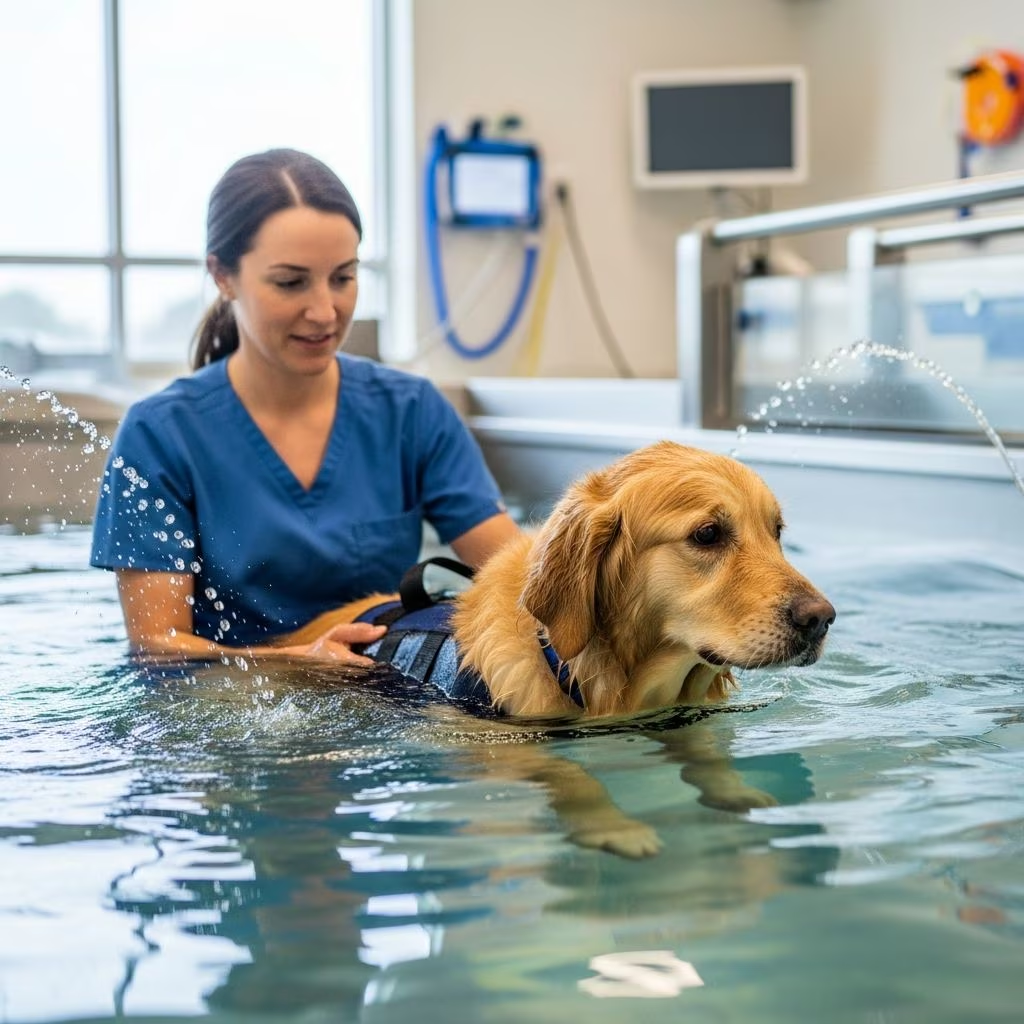
Water-based therapeutic interventions have emerged as a significant tool in canine rehabilitation and preventive health care. This therapeutic modality harnesses the unique properties of aquatic environments to facilitate healing, strengthen musculature, and improve overall fitness in dogs across all life stages. Whether addressing post-surgical recovery, managing chronic joint conditions, or supporting weight loss initiatives, aquatic therapy offers a multifaceted approach to canine wellness that complements traditional veterinary treatment protocols.
Understanding the Mechanics of Aquatic Therapy
The fundamental principle underlying water-based therapy for dogs centers on buoyancy and hydrostatic pressure. When dogs enter water environments, the buoyant force counteracts gravitational forces acting on their bodies, effectively reducing the load placed on joints and skeletal structures. This physics-based mechanism allows canines to perform therapeutic movements and exercise routines with significantly diminished joint stress compared to land-based activities.
The warm temperature maintained in therapeutic pools—typically between 80 and 90 degrees Fahrenheit—plays an equally important role in the therapeutic process. Elevated water temperatures promote enhanced circulation throughout the body, facilitate muscle relaxation, and create an environment conducive to pain reduction and tissue healing. The thermal properties combined with the gentle resistance provided by water create a uniquely supportive medium for therapeutic intervention.
Water resistance differs fundamentally from gravity-based resistance. As dogs move through water, they encounter consistent, multidirectional resistance that engages stabilizer muscles and promotes coordinated muscular development. This resistance increases proportionally with movement speed and intensity, allowing therapists to modulate exercise difficulty without requiring specialized equipment or modifications.
Primary Applications in Canine Health Management
Post-Surgical Rehabilitation and Recovery
Following surgical procedures, dogs experience muscular atrophy, reduced range of motion, and compromised strength in affected areas. Traditional land-based exercise during early recovery phases poses substantial risks of re-injury and delayed healing. Aquatic environments provide a protected space where surgical patients can gradually rebuild muscular capacity while minimizing stress on healing tissues. The controlled nature of aquatic therapy allows veterinarians to prescribe precisely calibrated exercise intensity during critical recovery windows. Increased circulatory flow promotes faster tissue healing and reduces post-operative swelling and inflammation, accelerating the transition to full functional recovery.
Degenerative Joint Conditions and Arthritis Management
Dogs experiencing arthritis, hip dysplasia, or other progressive joint conditions face a therapeutic paradox: exercise is necessary for maintaining joint function and muscular support, yet traditional exercise often exacerbates pain and inflammation. Water-based therapy resolves this conflict by enabling therapeutic movement without pain amplification. The buoyant support reduces compressive forces on arthritic joints while the warm water alleviates stiffness and promotes fluid movement. Dogs with chronic joint conditions often demonstrate marked improvements in mobility and comfort levels following regular aquatic therapy sessions.
Weight Management and Metabolic Health
Obesity in dogs contributes to multiple health complications including elevated joint stress, cardiovascular strain, and metabolic dysfunction. Conventional weight-loss approaches often prove ineffective because overweight dogs struggle with land-based exercise, creating a self-perpetuating cycle of reduced activity and continued weight gain. Water-based exercise circumvents this barrier by allowing overweight dogs to perform high-intensity workouts without experiencing joint pain or excessive fatigue. The resistance properties of water create calorie-burning environments equivalent to or exceeding land-based exercise intensity, while the supportive buoyancy prevents injury. This combination makes aquatic therapy particularly valuable for dogs requiring significant weight reduction.
Neurological Condition Management
Dogs experiencing neurological disorders affecting coordination, balance, or proprioception benefit substantially from aquatic environments. The three-dimensional support provided by water accommodates dogs struggling with these functions, allowing them to move more freely while minimizing fall risk. The resistance and sensory feedback from water stimulate proprioceptive awareness and support neurological adaptation and recovery.
Specific Therapeutic Modalities and Techniques
Underwater Treadmill Sessions
Underwater treadmill therapy represents a controlled, progressive approach to aquatic rehabilitation. Dogs walk or run on submerged treadmill surfaces while water surrounds their bodies, providing buoyant support and resistance. This modality allows precise control over exercise parameters including speed, duration, and water depth. Therapists can incrementally adjust water levels to modulate the buoyancy effect, progressively increasing exercise intensity as strength improves. The repetitive, rhythmic nature of treadmill walking promotes coordinated muscular engagement and facilitates neuromuscular re-education, particularly beneficial for post-surgical or neurologically compromised patients.
Freeform Swimming Protocols
Swimming sessions provide less structured but often more engaging therapeutic experiences. Dogs swimming at their own pace utilize diverse muscle groups and develop three-dimensional movement patterns. Swimming engages the entire body musculature including core stabilizers, front and rear limb muscles, and trunk extensors. Many dogs find swimming enjoyable and rewarding, enhancing compliance with therapeutic protocols. Swimming sessions work particularly well for dogs with advanced mobility or those requiring more vigorous cardiovascular conditioning.
Measurable Therapeutic Outcomes
Clinical observations and owner reports consistently demonstrate quantifiable improvements following aquatic therapy regimens:
- Enhanced range of motion in affected joints within 2-4 weeks of consistent treatment
- Improved muscular strength and endurance supporting better locomotion
- Reduced pain indicators including decreased limping and increased activity levels
- Weight loss achievements in overweight patients without land-based exercise limitations
- Improved cardiovascular fitness reflected in enhanced exercise tolerance
- Increased flexibility and reduced stiffness, particularly in older dogs
- Accelerated post-operative recovery timelines compared to traditional protocols
- Enhanced proprioceptive awareness and coordination in neurologically affected dogs
Safety Considerations and Risk Mitigation
Pre-Treatment Health Assessment
Not all dogs represent suitable candidates for aquatic therapy. Dogs with unresolved infections including ear infections, skin infections, or urinary tract infections require complete healing before beginning therapy. Open wounds and active dermatological conditions may worsen with water exposure. Dogs with serious cardiac conditions may face complications from the cardiovascular demands of aquatic exercise. Comprehensive veterinary evaluation establishing a dog’s suitability for therapy represents an essential prerequisite step.
Infection Control and Water Quality
Therapeutic pool maintenance directly impacts safety and efficacy. Inadequately chlorinated or poorly maintained water poses serious infection risks including bacterial and fungal dermatological conditions. Reputable hydrotherapy facilities maintain rigorous sanitation protocols, regularly test water chemistry, and implement thorough cleaning schedules between sessions. Selecting facilities meeting high cleanliness standards significantly reduces infection-related complications.
Supervision and Monitoring Protocols
Constant, attentive supervision throughout aquatic sessions remains non-negotiable. Professional hydrotherapists maintain poolside or in-water presence throughout entire sessions, monitoring for signs of distress, respiratory compromise, or unusual behavior. Water inhalation poses serious risks including pneumonia and water intoxication. Therapists must immediately remove dogs showing respiratory distress, excessive fatigue, or anxiety symptoms. Proper supervision also prevents accidental drowning and ensures appropriate exercise intensity maintenance.
Ear Health Protection
Water entering the ear canal creates environments conducive to bacterial proliferation and infection development. Dogs with histories of chronic ear infections may experience recurrent problems with regular water exposure. While not an absolute contraindication, ear health considerations warrant careful monitoring and potential prophylactic measures including post-session ear drying protocols.
Comparison: Underwater Treadmill vs. Swimming Therapy
| Characteristic | Underwater Treadmill | Swimming |
|---|---|---|
| Exercise Control | Highly controlled, precise parameters | Less structured, dog-paced |
| Muscle Groups Engaged | Primary limb movers, repetitive patterns | Full-body, diverse movement patterns |
| Ideal For | Post-surgical recovery, early rehabilitation | Advanced conditioning, cardiovascular fitness |
| Dog Engagement Level | Moderate, routine-based | Often higher, play-based enjoyment |
| Progression Difficulty | Easy to adjust intensity incrementally | Requires session duration/distance modification |
| Monitoring Ease | Therapist maintains close proximity | Requires poolside vigilance |
Establishing Effective Treatment Protocols
Successful aquatic therapy outcomes depend on individualized treatment planning rather than standardized approaches. Initial comprehensive assessments by certified canine hydrotherapists evaluate the specific condition, identify therapeutic objectives, and establish appropriate session frequencies and durations. Treatment frequency varies substantially based on condition severity, recovery goals, and individual dog responses. Some dogs demonstrate measurable improvement within several sessions, while others require extended protocols spanning weeks or months. Certified professionals structure progressive protocols, gradually advancing exercise intensity and complexity as dogs demonstrate improvement.
Communication between veterinary professionals and hydrotherapists proves essential for optimal outcomes. Veterinarians provide diagnostic information, therapeutic parameters, and restrictions. Hydrotherapists deliver detailed progress reports and clinical observations informing ongoing veterinary management decisions. This collaborative approach ensures therapeutic protocols remain aligned with medical objectives throughout the treatment course.
Frequently Asked Questions
Which dogs benefit most from aquatic therapy?
Dogs experiencing joint conditions, post-operative recovery needs, weight management challenges, or mobility limitations typically show the most substantial benefits. Senior dogs, dogs with arthritis, post-surgical patients, and overweight dogs represent primary beneficiary populations. However, dogs across diverse health statuses may benefit from aquatic therapy’s preventive and fitness-enhancing properties.
Is aquatic therapy safe for all dogs?
While generally safe when conducted by certified professionals under appropriate conditions, certain situations contraindicate aquatic therapy. Dogs with unresolved infections, cardiac conditions, or severe anxiety may not be suitable candidates. Individual veterinary clearance remains essential before beginning therapy.
How frequently should dogs participate in aquatic therapy?
Treatment frequency depends on the specific condition, severity, and therapeutic objectives. Initial protocols often include 2-3 sessions weekly, with modifications based on individual progress and veterinary recommendations. Maintenance protocols may involve less frequent sessions once therapeutic goals are achieved.
How long before visible improvements appear?
Individual response timelines vary considerably. Some dogs demonstrate improved mobility and reduced pain within 2-4 sessions, while others require longer treatment courses. Consistency proves more important than session frequency, with regular attendance producing superior outcomes compared to sporadic participation.
Can aquatic therapy replace traditional veterinary treatment?
Aquatic therapy functions as a complementary component within comprehensive treatment plans rather than a replacement for veterinary care. It works most effectively when integrated with surgical interventions, pharmaceutical management, physical rehabilitation, and other veterinary recommendations.
References
- How Hydrotherapy and Swimming Can Benefit Dogs — PetMD. 2024. https://www.petmd.com/dog/general-health/how-hydrotherapy-and-swimming-can-benefit-dogs
- The Science of Hydrotherapy for Dogs: Water Workouts for Recovery — Alpha Rehab and Fitness. 2024. https://www.alpharehabandfitness.com/blog/the-science-behind-hydrotherapy-for-dogs-how-water-workouts-support-recovery
- Dog Hydrotherapy: What You Can Expect — RehabVet Clinic. 2024. https://rehabvet.com/blog/dog-hydrotherapy-what-you-can-expect/
- Benefits Of Hydrotherapy For Dogs — Mindful Veterinary Care. 2024. https://mindfulveterinary.com/blog/dive-into-wellness-the-transformative-benefits-of-hydrotherapy-for-dogs/
- How Does Hydrotherapy for Dogs Work? — Canine Aquatic Center. 2024. https://mycanineaquaticcenter.com/how-does-hydrotherapy-for-dogs-work/
- Hydrotherapy for Dogs: Definition & Benefits — MetLife Pet Insurance. 2024. https://www.metlifepetinsurance.com/blog/pet-health/hydrotherapy-for-dogs/
- Hydrotherapy for Dogs: A Growing Trend in Canine Physical Therapy — Animal Wellness OC. 2024. https://animalwellnessoc.com/hydrotherapy-for-dogs/



