

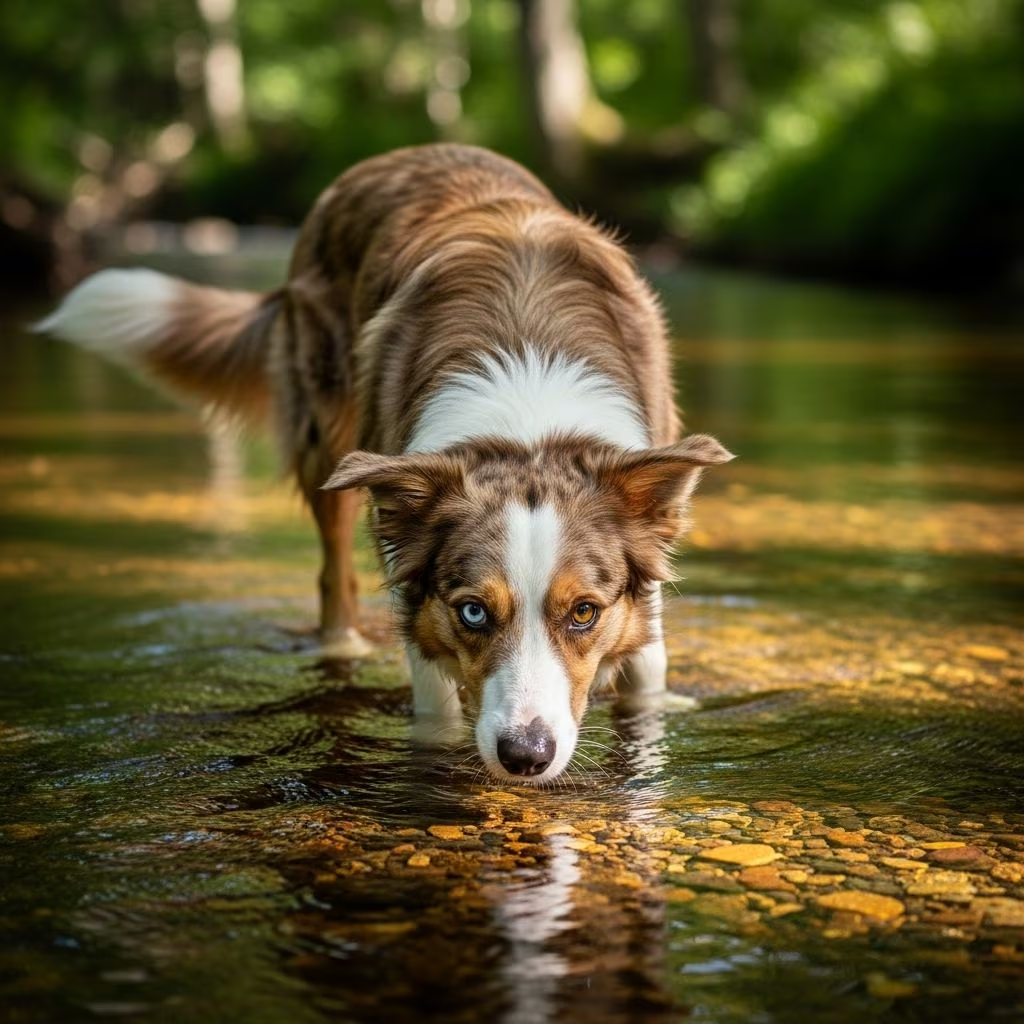
Many dog owners encounter a puzzling behavior: their otherwise confident canine companion becomes anxious, trembling, or resistant when encountering water. Whether during bath time, a rainy day, or a trip to the beach, some dogs display marked apprehension toward water that can complicate their care routines and limit their outdoor activities. This behavioral response, commonly referenced as water aversion, is distinct from the medical condition associated with rabies in humans and deserves careful consideration from pet owners seeking to improve their dog’s quality of life.
Distinguishing Water Aversion From Other Conditions
A critical distinction exists between water aversion as a behavioral response and the medical phenomenon sometimes confused with it. While the term “hydrophobia” historically refers to a late-stage symptom of rabies characterized by throat muscle spasms that prevent swallowing, this neurological condition is exceptionally rare in dogs. In fact, veterinary research confirms that true hydrophobia is not considered a recognized sign of rabies in canines.[10] Instead, what pet owners typically observe is a genuine psychological fear or learned avoidance of water that stems from environmental, experiential, or temperamental factors unrelated to disease.
This distinction matters significantly because it allows owners to approach water aversion as a trainable behavioral issue rather than a medical emergency. Understanding that a dog’s reluctance to enter water or bathe is psychological in nature opens the door to constructive intervention strategies grounded in behavioral modification principles.
The Origins of Water Reluctance in Canines
Dogs develop water aversion through multiple pathways, and identifying the underlying cause can inform your training approach. The most common origin involves insufficient early exposure during critical developmental windows. Puppies who spend their early weeks and months in environments with limited water contact—whether due to indoor-only living, geographic location, or caretaker habits—may fail to develop comfort with aquatic environments. This lack of early socialization creates a knowledge gap that becomes increasingly difficult to bridge as the dog matures.
Negative experiences constitute another significant contributor to water fear. A dog who has experienced an alarming bathing incident, such as water entering their nose or ears unexpectedly, slipping in a tub, or being forcefully restrained during grooming, may develop lasting associations between water and threat. These traumatic memories can persist for years, influencing the dog’s behavior during any subsequent water contact.
Genetic predisposition and individual temperament also play roles in water aversion. Some dogs, particularly those with naturally anxious or cautious dispositions, may be more prone to developing fear responses to novel or mildly uncomfortable stimuli. Additionally, certain breeds with specific coat types or physical characteristics—such as dogs with sensitive skin or those with respiratory considerations—may have legitimate physical reasons to avoid water contact, creating or reinforcing behavioral patterns.
Environmental factors, including unfamiliarity with rainy conditions, lack of exposure to puddles or water features, and limited outdoor time during their formative months, contribute to water wariness in adult dogs. Dogs who grow up in arid climates or urban environments with minimal water exposure may simply lack the normalized familiarity that promotes comfort with aquatic environments.
Recognizing Signs of Water Fear in Your Dog
Water aversion manifests through observable behavioral and physiological indicators that attentive owners can identify. These signs range from subtle avoidance to overt distress responses:
- Avoidance behaviors: Your dog may refuse to enter rooms where bathing occurs, decline to walk on wet surfaces, or position themselves away from water sources. They might exhibit reluctance to go outside during rain or snow, essentially confining themselves indoors to escape precipitation contact.
- Anxiety indicators: Visible tension appears through a tucked tail, lowered body posture, and ears pressed backward against the head. These postural changes communicate fear and submission.
- Vocalization: Whining, whimpering, or barking in proximity to water situations expresses emotional distress. Some dogs produce a continuous worried vocalization when sensing an impending bath or water encounter.
- Physiological stress markers: Excessive panting, drooling, and trembling indicate elevated stress hormones. Dilated pupils and restlessness further signal an anxious state.
- Resistance and struggle: When brought near water, an averse dog may pull away, attempt escape, or physically resist being placed in a bathing situation. They may cling to surfaces or attempt to climb out of tubs.
- Complete immobility: Some dogs respond to water fear through freezing behavior, remaining motionless as a defensive strategy.
The intensity of these responses varies considerably among individual dogs. Some display mild reluctance managed with patience, while others experience acute distress requiring systematic desensitization approaches.
The Impact of Water Aversion on Daily Life
Water fear extends consequences beyond inconvenience during bathing sessions. Dogs with pronounced water aversion may refuse outdoor bathroom breaks during rain or snowy weather, creating hygiene and training challenges. This reluctance can compromise house-training efforts, particularly in younger dogs or those in climates with frequent precipitation. Additionally, limited outdoor time due to weather-related water avoidance reduces physical exercise and mental stimulation, potentially contributing to weight gain, decreased cardiovascular fitness, and behavioral problems stemming from inadequate enrichment.
Social limitations also emerge from water aversion. Dogs fearful of water may miss opportunities for swimming, beach visits, or water-based recreational activities that could enhance their fitness and provide valuable mental engagement. The stress associated with forced water contact can also strain the owner-pet relationship, particularly when bathing becomes a struggle rather than a cooperative grooming session.
Building Positive Water Associations Through Gradual Exposure
Successful treatment of water aversion relies on systematic desensitization combined with counterconditioning—teaching your dog to associate water with positive outcomes rather than threat. This process demands patience, consistency, and commitment to moving at your individual dog’s pace rather than adhering to arbitrary timelines.
Begin with indirect water exposure that carries minimal threat. Leave a water bowl in accessible locations throughout your home, allowing your dog to encounter water in low-pressure contexts. Praise and reward any voluntary investigation of the bowl. During outdoor walks, position yourself near puddles, ditches, or other water features without forcing interaction. Simply being present near water in a calm, positive context begins reframing the canine perception of aquatic environments.
Progress to controlled auditory exposure before introducing physical contact. Sit with your dog near a bathroom where you run water from the sink, speaking in calm, reassuring tones. Pair this sound exposure with high-value treats and praise. Gradually increase the volume and duration of water sounds while maintaining a relaxed demeanor that communicates safety to your anxious companion.
When transitioning to direct water contact, begin with the least invasive application. Using a spray bottle at a distance, lightly mist your dog while simultaneously offering treats and verbal encouragement. Many dogs find this less threatening than immersion. Alternatively, apply water to a washcloth and gently touch it to their paws or legs during a positive interaction, immediately rewarding their tolerance.
Bathing protocol modifications can ease the transition to tub acceptance. Lower the water level substantially, allowing your dog to stand with significant portions of their body above the water line. Use warm (not hot) water and avoid directing water toward the face, which many dogs find particularly aversive. Some owners find success introducing dogs to bathing in shallow outdoor kiddie pools or using a handheld showerhead that provides more control than traditional faucets.
Behavioral Training Strategies for Water Comfort
Structured training sessions separate from actual bathing can independently build water comfort. Create positive associations by allowing your dog to explore a dry bathtub at their own pace, rewarding them for entering and remaining in the space. Close the bathroom door while your dog is in the tub, praising them for tolerating confinement in the bathing area. Gradually introduce the sound of running water without any physical application, rewarding calm responses.
The introduction of high-value reinforcement cannot be overstated. Identify treats your dog finds irresistible—not everyday kibble, but special rewards reserved exclusively for water-related training. Consistently pairing water encounters with these exceptional treats creates neurochemical associations in the canine brain that counter fearful responses. Food-motivated dogs particularly benefit from this classical conditioning approach.
Environmental modification also supports behavioral progress. Installing non-slip surfaces in bathing areas reduces the physical instability that contributes to bath anxiety. Using pet-specific grooming tables or elevated basins allows you to bathe your dog at a comfortable working height without requiring them to enter a large, echoing tub. Some dogs respond better to outdoor bathing using a gentle hose or bucket method that feels less confined than traditional indoor bathing.
Consistency in training proves essential for lasting behavioral change. Brief, positive daily exposures outperform occasional intense bathing sessions in terms of neurological conditioning. Even five minutes daily of water-related positive experiences can produce measurable progress over weeks and months of sustained effort.
Managing Weather-Related Water Avoidance
For dogs reluctant to venture outside during rain or snow, strategic environmental management becomes necessary. Establish designated potty areas that might include covered porches, awnings, or sheltered locations where precipitation exposure is minimized. Gradually extend outdoor time in light precipitation while maintaining a calm, matter-of-fact demeanor that communicates to your dog that rain is not a threat.
Protective clothing can ease the transition to wet-weather outdoor time. Fitted doggy raincoats or waterproof jackets provide both practical water protection and psychological comfort for some anxious dogs. The physical boundary of a protective garment sometimes reduces the immediacy of water contact, allowing dogs to gradually acclimate to wet conditions.
When Professional Support Becomes Necessary
Severe cases of water aversion that resist owner-directed behavior modification may benefit from professional intervention. Certified dog trainers specializing in anxiety disorders can implement advanced desensitization protocols and identify underlying factors that self-directed training might miss. Veterinary behaviorists—veterinarians with specialized training in behavioral medicine—can assess whether underlying medical conditions contribute to water avoidance and may recommend anxiety-reducing medications as adjunctive supports during behavioral retraining.
Frequently Asked Questions
Is water aversion in dogs related to rabies?
No. True hydrophobia, a symptom of rabies characterized by throat muscle spasms, is exceptionally rare in dogs and unrelated to behavioral water aversion. A dog’s fear of water is a psychological issue, not a medical emergency suggesting rabies exposure.
Can water aversion develop suddenly in an adult dog?
Yes. A single negative experience with water—such as water entering the nose during bathing or a frightening incident near a water body—can trigger water aversion in previously comfortable dogs. Additionally, aging-related changes in sensory perception or joint pain that worsens with cold water can create apparent water avoidance in mature dogs.
How long does it take to overcome water aversion?
Timeline varies considerably based on the severity of fear, the dog’s individual temperament, and training consistency. Mild water reluctance may improve within weeks of systematic positive exposure, while deeply rooted fears may require months of patient, continuous effort. Genetic predisposition toward anxiety may necessitate extended timelines or professional support.
Are certain dog breeds more prone to water aversion?
While individual temperament varies more than breed characteristics, some breeds with coat types that absorb water heavily or dogs with lower ground clearance may experience physical discomfort during bathing that creates learned avoidance. Toy breeds and dogs with longer coats sometimes display more pronounced water reluctance, though this reflects individual variation rather than breed-specific fear.
Should I force my dog into water to overcome their fear?
Forcing water contact typically exacerbates fear responses, reinforcing the dog’s perception that water is genuinely threatening. Systematic gradual exposure with positive reinforcement produces more reliable, lasting behavioral change than confrontational approaches that generate additional trauma and erode trust.
Creating a Path Forward
Water aversion in dogs presents a manageable behavioral challenge when approached systematically and compassionately. By understanding the origins of water fear, recognizing behavioral indicators, and implementing evidence-based desensitization protocols, most owners can facilitate meaningful improvement in their dog’s relationship with water. Patience, consistency, and positive reinforcement create the neurological conditions for behavioral change, ultimately enhancing both the dog’s quality of life and the owner-pet relationship. Whether addressing bathing anxiety, rainy-day reluctance, or general water avoidance, the journey toward comfort begins with a single small, positive exposure and continues with unwavering commitment to progress at your individual dog’s pace.
References
- Rabies Hydrophobia in Dogs and Cats — Penny Paws. 2024. https://pennypaws.com/blog/rabies-hydrophobia-in-dogs-and-cats/
- Hydrophobia: Symptoms, causes, treatment, and more — Medical News Today. 2024. https://www.medicalnewstoday.com/articles/hydrophobia
- Hydrophobia in Dogs: Vet-Verified Signs, Causes & Care Guide — Dogster. 2024. https://www.dogster.com/dog-health-care/hydrophobia-in-dogs
- Rabies in Dogs — VCA Animal Hospitals. 2024. https://vcahospitals.com/know-your-pet/rabies-in-dogs
- Rabies in Dogs – Symptoms, Causes, Diagnosis, Treatment — Wag!. 2024. https://wagwalking.com/condition/rabies
- What is Hydrophobia? How common is it and risk factors — CPD Online. 2024. https://cpdonline.co.uk/knowledge-base/mental-health/what-is-hydrophobia/
- Rabies: Causes, Symptoms, Treatment & Prevention — Cleveland Clinic. 2024. https://my.clevelandclinic.org/health/diseases/13848-rabies



