

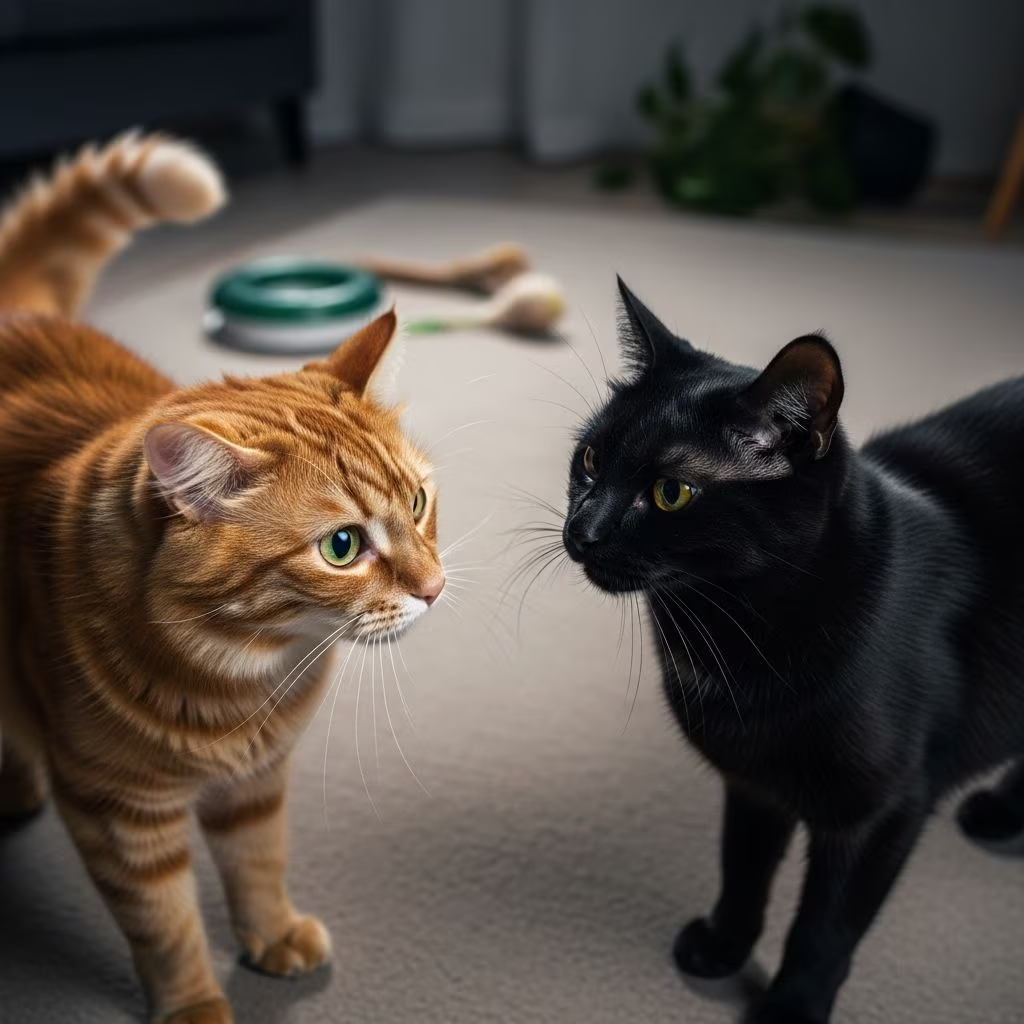
Warning Signs When Introducing Cats
Introducing cats to one another can be a challenging process that requires patience, careful observation, and an understanding of feline behavior. When cats meet for the first time, they may experience stress, fear, or territorial aggression. Recognizing the warning signs early allows you to slow down the introduction process before tensions escalate into serious conflict. By learning to read your cats’ body language, you can create a safer, more successful introduction experience that leads to peaceful coexistence.
Understanding Cat Body Language During Introductions
Cats communicate their emotions through a complex system of body language signals. During introductions, your cats will use their entire body—from their ears and tail to their posture and facial expressions—to tell you how they’re feeling. Understanding these signals is crucial because cats typically display subtle warning signs before they escalate to more aggressive behaviors. By catching these early signals, you can pause the introduction and reduce the intensity, preventing situations where your cats become so frightened or angry that they develop negative associations with each other.
The key to successful cat introductions is recognizing that cats evolved as both predators and prey. When they feel threatened, they instinctively try to protect themselves by either making themselves appear larger and more intimidating or by making themselves smaller and less vulnerable. These survival instincts drive much of what you’ll observe during introductions.
Big Body Language Cues: Clear Signs to Stop
Some warning signs are impossible to miss. When a cat is hissing, growling, swatting, or showing obvious signs of fear or aggression, your cat is essentially yelling “No!” at the situation. These big body language cues indicate that your cat has moved way past their comfort zone, and continuing the introduction at that moment will only make things worse.
Key big body language warning signs include:
- Hissing: A cat hisses when feeling threatened or scared. While brief hissing during a first meeting is common, continued hissing signals that separation is necessary.
- Growling: This is a serious warning vocalization indicating a cat wants to be left alone and may escalate to physical confrontation.
- Swatting: This aggressive behavior is a major red flag showing your cat is ready to fight. Swatting is a precursor to using claws and should always result in immediately stopping the introduction.
- Loud vocalizations: Yowling, howling, or very loud meowing differs from normal communication and signals extreme distress.
When you observe any of these big body language cues, end the session immediately. Do not continue hoping the cats will work it out—they won’t. Instead, create distance between them and plan to try again later with a much lower intensity introduction.
Subtle Body Language Cues: The Early Warning System
Before cats escalate to obvious aggression or fear responses, they display much more subtle signals. These are the cues you want to watch for religiously, as catching them gives you the opportunity to turn down the intensity before things become serious. By responding to subtle signals, you prevent your cats from becoming so stressed that they develop long-term negative associations with each other.
Important subtle body language warning signs include:
- Unwillingness to engage with treats or petting: If either cat suddenly loses interest in treats, toys, or positive interactions they normally enjoy, this indicates stress and discomfort.
- Intense staring: When cats stare directly at each other without blinking or soft-gazing, they’re either afraid of each other or preparing to threaten. This focused, hard stare differs from normal looking around.
- Ears turning to the side or back: Even slight ear movement away from forward-facing position signals discomfort. Flattened ears indicate a cat is either scared or preparing to defend itself.
- Tail changes: A tail shifting from a calm, casual swish to more agitated swishing or flicking indicates rising tension. A puffed-up or bushy tail means the cat is trying to look larger because it feels threatened.
- Fidgeting and restlessness: Cats that can’t settle or keep shifting their position are anxious and uncomfortable.
- Lip licking: This self-soothing behavior often indicates stress or anxiety.
- Twitching skin: Rippling or twitching along the back or sides shows the cat is on edge.
- Tense posture: Any posture that looks more rigid and tense than relaxed—such as a hunched position, arched back, or crouched stance—signals discomfort.
- Trying to appear larger or smaller: Some cats puff up to intimidate; others flatten themselves to avoid confrontation. Both indicate stress.
Specific Body Language Signals to Monitor
Staring and Direct Eye Contact
When cats make direct, intense eye contact with each other, this is often a showdown for dominance or a sign of threat. Normal, relaxed cats have soft gazes and look away frequently. If your cats are locked in an unblinking stare, this is a warning sign that you should separate them and try again later when they’re calmer.
Flattened and Pinned Ears
A cat’s ears provide important information about their emotional state. Flat or pinned-back ears mean your cat is either scared or preparing to defend itself aggressively. The more flattened the ears, the more distressed the cat.
Tail Behavior
A cat’s tail is one of the most expressive parts of their body. During introductions, watch for:
- Swishing tails that move like windshield wipers—a sign the cat is unhappy or agitated
- Puffed-up or bushy tails indicating the cat feels threatened and is trying to appear larger
- Tucked tails showing the cat is in defense mode and trying to make itself smaller
Overall Body Posture
A cat’s entire body communicates their emotional state. An unhappy cat may stiffen up, arch their back like a Halloween cat, or assume a crouched, defensive position. Conversely, a relaxed and comfortable cat has loose, natural posture with no tension visible.
Why Cats Show Aggression During Introductions
Understanding the root cause of aggressive behavior during introductions helps you approach the process with more compassion and effectiveness. Aggression in new cats is a natural, instinctual behavior that cats have developed over thousands of years of evolution. For cats, territorial behavior and resource protection are survival mechanisms.
When a new cat enters your resident cat’s space, your established cat perceives this as a potential threat to their safety and access to essential resources like food, water, litter boxes, and safe resting spots. The new cat, in turn, feels vulnerable and defensive in an unfamiliar environment with an unfamiliar feline.
By slowly introducing cats and demonstrating that they’re not in danger, you gradually change their perception. Ensuring that you provide multiple resources spread throughout your home—multiple litter boxes, food and water bowls, hiding spots, and resting areas—shows both cats they have what they need to survive without competition.
Dilated Pupils and Other Physical Stress Indicators
Beyond body language and vocalizations, certain physical changes indicate a cat is stressed or frightened during introductions. These include:
- Dilated pupils: When a cat’s pupils are very wide or dilated, it signals fear, hypervigilance, or heightened alertness. This is a clear indication that stress levels are too high.
- Fur standing on end: Piloerection, or hair standing on end, happens when cats feel threatened and are trying to appear larger.
- Bared teeth: If you can see a cat’s teeth or they’re snarling, this is an advanced warning sign of imminent aggression.
- Rigid body posture: Stiffness throughout the body indicates tension and potential aggression.
- Excessive grooming: After a stressful introduction, cats may groom themselves excessively as a self-soothing behavior.
Managing Stress and Prevention Strategies
The best approach to introductions is preventing situations where stress escalates. Move slowly and steadily from the beginning rather than trying to fix a relationship that started off on the wrong paw. Never force the process. Just like people, cats need time to warm up to new relationships.
When you notice any warning signs, take a step back. Close the door, lower the blanket separating them, or otherwise put distance between the cats. This isn’t failure—it’s exactly what successful introductions require. Going slower at the beginning typically results in faster progress overall because you’re preventing the development of negative associations.
Remember that some cats may hide when stressed or overwhelmed, or they may show other signs of anxiety such as changes in eating and toileting habits. These responses should also prompt you to slow down the introduction process and give your cats more time apart.
Post-Introduction Concerns
Sometimes behavioral changes emerge after cats have been together for a bit. One concerning sign is if a previously litter-trained cat suddenly starts urinating or defecating outside the litter box. This is the cat’s way of telling you that the situation is causing significant stress and anxiety. If this occurs, separate the cats again and slow down the introduction process considerably.
When to Seek Professional Help
If your cats’ warning signs don’t improve with slower introductions, or if aggression escalates despite your efforts, consult with a veterinarian or certified animal behaviorist. They can assess the specific situation and provide tailored guidance for your cats’ particular needs and personalities.
Frequently Asked Questions
Q: Is hissing during a first cat meeting normal?
A: Brief hissing during initial meetings is common, but continued or escalating hissing indicates you need to separate the cats and try again later when both are calmer.
Q: How long does it typically take to introduce two cats?
A: The timeline varies depending on the cats’ personalities and histories. Some cats may be comfortable within days, while others require weeks or even months of careful, gradual introductions.
Q: Should I separate cats if they stare at each other intensely?
A: Yes, intense, unblinking staring is a warning sign indicating potential conflict. Separate them and try again when both cats are more relaxed.
Q: What does a puffed-up tail mean during cat introductions?
A: A puffed or bushy tail indicates the cat feels threatened and is trying to appear larger to intimidate the other cat. This is a sign to reduce the intensity of the introduction.
Q: Can cats eventually get along if they show early signs of aggression?
A: Yes, many cats can develop positive relationships even if early meetings show warning signs. Slow, patient introductions with proper resource distribution give them the best chance of success.
Q: What should I do if my new cat is hiding and not eating?
A: Hiding and appetite changes indicate stress. Give your new cat more time alone to adjust, keep the cats separated longer, and introduce them more gradually when the new cat seems more confident.
References
- Understanding Your Cat’s Behaviour — RSPCA. Updated 2025. https://www.rspca.org.uk/adviceandwelfare/pets/cats/behaviour
- The Definitive Guide to Cat Behavior and Body Language — Tuft & Paw. https://www.tuftandpaw.com/blogs/cat-guides/the-definitive-guide-to-cat-behavior-and-body-language
- How To Introduce Cats the Right Way — PetMD. Updated 2025. https://www.petmd.com/cat/behavior/how-to-introduce-cats
- Introducing Cats to Other Cats: Tips & Warning Signs — Fresh Step. https://www.freshstep.com/cat-care/how-to-introduce-cats-to-each-other/
- Cat Introductions 101: It’s All About Patience — Feline Behavior Solutions. https://felinebehaviorsolutions.com/cat-introductions-101-patience/



