

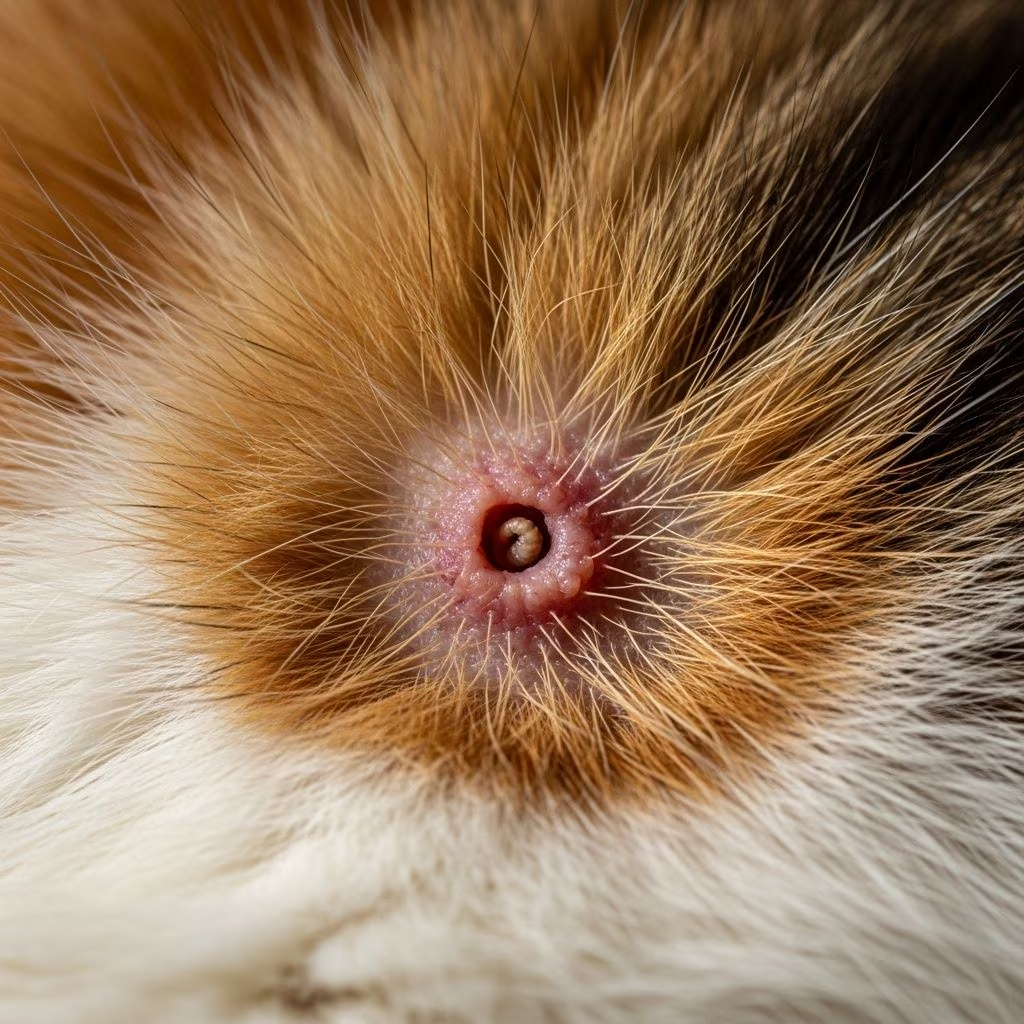
Feline warbles, caused by botfly larvae infesting a cat’s body, create noticeable skin abnormalities and potential health risks. Early identification and veterinary intervention ensure effective resolution without complications.
Understanding the Nature of Warbles
Warbles result from the larvae of botflies, specifically Cuterebra species, which target cats as intermediate hosts. Adult botflies lay eggs near rodent burrows or grassy areas where cats roam. Cats ingest eggs while hunting or exploring, allowing larvae to hatch and migrate under the skin, forming a protective pocket called a warble.
These infestations peak in warmer months when flies are active, commonly affecting outdoor cats in rural or wooded regions. The larvae grow inside the cat, breathing through a small skin opening, until mature enough to exit and pupate in soil.
Common Manifestations Across the Body
Observe your cat for unusual lumps or behavioral shifts, as warbles manifest differently based on location. Skin-based warbles appear as raised, reddened swellings about 1 inch in diameter, often with a central breathing pore revealing a spiny, wriggling larva.
- Skin indicators: Swelling with a hole, possible yellowish discharge, matted fur from grooming, and reduced energy or appetite.
- Multiple warbles can occur simultaneously, heightening discomfort.
When larvae migrate unusually, symptoms intensify. Nasal involvement leads to persistent sneezing, nasal swelling, green discharge, and respiratory distress. Ocular cases cause eye redness, squinting, discharge, and visible larval movement across the iris.
Neurological Complications from Migration
Rarely, larvae reach the brain or spinal cord, triggering severe signs like uncoordinated gait, head tilting, circling, seizures, blindness, or behavioral alterations. These demand immediate veterinary attention due to life-threatening inflammation risks.
Diagnostic Approaches for Confirmation
Veterinarians diagnose warbles through physical exams, spotting the characteristic lump and pore. For internal cases, imaging like X-rays or ultrasounds locates larvae. Fecal tests occasionally detect related parasites, but visual confirmation remains primary.
Differential diagnoses include abscesses, tumors, or other parasites, so professional assessment rules out mimics. Early detection via routine check-ups aids prompt action.
Professional Treatment Protocols
Treatment prioritizes complete larval extraction to avoid fragment-induced anaphylaxis or infections. Home removal is dangerous, risking rupture and severe reactions; always seek veterinary care.
| Location | Treatment Method | Additional Care |
|---|---|---|
| Skin | Sedation, incision, intact forceps removal | Antibiotics, wound cleaning |
| Nose/Eye | Surgical extraction under anesthesia, topical meds | Antibiotic/steroid drops, monitoring |
| Brain/Spine | Ivermectin injection, supportive anti-inflammatories | Antihistamines, steroids for inflammation |
Post-removal, antibiotics combat secondary bacteria from tissue trauma. Eye treatments involve prolonged drops; neurological cases require steroids like prednisolone and antihistamines such as diphenhydramine to manage dying larvae reactions.
Alternative techniques include suffocating the larva with oil or liquid in the pore, prompting emergence for safe grasp. Debridement removes damaged tissue, promoting healing.
Aftercare and Recovery Monitoring
Follow-up involves wound checks, medication adherence, and activity restriction. Watch for fever, swelling recurrence, or lethargy signaling complications. Most cats recover fully within weeks, regaining normal behavior and coat condition.
Proven Prevention Strategies
Minimize exposure by keeping cats indoors, especially during fly seasons. Monthly parasiticide applications like selamectin or fipronil may deter infestations, though not specifically tested for warbles. Discourage hunting rodents, prime egg sources, via supervised outdoor time or bell collars.
- Regular flea/tick preventives offer partial protection.
- Veterinary wellness exams catch early signs.
- Environmental management: clear yard debris reducing fly habitats.
Prognosis and Long-Term Outlook
With timely treatment, prognosis excels; skin warbles heal completely. Internal migrations worsen outcomes, potentially causing permanent neurological damage or sepsis if delayed. Preventives and vigilance ensure healthy, warble-free lives.
Frequently Asked Questions
Can I remove a warble myself?
No. Attempting home extraction risks larval rupture, leading to anaphylaxis or chronic infection. Professionals ensure safe, complete removal.
How long do warbles last untreated?
Larvae mature in 4-10 weeks, exiting naturally but often causing damage. Early intervention prevents escalation.
Are warbles contagious to other pets or humans?
No, they require specific fly life cycles and aren’t directly transmissible.
What if my indoor cat gets warbles?
Rare but possible via tracked-in eggs or flies entering homes. Heighten preventives regardless of lifestyle.
Do kittens face higher warble risks?
Yes, due to exploratory behavior; monitor closely and use age-appropriate preventives.
Key Takeaways for Cat Owners
Stay alert for lumps, seek vets promptly, and prioritize prevention. Informed care keeps cats thriving amid parasitic threats.
References
- Warbles in Cats | Great Pet Care — Great Pet Care. 2023-05-15. https://www.greatpetcare.com/cat-health/warbles-in-cats/
- Botfly Infestation: How to Handle Warbles in Cats — PetMD. 2024-02-10. https://www.petmd.com/cat/parasites/botfly-infestation-how-handle-warbles-cats
- Cuterebra (Botfly) or Warbles in Cats — VCA Animal Hospitals. 2023-11-20. https://vcahospitals.com/know-your-pet/cuterebra-or-warbles-in-cats
- Warbles (Wolf Worm) in Cats: Vet-Reviewed Signs, Causes, & Care — Hepper. 2024-01-05. https://articles.hepper.com/warbles-wolf-worm-in-cats/
- Warbles (Wolf Worm) in Cats: Vet Explained Causes, Signs & Care — Catster. 2023-08-12. https://www.catster.com/ask-the-vet/warbles-wolf-worm-in-cats-vet-answer/



