

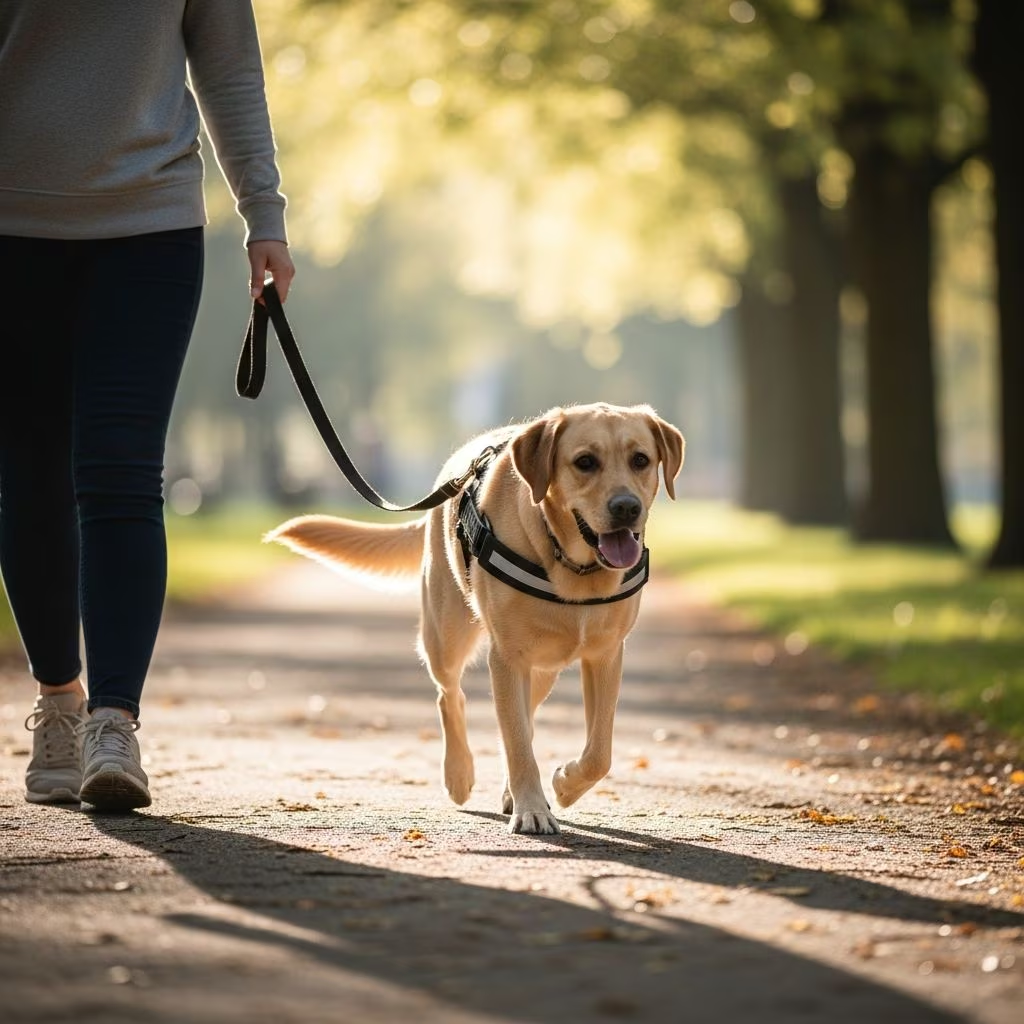
Luxating patella, a condition where the kneecap slips out of its normal position, affects many dogs, particularly small breeds. Walking remains an essential activity for physical and mental health, but it requires careful adaptation based on the severity of the condition to avoid exacerbating pain or instability.
Understanding Patella Luxation in Canines
Patella luxation occurs when the patella, or kneecap, dislocates from the femoral groove in the hind leg. This misalignment disrupts normal knee function, leading to discomfort and altered movement. Small breeds like Chihuahuas, Pomeranians, and Yorkshire Terriers are predisposed due to genetic factors, shallow grooves, or malformed bones. Trauma or rapid growth in puppies can also contribute. Early detection allows for tailored walking routines that support joint health without overload.
The condition progresses through four grades, each influencing walking recommendations:
- Grade I: Manual displacement possible, but self-corrects; minimal impact on daily walks.
- Grade II: Occasional slipping requiring minor intervention; moderate exercise control advised.
- Grade III: Frequent dislocation needing manual repositioning; walks must be short and supervised.
- Grade IV: Permanent displacement; walking severely limited pre-treatment.
Recognizing Symptoms During Walks
Owners often first notice issues during outings. Common signs include intermittent limping, where the dog skips steps or holds up a hind leg briefly. A characteristic ‘kick’ motion realigns the patella, followed by resumed normal gait. Other indicators are reluctance to jump, stiffness after rest, or bow-legged stance.
| Symptom | Description | Walking Impact |
|---|---|---|
| Skipping/Hopping | Sudden lift of hind leg | Interrupts stride; signals flare-up |
| Yelping | Pain vocalization | Stop walk immediately |
| Abnormal Posture | Knock-kneed or bowed legs | Reduces stability; shorten sessions |
| Reluctance to Move | Hesitation or slowing | Indicates pain; rest needed |
Monitoring these during walks helps adjust activity levels promptly.
Safe Walking Protocols by Severity
Low-Grade Cases (I-II)
For milder luxations, walking supports muscle tone without surgery. Limit to 10-15 minute leashed sessions on flat, even surfaces twice daily. Avoid stairs, hills, or rough terrain to prevent slipping. Use a harness over collars to reduce neck strain. Incorporate rest days and observe for fatigue.
Higher-Grade Management (III-IV)
Dogs with advanced luxation need stricter limits: 5-minute potty walks only, no off-leash play. Slippery floors at home should be avoided; use rugs for traction. Pre-walk warm-ups like gentle massage aid mobility. Consult vets for personalized plans, as progression risks arthritis.
Incorporate these tips:
- Choose soft grass over pavement.
- Maintain ideal weight to lessen joint stress.
- Walk during cooler times to avoid fatigue.
- Use supportive boots if paw fatigue occurs.
Complementary Exercise Alternatives
Beyond walking, low-impact activities build strength. Hydrotherapy in warm water unloads joints while promoting movement. Underwater treadmills simulate walking safely. Home exercises include passive range-of-motion stretches: gently flex and extend the knee 10 times daily.
Balance work on stable surfaces strengthens stabilizers. Avoid high-impact jumps or agility until cleared.
Non-Surgical Treatment Enhancements
Conservative care pairs with walking mods. Anti-inflammatories like carprofen reduce swelling; joint supplements with glucosamine support cartilage. Weight management via diet prevents overload—aim for 10-20% reduction if overweight.
Physical therapy excels: targeted exercises fortify quadriceps and hamstrings, stabilizing the patella. Sessions 2-3 times weekly yield improvements in weeks. Bracing offers temporary support during walks for Grade II cases.
Surgical Interventions and Post-Op Walking
Surgery suits Grades III-IV or failed conservative care. Techniques include trochlear groove deepening, tibial tuberosity transposition, or capsule tightening. Success rates exceed 90% for pain relief and function.
Recovery spans 8-12 weeks: crate rest first 2 weeks, then 5-minute walks increasing gradually. Stitches out at 10-14 days; rechecks monitor progress. Full activity resumes at 3-6 months with physio.
| Recovery Phase | Walking Duration | Additional Care |
|---|---|---|
| Weeks 1-2 | Potty only (2-3 min) | Crate rest, pain meds |
| Weeks 3-6 | 5-10 min, leashed | Passive exercises |
| Weeks 7-12 | 15-20 min, flat | Hydrotherapy |
| Post 12 weeks | Normal with monitoring | Supplements ongoing |
Preventive Measures for At-Risk Dogs
Breed predispositions warrant vigilance. Maintain lean weight, provide joint supplements from puppyhood, and select breeders screening for orthopedic health. Controlled puppy exercise avoids trauma—short, frequent walks over long ones. Regular vet exams catch early signs.
Long-Term Joint Health Outlook
With adapted walking and care, most dogs thrive. Mild cases manage lifelong conservatively; severe ones regain near-normalcy post-surgery. Arthritis may develop, but supplements and therapy mitigate it. Track progress with gait videos shared with vets.
Frequently Asked Questions
Can dogs with luxating patella go on long walks?
No, limit to short, controlled sessions based on grade to prevent flare-ups.
Is swimming better than walking?
Yes, hydrotherapy provides exercise without weight-bearing stress.
How soon after surgery can normal walks resume?
Typically 3-6 months, following vet-guided rehab.
Do all luxating patellas need surgery?
No, Grades I-II often succeed with conservative management.
What if my dog skips during walks?
Stop, rest, and consult vet; it indicates luxation.
References
- Luxating Patella in Dogs: Prevention, Symptoms, Treatment, Surgery — Animal Outpatient Surgery. 2023. https://animaloutpatientsurgery.com/blog/luxating-patella-in-dogs-prevention-symptoms-treatment-and-surgery/
- Luxating Patella in Dogs: What Is It, and How Is It Treated? — PetMD. 2024. https://www.petmd.com/dog/conditions/musculoskeletal/luxating-patella-in-dogs
- Luxating Patella in Dogs — VCA Animal Hospitals. 2023. https://vcahospitals.com/know-your-pet/luxating-patella-in-dogs
- Luxating Patella: Causes, Symptoms, and Treatment — American Kennel Club. 2024. https://www.akc.org/expert-advice/health/luxating-patella-dog/
- Luxating Patella in Dogs: Causes, Symptoms, & Treatment — TPLO Info. 2023. https://tploinfo.com/blog/luxating-patella-in-dogs-causes-symptoms-treatment/
- Luxating Patella in Dogs — PDSA. 2024. https://www.pdsa.org.uk/pet-help-and-advice/pet-health-hub/conditions/luxating-patella-in-dogs



