Walking Dandruff (Cheyletiellosis) in Rabbits
Understanding, diagnosing, and treating cheyletiellosis in rabbits for optimal pet health.
Understanding Walking Dandruff in Rabbits
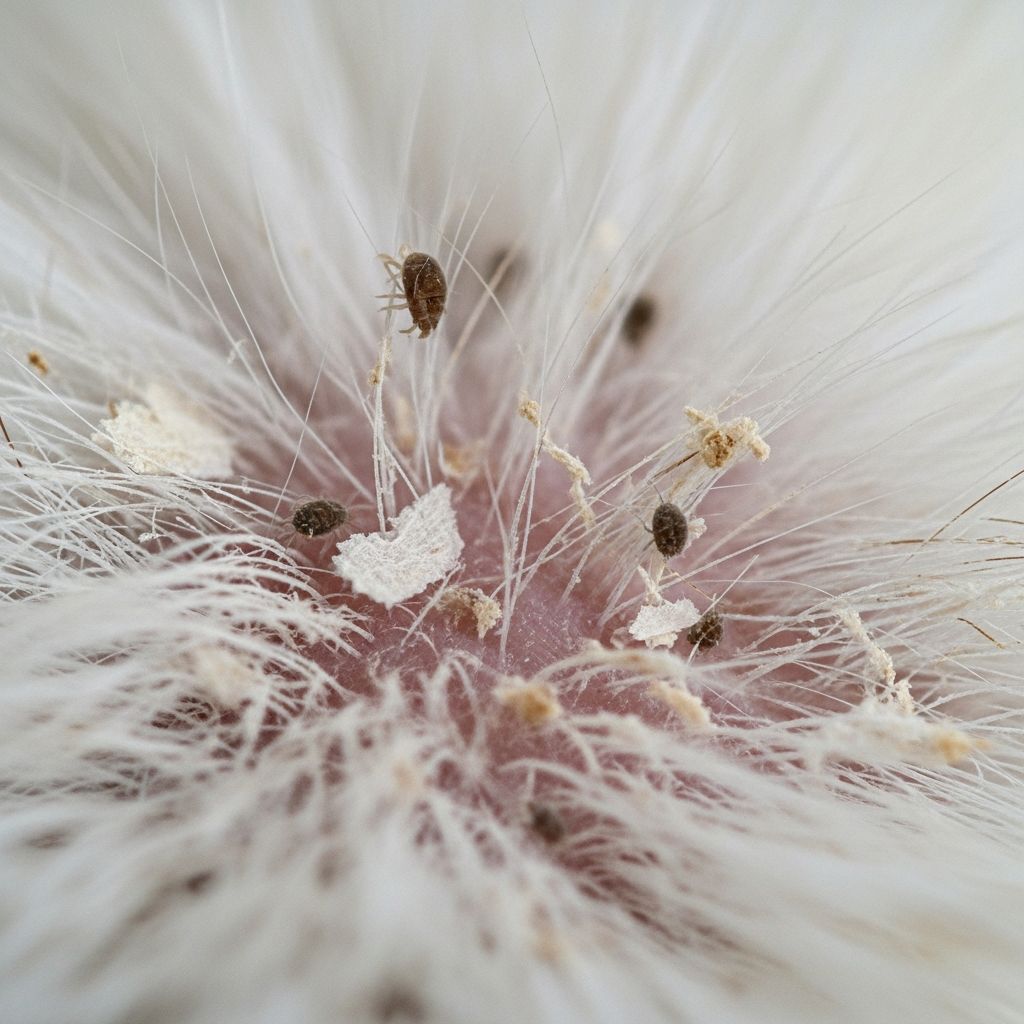
Cheyletiellosis, commonly known as walking dandruff, is a contagious skin condition that affects rabbits and is caused by the Cheyletiella parasitovorax mite. This condition gets its distinctive name from the appearance of large, whitish mites that visibly crawl across the rabbit’s skin and fur, creating the illusion that the dandruff itself is moving. Understanding this parasitic infection is essential for rabbit owners, as early detection and treatment can prevent significant discomfort and health complications in affected animals.
The Cheyletiella parasitovorax mite is a non-burrowing parasite that lives on the surface of the rabbit’s skin and hair. Unlike some other mites that burrow into the skin, these mites remain external, making them sometimes visible to the naked eye. The condition is highly contagious among rabbits and can spread rapidly in multi-rabbit households or breeding environments. Additionally, these mites can survive for short periods in the environment, which means contaminated bedding and housing can serve as sources of reinfection if not properly cleaned and disinfected.
What Is Cheyletiellosis?
Cheyletiellosis is a parasitic skin disease that primarily affects rabbits, though it can occasionally affect other animals. The condition is caused by the microscopic mite Cheyletiella parasitovorax, which colonizes the surface of a rabbit’s skin. The mites feed on skin debris and keratin, causing irritation and the characteristic scaling that gives the disease its common name. The presence of these mites disrupts the normal skin barrier and causes inflammation, leading to the visible symptoms that rabbit owners typically observe.
The disease is particularly problematic because of its highly contagious nature. When infected rabbits come into contact with uninfected rabbits, the mites can transfer easily from one animal to another. This is why cheyletiellosis can quickly become a herd problem in breeding facilities or homes with multiple rabbits. Furthermore, the mites can persist in the environment for extended periods, meaning that proper environmental sanitation is crucial to prevent reinfection and cross-contamination.
Clinical Signs of Cheyletiellosis
Rabbits affected by walking dandruff display several characteristic symptoms that can help owners identify the condition. The most obvious sign is excessive dandruff, particularly consisting of large white flakes that tend to accumulate over the shoulders, back, and hind end of the rabbit. This flaking may appear to move, which is what gives the condition its distinctive name.
Common clinical signs include:
- Excessive scratching or grooming behavior
- Visible dandruff or flaky skin, particularly over the shoulders and back
- Hair loss, especially behind the neck and between the shoulder blades
- Redness or inflammation of the skin
- Possible secondary skin infections resulting from intense scratching and self-trauma
- General discomfort and irritability
It is important to note that the severity of symptoms can vary depending on the rabbit’s age, immune status, and grooming ability. Young rabbits and older, debilitated rabbits are particularly susceptible to developing cheyletiellosis, especially those with dental problems, arthritis, or other mobility issues that prevent proper self-grooming. Longer-haired rabbit breeds also appear to be more frequently affected, possibly because the mites are more easily concealed in dense fur, leading to higher infestation levels before symptoms become obvious.
How Cheyletiellosis Is Diagnosed
Accurate diagnosis of cheyletiellosis is essential, as several other conditions can present similar symptoms, including ringworm, which is contagious to humans. A proper veterinary evaluation should be performed on any rabbit exhibiting hair loss or flaky skin. The diagnostic process typically begins with a thorough physical examination of the rabbit’s skin and coat, where the veterinarian looks for signs of mite infestation, hair loss patterns, and skin inflammation.
During the physical examination, your veterinarian will carefully inspect the rabbit’s skin and fur, paying particular attention to areas where mites are most commonly found, such as the back, neck, and areas above the tail. In some cases, the large whitish mites may be visible moving on the skin or in the fur, which can provide immediate confirmation of the diagnosis.
If flaky skin is observed, your veterinarian will likely recommend a skin scraping test, which involves gently scraping the affected skin area and examining the collected material under a microscope. This procedure allows the veterinarian to identify the mites and confirm the presence of cheyletiellosis. It is worth noting that a negative skin scraping does not completely rule out the condition, as mites may not always be present in sufficient numbers or may be missed during sampling. In such cases, a presumptive diagnosis based on clinical signs and response to treatment may be made.
Treatment Options for Cheyletiellosis
Several parasitic medications have proven effective in treating Cheyletiella mites in rabbits. Your veterinarian can recommend the most appropriate treatment based on your rabbit’s specific case, overall health status, and any other medical conditions.
Important Safety Note: Never use fipronil (Frontline®) on rabbits, as this medication can cause fatal toxicity in rabbits and should be avoided at all costs. Always consult with your veterinarian before administering any anti-parasitic medication to ensure it is safe for your rabbit species.
Effective treatment options include high-dose ivermectin, milbemycin oxime, and moxidectin, which are typically administered topically or systemically under veterinary supervision. Your veterinarian will determine the appropriate dosage and treatment schedule based on your rabbit’s weight and the severity of the infestation.
A critical aspect of treatment is ensuring that all pets in the household are treated simultaneously, as cheyletiellosis can affect other animals and result in cross-infection if left untreated. Additionally, the environment must be treated, as the parasite can survive outside the host for limited periods. Environmental treatment typically involves thorough cleaning and disinfection of all areas where the rabbit has been, including bedding, enclosures, and toys. Weekly replacement of bedding and regular use of pet-safe disinfectants are essential components of successful treatment.
Supporting Care During Treatment
Beyond parasitic medication, rabbits with cheyletiellosis often require supportive care to manage discomfort and promote healing. Pain relief, antibiotics, and anti-inflammatory medications may be necessary if the rabbit is experiencing significant itching or has caused self-trauma through excessive scratching.
Maintaining excellent hygiene is crucial during treatment. Daily removal of feces and soiled bedding should be performed, and all bedding should be replaced weekly with fresh material. Enclosures should be cleaned with pet-safe disinfectants regularly to eliminate any mites in the environment. A nutritious diet, including fresh vegetables and high-fiber hay, helps bolster the rabbit’s immune system and supports skin health during recovery.
Regular monitoring of the rabbit’s condition is important throughout treatment. Watch for signs of improvement, such as reduced scratching and decreased dandruff. Also monitor for any adverse reactions to medication and changes in behavior that might indicate discomfort or distress. Follow-up examinations with your veterinarian may be necessary to ensure the infestation has been completely resolved.
Prevention and Management Strategies
Preventing cheyletiellosis is far easier and more cost-effective than treating an established infection. Several strategies can help reduce the risk of your rabbit developing this parasitic condition.
Regular Health Checks: Performing monthly thorough examinations of your rabbit’s fur and skin can aid in the early detection of cheyletiellosis. Look for unusual hair loss, dandruff-like flakes, and signs of itchy skin. Early diagnosis allows for prompt treatment before the condition becomes severe or spreads to other animals.
Quarantine Protocol: If you are introducing new rabbits to your household or breeding program, isolate them for at least two weeks and carefully examine them for signs of cheyletiellosis before allowing contact with established rabbits. This quarantine period helps prevent the introduction and spread of mites to your existing rabbit population.
Environmental Hygiene: Maintain strict cleaning protocols in your rabbit’s living environment. Daily removal of soiled materials and weekly replacement of all bedding with fresh material are essential. Use pet-safe disinfectants regularly to clean enclosures, preventing the buildup of environmental mites that could reinfect treated rabbits.
Nutrition and Health: Providing your rabbit with a balanced diet of high-quality hay, fresh vegetables, and appropriate pellets supports a healthy immune system, which can help resist parasitic infections. Ensuring your rabbit has adequate mobility and the ability to groom itself properly is also important for prevention.
Frequently Asked Questions
Q: Can walking dandruff spread to humans?
A: Yes, cheyletiellosis can affect humans. Cheyletiella mites can cause skin irritation and itching in people who handle infested rabbits. If you suspect you have contracted mites from your rabbit, consult your doctor for appropriate treatment.
Q: How long does it take to treat cheyletiellosis?
A: Treatment duration varies depending on the medication used and the severity of the infestation. Your rabbit may require multiple treatments over several weeks to completely cure the problem. Your veterinarian will provide a specific treatment timeline based on your rabbit’s case.
Q: Can indoor rabbits get walking dandruff?
A: Yes, indoor rabbits can develop cheyletiellosis, particularly if exposed to infested rabbits or contaminated materials. Proper quarantine protocols for new rabbits and regular health checks can help prevent infection in indoor rabbit populations.
Q: Is walking dandruff life-threatening?
A: While cheyletiellosis is not typically fatal, untreated cases can lead to severe discomfort, secondary skin infections, and complications. Prompt veterinary treatment is recommended to prevent these complications and ensure your rabbit’s wellbeing.
Q: What should I do if my rabbit shows signs of walking dandruff?
A: Contact your veterinarian immediately for a proper examination and diagnosis. Early treatment is essential to prevent the condition from worsening and spreading to other rabbits in your household.
References
- Walking Dandruff (Cheyletiellosis) in Rabbits — VCA Animal Hospitals. 2024. https://vcahospitals.com/know-your-pet/walking-dandruff-cheyletiella-in-rabbits
- Tackling Cheyletiellosis in Rabbits – Symptoms, Treatment, and Prevention — VetHope. 2024-04-06. https://www.vethope.cz/en/06-04-2024/
- Companion Animal Parasite Council Guidelines: Hairclasping Mite — Companion Animal Parasite Council. https://capcvet.org/guidelines/hairclasping-mite/
- Fleas, Mites and Lice in Rabbits — PDSA (People’s Dispensary for Sick Animals). https://www.pdsa.org.uk/pet-help-and-advice/pet-health-hub/conditions/fleas-mites-and-lice-in-rabbits
- Common Mites of Your Rabbit and Small Animal Part I: Fur Mites — Rutgers New Jersey Agricultural Experiment Station. https://njaes.rutgers.edu/fs1183/
Similar Articles








Read full bio of medha deb