Walking Dandruff in Rabbits: Cheyletiella Guide
Understanding, diagnosing, and treating cheyletiellosis in rabbits effectively.
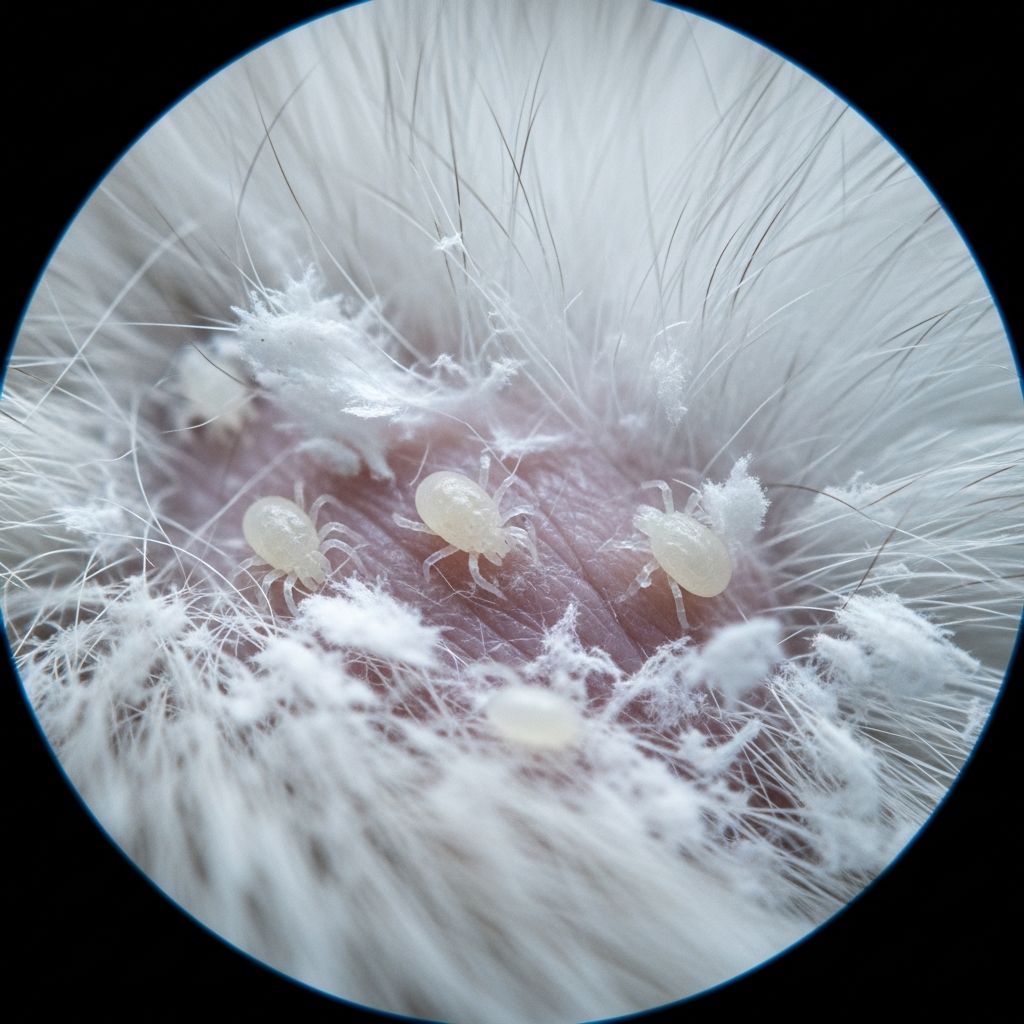
Understanding Walking Dandruff: Cheyletiellosis in Rabbits
Walking dandruff, medically known as cheyletiellosis, is a common parasitic skin condition affecting rabbits worldwide. This highly contagious condition is caused by the mite Cheyletiella parasitovorax, a non-burrowing mite that lives on the skin and hair of infected rabbits. The condition earned its distinctive nickname because the large, whitish mites are visible to the naked eye as they crawl across the rabbit’s skin and fur, creating the appearance of dandruff in motion. Understanding this condition is essential for rabbit owners, as early identification and treatment can prevent the spread to other pets and ensure your rabbit’s comfort and health.
Cheyletiellosis represents one of the most recognizable dermatological issues in domestic rabbits, affecting animals of various ages and breeds. The mites themselves are relatively large compared to other parasitic mites, making them distinguishable under magnification and sometimes even visible to the unaided eye. Infested rabbits readily spread the infection to other rabbits through direct contact, making it a significant concern in multi-rabbit households and breeding environments. Additionally, this parasite can survive for short periods in the environment, including bedding, hay, and other materials, contributing to its transmission potential.
What Causes Cheyletiellosis in Rabbits?
The causative agent of walking dandruff is the mite Cheyletiella parasitovorax, which thrives on the rabbit’s skin surface. Unlike burrowing mites, Cheyletiella mites remain on the epidermal surface, feeding on skin cells and sebaceous secretions. The condition is highly contagious and spreads through direct contact with infected rabbits or contaminated environments. Young rabbits and older, debilitated rabbits are particularly susceptible to infestation, especially those with mobility issues, dental problems, or arthritis that impairs their ability to groom themselves properly. Longer-haired rabbit breeds also experience higher infection rates, as their dense coat provides ideal conditions for mite proliferation and makes grooming less effective.
Environmental factors play a significant role in the development and persistence of cheyletiellosis. Poor hygiene conditions, overcrowding, and inadequate ventilation increase infestation risk. Stress, immunosuppression, and nutritional deficiencies can compromise a rabbit’s natural resistance to parasites, making them more vulnerable to infection. Additionally, rabbits unable to maintain proper grooming hygiene due to health conditions become prime candidates for Cheyletiella infestation.
Clinical Signs and Symptoms
The most distinctive clinical sign of cheyletiellosis is the presence of excessive dandruff, particularly over the shoulders and the area just above the tail across the back and hind end. This flaky skin appearance is caused by the mites’ movement and feeding activity, which stimulates excessive skin shedding and creates visible white debris. Infected rabbits commonly exhibit itching and scratching behaviors, though the intensity varies depending on individual sensitivity and mite load.
Hair loss is another prominent clinical manifestation, typically appearing behind the neck and between the shoulder blades where mite populations concentrate. Some rabbits may develop seborrheic conditions with dry or oily skin, crusty lesions, and inflammation. The severity of symptoms varies considerably among individuals; some rabbits may display mild signs, while severely affected animals experience significant discomfort, marked alopecia, and secondary skin damage from excessive scratching.
Observable symptoms include:
- Excessive scratching and itching behaviors
- Visible white, flaky dandruff on the coat
- Hair loss, particularly around the neck and shoulders
- Crusty or scaly skin patches
- Restlessness and reduced activity levels
- Secondary infections from self-trauma
Diagnosing Cheyletiellosis
Proper diagnosis of cheyletiellosis is crucial for effective treatment and prevention of transmission. Any rabbit exhibiting hair loss or flaky skin should be examined by a qualified veterinarian, as multiple conditions can mimic walking dandruff, including ringworm and other dermatological diseases. Some conditions resembling cheyletiellosis, such as ringworm, can transmit to humans, making accurate diagnosis particularly important.
The diagnostic process begins with a thorough physical examination of the rabbit’s skin and fur. Your veterinarian will assess the distribution and severity of lesions, evaluate the overall health status, and review the rabbit’s history for exposure to other infected animals. If flaky skin is present, a skin scraping test involving microscopic analysis is typically recommended to identify the mites. During this procedure, the veterinarian gently scrapes the skin surface with a blunt instrument, collecting skin cells and mites onto a microscope slide.
Additional diagnostic techniques include:
- Acetate tape preparations of hair and skin debris examined under magnification
- Coat brushings placed on brown paper or petri dishes for microscopic examination
- Direct observation of mites’ characteristic movement under a microscope at 40x magnification
- Fungal culture tests to rule out ringworm and other fungal infections
It’s important to note that mite observation may not always be successful, even in confirmed cases, as lighter infestations may not yield visible organisms. Therefore, if clinical signs suggest cheyletiellosis and other conditions have been ruled out, your veterinarian may recommend treatment based on clinical presentation alone.
Treatment Options for Cheyletiellosis
Multiple effective parasitic medications are available for treating cheyletiellosis in rabbits, and your veterinarian will recommend the most appropriate option based on your rabbit’s specific situation. Treatment selection depends on factors including the rabbit’s age, weight, overall health status, and any concurrent medical conditions.
Recommended Medications
Ivermectin is a commonly prescribed antiparasitic agent available in injectable and topical formulations. Injectable ivermectin typically requires subcutaneous administration at doses of 200–476 micrograms per kilogram, repeated 2–3 times with approximately 11-day intervals between treatments. Ivermectin injections have demonstrated high efficacy and safety in clinical practice, making them a preferred option for many rabbits.
Selamectin, marketed as Revolution in many regions, is a topical spot-on medication applied monthly for three consecutive months. This treatment has shown excellent efficacy and safety profiles in rabbits and represents an effective alternative to injectable therapies. Selamectin can also be used in dogs and cats, making it valuable in multi-pet households.
Moxidectin represents another effective spot-on treatment option showing good results against Cheyletiella species. Various topical preparations, including lime sulfur dips applied weekly for four weeks, have also demonstrated effectiveness, though they require more frequent application than spot-on products.
Critical Safety Considerations
NEVER use fipronil (Frontline®) on rabbits, as this medication can cause fatal toxicity in the species. While fipronil is effective in dogs and cats, it is contraindicated in rabbits due to their susceptibility to severe adverse reactions. Selenium sulfide shampoo applied weekly for three weeks represents an alternative topical option safe for rabbits.
Comprehensive Treatment Approach
Successfully treating cheyletiellosis requires more than medicating the infected rabbit. Since Cheyletiella can affect other animals in the household, all pets must be treated simultaneously, even if they show no symptoms. This includes dogs, cats, and other rabbits that may have had contact with the infested animal. Failure to treat all in-contact animals will result in reinfection of the treated rabbit.
Environmental treatment is equally critical, as Cheyletiella mites can survive for extended periods outside the host. Thorough cleaning and treatment of the rabbit’s living space, bedding, hay, and all materials that came into contact with the infected animal are essential. Your veterinarian can provide specific recommendations for environmental disinfection protocols appropriate for your situation.
In cases where rabbits have caused significant self-trauma through excessive scratching or developed secondary infections, pain relief, antibiotics, and anti-inflammatory medications may be necessary to ensure comfort and promote healing. These supportive treatments address the complications resulting from prolonged parasitic infestation and assist in the recovery process.
Additional Health Considerations
Rabbits with underlying health conditions affecting their grooming ability, such as dental disease, arthritis, or obesity, require special attention during and after treatment. Addressing these primary conditions is essential for preventing recurrent infestations and maintaining long-term skin health. Pain management and mobility support may be necessary in older or debilitated rabbits to facilitate proper self-grooming and prevent future parasitic problems.
Nutritional support and immunological considerations should not be overlooked. Providing high-quality hay, fresh vegetables, and appropriate pelleted diet supports skin health and immune function, enhancing the rabbit’s natural resistance to parasitic reinfestation. Stress reduction through environmental enrichment and proper handling also contributes to overall health maintenance.
Prevention Strategies
Preventing cheyletiellosis involves maintaining excellent husbandry practices and minimizing exposure risks. Regular grooming of rabbits, especially longer-haired breeds, helps identify early signs of infestation and removes loose hair that might harbor mites. Maintaining clean living environments with appropriate ventilation reduces the mite survival in bedding and housing materials.
When introducing new rabbits to a household, quarantine periods allow observation for signs of parasitic infestation before direct contact with resident rabbits. Similarly, rabbits returning from shows, breeding facilities, or veterinary clinics should be monitored for emerging clinical signs. Prompt identification and isolation of any symptomatic animal prevent household transmission.
When to Contact Your Veterinarian
Any rabbit exhibiting signs of skin disease, including excessive dandruff, hair loss, or chronic scratching, warrants veterinary evaluation. Early intervention provides better outcomes and reduces the risk of transmission to other household pets. Additionally, if you have direct contact with an infested rabbit and develop pruritic skin lesions, consult your physician, as cheyletiellosis is zoonotic and can affect humans. Your doctor can provide appropriate guidance and treatment if mite transmission has occurred.
Frequently Asked Questions
Q: Can humans catch walking dandruff from rabbits?
A: Yes, cheyletiellosis is zoonotic, meaning it can transmit from rabbits to humans, causing papular, pruritic dermatitis. If you develop suspicious skin lesions after handling an infested rabbit, contact your physician for evaluation and treatment.
Q: How long does treatment typically take?
A: Treatment duration depends on the medication selected. Selamectin requires three monthly applications, while ivermectin typically involves 2–3 injections spaced approximately 11 days apart. Environmental treatment should continue throughout and after the medication protocol concludes.
Q: Can my rabbit catch walking dandruff from other pets?
A: While Cheyletiella typically shows host specificity, experimental studies suggest some cross-species transmission potential. Dogs and cats can carry Cheyletiella species that may affect rabbits, making treatment of all household pets essential during an infestation.
Q: What if my rabbit has other health conditions?
A: Inform your veterinarian about any concurrent health issues, medications, or conditions affecting your rabbit. This information is crucial for selecting the safest and most effective treatment protocol. Underlying mobility or grooming issues must be addressed to prevent reinfestation.
Q: How can I prevent cheyletiellosis in my rabbit?
A: Maintain clean living environments, provide appropriate grooming care, minimize stress, support good nutrition, and quarantine new rabbits before introduction. Monitor your rabbit’s coat regularly for signs of parasitic infestation and seek prompt veterinary care if concerns arise.
Q: Is treatment guaranteed to work?
A: When prescribed medications are administered correctly and combined with thorough environmental treatment, cheyletiellosis can be successfully eliminated. However, ensuring all household pets receive treatment and environmental disinfection is crucial for preventing recurrence.
References
- Cheyletiellosis (Walking Dandruff) in Rabbits — VCA Animal Hospitals. Retrieved from https://vcahospitals.com/know-your-pet/walking-dandruff-cheyletiella-in-rabbits
- Walking Dandruff in Rabbits — Tararua Veterinary Services. Retrieved from https://tararuavets.nz/walking-dandruff/
- Hairclasping Mite: Cheyletiella Species — Companion Animal Parasite Council. Retrieved from https://capcvet.org/guidelines/hairclasping-mite/
- Diagnosing and Treating Cheyletiellosis — Veterinary Practice. Retrieved from https://www.veterinary-practice.com/article/diagnosing-and-treating-cheyletiellosis
- Treatment of Rabbit Cheyletiellosis with Selamectin or Ivermectin — National Center for Biotechnology Information, PubMed Central. 2007. Retrieved from https://pmc.ncbi.nlm.nih.gov/articles/PMC2235873/
- Cheyletiella Parasitovorax: Rabbit Fur Mite — The Unusual Pet Vets. Retrieved from https://www.unusualpetvets.com.au/
- Fleas, Mites and Lice in Rabbits — People’s Dispensary for Sick Animals (PDSA). Retrieved from https://www.pdsa.org.uk/pet-help-and-advice/pet-health-hub/conditions/fleas-mites-and-lice-in-rabbits
Similar Articles








Read full bio of Sneha Tete