

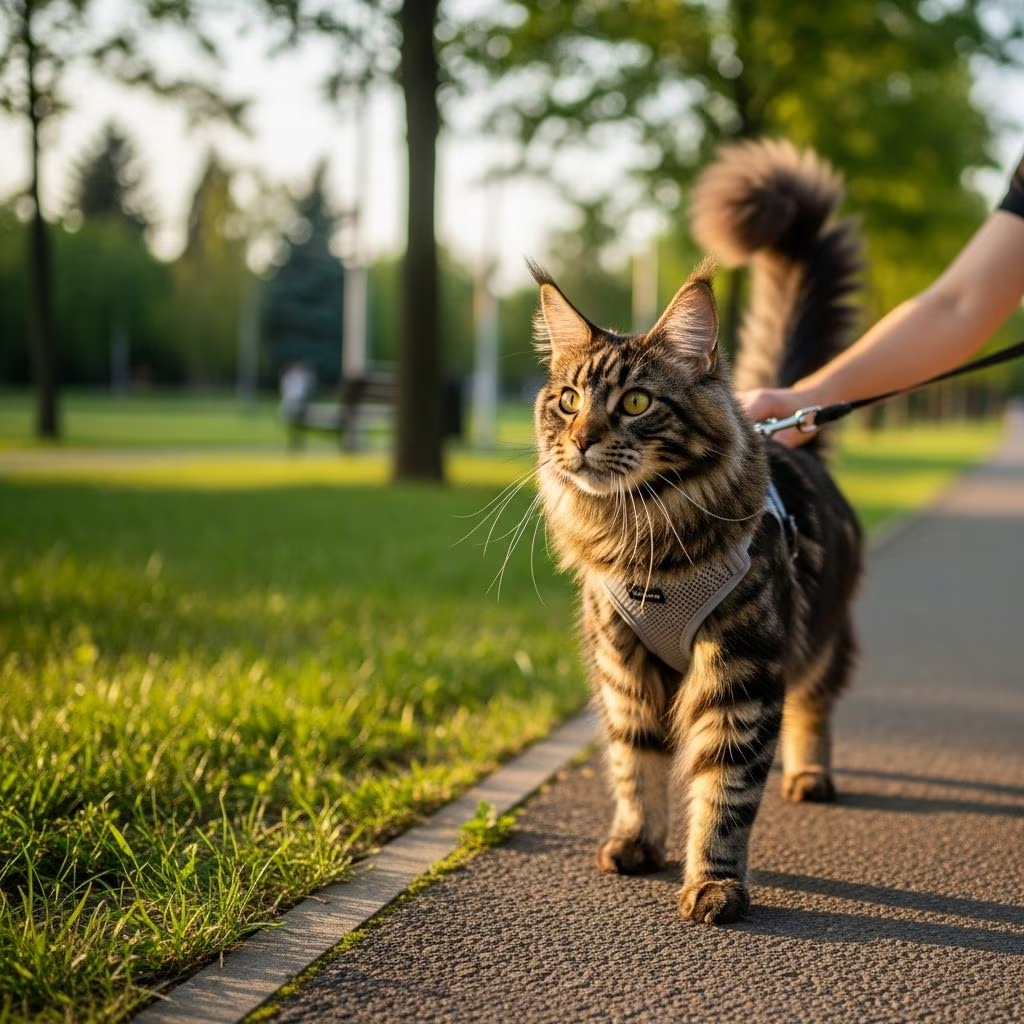
Walking a Cat: The Latest Trend in Pet Enrichment
Walking a cat on a leash has become an increasingly popular way to provide enrichment and mental stimulation for indoor cats. What was once considered an unusual practice is now recognized as a beneficial activity that can significantly improve your feline companion’s quality of life. Cats are naturally curious creatures with an inherent desire to explore their surroundings, and providing safe outdoor experiences through leash walking allows them to satisfy these instincts while remaining protected from potential dangers.
At Best Friends Animal Society, caregivers have discovered that walking cats outdoors lowers their stress levels considerably, making them noticeably happier and healthier. This enrichment activity offers indoor cats the opportunity to experience new sights, sounds, and smells in a controlled environment, which can lead to improved behavior and overall well-being. Whether your cat has spent their entire life indoors or is transitioning to indoor living, leash training opens up a world of possibilities for safe outdoor exploration.
Why Walk Your Cat on a Leash?
The benefits of walking your cat extend far beyond simple entertainment. Indoor cats often experience limited mental and physical stimulation, which can lead to behavioral problems, obesity, and stress-related health issues. Leash walking provides a solution that combines exercise, mental enrichment, and environmental exposure in a way that keeps your cat safe from traffic, predators, and other outdoor hazards.
Walking your cat allows them to engage their natural hunting instincts, explore new territory, and experience the sensory richness of the outdoor environment. The activity strengthens the bond between you and your pet while providing necessary enrichment that contributes to a longer, healthier, and more fulfilling life. For many cats, outdoor walks become one of the most anticipated parts of their daily routine, transforming them from timid indoor dwellers into confident explorers.
Selecting the Right Harness and Leash
The foundation of successful cat leash training begins with choosing appropriate equipment. Unlike dog harnesses, cat harnesses are specifically designed to fit the smaller, more delicate feline body while preventing escape. When selecting a harness, prioritize designs that are simple and quick to put on but impossible for your cat to slip out of during an exciting moment outdoors.
Several excellent harness options are available to cat owners. The Kitty Holster is highly recommended by experts and features soft, lightweight construction with wide Velcro closures available in multiple colors. For those seeking luxury options, the Kitty Holster company also offers a boutique line of handmade harnesses crafted from high-quality fabrics. Coastal Pet’s Size Right harness features a distinctive figure-eight configuration with just one buckle for easy fastening. The Come with Me Kitty harness paired with a bungee leash by Premier is another excellent choice that provides comfort and security.
These quality harnesses are widely available online and at pet supply stores, making it convenient to find one that suits your cat’s needs and your personal preferences. When choosing a harness, ensure it fits snugly without being uncomfortably tight and verify that your cat cannot wiggle free from it.
Step-by-Step Guide to Leash Training Your Cat
Step 1: Introduce the Harness
Begin by placing the harness in your cat’s sleeping area for several days. This allows your cat to become familiar with the equipment through exploration and sniffing, reducing initial anxiety about wearing it. The harness will gradually become part of their environment rather than a foreign object to fear.
Step 2: Getting Your Cat Accustomed to Wearing the Harness
Once your cat has had time to inspect the harness, begin putting it on during calm moments. Distract your cat with treats as you slowly and gently place the harness on their body. Speak in a friendly, soothing voice and enthusiastically describe the adventure that lies ahead. Positive reinforcement through treats and encouraging language makes this experience enjoyable rather than stressful.
If your cat shows signs of anxiety or distress, remove the harness immediately and try again the next day. This patient approach is crucial, as forcing the harness on a frightened cat can create negative associations that hinder progress. Most cats will eventually become comfortable with wearing the harness through repeated, positive experiences over several sessions.
Step 3: Indoor Leash Walking Practice
Once your cat comfortably wears the harness, clip on the leash and practice walking indoors. Continue using treats and a calm, soothing voice to maintain the positive association with the harness and leash. During these indoor practice sessions, carefully adjust the harness fit to ensure it remains snug enough that your cat cannot escape but not so tight that it causes discomfort.
Pay close attention to your cat’s body language and comfort level. These indoor trial walks are essential for building confidence and allowing your cat to understand the basics of leash training before venturing outdoors.
Step 4: Outdoor Adventures Begin
When your cat appears relaxed during indoor leash walks, you can attempt outdoor exploration. For the first outdoor outing, choose a safe and quiet location such as a fenced backyard where traffic and noise are minimal. After securing the harness and leash, open the door and allow your cat to decide when they’re ready to step outside. Never force your cat into the outdoor environment; let them proceed at their own pace.
Understanding the Difference: Walking a Cat Versus Walking a Dog
The fundamental difference between walking a cat on a leash and walking a dog lies in who leads the walk. Unlike dogs that typically walk beside or ahead of their owners on a predetermined path, cats walk on their own terms. When leash walking your cat, you must allow your cat to direct the walk, choosing where to go and what to explore within safe boundaries.
This means keeping the leash deliberately slack and never pulling on it. Maintain constant vigilance to keep your cat well away from streets, traffic, and other hazards. The leash serves primarily as a safety tether rather than a controlling device. If your cat becomes startled by a sudden noise or unfamiliar sight, keep the leash slack and move toward your cat rather than pulling them toward you. Pulling on the leash when a cat is frightened can cause them to panic and attempt to wriggle free from the harness, potentially resulting in escape.
During the initial outdoor experiences, before your cat becomes accustomed to outdoor sights and sounds, it’s wise to bring along a towel. If your cat becomes severely distressed and needs to be carried back inside for their safety, the towel can protect you from defensive scratches or bites that may occur when a frightened cat is picked up.
Building Confidence and Establishing Routine
Most cats that begin leash training timidly will eventually become confident outdoor explorers who look forward to their daily walks. The key is patience, consistency, and allowing your cat to progress at their own pace. Rushing the process or forcing participation can create lasting negative associations that make future training difficult or impossible.
At Best Friends Animal Society, many cats that initially showed hesitation about harness wearing and leash walking have transformed into experienced outdoor adventurers. These cats now eagerly anticipate their outdoor excursions, viewing them as an exciting and enriching part of their daily routine. The transformation from fearful to confident often happens gradually but consistently as cats become familiar with outdoor sounds, sights, and sensations.
Important Considerations Before Beginning
It’s essential to recognize that while many cats enjoy and benefit from leash walking, not all cats are suitable candidates for this activity. Some cats may become stressed by wearing a harness or being on a leash, and for these individuals, this type of enrichment may not be appropriate. Pay close attention to your cat’s behavior and stress signals throughout the training process.
If your cat shows persistent signs of anxiety or distress that don’t improve with patient, gradual training, consult a feline behavior professional for guidance. They can help you determine whether your cat is simply slow to warm up to the harness or whether alternative enrichment activities might better suit your pet’s temperament. Options such as cat strollers provide outdoor enrichment without the requirement of wearing a harness, making them suitable alternatives for cats that don’t adapt to leash walking.
Safety Tips for Outdoor Cat Walks
Successful outdoor walking requires attention to several safety considerations:
- Always keep the leash slack to prevent panic-induced escape attempts
- Avoid areas with heavy traffic or loud noises during initial outdoor experiences
- Choose quiet, fenced areas like backyards for first outdoor outings
- Never pull on the leash; allow your cat to set the pace and direction
- Keep your cat well away from streets and vehicular traffic
- Bring a towel for protection in case your cat becomes distressed
- Watch for signs of stress or discomfort in your cat’s body language
- Ensure the harness fits properly before each walk
- Leave the door open during early outdoor experiences so your cat can retreat indoors if frightened
Frequently Asked Questions About Walking Cats
Q: How long does it take to train a cat to walk on a leash?
A: The timeline varies by individual cat. Most cats require several sessions spread over multiple days to become comfortable wearing a harness. Indoor practice walks typically take a few additional sessions before outdoor walking begins. Patience and consistency are more important than speed.
Q: What if my cat refuses to wear the harness?
A: If your cat shows persistent resistance after several patient attempts, they may not be suitable for harness walking. Consider consulting a behavior professional or exploring alternative enrichment activities like cat strollers or window perches.
Q: Is it safe to walk my cat in an urban environment?
A: Urban environments present challenges due to traffic, noise, and potential hazards. Begin in quiet areas and only progress to busier locations if your cat demonstrates comfort with outdoor stimulation. Always maintain vigilant supervision.
Q: Can senior cats learn to walk on a leash?
A: Yes, cats of various ages can learn leash walking, though older cats may require more patience and shorter walks. Consult your veterinarian before beginning an exercise program with senior cats.
Q: What should I do if my cat gets stuck or frightened during an outdoor walk?
A: Keep the leash slack and move toward your cat calmly. Speak in soothing tones and allow your cat time to settle before attempting to pick them up or redirect them indoors.
References
- Walking a Cat — Best Friends Animal Society. 2025-11-28. https://bestfriends.org/network/resources-tools/walking-cat
- How to Walk a Cat on Leash — Best Friends Animal Society. 2025-11-28. https://bestfriends.org/pet-care-resources/how-walk-cat-leash
- A Shelter Shares Enrichment Tips For Pets At Home — Fear Free Happy Homes. 2025-11-28. https://www.fearfreehappyhomes.com/a-shelter-shares-enrichment-tips-for-pets-at-home/



