

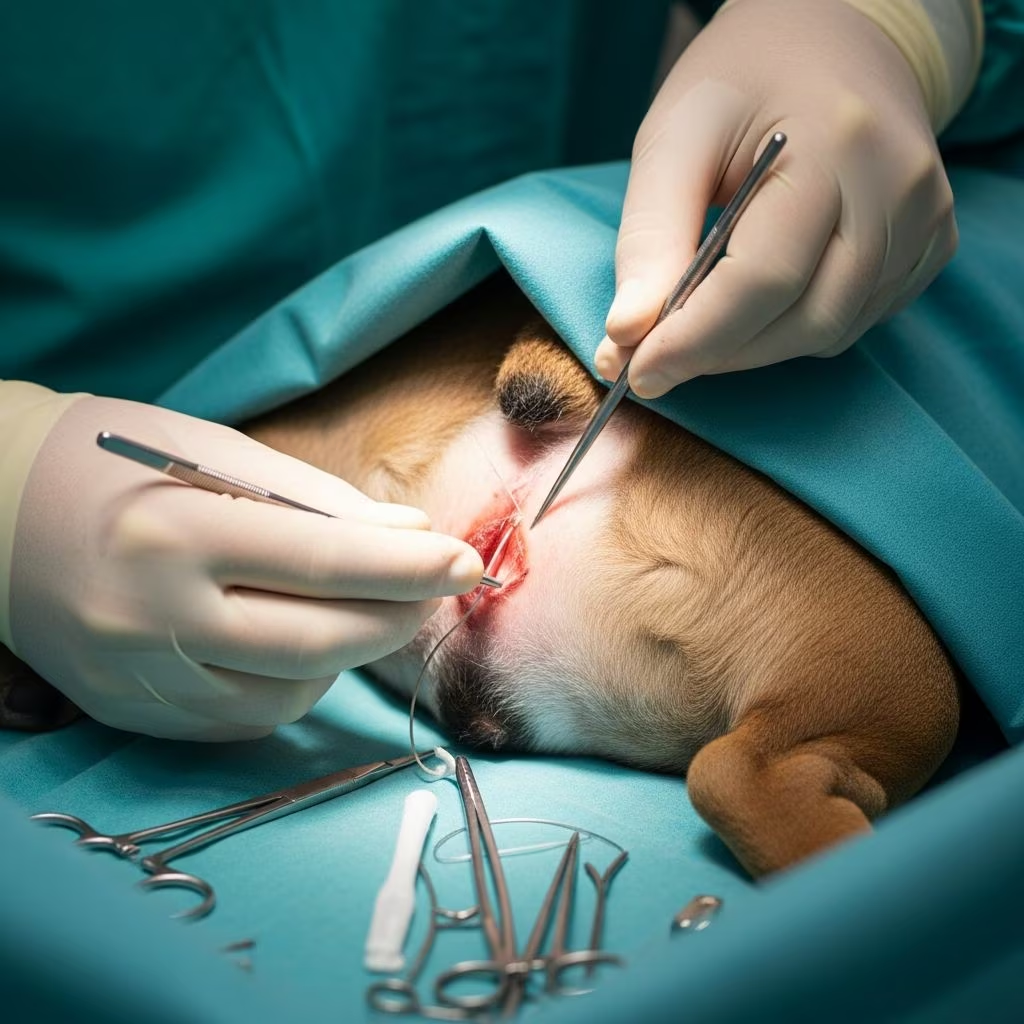
Understanding Vulvoplasty (Episioplasty) in Dogs
Vulvoplasty, also known as episioplasty, is a surgical procedure that veterinarians may recommend to correct a conformational (structural formation) issue known as a recessed vulva. This corrective surgery has become increasingly important for managing chronic health issues in female dogs, particularly those suffering from recurrent infections and discomfort. Understanding this procedure can help pet owners make informed decisions about their dog’s health and well-being.
What Is a Vulvoplasty?
A vulvoplasty is a reconstructive surgical procedure designed to address structural abnormalities of the vulva in female dogs. Dogs with a recessed vulva have excessive skin folds that hang over the vulva, creating anatomical problems that can lead to serious health complications. During a vulvoplasty, your veterinarian will remove a crescent-shaped piece of tissue from above the vulva. This surgical removal lifts the skin around the vulva, pulling it into a more normal conformation and exposing the vulva to proper airflow.
The procedure is relatively straightforward in its concept but requires precision and expertise to perform safely. The goal is to restore normal anatomy while minimizing surgical complications and ensuring optimal healing. By repositioning the skin and removing excessive tissue, the vulva becomes properly exposed and can function normally, significantly improving the dog’s quality of life.
Why Would Your Veterinarian Recommend a Vulvoplasty?
Veterinarians recommend vulvoplasty for several important medical reasons related to the health consequences of a recessed vulva:
Infection Prevention and Management
In dogs with a recessed vulva, folds of skin and fat hang over the vulva, creating a problematic environment. These skin folds often trap urine, leading to a warm, moist environment that allows bacteria to proliferate. This creates ideal conditions for bacterial growth and infection. Affected dogs may develop inflammation or infection of the skin folds, vaginitis (vaginal inflammation or infection), or urinary tract infections. In severe cases, dogs may experience recurrent infections that require long-term treatment with topical applications or repeated oral antibiotics.
Antibiotic Resistance Concerns
One of the most significant concerns with recurrent infections is the development of antibiotic-resistant bacterial strains. In some cases, recurrent or long-term use of antibiotics may lead to antibiotic-resistant infections. This makes medical management increasingly difficult and ineffective, making surgical intervention the preferable long-term solution.
Improved Ventilation and Comfort
Restoring the normal conformation of the vulva helps improve ventilation in the area, allowing the skin to dry out and making it more difficult for bacteria to grow. Additionally, this surgery prevents skin layers from rubbing together and further contributing to vulvar inflammation. By addressing the root anatomical cause, vulvoplasty provides a permanent solution rather than temporary relief.
Pre-Surgical Preparation for Your Pet
Proper preparation before vulvoplasty surgery is essential for ensuring successful outcomes and optimal healing. Your veterinarian will recommend several important preparatory steps:
Infection Resolution
Before surgery, any skin infection present around the vulva must be resolved. In many cases, this requires a course of oral antibiotics administered before the surgical procedure. If your veterinarian suspects an antibiotic-resistant infection, bacterial cultures may be performed to guide the choice of an appropriate antibiotic. This step is crucial because infection at the surgery site could prevent the wound from healing normally, potentially leading to serious complications.
Pre-Anesthetic Bloodwork
Your veterinarian may also recommend pre-anesthetic bloodwork prior to surgery. This bloodwork allows your veterinarian to assess your dog’s white and red blood cell counts, platelet counts, and serum biochemistry profile prior to surgery. Normal pre-anesthetic bloodwork helps assure your veterinarian that your pet is a good candidate for anesthesia. If your pet has abnormalities on bloodwork, these may need to be addressed prior to surgery. This comprehensive evaluation ensures your dog can safely tolerate general anesthesia and that the surgical procedure can proceed without complications.
The Vulvoplasty Surgical Procedure
Understanding what happens during the vulvoplasty procedure can help pet owners feel more confident about their dog’s surgery:
Surgical Technique
In a vulvoplasty, your veterinarian will remove a crescent-shaped piece of tissue (skin and possibly some underlying fat) above and extending down both sides of the vulva. The size of the tissue crescent that is removed depends upon the severity of your dog’s recessed vulva. Once this tissue is removed, the cut edges of the remaining skin will be stitched together using skin sutures. This will lift the skin fold, allowing the vulva to be exposed to the air, preventing moisture accumulation.
Anesthetic Considerations
This procedure is performed under general anesthesia. Your veterinarian will ensure your dog is completely comfortable and pain-free throughout the surgical procedure. The anesthetic protocol is specifically selected based on your dog’s age, health status, and individual needs to ensure the safest possible experience.
Expected Recovery After Vulvoplasty
The recovery period following vulvoplasty requires careful attention and adherence to veterinary instructions to ensure proper healing and prevent complications:
Post-Operative Medications
After surgery, your pet will go home with a nonsteroidal anti-inflammatory drug to prevent pain and swelling at the surgical site. It is important that you give this medication as directed, in order to keep your dog comfortable and minimize surgical complications. Your dog also may go home with an antibiotic, to prevent infection of the incision. Following the medication schedule precisely is essential for optimal recovery.
Activity Restriction
For the first two weeks after surgery, it is very important that your dog be kept calm and her activity restricted. Excessive running or jumping could cause her incision to open, leading to significant complications. This means limiting playtime, avoiding stairs, and keeping your dog confined to a small, comfortable area during recovery. Short, controlled leash walks for bathroom purposes are acceptable, but free play should be avoided entirely.
Wound Protection
It is also important that your dog wear an e-collar (cone) for the first one to two weeks after surgery. This prevents licking at the incision, which would interfere with healing and could lead to infection. While e-collars can be uncomfortable, they are essential for preventing self-trauma to the surgical site. Keep the incision area clean and dry, and monitor it daily for any signs of infection or complications.
Prognosis and Expected Outcomes
The long-term outlook for dogs undergoing vulvoplasty is very positive. In general, the prognosis after a vulvoplasty is excellent. Studies show that a large majority of owners are pleased with their pet’s post-operative outcome. Most dogs experience significant improvement in their symptoms, including fewer urinary tract infections, reduced skin irritation, and improved comfort.
Potential Complications
While complications are uncommon, pet owners should be aware of potential issues. The most significant complication that can occur is dehiscence (opening up) of the wound. This can occur if an excessive amount of tissue is removed and the wound is closed under tension, or if a pet is excessively active in the postoperative period. Limiting your dog’s activity after surgery and using an e-collar consistently are the best ways to prevent dehiscence. Your veterinarian’s expertise in determining the appropriate amount of tissue to remove and your diligent post-operative care are the keys to preventing this complication.
Long-Term Health Benefits
Beyond the immediate post-operative period, vulvoplasty offers significant long-term health benefits for affected dogs. By correcting the anatomical abnormality, the procedure provides a permanent solution to recurrent urinary tract infections and perivulvar dermatitis. Many dogs who previously required frequent antibiotic courses experience dramatic improvements in their quality of life. The procedure eliminates the need for ongoing medical management in most cases, reducing the burden on both the pet and the owner. Additionally, by preventing chronic infections, the surgery helps protect the dog’s overall health and immune system.
Frequently Asked Questions About Vulvoplasty
Q: At what age should vulvoplasty be performed?
A: Vulvoplasty can be performed at any age, though it is most commonly done in young adult dogs. Some veterinarians recommend performing the procedure before chronic infections develop. It can be combined with spaying if the dog is not yet neutered.
Q: Is vulvoplasty the same as spaying?
A: No, vulvoplasty and spaying are different procedures. Vulvoplasty corrects the vulvar conformation, while spaying removes the ovaries and uterus. These procedures can be performed at the same time if needed.
Q: Will my dog’s recessed vulva come back after surgery?
A: No, vulvoplasty provides a permanent correction of the anatomical issue. The excess tissue is surgically removed and the skin is repositioned, providing lasting results.
Q: Can weight loss help instead of surgery?
A: In some overweight dogs, significant weight loss may help reduce perivulvar folds. However, for dogs with congenital recessed vulva, weight loss alone is unlikely to resolve the issue. Your veterinarian can advise whether weight management or surgery is the best approach.
Q: How long does the vulvoplasty procedure take?
A: The procedure typically takes 30 to 60 minutes, depending on the severity of the condition and your veterinarian’s experience. Your veterinarian will provide specific timing details for your dog’s procedure.
Q: What is the cost of vulvoplasty?
A: The cost varies depending on your location, your veterinarian’s experience level, and any complications that may arise. Contact your veterinary clinic for specific pricing information, as many offer payment plans or financing options.
Conclusion
Vulvoplasty (episioplasty) represents an important surgical option for managing the health consequences of a recessed vulva in female dogs. By correcting the anatomical abnormality, this procedure provides a permanent solution to recurrent infections, reducing the need for ongoing antibiotic therapy and significantly improving quality of life. With proper pre-operative preparation, careful surgical technique, and diligent post-operative care, vulvoplasty offers excellent outcomes for most dogs. If your dog suffers from recurrent urinary tract infections or perivulvar dermatitis, discussing vulvoplasty with your veterinarian may be the key to providing lasting relief and improving your dog’s long-term health.
References
- Vulvoplasty (Episioplasty) — VCA Animal Hospitals. 2025. https://vcahospitals.com/know-your-pet/vulvoplasty-episioplasty
- Episioplasty – Vulvoplasty — Animal Surgical Center of Michigan. 2025. https://www.animalsurgicalcenter.com/episioplasty–vulvoplasty
- A modified technique for episioplasty — National Center for Biotechnology Information, U.S. National Library of Medicine. 2012. https://pmc.ncbi.nlm.nih.gov/articles/PMC3299499/
- Vulvar Fold Dermatitis — American College of Veterinary Surgeons. 2025. https://www.acvs.org/small-animal/vulvar-fold-dermatitis/



