

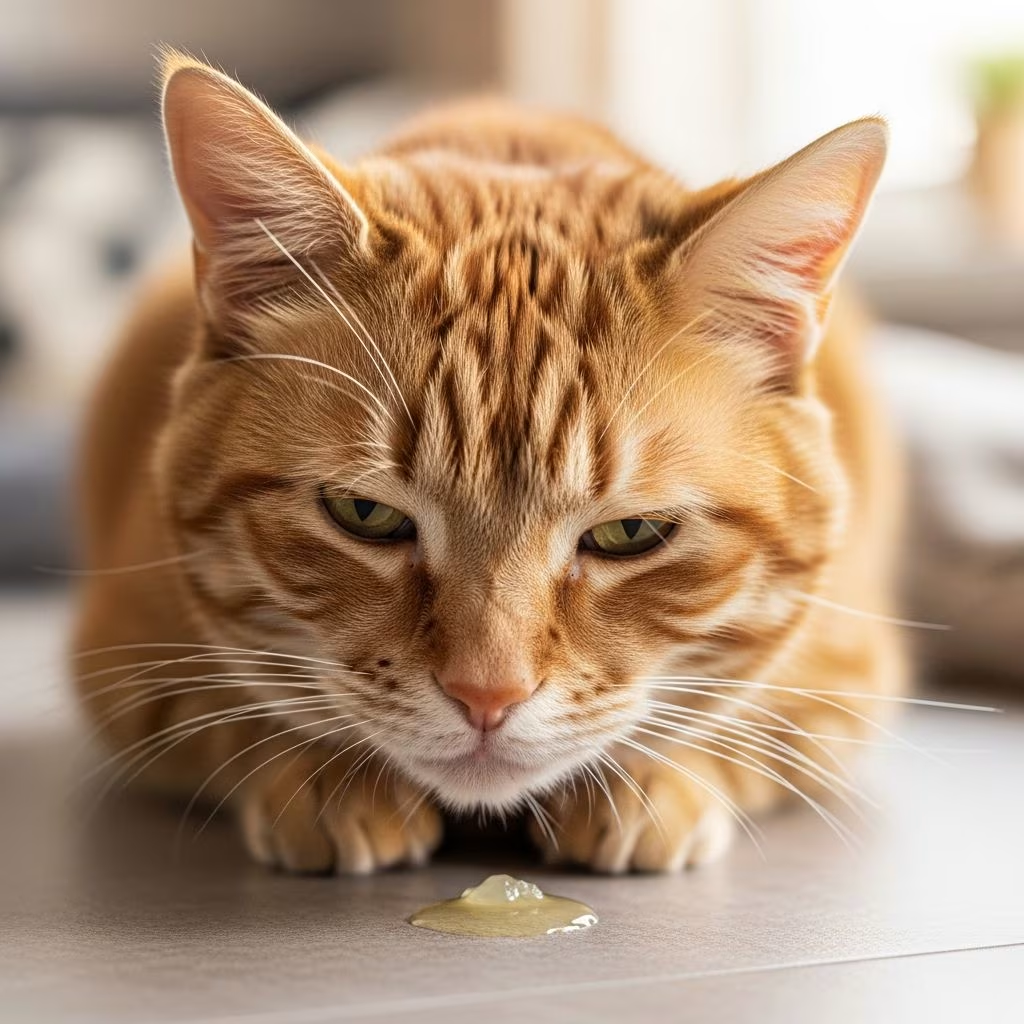
Understanding Vomiting in Senior Cats
Vomiting is a common concern for cat owners, particularly those with senior felines. While occasional vomiting may seem minor, frequent or persistent vomiting in older cats often signals an underlying health condition that requires veterinary attention. Senior cats, typically those aged seven years and older, are more prone to developing medical conditions that can trigger vomiting episodes. Understanding the causes and knowing when to seek veterinary care can significantly impact your senior cat’s quality of life and longevity.
As cats age, their bodies undergo natural changes that can make them more susceptible to various health issues. The digestive system becomes more sensitive, and chronic diseases become increasingly common. Vomiting should never be ignored in senior cats, as it can indicate serious conditions requiring prompt medical intervention.
Common Causes of Vomiting in Senior Cats
Chronic Kidney Disease
Chronic kidney disease (CKD) is one of the most prevalent causes of vomiting in senior cats. As kidney function deteriorates with age, the kidneys struggle to filter waste products from the bloodstream, leading to a buildup of toxins. This toxic accumulation triggers nausea and vomiting in affected cats. Senior cats with CKD often display additional symptoms including increased thirst, weight loss, and diminished appetite. Early detection through regular veterinary checkups and blood work is crucial for managing this progressive condition and slowing its advancement.
Hyperthyroidism
Hyperthyroidism, an overactive thyroid gland, commonly affects senior cats and frequently results in vomiting. This endocrine disorder causes the thyroid to produce excessive hormones, accelerating the cat’s metabolism. Cats with hyperthyroidism typically exhibit increased hunger coupled with weight loss, heightened activity levels, and restlessness. The condition can develop suddenly and, if left untreated, can lead to serious complications affecting the heart and other organs. Blood tests can confirm hyperthyroidism, and various treatment options are available depending on the severity and your cat’s overall health.
Inflammatory Bowel Disease
Inflammatory bowel disease (IBD) causes chronic inflammation of the gastrointestinal tract and is increasingly diagnosed in senior cats. Cats suffering from IBD experience recurring vomiting, diarrhea, and progressive weight loss. The condition develops when the cat’s immune system inappropriately responds to antigens in the digestive tract. A thorough veterinary evaluation, including blood work and potentially intestinal biopsies, is necessary for accurate diagnosis. Treatment typically involves dietary modifications, medications, and stress management to minimize inflammation and improve digestive comfort.
Pancreatitis
Pancreatitis, characterized by inflammation of the pancreas, can affect cats of any age but is particularly concerning in seniors. This condition causes vomiting, abdominal pain, and loss of appetite. While the exact trigger remains unclear in many cases, risk factors include high-fat diets, obesity, certain medications, and other underlying health conditions. Pancreatitis can develop acutely or become a chronic, recurring problem requiring ongoing management. Prompt veterinary intervention is essential to prevent complications and ensure your senior cat’s comfort.
Liver Disease
The liver plays a vital role in digestion, metabolism, and detoxification, making liver disease a serious concern in senior cats. Various conditions, including infections, toxins, and cancer, can compromise liver function. Cats with liver disease often display vomiting, jaundice (yellowing of the skin and eyes), weight loss, and lethargy. A comprehensive veterinary evaluation including blood work and imaging studies is essential for diagnosing and managing liver disease, as early intervention can prevent further deterioration.
Intestinal Parasites and Infections
While often associated with younger cats, intestinal parasites can still affect senior felines, particularly those with compromised immune systems. Bacterial, viral, and parasitic infections irritate the digestive system, triggering vomiting episodes. Roundworms, hookworms, and other parasites cause vomiting along with diarrhea and weight loss. Regular veterinary checkups and parasite prevention are essential protective measures for senior cats.
Dietary Issues and Food Sensitivities
Dietary indiscretion and food sensitivities become more common concerns in aging cats. Senior cats may develop allergies or intolerances to ingredients in their food, or they may consume items that upset their digestive system. Some cats also struggle with rapid eating, which can trigger vomiting. Switching to a high-quality, easily digestible diet formulated specifically for senior cats, under veterinary guidance, often resolves diet-related vomiting issues.
Distinguishing Between Vomiting and Regurgitation
Pet owners often confuse vomiting with regurgitation, though these are distinct processes. Vomiting is an active process involving abdominal contractions and typically occurs after the food has been in the stomach. Regurgitation is a passive process where food returns from the esophagus without stomach involvement. Understanding this distinction helps you provide your veterinarian with accurate information for proper diagnosis and treatment planning.
Warning Signs and When to Seek Emergency Care
While occasional vomiting may not require immediate attention, certain situations warrant emergency veterinary care. Seek immediate assistance if your senior cat experiences sudden and severe vomiting episodes, persistent vomiting lasting several hours, vomiting accompanied by blood, refusal to eat or drink for extended periods, signs of severe dehydration, pale gums, low body temperature, or abdominal pain upon touch. These symptoms can indicate serious, life-threatening conditions requiring prompt medical intervention.
Diagnostic Approaches for Senior Cat Vomiting
Accurate diagnosis is essential for effective treatment. Your veterinarian will perform a thorough physical examination and gather information about your cat’s vomiting patterns, diet, and overall health. Diagnostic tests typically include:
Laboratory Tests
Blood work reveals information about organ function, hormone levels, and overall health status. Biochemistry panels assess kidney and liver function, while complete blood counts evaluate overall blood health. Thyroid hormone testing (T4 levels) confirms hyperthyroidism diagnosis. Urinalysis provides additional insights into kidney function and the presence of infections.
Imaging Studies
Abdominal radiographs (X-rays) help identify foreign objects, blockages, and organ abnormalities. Ultrasound provides detailed images of abdominal organs, helping to detect pancreatitis, IBD, cancer, and other structural problems. These imaging techniques are particularly valuable for senior cats, as they provide non-invasive assessment of internal organs.
Stool Analysis
Fecal examinations identify intestinal parasites and help rule out parasitic infections as a cause of vomiting. Fresh stool samples should be brought to your veterinarian for comprehensive analysis.
Treatment Options for Senior Cat Vomiting
Supportive Care
Cats experiencing dehydration or severe illness often require hospitalization and intravenous or subcutaneous fluid therapy. Fluids help restore hydration and improve organ function. In some cases, feeding tubes may be necessary to ensure adequate nutrition while the underlying condition is being treated.
Medications
Various medications help manage vomiting in senior cats, depending on the underlying cause. Anti-emetic (anti-nausea) medications such as maropitant or metoclopramide reduce vomiting frequency and intensity. Antacids like famotidine or omeprazole protect the stomach lining. Corticosteroids such as prednisolone help manage inflammatory bowel disease. Antibiotics address bacterial infections, while deworming medications eliminate intestinal parasites. Your veterinarian may also recommend probiotics to support digestive health.
Dietary Management
For many senior cats, dietary modifications prove therapeutic and diagnostic. Switching to a high-quality, easily digestible diet specifically formulated for senior cats often reduces vomiting episodes. Prescription diets designed for cats with kidney disease, pancreatitis, or inflammatory bowel disease can significantly improve outcomes. If food allergies or intolerances are suspected, your veterinarian may recommend a hypoallergenic or limited-ingredient diet to identify problematic ingredients.
Disease-Specific Treatments
Treatment approaches vary depending on the underlying condition. Hyperthyroidism may be managed through medications, radioactive iodine therapy, or surgery. Kidney disease requires special diet, medications to manage complications, and fluid therapy. Inflammatory bowel disease typically involves corticosteroids and dietary changes. Cancer treatment options range from surgical removal to chemotherapy, depending on the type and stage of cancer.
Preventive Measures and Home Care
Regular Veterinary Checkups
Senior cats should receive veterinary examinations at least twice yearly to detect diseases early. Regular checkups allow your veterinarian to monitor kidney function, thyroid health, and overall organ function, enabling early intervention before serious complications develop.
Appropriate Nutrition
Feeding high-quality, senior-specific cat food supports digestive health and overall wellness. Avoid feeding your senior cat foods high in fat, which can trigger pancreatitis. Ensure fresh water is always available, particularly for cats with kidney disease or diabetes.
Environmental Stress Reduction
Stress can exacerbate gastrointestinal issues in senior cats. Creating a calm, predictable environment with quiet resting areas, consistent feeding schedules, and minimal disruptions supports digestive health. Consider using feline pheromone diffusers to reduce anxiety.
Monitor for Changes
Keep detailed records of your senior cat’s eating habits, water intake, litter box usage, and any vomiting episodes. Report any changes to your veterinarian promptly, as early detection of health issues significantly improves treatment outcomes.
Managing Chronic Vomiting in Senior Cats
Some senior cats experience chronic, recurring vomiting due to underlying diseases that cannot be completely cured but can be managed. Working closely with your veterinarian to develop a comprehensive management plan is essential. This may involve:
- Regular monitoring and adjustments to medications as needed
- Dietary management tailored to your cat’s specific condition
- Periodic veterinary checkups to assess treatment effectiveness
- Pain management to keep your cat comfortable
- Quality-of-life assessments to ensure your senior cat remains happy and comfortable
Understanding Your Senior Cat’s Prognosis
The prognosis for senior cats experiencing vomiting depends on the underlying cause, how early the condition is diagnosed, and how well it responds to treatment. While some conditions like kidney disease require lifelong management, early intervention and appropriate treatment can extend your cat’s quality life significantly. Open communication with your veterinarian about your senior cat’s condition, treatment options, and expected outcomes helps you make informed decisions about your cat’s care.
Frequently Asked Questions About Senior Cat Vomiting
Q: Is it normal for senior cats to vomit?
A: While vomiting becomes more common with age, it is never truly “normal” and should always be evaluated by a veterinarian. Frequent vomiting in senior cats indicates an underlying health condition requiring diagnosis and treatment.
Q: How often should my senior cat visit the veterinarian?
A: Senior cats should receive veterinary checkups at least twice yearly. Cats with chronic conditions may require more frequent visits to monitor disease progression and medication effectiveness.
Q: Can kidney disease in senior cats be cured?
A: Chronic kidney disease cannot be cured but can be effectively managed with appropriate diet, medications, and fluid therapy. Early detection and treatment slow disease progression and improve quality of life.
Q: What should I feed a senior cat with vomiting issues?
A: Consult your veterinarian about appropriate diet options. Senior cats with vomiting often benefit from high-quality, easily digestible foods specifically formulated for their condition, such as kidney-friendly or limited-ingredient diets.
Q: When is vomiting in a senior cat considered a medical emergency?
A: Seek emergency veterinary care if your senior cat experiences sudden severe vomiting, vomiting with blood, refusal to eat or drink, signs of extreme dehydration, pale gums, low body temperature, or severe abdominal pain.
Q: Can stress cause vomiting in senior cats?
A: Yes, stress can exacerbate gastrointestinal issues and trigger vomiting in senior cats. Creating a calm environment and maintaining consistent routines helps minimize stress-related vomiting episodes.
Q: What medications are commonly used to treat vomiting in senior cats?
A: Anti-emetic medications like maropitant and metoclopramide are commonly prescribed to reduce nausea and vomiting. Additional medications depend on the underlying cause and may include antacids, antibiotics, corticosteroids, or deworming medications.
Q: How can I tell if my senior cat is dehydrated from vomiting?
A: Signs of dehydration include dry gums, sunken eyes, lethargy, reduced skin elasticity, and decreased urination. If you notice these signs, contact your veterinarian immediately, as dehydration requires prompt treatment.
References
- Cat Vomiting: 10 Causes and How to Help — Lagniappe Animal Health. 2024. https://lagniappeanimalhealth.com/blog/cat-vomiting-causes-in-ruston-la/
- Cat Vomiting: Causes and How to Help — Pinnacle Veterinary Medical Center. 2024. https://pinnacle.vet/blog/cat-vomiting/
- Why is my elderly cat vomiting undigested food? — Untamed. 2024. https://untamed.com/blogs/nutrition/elderly-cat-vomiting-undigested-food
- Cat Vomiting: Causes, Types, and What to Do — PetMD. 2024. https://www.petmd.com/cat/symptoms/cat-vomiting-causes-and-types
- Is Your Cat Vomiting? A Complete Guide to Causes and Care — Best Friends Animal Society. 2024. https://bestfriends.org/pet-care-resources/cat-throwing-causes-when-see-vet-treatment



