

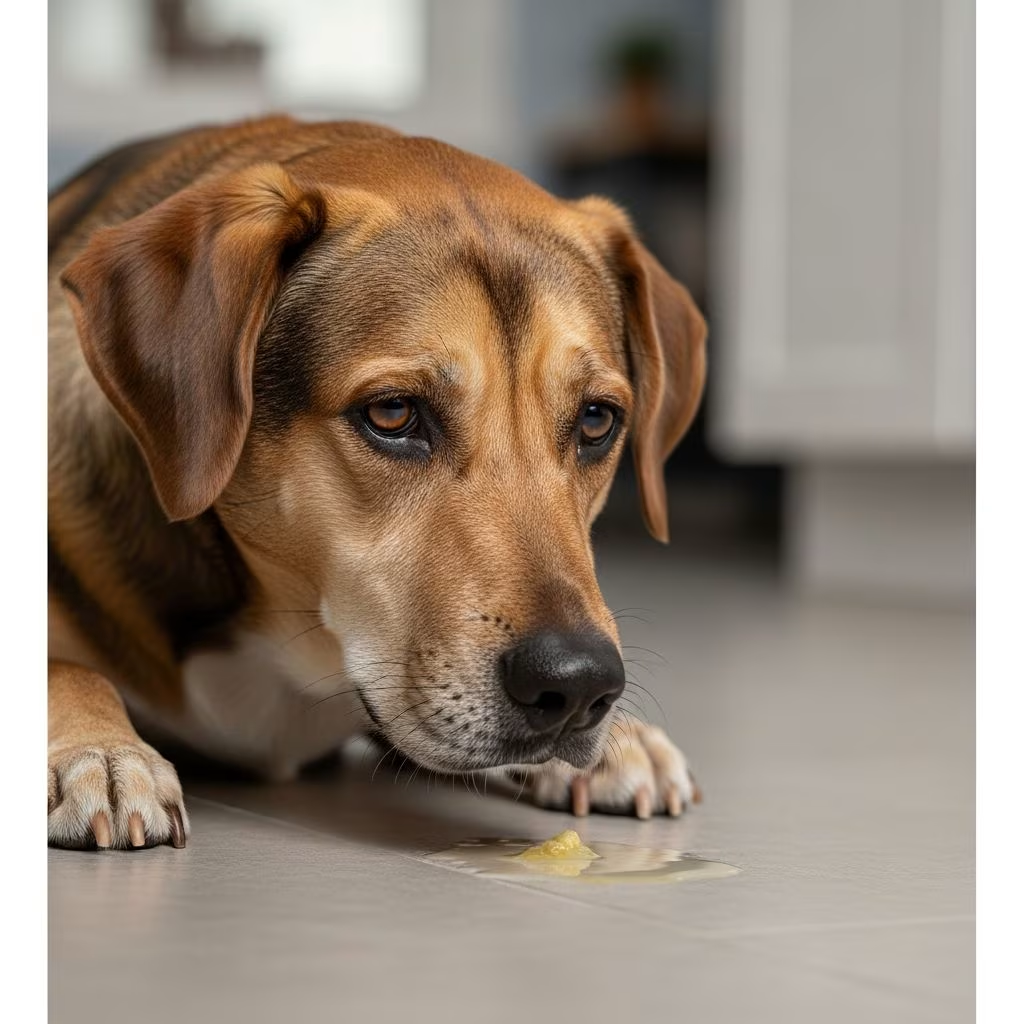
Vomiting in Dogs: A Comprehensive Guide to Causes and Treatment
Vomiting is one of the most common health concerns pet owners encounter with their dogs. While a single episode of vomiting may not always indicate a serious problem, understanding the potential causes and knowing when to seek veterinary care is essential for every dog owner. Vomiting in dogs can range from a minor intestinal upset to a sign of serious underlying illness. This guide will help you understand what causes vomiting in dogs, how to recognize warning signs, and what treatment options are available.
What is Vomiting in Dogs?
Vomiting is the forceful ejection of the contents of the stomach and upper small intestine, including food, fluids, or debris. This process is typically preceded by other signs such as nausea, excessive drooling, retching, and forceful contractions of the abdominal muscles and the diaphragm. It’s important to distinguish vomiting from regurgitation, as these are two different processes that may indicate different underlying conditions.
Common Causes of Vomiting in Dogs
Vomiting in dogs can be caused by numerous factors, ranging from minor dietary issues to serious medical conditions. Understanding these causes can help you identify potential problems and determine when professional veterinary care is necessary.
Dietary Indiscretion and Food-Related Causes
One of the most common reasons dogs vomit is dietary indiscretion, which refers to eating inappropriate items or food that the dog’s stomach cannot easily process. This includes:
- Eating table scraps and human food
- Consuming garbage or spoiled food
- Ingesting foul-tasting things such as certain insects
- Eating too quickly
- Exercising immediately after eating
Additionally, an abrupt change in diet can upset your dog’s digestive system. When switching dog foods, it’s important to do so gradually over a period of 7-10 days to allow the digestive system to adjust. Some dogs also have food intolerances or sensitivities to specific ingredients, which can trigger vomiting episodes.
Gastritis and Stomach Problems
Gastritis, or inflammation of the stomach lining, is the most common cause of acute vomiting in dogs. This condition develops when the stomach becomes irritated due to various factors. The ingestion of toxins, grass, or hairballs can all lead to gastritis. Dogs that groom themselves frequently may swallow hair, which can accumulate in the stomach and cause irritation or blockages.
Motion Sickness
It is not uncommon for dogs to suffer from motion sickness, particularly during car journeys. This condition can make travel very unpleasant for both the dog and the owner. Fortunately, veterinarians can prescribe medication to help prevent motion sickness in dogs that are prone to this condition.
Acute Infections
Infectious diseases can cause acute vomiting in dogs. One notable example is canine parvovirus, a serious viral infection that affects the digestive tract. Bacterial and viral infections can cause inflammation of the gastrointestinal tract, leading to vomiting and other digestive symptoms.
Parasites and Intestinal Blockages
Internal parasites such as roundworms and hookworms can cause inflammation of the gastrointestinal tract, resulting in vomiting. Additionally, if a dog ingests a foreign object such as a toy, piece of cloth, or other indigestible item, it can become lodged in the intestine, causing an obstruction that may lead to vomiting and other serious complications.
Chronic Diseases and Serious Illnesses
Long-term or chronic vomiting can indicate more serious underlying health conditions. These include:
- Pancreatitis (inflammation of the pancreas)
- Kidney failure
- Liver failure
- Diabetes mellitus
- Addison’s disease
- Cushing’s disease
- Stomach or upper intestinal cancer
- Diseases of the inner ear
- Inflammatory bowel disease (IBD)
- Uterine infection
- Constipation
- Colitis
If your dog experiences chronic vomiting, it is crucial to seek veterinary evaluation to determine the underlying cause.
Other Potential Causes
Additional causes of vomiting in dogs include heat stroke, reactions to medication, bloat (also called gastric dilatation-volvulus or GDV), ingestion of toxic substances such as chocolate or xylitol, and allergies.
Understanding Vomit Color and Appearance
The color and appearance of your dog’s vomit can provide important clues about the underlying cause. Pay attention to these indicators:
Bright Red Vomit
Bright red vomit indicates fresh blood and can be a sign of gastritis, ulcers, inflammatory bowel disease, foreign body ingestion, trauma to the stomach, clotting issues, heat stroke, parvovirus, or inflammation of the stomach. This requires immediate veterinary attention.
Light Brown Vomit
Light brown colored vomit may indicate that your dog has ingested chocolate (which requires emergency care), swallowed mud or dirt, has an intestinal blockage, or has been eating feces.
Foamy or White Vomit
Foamy or white vomit can be a sign of bloat or gastric dilatation-volvulus (GDV), a life-threatening emergency. Contact an emergency veterinary clinic immediately if your dog is vomiting foamy or white material.
Mucus or Slime
Vomiting of mucus, slime, or moldy stomach contents may occur secondary to parasites, ingestion of spoiled food or trash, or ingestion of contaminated water sources such as lakes or puddles with visible surface algae.
When to Seek Veterinary Care
While occasional vomiting may not be cause for immediate alarm, certain situations warrant prompt veterinary attention. You should take your dog to the veterinarian if:
- Your dog ate a foreign object, toxic ingredient, or substance
- Vomit contains more than a little blood or is bright red
- Your dog is experiencing diarrhea along with vomiting
- There is unproductive retching (your dog appears to be trying to vomit but nothing comes out)
- Your dog displays lethargy or depression
- Your dog shows signs of dehydration
- Vomiting is accompanied by abdominal pain
- Your dog has a fever
- There is weight loss accompanying the vomiting
- Vomiting occurs more than once or twice daily
- Vomiting is accompanied by bloody diarrhea
- Your dog experiences seizures
- The vomit appears foamy or bright green
- Vomiting persists for more than 24 hours
Diagnosis and Veterinary Examination
When you bring your dog to the veterinarian for vomiting, the vet will conduct a thorough examination. For short-term or occasional vomiting, a physical examination may be sufficient. However, for chronic vomiting or vomiting accompanied by concerning symptoms, your veterinarian may recommend additional diagnostic tests.
These tests may include:
- Blood tests
- Fecal examinations
- Urine tests
- X-rays of the digestive system
- Abdominal ultrasound
- Computed tomography (CT) scans
- Magnetic resonance imaging (MRI)
- Endoscopic evaluation
- Biopsy of the stomach and small intestine
Treatment Options for Vomiting in Dogs
The treatment for vomiting in dogs depends on the underlying cause and the severity of the condition. Your veterinarian will evaluate your pet’s overall condition before prescribing any medication or treatment.
Short-Term Vomiting Treatment
For short-term vomiting, initial treatment typically involves:
- Withholding food for a period of time to allow the digestive system to rest
- Limiting access to water, though water should never be completely withheld unless the dog is receiving supplemental fluids
- Providing a bland diet once the dog can eat again
It’s important to note that dehydration and other internal abnormalities are expected with vomiting, and withholding water can worsen these effects.
Medications for Vomiting
Various medications may be prescribed to help control vomiting and promote recovery:
- Maropitant citrate (Cerenia®) – Controls nausea and is safe to use even if there is intestinal blockage
- Metoclopramide (Reglan®) – Promotes normal movement of the intestinal tract (should not be used if intestinal blockage is suspected)
- Ondansetron or dolasetron – Anti-nausea medications
- Metronidazole (Flagyl®) – Relieves inflammation in the intestinal tract
- Sucralfate (Sulcrate®, Carafate®) – Acts as a soothing “band-aid” to the stomach and intestines
- Famotidine – Protects against gastric ulcers
- Omeprazole – Reduces stomach acid and protects stomach lining
- Antacids – May be given if acid reflux is suspected
- Probiotics – Help restore “good” gut bacteria and prevent colonization of the intestinal mucosa with harmful bacteria
Fluid Therapy
Fluid therapy can be helpful if the dog is dehydrated from prolonged vomiting. This may be administered intravenously or subcutaneously, depending on the severity of dehydration.
Managing Electrolyte and Acid-Base Disorders
Chronic vomiting can lead to electrolyte imbalances and acid-base disorders. Your veterinarian may need to treat these conditions as part of the comprehensive treatment plan.
Home Care and Management
For dogs that can be treated at home, there are several things you can do to ease their digestive upset:
Dietary Management
- Skip your dog’s next meal, then provide a smaller portion for the following meal
- Provide a bland diet that won’t inflame the gastrointestinal system
- Make a light meal of cooked chicken and boiled rice, fed in small portions
- Use a light, easy-to-digest gastrointestinal formula dog food recommended by your veterinarian
- Gradually return to normal feeding once your dog shows signs of improvement
Hydration and Rest
- Provide your dog with plenty of fresh water to maintain hydration
- Allow your dog adequate rest to recover
- Monitor your dog closely for any signs of worsening
When to Follow Up
If your dog is not back to normal within 24 hours, call your veterinarian to book an examination. This is important to ensure there are no underlying complications or serious conditions that need to be addressed.
Prevention Tips
While you cannot prevent all cases of vomiting, there are steps you can take to reduce the risk:
- Prevent access to table scraps, garbage, and spoiled food
- Introduce dietary changes gradually over 7-10 days
- Ensure your dog is not exercising immediately after eating
- Maintain a regular parasite prevention program
- Keep toxic substances and foods away from your dog
- Provide toys and items that cannot be easily ingested or broken apart
Frequently Asked Questions About Dog Vomiting
Q: Is occasional vomiting normal in dogs?
A: Short-term or even occasional vomiting is generally not associated with other abnormalities. However, if vomiting becomes frequent or is accompanied by other symptoms, veterinary attention is recommended.
Q: Can I treat dog vomiting at home?
A: Minor cases of vomiting can often be managed at home with rest, a bland diet, and limited food intake. However, if vomiting persists beyond 24 hours or is accompanied by concerning symptoms, veterinary care is necessary.
Q: What should I feed my vomiting dog?
A: A bland diet consisting of boiled chicken and boiled rice is often recommended for dogs recovering from vomiting. Your veterinarian may also recommend a special gastrointestinal formula dog food.
Q: How long should I withhold food from a vomiting dog?
A: Generally, it’s recommended to withhold food for a few hours or until the vomiting stops. Then offer small amounts of bland food to see if the dog can tolerate it. Never withhold water unless the dog is receiving supplemental fluids.
Q: When is dog vomiting a sign of a serious problem?
A: Vomiting accompanied by lethargy, weight loss, dehydration, fever, abdominal pain, bloody vomit, or persistent vomiting lasting more than 24 hours may indicate a serious problem requiring immediate veterinary attention.
Q: Can diet change cause vomiting in dogs?
A: Yes, an abrupt change in diet can upset your dog’s stomach. Always transition to new food gradually over 7-10 days to allow the digestive system to adjust.
Q: What is the difference between vomiting and regurgitation?
A: Vomiting is the forceful ejection of stomach contents and is typically preceded by signs of nausea. Regurgitation is a passive process where food comes back up without the forceful contractions associated with vomiting.
References
- Vomiting in Dogs — Merck Veterinary Manual. 2024. https://www.merckvetmanual.com/dog-owners/digestive-disorders-of-dogs/vomiting-in-dogs
- Vomiting in Dogs — VCA Animal Hospitals. 2024. https://vcahospitals.com/know-your-pet/vomiting-in-dogs
- Dog Vomiting: Causes & Treatments — Purina. 2024. https://www.purina.com/articles/dog/health/digestion/causes-of-dog-vomiting
- Vomiting in Dogs – Dog Owners — PetMD. 2024. https://www.petmd.com/dog/symptoms/vomiting-in-dogs
- Vomiting Dog — Vetwest Veterinary Clinics. 2024. https://www.vetwest.com.au/pet-library/vomiting-dog/
- Dog Vomiting: Common Causes and Quick Relief Tips — Oakhurst Veterinary Center. 2024. https://www.oakhurstvetcenter.com/dog-vomiting-causes-symptoms-easy-remedies-guide/



