

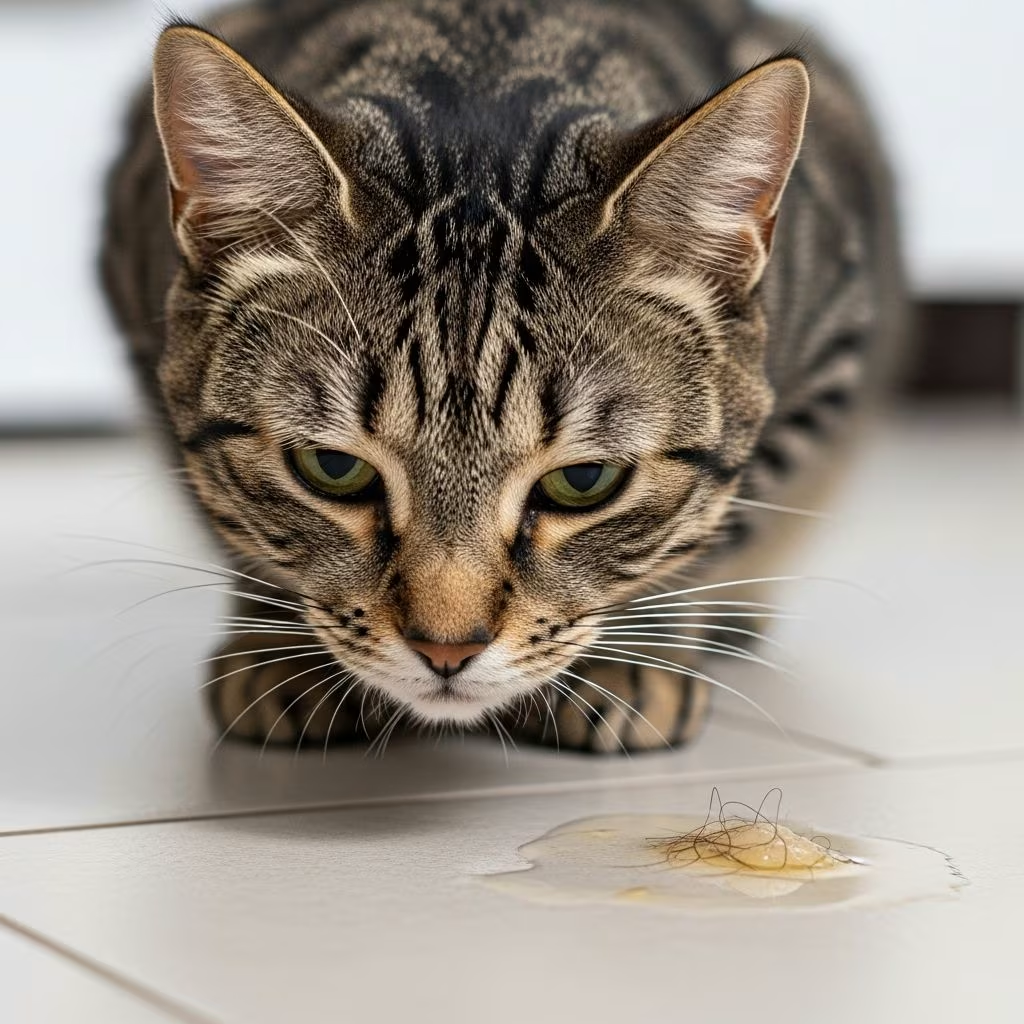
Understanding Vomiting in Cats
Vomiting is a common concern for cat owners and can range from occasional hairballs to a sign of serious underlying health conditions. While some instances of vomiting may resolve on their own, frequent or persistent vomiting warrants veterinary attention. Understanding the difference between acute and chronic vomiting, recognizing potential causes, and knowing when to contact your veterinarian are essential components of feline health management.
Cats are prone to vomiting for various reasons, and the underlying cause significantly influences the treatment approach. This comprehensive guide will help you understand what’s happening with your cat and how to best support their health and recovery.
Acute vs. Chronic Vomiting in Cats
When your cat begins vomiting, one of the first distinctions veterinarians make is whether the vomiting is acute or chronic, as this classification affects diagnosis and treatment strategies.
Acute Vomiting
Acute vomiting refers to a sudden onset of vomiting that has been present for less than two to three days. This type typically results from eating something inappropriate, consuming contaminated food, intestinal parasites, pancreatitis, or bacterial or viral infections. Most cases of acute vomiting resolve quickly with simple treatment without requiring identification of the underlying cause. The good news is that once the triggering issue is resolved, acute vomiting generally stops promptly, and your cat returns to normal.
Chronic Vomiting
Chronic vomiting occurs over an extended period and is generally associated with underlying diseases that must be managed long-term. Cats with conditions such as inflammatory bowel disease, cancer, kidney disease, or hyperthyroidism may experience recurring bouts of vomiting over weeks or months. Chronic vomiting requires ongoing management and veterinary supervision to control symptoms and address the underlying condition.
Common Causes of Vomiting in Cats
Multiple factors can trigger vomiting in cats. Understanding these causes helps you work more effectively with your veterinarian to identify what’s affecting your pet.
Gastrointestinal Causes
Dietary indiscretion occurs when cats eat something abnormal or unsuitable for their digestive system. This might include spoiled food, human food, or non-food items. Foreign bodies such as string, toys, or other objects can become lodged in the digestive tract, causing vomiting and requiring emergency veterinary care.
Hairballs are a natural concern in cats, particularly those with longer coats or excessive grooming habits. While occasional hairball vomiting is normal, frequent occurrences may indicate a problem requiring dietary adjustments or other interventions.
Inflammatory bowel disease (IBD) is characterized by chronic inflammation of the gastrointestinal tract and is one of the most common causes of chronic vomiting in cats. IBD often accompanies diarrhea and weight loss, requiring diagnosis through blood work and possibly biopsy.
Pancreatic and Hepatic Causes
Pancreatitis, or inflammation of the pancreas, causes vomiting along with abdominal pain and loss of appetite. While the exact cause is often unknown, it can be triggered by high-fat diets, obesity, certain medications, or other underlying health conditions. Prompt veterinary care is crucial to manage this condition.
Liver disease can also result in vomiting and requires appropriate diagnostic testing and management strategies.
Metabolic and Endocrine Disorders
Kidney disease, or chronic kidney disease (CKD), is common in older cats and leads to vomiting, increased thirst, weight loss, and decreased appetite. When kidneys fail to filter waste products effectively, toxins accumulate in the bloodstream, triggering nausea and vomiting. Early detection and appropriate management with a kidney-friendly diet can slow disease progression.
Hyperthyroidism, an overactive thyroid gland, frequently causes vomiting in cats, particularly seniors. This endocrine disorder affects metabolism and can be managed with medication or other treatments once diagnosed.
Diabetes ketoacidosis and elevated calcium levels are additional metabolic conditions that may trigger vomiting.
Infectious and Parasitic Causes
Intestinal parasites, particularly roundworms, are common culprits in vomiting cats. Regular deworming and preventive treatments help keep parasites at bay. If your cat vomits a worm, bring this observation to your veterinarian for appropriate treatment.
Bacterial and viral infections can cause acute vomiting. Conditions like feline infectious peritonitis and feline panleukopenia are serious viral infections requiring immediate veterinary attention.
Medication and Toxin-Related Causes
Certain medications including chemotherapy drugs, antibiotics, and anti-inflammatories may trigger vomiting as a side effect. Additionally, toxins such as lilies and antifreeze are dangerous to cats and can cause severe vomiting along with other life-threatening symptoms.
Other Causes
Cancer can cause vomiting either directly, such as intestinal cancer, or indirectly through other mechanisms. Neurologic conditions like vestibular disease and encephalitis may also result in vomiting.
What Your Cat’s Vomit Tells You
The appearance of your cat’s vomit provides valuable diagnostic clues for your veterinarian.
Blood in Vomit
Cats may vomit blood if they have ulcerations in their digestive tract. Additionally, repeated vomiting episodes can irritate the stomach lining and esophagus due to increased acid exposure, leading to bloody vomit.
White Foam
White foam in cat vomit often indicates inflammation of the stomach and/or small intestine lining from an underlying issue.
Clear Liquid or Water
If your cat is vomiting clear liquid, it may represent fluid contents of the stomach, or your cat might have drunk too much water.
Visible Worms
The most common type of worm seen in cat vomit is roundworms. If you observe worms in your cat’s vomit, bring this to your veterinarian’s attention for appropriate treatment.
When to Contact Your Veterinarian
While occasional vomiting may not require immediate attention, certain situations demand prompt veterinary care. Contact your veterinarian if your cat:
- Vomits repeatedly or persistently over several hours
- Shows signs of lethargy, weakness, or depression
- Displays abdominal pain or distension
- Has not eaten or is eating very little
- Shows signs of dehydration
- Vomits blood or material that looks like coffee grounds
- Has a known history of ingesting toxins or foreign objects
- Is elderly or has pre-existing health conditions
Diagnostic Procedures
When your cat presents with vomiting, your veterinarian will perform a thorough evaluation to determine the underlying cause. This typically includes:
Physical Examination
Your veterinarian will perform a complete physical examination, palpating your cat’s abdomen to check for abnormalities, pain, or masses.
Laboratory Tests
Blood work helps identify metabolic disorders, infections, and organ dysfunction. Urinalysis may reveal kidney disease or other systemic conditions. Fecal examination can detect intestinal parasites.
Imaging Studies
X-rays or ultrasound may be recommended to visualize the gastrointestinal tract and identify foreign bodies, obstructions, or organ abnormalities.
Specialized Testing
For suspected inflammatory bowel disease, your veterinarian may recommend a biopsy of gastrointestinal tissue. Thyroid function tests help diagnose hyperthyroidism.
Treatment Options for Vomiting Cats
Treatment for vomiting in cats varies depending on the underlying cause and severity of the condition.
Supportive Care
Cats with mild vomiting can often be treated on an outpatient basis with fluids, supportive care, and a bland diet. Fluid therapy is particularly important, as vomiting causes fluid loss and dehydration. Even if your cat is not clinically dehydrated, subcutaneous fluids can help flush the system and maintain proper hydration. Cats experiencing severe illness or significant dehydration generally require hospitalization and intravenous fluid administration.
Dietary Management
For acute vomiting, withhold food for 12-24 hours to allow the digestive system to rest. Water should be offered in small amounts. After the fasting period, gradually reintroduce a bland diet consisting of easily digestible foods.
Appropriate bland diet options include:
- Boiled chicken (without seasoning)
- Meat-flavored baby food without onion or garlic powder
- Prescription gastrointestinal support diets such as Royal Canin Gastrointestinal High Energy or Hill’s ID
- Commercial bland diets formulated for digestive health
For chronic vomiting, dietary change can be both therapeutic and diagnostic. If a new food controls the vomiting, it was likely partially caused by dietary intolerance, allergy, or low-grade inflammatory bowel disease. Keep chronically vomiting cats on a new diet for several weeks to assess effectiveness, ensuring it is a complete and balanced prescription diet.
Pharmaceutical Treatment
Several medications help manage vomiting in cats:
- Antiemetic medications such as maropitant or metoclopramide reduce nausea and vomiting and may decrease fluid loss and abdominal discomfort, making cats more likely to eat.
- Antacids like famotidine or omeprazole help protect the stomach lining.
- Stomach protectants such as Pepcid or sucralfate may be indicated, though their effectiveness is debated; however, they typically cause no harm.
- Corticosteroids such as prednisone treat inflammatory bowel disease, though they should only be used after proper diagnostics due to side effects including increased thirst, increased urination, a weakened immune system, and muscle weakness.
- Antibiotics such as ampicillin treat bacterial infections.
- Deworming medications such as pyrantel or praziquantel eliminate intestinal parasites.
- Probiotics support digestive health and may help restore beneficial gut bacteria.
Disease-Specific Treatment
Cats diagnosed with underlying health issues receive medications targeting their specific conditions. For example, cats with kidney disease or hyperthyroidism can be started on appropriate medications to resolve vomiting.
Home Care and Recovery
After veterinary evaluation and treatment initiation, follow these guidelines for home care:
- Administer all prescribed medications as directed
- Follow dietary recommendations carefully, introducing new foods gradually
- Ensure access to fresh water; encourage drinking to maintain hydration
- Monitor your cat’s eating habits and vomiting frequency
- Maintain a clean litter box environment
- Provide a calm, stress-free environment during recovery
- Schedule follow-up veterinary appointments as recommended
Prevention Strategies
While not all vomiting can be prevented, these measures reduce risk:
- Provide a balanced, high-quality diet appropriate for your cat’s age and health status
- Avoid sudden diet changes; transition gradually over 7-10 days
- Keep toxic substances like lilies, antifreeze, and certain medications out of reach
- Ensure regular parasite prevention with appropriate deworming and flea treatments
- Maintain regular veterinary checkups, particularly for senior cats
- Manage stress and provide environmental enrichment
- Monitor weight to prevent obesity-related conditions
Frequently Asked Questions
Q: Is occasional vomiting normal in cats?
A: Occasional vomiting, particularly hairballs, can be normal in cats. However, frequent vomiting, especially accompanied by lethargy or other symptoms, requires veterinary evaluation to rule out underlying health issues.
Q: How long should I wait before contacting a veterinarian about my cat’s vomiting?
A: Contact your veterinarian if vomiting persists for more than a few hours, occurs repeatedly, or is accompanied by other symptoms like lethargy, abdominal pain, or loss of appetite.
Q: Can I treat my cat’s vomiting at home?
A: For mild, occasional vomiting, you can withhold food for 12 hours and offer small amounts of water. However, if vomiting persists or your cat shows other symptoms, veterinary care is necessary to identify and treat the underlying cause.
Q: What is the difference between vomiting and regurgitation in cats?
A: Vomiting is an active process involving stomach muscle contractions and is often preceded by retching. Regurgitation is passive and occurs when food comes back up without active effort, often related to esophageal issues.
Q: Are certain cat breeds more prone to vomiting?
A: While any cat can vomit, some breeds may be predisposed to certain conditions causing vomiting, such as inflammatory bowel disease or hyperthyroidism. Discuss breed-specific concerns with your veterinarian.
Q: How is inflammatory bowel disease diagnosed and treated?
A: IBD is diagnosed through blood work and possibly gastrointestinal biopsy. Treatment typically involves dietary modifications, medications like corticosteroids, stress management, and ongoing veterinary monitoring.
Q: What should I feed my vomiting cat?
A: For acute vomiting, offer bland, easily digestible foods like boiled chicken or prescription GI diets. For chronic vomiting, prescription limited-ingredient or GI-specific diets are recommended. Always consult your veterinarian about appropriate food choices.
Q: How can I prevent vomiting in my cat?
A: Prevention includes providing quality nutrition, avoiding sudden diet changes, keeping toxins out of reach, maintaining regular parasite prevention, managing stress, and scheduling routine veterinary checkups.
References
- Cat Vomiting: Causes, Types, and What to Do — PetMD. 2024. https://www.petmd.com/cat/symptoms/cat-vomiting-causes-and-types
- Cat Vomiting: 10 Causes and How to Help — Lagniappe Animal Health. 2024. https://lagniappeanimalhealth.com/blog/cat-vomiting-causes-in-ruston-la/
- Is Your Cat Vomiting? A Complete Guide to Causes and Care — Best Friends Animal Society. 2024. https://bestfriends.org/pet-care-resources/cat-throwing-causes-when-see-vet-treatment
- Mechanisms, Causes, Investigation and Management of Vomiting in the Domestic Cat — PMC, National Center for Biotechnology Information. 2024. https://pmc.ncbi.nlm.nih.gov/articles/PMC10816764/
- My Cat Won’t Stop Vomiting: What to Do and When to Worry — Ceres Vets. 2024. https://www.americanpetclinic.com/site/blog/2024/05/15/cat-wont-stop-vomiting
- Vomiting in Cats – Cat Owners — Merck Veterinary Manual. 2024. https://www.merckvetmanual.com/cat-owners/digestive-disorders-of-cats/vomiting-in-cats
- Vomiting in Cats — VCA Animal Hospitals. 2024. https://vcahospitals.com/know-your-pet/vomiting-in-cats



