Vomiting in Cats: Causes, Treatment & When to Seek Help
Complete guide to understanding cat vomiting: causes, symptoms, treatments, and when veterinary care is essential.
Vomiting in Cats: Understanding Causes and Finding Solutions
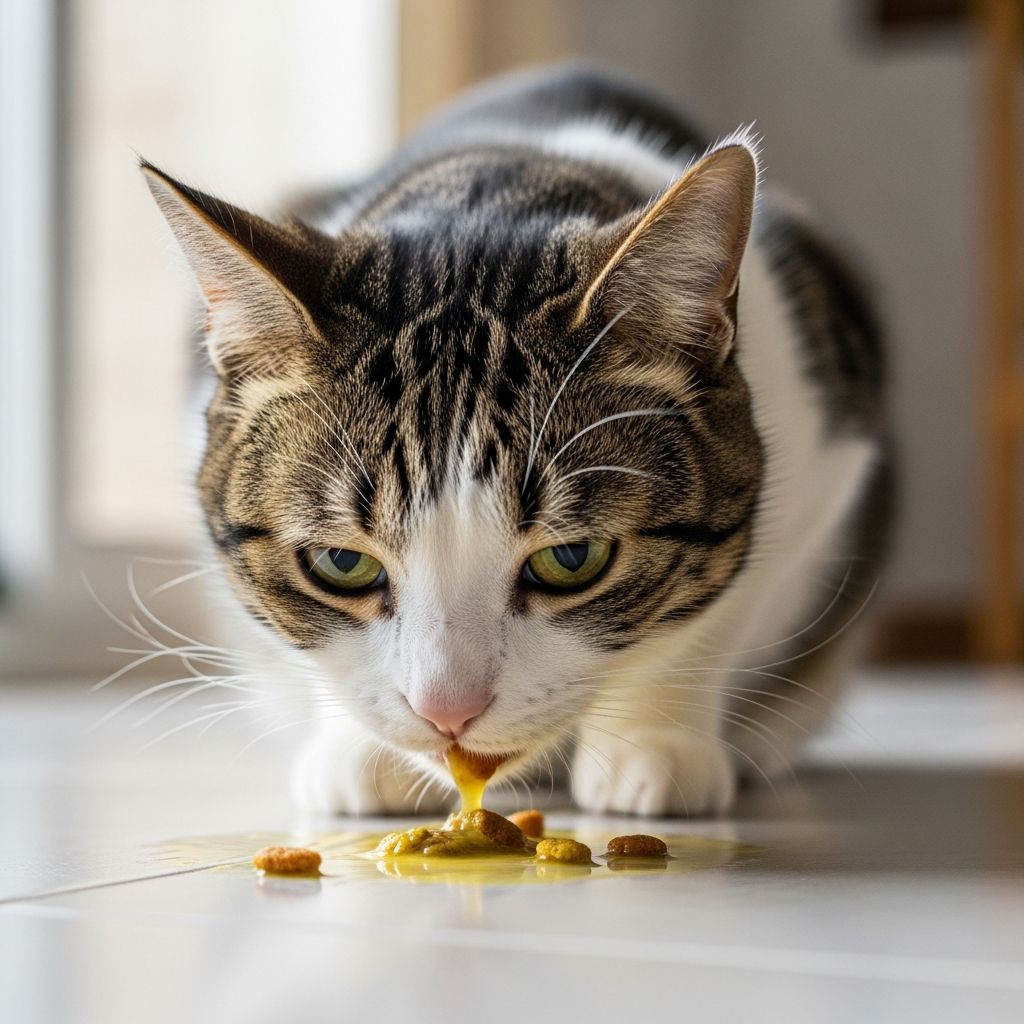
Vomiting is a common concern for cat owners, and while occasional vomiting may not require immediate attention, understanding the underlying causes is essential for maintaining your cat’s health. Cats vomit for various reasons, ranging from minor issues like eating too quickly to serious medical conditions. This comprehensive guide explores the causes of cat vomiting, appropriate treatments, and when you should seek professional veterinary care.
Understanding Acute vs. Chronic Vomiting
Before addressing specific causes, it’s important to distinguish between two main categories of vomiting in cats: acute and chronic vomiting.
Acute Vomiting
Acute vomiting refers to a sudden onset of vomiting that typically lasts for less than two to three days. This type often results from eating something inappropriate, intestinal parasites, pancreatitis, or bacterial or viral infections. The good news is that most cases of acute vomiting resolve quickly with simple treatment once the underlying cause is identified and addressed.
Chronic Vomiting
Chronic vomiting occurs repeatedly over weeks or months and generally indicates an underlying disease that requires ongoing management. Cats with conditions such as inflammatory bowel disease, cancer, kidney disease, or hyperthyroidism may experience recurring bouts of vomiting due to their chronic illnesses.
Common Causes of Cat Vomiting
Hairballs and Excessive Grooming
One of the most familiar causes of vomiting in cats is hairballs. When cats groom themselves, loose fur is ingested and typically passes through the digestive system without issue. However, accumulated fur can form a hairball in the stomach, which is eventually expelled through vomiting. Long-haired breeds and cats that groom excessively are more prone to this problem. While occasional hairballs are normal, frequent vomiting of hairballs could indicate an underlying gastrointestinal problem or excessive grooming due to stress or skin conditions.
Dietary Indiscretion and Food Sensitivities
Dietary indiscretion occurs when a cat eats something that doesn’t agree with its stomach, such as human food, spoiled kibble, or even non-food items. Some cats develop food allergies or sensitivities that lead to chronic vomiting. If your cat vomits after eating, it may have an intolerance to certain ingredients or specific proteins. Switching to a high-quality, easily digestible diet under veterinary guidance may help resolve the issue.
Intestinal Parasites
Intestinal parasites such as roundworms and hookworms can infest your cat’s gastrointestinal tract and cause vomiting, along with diarrhea and weight loss. Regular deworming and preventive treatments can help keep parasites at bay. If you suspect your cat has worms, bring a fresh stool sample to your veterinarian for analysis.
Eating Too Quickly
Some cats eat their food too rapidly, which can trigger vomiting shortly after meals. This behavior often results in undigested food being expelled, which can indicate the cat has eaten too much or too quickly. Feeding your cat smaller, more frequent meals or using specially designed slow-feed bowls may help address this issue.
Serious Health Conditions Associated with Vomiting
Gastrointestinal Disorders
Several gastrointestinal conditions can cause vomiting in cats:
Inflammatory Bowel Disease (IBD): This chronic condition is characterized by inflammation of the gastrointestinal tract, leading to vomiting, diarrhea, and weight loss. A thorough examination by your veterinarian, including blood work and possibly a biopsy, is necessary for accurate diagnosis.
Gastroenteritis: Inflammation of the stomach and intestines, often caused by infections, dietary indiscretion, or parasites, can result in acute vomiting.
Chronic Inflammatory Enteropathy (CIE): A chronic condition that causes inflammation of the digestive tract, leading to vomiting, diarrhea, and weight loss.
Intestinal Blockages: Foreign objects such as string, rubber bands, or plastic can obstruct the digestive tract, leading to persistent vomiting and refusal to eat. This is a serious condition requiring immediate veterinary attention.
Kidney Disease
Vomiting is a common symptom of kidney disease, particularly in older cats. As kidney function declines, toxins build up in the bloodstream, leading to nausea and vomiting. Cats with kidney disease may also show signs of increased thirst, weight loss, and poor appetite. Chronic kidney disease (CKD) is prevalent in senior cats and requires special kidney-friendly dietary management and veterinary oversight.
Liver Problems
Liver disease can contribute to vomiting, often accompanied by jaundice (yellowing of the skin and eyes), lethargy, and changes in behavior. These signs warrant immediate veterinary evaluation.
Pancreatitis
Pancreatitis, or inflammation of the pancreas, can cause vomiting, abdominal pain, and loss of appetite. This condition may develop suddenly or become chronic, requiring ongoing management. The exact cause is often unknown, but it can be triggered by a high-fat diet, obesity, certain medications, or other underlying health conditions.
Endocrine Disorders
Endocrine disorders, such as hyperthyroidism, can lead to frequent vomiting. Cats with hyperthyroidism often exhibit increased hunger, weight loss, hyperactivity, and restlessness. These conditions require veterinary diagnosis and appropriate treatment.
Infections and Parasites
Bacterial, viral, and parasitic infections can irritate a cat’s digestive system and result in vomiting. Feline panleukopenia virus (FPV), a severe viral infection, often leads to persistent vomiting and diarrhea. Regular veterinary check-ups and parasite prevention are essential in reducing the risk of these infections.
Cancer
Cancer can occur in the stomach, small intestine, large intestine, or rectum and may cause vomiting as a direct symptom or indirectly through related complications. The most common type of gastrointestinal cancer in cats is small cell lymphoma.
Interpreting Your Cat’s Vomit
The appearance and composition of your cat’s vomit can provide valuable clues about the underlying cause:
– Undigested food: Can indicate poisoning, anxiety, or simply that your cat has eaten too much or too quickly.- Large amounts of mucus: May indicate an inflamed intestine.- Bile (yellowish or greenish): May be an indication of pancreatitis or inflammatory bowel disease.- Red blood: A sign that your cat’s stomach may be ulcerated.- Strong-smelling vomit: May indicate an intestinal obstruction.
Treatment Options for Cat Vomiting
Dietary Management
For both chronic and acutely vomiting cats, one of the most important treatments is dietary change. For acute vomiting cases, this might involve a temporary change to an easily digestible diet, such as specialized gastrointestinal formulas or bland human foods like boiled chicken or meat-flavored baby food (without onion or garlic powder). Keep in mind that these are not complete diets and should only be used for a few days.
For cats with chronic vomiting, a diet change can be therapeutic as well as diagnostic. If the new food controls the vomiting, it was partially caused by the previous diet. Cats with sensitive stomachs may benefit from specially formulated GI support diets.
Fasting and Rest
Generally, treatment for short-term vomiting requires withholding food for 24 hours to allow the digestive system to rest. Water should only be withheld if specifically recommended by your veterinarian. After the fasting period, gradually reintroduce food in small, frequent meals.
Medications
Anti-Emetic Medications: Another common therapy for most kinds of vomiting is giving an anti-emetic (anti-vomiting) medication, which can help stop vomiting and decrease fluid loss. These medicines can also help relieve abdominal discomfort and make the cat more prone to eating. Common anti-emetics include maropitant and metoclopramide.
Stomach Protectants: Medications such as Pepcid or sucralfate might be indicated, though their helpfulness is sometimes debated. They typically do not cause harm.
Antacids: Medications like famotidine or omeprazole may be prescribed to reduce stomach acid.
Corticosteroids: For inflammatory bowel disease, prednisone may be recommended. However, prednisone has significant side effects, including increased thirst, increased urination, a weaker immune system, and weak muscles, so it should only be used under veterinary guidance.
Antibiotics: If bacterial infection is the cause, antibiotics such as ampicillin may be prescribed.
Deworming Medications: For parasitic infections, medications such as pyrantel or praziquantel are used.
Probiotics: These may be recommended to support digestive health.
Hospitalization and Supportive Care
Cats experiencing dehydration or severe illness generally need to be hospitalized and given intravenous fluids. This supportive care is crucial for maintaining your cat’s health while underlying conditions are being treated.
When to Seek Veterinary Care
While occasional vomiting may not require immediate medical attention, certain situations warrant prompt veterinary evaluation. Contact your veterinarian if your cat:
– Vomits more frequently than once per week- Shows signs of lethargy, weakness, or decreased appetite- Has blood in the vomit- Experiences persistent vomiting lasting more than a few days- Shows signs of dehydration- Refuses to eat or drink- Displays abdominal pain or distress- Has a suspected foreign body ingestion
Prevention and Home Care
Several measures can help reduce vomiting episodes in cats:
– Provide fresh water and encourage hydration after vomiting- Do not allow your cat to eat for 2-3 hours after vomiting- Feed smaller, more frequent meals rather than large portions- Use high-quality, easily digestible cat food- Maintain regular parasite prevention- Minimize stress in your cat’s environment- Ensure your cat is up-to-date on vaccinations- Keep toxic substances, medications, and foreign objects out of reach
Frequently Asked Questions
Q: Is it normal for cats to vomit occasionally?
A: Occasional vomiting, such as hairballs in long-haired cats, is relatively normal. However, vomiting more than once per week or accompanied by other symptoms like lethargy or decreased appetite warrants veterinary attention.
Q: Can I treat my cat’s vomiting at home?
A: For mild acute cases, home care such as fasting for 24 hours and providing easily digestible food may help. However, persistent or severe vomiting requires professional veterinary diagnosis and treatment to identify and address the underlying cause.
Q: What should I feed my vomiting cat?
A: For acute vomiting, temporarily switch to easily digestible foods like specialized GI formulas or bland options such as boiled chicken. For chronic vomiting, your veterinarian may recommend prescription digestive care diets formulated for sensitive stomachs.
Q: How is cat vomiting diagnosed?
A: Your veterinarian will perform a physical examination, review your cat’s history, and may recommend blood work, urinalysis, fecal examination, imaging (X-rays or ultrasound), or other diagnostic tests to identify the underlying cause.
Q: Is vomiting in senior cats always serious?
A: While senior cats are more prone to serious conditions like kidney disease that cause vomiting, not all vomiting in older cats indicates a severe problem. However, prompt veterinary evaluation is important to rule out serious underlying conditions.
Q: Can dietary changes alone stop my cat’s vomiting?
A: For some cats with food sensitivities or dietary indiscretion, changing to a high-quality, easily digestible diet may resolve vomiting. For others with underlying medical conditions, dietary changes alone may not be sufficient, and additional treatment is necessary.
References
- Cat Vomiting: Causes and How to Help — Pinnacle Veterinary Specialists. 2024. https://pinnacle.vet/blog/cat-vomiting/
- Is Your Cat Vomiting? A Complete Guide to Causes and Care — Best Friends Animal Society. 2024. https://bestfriends.org/pet-care-resources/cat-throwing-causes-when-see-vet-treatment
- Cat Vomiting: 10 Causes and How to Help — Lagniappe Animal Health. 2024. https://lagniappeanimalhealth.com/blog/cat-vomiting-causes-in-ruston-la/
- Cat Vomiting: Causes, Types, and What to Do — PetMD. 2024. https://www.petmd.com/cat/symptoms/cat-vomiting-causes-and-types
- My Cat Won’t Stop Vomiting: What to Do & When to Worry — Heart of Georgia Animal Care. 2023. https://www.heartofgeorgiaanimalcare.com/site/blog/2023/03/15/cat-wont-stop-vomiting
- Vomiting in Cats – Cat Owners — Merck Veterinary Manual. 2024. https://www.merckvetmanual.com/cat-owners/digestive-disorders-of-cats/vomiting-in-cats
- Vomiting — Cornell University College of Veterinary Medicine. 2024. https://www.vet.cornell.edu/departments-centers-and-institutes/cornell-feline-health-center/health-information/feline-health-topics/vomiting
Similar Articles








Read full bio of Sneha Tete