

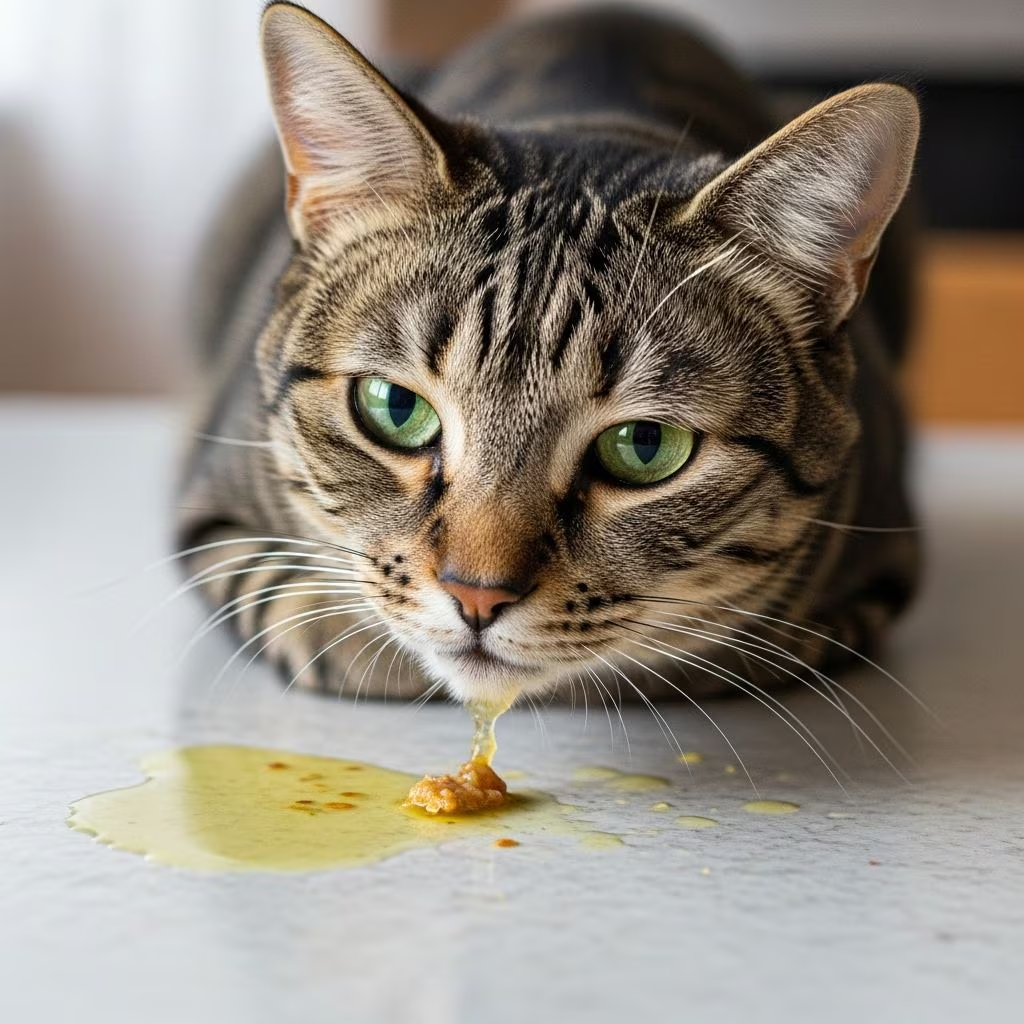
Understanding Vomiting in Cats
Vomiting is a common concern for cat owners, and while occasional vomiting may not require immediate medical attention, it’s important to understand what causes this symptom and when professional veterinary care is necessary. Cats vomit for various reasons, ranging from minor irritations like eating too quickly to more serious gastrointestinal diseases, infections, or organ dysfunction. Understanding the difference between normal occasional vomiting and problematic frequent vomiting can help you provide the best care for your feline companion.
Common Causes of Vomiting in Cats
Hairballs and Grooming-Related Issues
One of the most frequently encountered causes of vomiting in cats is the formation of hairballs. When cats groom themselves, they ingest loose fur that typically passes through their digestive system without incident. However, in some cases, this fur accumulates in the stomach and forms a hairball, which is eventually expelled through vomiting. Long-haired cat breeds and cats that engage in excessive grooming are particularly prone to this issue. While occasional hairballs are considered a normal part of cat ownership, frequent vomiting of hairballs may indicate an underlying gastrointestinal problem or excessive grooming caused by stress or skin conditions that require veterinary attention.
Dietary Indiscretion and Food Sensitivities
Dietary indiscretion occurs when a cat consumes something that doesn’t agree with its stomach, such as human food, spoiled kibble, or even non-food items. Many cats also develop food allergies or sensitivities to certain ingredients or proteins, leading to chronic vomiting. A sudden change in diet can also trigger vomiting episodes. If your cat frequently vomits after eating, it may have an intolerance to ingredients in its current food. Switching to a high-quality, easily digestible diet under the guidance of your veterinarian may help resolve the issue. In some cases, a bland diet such as boiled chicken or prescription gastrointestinal formulas can be beneficial during recovery periods.
Intestinal Parasites
Intestinal parasites such as roundworms and hookworms can infest your cat’s gastrointestinal tract and cause vomiting, along with diarrhea and weight loss. Kittens and outdoor cats are particularly susceptible to parasitic infections. Regular veterinary check-ups, deworming medications, and parasite prevention protocols are essential in reducing the risk of these infections. If you suspect your cat has parasites, bring a fresh stool sample to your veterinarian for analysis and appropriate treatment.
Serious Health Conditions Associated with Vomiting
Gastrointestinal Diseases and Disorders
Several serious gastrointestinal conditions can cause persistent vomiting in cats and require professional diagnosis and treatment:
Chronic Inflammatory Enteropathy (CIE): This chronic condition causes inflammation of the digestive tract, leading to vomiting, diarrhea, and weight loss. Diagnosis typically requires blood work and possibly a biopsy, with treatment involving dietary modifications and medications like corticosteroids.
Gastroenteritis: Inflammation of the stomach and intestines can result from infections, dietary indiscretion, or parasites. This condition may cause acute or chronic vomiting depending on the underlying cause.
Inflammatory Bowel Disease (IBD): A chronic condition characterized by inflammation of the gastrointestinal tract, IBD causes vomiting, diarrhea, and weight loss. Treatment often involves dietary changes, medication such as prednisone, and stress management.
Intestinal Blockages: Foreign objects such as string, rubber bands, toys, or plastic can obstruct the digestive tract, leading to persistent vomiting and refusal to eat. This condition often requires surgical intervention and represents a medical emergency.
Kidney and Liver Disease
Vomiting is a common symptom of kidney disease, particularly in older cats. As kidney function declines, toxins accumulate in the bloodstream, leading to nausea and vomiting. Cats with kidney disease typically show additional signs of increased thirst, weight loss, and poor appetite. Liver disease can also contribute to vomiting, often accompanied by jaundice (yellowing of the skin and eyes), lethargy, and behavioral changes. Early detection through blood work and appropriate management with kidney-friendly diets can help slow disease progression.
Pancreatitis and Endocrine Disorders
Pancreatitis, or inflammation of the pancreas, causes vomiting, abdominal pain, and loss of appetite. This condition may develop suddenly or become chronic, requiring ongoing management. The exact cause is often unknown, but high-fat diets, obesity, certain medications, and underlying health conditions can trigger pancreatitis.
Endocrine disorders, such as hyperthyroidism (overactive thyroid gland), frequently lead to vomiting. Cats with hyperthyroidism often display increased hunger, weight loss despite eating more, hyperactivity, and restlessness. Blood tests can confirm hyperthyroidism, and various treatment options are available to manage this condition.
Cancer
Vomiting can be a sign of cancer affecting the gastrointestinal system. The most common type in cats is gastrointestinal small cell lymphoma, which can occur in the stomach, small intestine, large intestine, or rectum. Cancer can cause both direct vomiting (from tumors in the digestive tract) and indirect vomiting (from systemic effects of cancer elsewhere in the body).
Infections
Bacterial, viral, and parasitic infections can irritate a cat’s digestive system and result in vomiting. Feline panleukopenia virus (FPV), a severe viral infection, often leads to persistent vomiting and diarrhea. Feline infectious peritonitis and other viral infections can also cause vomiting as part of systemic illness. Regular vaccinations and preventive care help reduce infection risks.
Acute versus Chronic Vomiting
Acute Vomiting
Acute vomiting refers to a sudden onset of vomiting that typically lasts less than two to three days. Common causes include eating something inappropriate, intestinal parasites, pancreatitis, bacterial or viral infections, and dietary indiscretion. Once the underlying cause is identified and treated, acute vomiting generally resolves quickly with simple treatment. Most cases of acute vomiting resolve without complications with appropriate veterinary care.
Chronic Vomiting
Chronic vomiting generally occurs in cats with underlying diseases that must be managed over time. Cats with inflammatory bowel disease, cancer, kidney disease, hyperthyroidism, or liver disease may experience vomiting episodes intermittently for weeks or months. Chronic vomiting requires ongoing management, dietary modifications, and medications to control symptoms and manage the underlying condition. A diet change can be both therapeutic and diagnostic for chronic vomiting cases, as improvement with new food may indicate the original diet was partially responsible.
Interpreting Vomit Appearance
The characteristics of your cat’s vomit can provide valuable diagnostic information:
Large amounts of mucus: Could indicate an inflamed intestine or digestive tract irritation.
Undigested food: May indicate poisoning, anxiety, or that your cat has eaten too much or too quickly.
Bile presence: Often indicates pancreatitis or inflammatory bowel disease. Bile-stained vomit appears greenish-yellow.
Red blood: Suggests gastric ulceration or severe stomach inflammation and requires immediate veterinary attention.
Strong odor: May indicate an intestinal obstruction or severe gastrointestinal disease.
Diagnostic Approach
When your cat presents with vomiting, your veterinarian will take a thorough medical history and perform a physical examination. Diagnostic tools may include:
Blood work to assess organ function, check for infections, and evaluate metabolic status. Urinalysis to rule out kidney disease or urinary tract issues. Imaging studies such as X-rays or ultrasound to identify foreign bodies, obstruction, or organ abnormalities. Fecal analysis to check for intestinal parasites. In some cases, endoscopy or biopsy may be necessary to examine the digestive tract directly and obtain tissue samples.
Treatment Options for Cat Vomiting
Dietary Management
One of the most important treatments for both acute and chronic vomiting is dietary modification. For acute vomiting, this typically involves a temporary change to an easily digestible diet such as prescription gastrointestinal formulas, Hill’s ID, or Royal Canin Gastrointestinal High Energy cat food. Bland human foods like meat-flavored baby food without onion or garlic powder, or boiled chicken can be used temporarily. Keep in mind these are not complete diets and should only be used for a few days.
For chronic vomiting, a permanent diet change to high-quality, easily digestible food can be both therapeutic and diagnostic. If vomiting improves with the new diet, the original food was likely partially responsible. Your veterinarian can recommend appropriate commercial diets or discuss specialized feeding protocols tailored to your cat’s specific condition.
Medication Therapy
Several medications can effectively manage vomiting in cats. Anti-emetic (anti-vomiting) medications such as maropitant or metoclopramide help stop vomiting and decrease fluid loss. These medications also help relieve abdominal discomfort and encourage eating. Antacids like famotidine or omeprazole can protect the stomach lining. For inflammatory bowel disease, corticosteroids such as prednisolone are often prescribed. Antibiotics address bacterial infections, while deworming medications treat parasitic infections. Probiotics may support digestive health. Pain medications can be added if anti-emetics don’t provide adequate comfort.
Fluid and Electrolyte Management
Cats experiencing dehydration or severe illness generally require hospitalization and intravenous fluid therapy. This helps restore fluid balance, provides electrolytes, and allows the digestive system to rest while medications take effect.
Initial Care at Home
For mild acute vomiting, withhold food for 24 hours to allow the digestive system to rest. Fresh water should remain available, though some cats may need water withheld briefly if vomiting is severe. After the fasting period, offer small amounts of bland food. Encourage drinking to maintain hydration. Monitor your cat closely for signs of improvement or worsening.
When to Seek Veterinary Care
Contact your veterinarian immediately if your cat experiences:
Frequent or persistent vomiting lasting more than a few hours. Vomiting accompanied by lethargy, loss of appetite, or abdominal pain. Blood in vomit or dark, coffee-ground-like vomit. Vomiting combined with diarrhea or constipation. Signs of dehydration such as dry gums or skin tenting. Inability to keep food or water down. A known ingestion of a foreign object or toxin. Any other concerning symptoms accompanying the vomiting.
Prevention Strategies
While not all vomiting can be prevented, several measures can reduce the risk. Maintain a high-quality, consistent diet appropriate for your cat’s age and health status. Prevent access to human foods, toxic plants like lilies, antifreeze, and small objects that could be swallowed. Keep your cat’s grooming area clean and provide regular brushing to reduce hairball formation. Ensure your cat receives routine preventive care including vaccinations and parasite prevention. Minimize stress through environmental enrichment and consistent routines. Maintain appropriate weight to reduce disease risk. Schedule regular veterinary check-ups for early detection of health issues.
Frequently Asked Questions
Q: Is occasional vomiting normal in cats?
A: Yes, occasional vomiting can be normal, particularly hairballs. However, if your cat vomits frequently or shows other concerning symptoms, veterinary evaluation is warranted.
Q: How long should I fast my cat after vomiting?
A: Generally, withhold food for 24 hours after an episode of acute vomiting to allow the digestive system to rest. Water should remain available unless vomiting is severe.
Q: What should I feed my cat after vomiting?
A: After the fasting period, offer small amounts of bland, easily digestible food such as boiled chicken, prescription gastrointestinal diet, or Hill’s ID. Gradually return to regular food over several days.
Q: Can stress cause vomiting in cats?
A: Yes, stress can contribute to vomiting and excessive grooming, which can lead to hairballs. Providing environmental enrichment and minimizing stress is important for your cat’s digestive health.
Q: What’s the difference between vomiting and regurgitation?
A: Vomiting involves active muscle contractions and typically brings up partially digested food, while regurgitation is passive and brings up undigested food that has only been in the esophagus.
Q: How is hyperthyroidism-related vomiting treated?
A: Hyperthyroidism is treated through medication (methimazole), radioactive iodine therapy, or surgery. Once thyroid levels normalize, vomiting typically improves.
Q: Should I be concerned about a cat vomiting once?
A: A single vomiting episode is usually not concerning if your cat appears otherwise normal. However, monitor your cat closely and contact your vet if vomiting recurs or other symptoms develop.
References
- Vomiting in Cats — VCA Animal Hospitals. 2024. https://vcahospitals.com/know-your-pet/vomiting-in-cats
- Vomiting in Cats – Cat Owners — Merck Veterinary Manual. 2024. https://www.merckvetmanual.com/cat-owners/digestive-disorders-of-cats/vomiting-in-cats
- Vomiting — Cornell University College of Veterinary Medicine, Cornell Feline Health Center. 2024. https://www.vet.cornell.edu/departments-centers-and-institutes/cornell-feline-health-center/health-information/feline-health-topics/vomiting
- Cat Vomiting: Causes and How to Help — Pinnacle Veterinary Care. 2024. https://pinnacle.vet/blog/cat-vomiting/
- Cat Vomiting: Causes, Types, and What to Do — PetMD. 2024. https://www.petmd.com/cat/symptoms/cat-vomiting-causes-and-types
- Is Your Cat Vomiting? A Complete Guide to Causes and Care — Best Friends Animal Society. 2024. https://bestfriends.org/pet-care-resources/cat-throwing-causes-when-see-vet-treatment



