

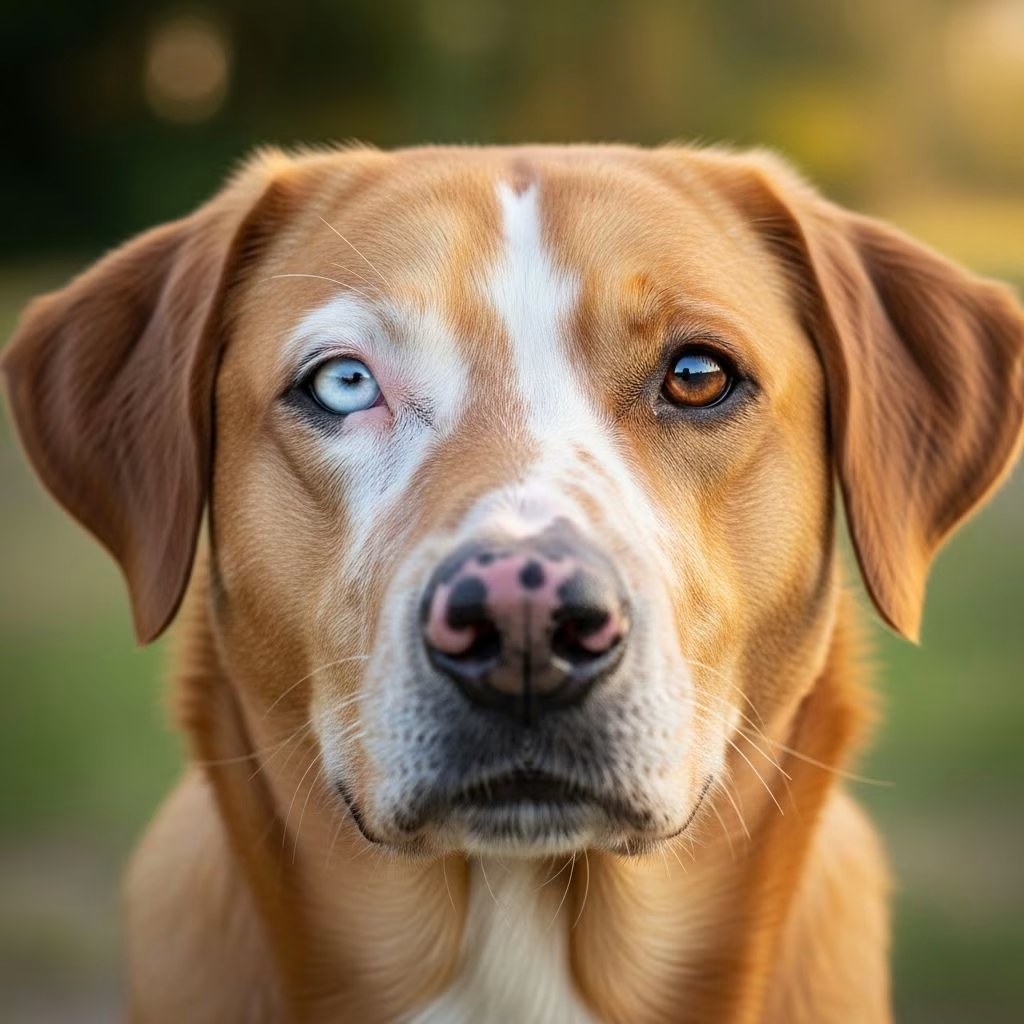
Vitiligo in dogs is a skin condition characterized by the progressive loss of pigmentation, resulting in white or pink patches on the skin and coat where color once existed. This primarily cosmetic issue arises from the destruction or dysfunction of melanocytes, the cells responsible for producing melanin, the pigment that colors skin, hair, and mucous membranes.
Recognizing the Signs of Canine Vitiligo
The hallmark of vitiligo is **depigmentation**, often starting around the face, eyes, nose, and lips, progressing to symmetrical white patches. Owners may first notice lightening of the nose leather or eyelids, followed by spread to paw pads, claws, scrotum, or trunk. Unlike hair loss conditions, affected areas typically retain normal hair texture but lose color, sometimes affecting only black hairs in follicular vitiligo.
- Initial spots around mucous membranes like lips and eyelids
- Bilateral symmetry, especially on the muzzle
- Progression to paws, tail, or generalized body coverage
- No itching, pain, or scaling in classic cases
Early detection is key, as progression varies; some dogs stabilize, while others experience rapid spread. Distinguish from post-inflammatory hypopigmentation, where irritation precedes color loss.
Primary Causes and Risk Factors
Vitiligo stems from multiple pathways, with **autoimmune destruction of melanocytes** most commonly implicated. The immune system mistakenly targets these pigment cells via autoantibodies, T-lymphocytes, or innate immune activation, triggered by oxidative stress exposing hidden antigens.
Genetic predisposition heightens risk in certain breeds:
| Breed | Predisposition Level | Common Sites |
|---|---|---|
| Rottweiler | High | Face, paws |
| Golden Retriever | High | Muzzle, eyes |
| Belgian Tervuren | High | Nose, lips |
| Siberian Husky | Moderate | Generalized |
| Doberman Pinscher | Moderate | Paw pads |
Environmental triggers include stress, toxins, trauma, microbial imbalances, and neural factors. Underlying diseases like hypothyroidism, lupus erythematosus, or metabolic disorders can mimic or exacerbate vitiligo, necessitating thorough screening.
Breeds Most Susceptible to Pigmentation Disorders
While any dog can develop vitiligo, heritable forms cluster in breeds with merle or piebald coats. Rottweilers often show facial and oral involvement, progressing multifocally. German Shepherds and Huskies exhibit stress-induced cases, while Shepherd mixes display symmetrical nose depigmentation. Environmental sun exposure worsens risks in light-skinned breeds via photo-induced melanocyte damage.
Diagnostic Approaches for Accurate Identification
Diagnosis relies on clinical presentation: sharp-edged white patches without inflammation. Rule out differentials like pyoderma, lupus, or neoplasia via:
- History and physical exam focusing on progression and symmetry
- Blood tests for thyroid function, autoimmune markers
- Skin scrapings or cytology to exclude infections
- Biopsy for histopathology confirming melanocyte absence
Histology reveals normal epidermis with absent melanocytes, supporting idiopathic vitiligo over secondary causes.
Management Strategies: From Benign Neglect to Targeted Therapies
Since vitiligo is non-painful and not life-threatening, **benign neglect** suits many cases, especially with spontaneous remission reported. Monitor for progression or concurrent illness.
Active options include:
- Sun exposure: Controlled UV stimulates melanocyte regeneration.
- Supplements: L-phenylalanine (systemic for 6 months), Omega-3 fatty acids, Vitamin C to bolster antioxidants and melanin synthesis.
- Topical therapies: Tacrolimus or glucocorticoid ointments reduce local autoimmunity without systemic risks.
- Phototherapy: Psoralens + UVA (PUVA) or ammoidin + solar exposure yielded repigmentation in studies.
Avoid systemic steroids or immunosuppressants like cyclosporine due to side effects outweighing cosmetic benefits. Treat comorbidities (e.g., hypothyroidism) to halt progression.
Potential Complications and When to Seek Veterinary Care
Complications are rare but include increased sunburn risk on depigmented areas, secondary infections, or masking serious diseases. Consult a vet if:
- Depigmentation spreads rapidly
- Accompanied by lethargy, hair loss, or ulceration
- Recent toxin exposure or stress
Annual check-ups for predisposed breeds aid early intervention.
Lifestyle Adjustments to Support Pigment Recovery
Reduce stress through routine exercise, puzzle toys, and stable environments. Antioxidant-rich diets with fish oils combat oxidative triggers. Limit sun in peak hours for pale noses; use pet-safe sunscreens.
Prognosis and Long-Term Outlook
Most dogs live normally with vitiligo; repigmentation occurs in 20-30% spontaneously or with therapy. Progression halts in stable cases, though full reversal is uncommon. Owners embrace the unique look, focusing on health over appearance.
Frequently Asked Questions (FAQs)
Is vitiligo in dogs painful?
No, it is purely cosmetic without discomfort unless secondary issues arise.
Can vitiligo be cured completely?
Not always, but management often stabilizes or reverses patches partially.
Does diet help with dog vitiligo?
Yes, Omega-3s, Vitamin C, and L-phenylalanine support melanocyte health.
Is vitiligo hereditary in dogs?
Frequently, especially in Rottweilers and Retrievers.
Should I treat my dog’s vitiligo?
Discuss with a vet; many opt for monitoring over intervention.
References
- Vitiligo in a Dog: A Rottweiler Case — DermaVet. 2023. https://pro.dermavet.com/vitiligo-in-a-dog/
- Can Dogs Have Vitiligo? — Petcube. 2024. https://petcube.com/blog/can-dogs-have-vitiligo/
- Pigment Loss in Dogs & Cats — Tri-County Animal Hospital. 2023. https://tricountyah.com/pet-health/pigment-loss/
- Vitiligo in Dogs and Cats: Everything You Need to Know — PetMD. 2024-02-15. https://www.petmd.com/dog/general-health/vitiligo-dogs-and-cats-everything-you-need-know
- Vitiligo in Dogs: Symptoms, Treatment and Diagnosis — OMICS International. 2015. https://www.omicsonline.org/open-access-pdfs/vitiligo-in-dogs-symptoms-treatment-and-diagnosis.pdf



