
Vitamin Shortages In Poultry: 10 Common Deficiencies And Fixes
Understand the causes, symptoms, and solutions for essential vitamin shortages affecting poultry growth, egg production, and overall health.
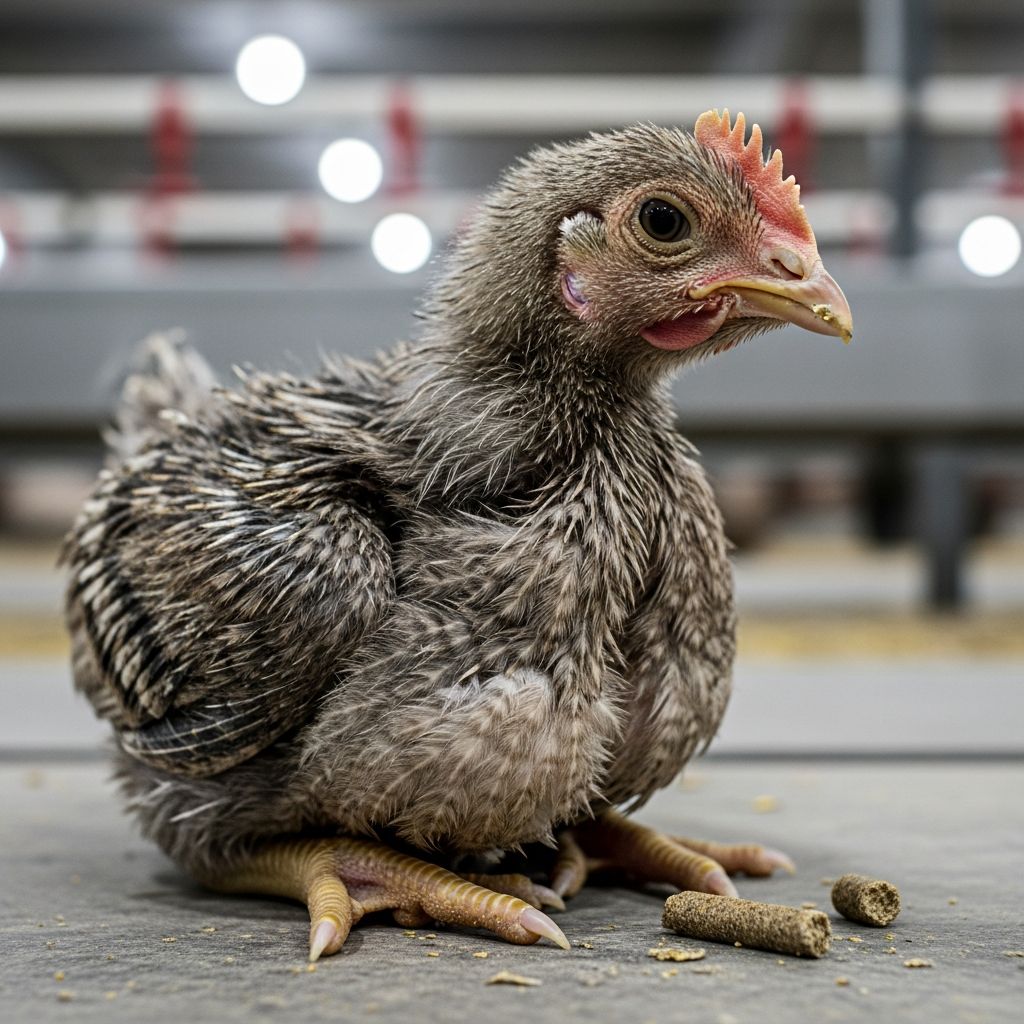
Poultry farmers often face challenges from vitamin shortages that impair growth, reproduction, and immunity in birds. These nutritional gaps arise from imbalanced feeds, poor storage, or environmental factors, leading to widespread health issues across flocks.
Why Vitamins Matter for Bird Health
Vitamins serve as vital cofactors in metabolic processes, supporting vision, bone formation, muscle function, and immune responses in chickens, turkeys, and other poultry. Fat-soluble vitamins like A, D, E, and K store in tissues, while water-soluble B vitamins require steady intake to avoid rapid depletion.
Inadequate levels trigger subtle early signs such as lethargy or reduced feed intake, progressing to severe conditions like paralysis or organ failure if unaddressed. Commercial operations and backyard setups alike benefit from routine monitoring to prevent economic losses from poor productivity.
Recognizing Fat-Soluble Vitamin Gaps
Vitamin A Insufficiency
Birds lacking sufficient vitamin A experience vision problems, respiratory issues, and reproductive declines. Young chicks show stunted growth starting around three weeks, with sticky eye discharges, swelling, and unsteady movements.
- Droopiness and ruffled feathers signal early distress.
- Ataxia and hydrocephalus appear in advanced cases.
- Mature hens exhibit nasal inflammation, low egg yields, and poor hatch rates.
Postmortem exams reveal eye lesions and mucosal keratinization, confirming the diagnosis.
Vitamin D Shortfalls
Vital for calcium absorption, vitamin D shortages cause rickets in chicks and osteoporosis in layers. Confined birds without sunlight exposure demand higher dietary levels, exacerbated by mycotoxins blocking uptake.
- Chicks display bowed legs, soft beaks, and hock sitting.
- Adults produce thin-shelled eggs and suffer bone fragility.
- Enlarged bone epiphyses and soft skeletons mark necropsy findings.
Supplementation restores shell quality within weeks.
Vitamin E Deficiency Effects
Known as the anti-sterility vitamin, shortages lead to encephalomalacia or “crazy chick disease,” with brain softening and coordination loss. Hens face hatchability drops and muscular dystrophy.
| Age Group | Key Symptoms | Necropsy Notes |
|---|---|---|
| Chicks | Staggering, splayed legs, wry neck | Brain hemorrhages, green-tinted edema |
| Adults | Muscle weakness, poor fertility | Exudative diathesis, thigh discoloration |
Vitamin K Lack
Essential for blood clotting, its absence causes excessive bruising and internal bleeding. Poultry on moldy feeds or antibiotics disrupting gut bacteria are at risk.
Water-Soluble B Vitamin Deficiencies
Thiamine (B1) Shortage
Thiamine powers nerve function; deficits manifest as leg paralysis progressing to neck retraction or “stargazing.” Affected birds starve due to anorexia.
- Toe flexors weaken first, leading to star-gazing posture.
- Injectable doses revive severe cases quickly.
Riboflavin (B2) Issues
Growth promoter riboflavin gaps cause curly toe paralysis in chicks aged 8-14 days. Birds rest on hocks with clenched toes and rough skin.
Niacin (B3) Deficiency
Bone and skin health suffer, with swollen hocks, bowed legs, and dermatitis on feet. Appetite loss and diarrhea compound growth delays.
- Adults show weight loss and fertility drops.
- Brewer’s yeast provides natural relief.
Pantothenic Acid (B5) Gaps
Rare but mimicking biotin issues, it leads to crusty eyes, cracked footpads, and perosis. Hormonal disruptions affect layers.
Biotin (B7) Shortfalls
Skin lesions, footpad dermatitis, and poor feathering plague deficient flocks. Bacterial infections rise from compromised barriers.
Vitamin B12 Deficiency
Critical for blood and nerve health, shortages stunt growth, cause anemia, and reduce egg hatchability. Embryos perish late in incubation.
Common Signs Across Deficiencies
Overlapping symptoms complicate diagnosis: ruffled feathers, weakness, diarrhea, and poor feathering appear in multiple shortages.
| Symptom | Possible Vitamins |
|---|---|
| Leg weakness/curled toes | B2, D, E, Biotin |
| Poor growth/weight loss | A, B12, Niacin |
| Eye/nasal issues | A, Pantothenic acid |
| Thin shells/low production | D, E |
Root Causes of Vitamin Imbalances
- Feed Quality: Rancid oils, mycotoxins, or overheated ingredients destroy vitamins.
- Storage/Processing: Prolonged exposure to heat, light, or moisture degrades sensitive nutrients.
- Environmental Factors: No sunlight for D synthesis; high linoleic acid feeds deplete E.
- Life Stage Needs: Breeders and fast-growing broilers require elevated levels.
Prevention and Management Strategies
Balanced commercial feeds meet most needs, but backyard flocks benefit from fresh greens, insects, and sunlight. Test feeds periodically for potency.
- Add water-soluble vitamins during stress like heat or transport.
- Include fish meal or yeast for B vitamins; cod liver oil for A/D.
- Mycotoxin binders protect absorption.
For outbreaks, dose water with multivitamins; severe cases need injections. Monitor egg quality and chick vigor for early detection.
Diagnostic Approaches
Observe flocks daily: measure growth rates, shell thickness, and hatch success. Necropsies reveal bone softness or brain lesions. Lab assays confirm blood vitamin levels, though clinical signs often suffice.
Boosting Flock Nutrition Naturally
Incorporate fermented feeds, sprouted grains, and free-ranging to enhance bioavailability. Oyster shells aid D utilization; sunflower seeds supply E.
Frequently Asked Questions
How quickly do vitamin fixes work?
Water supplementation improves signs in days for B vitamins; fat-solubles take 1-2 weeks.
Can over-supplementation harm birds?
Excess A/D can toxify; stick to recommended levels.
Are backyard chickens more prone?
Yes, due to variable diets versus formulated feeds.
What about mineral interactions?
Calcium imbalances worsen D shortages; balance ratios carefully.
Is testing feed worth it?
Essential for recurrent issues to identify toxins or degradation.
Long-Term Flock Wellness
Proactive nutrition sustains productivity, cutting losses from disease. Regular health checks and feed audits ensure robust poultry operations.
References
- Vitamin Deficiencies in Poultry Birds: Causes, Signs & Treatments — Bivatec. 2023. https://www.bivatec.com/blog/vitamin-deficiencies-in-poultry-birds-avitaminoses
- Vitamin B1 Deficiency – Diseases of Poultry — The Poultry Site. 2022. https://www.thepoultrysite.com/publications/diseases-of-poultry/216/vitamin-bi-deficiency
- 40+ Signs of a Vitamin-Deficient Chicken — Our Way of Life. 2021. https://ourwayoflife.co.nz/40-signs-of-a-vitamin-deficient-chicken-plus-how-to-ensure-your-chooks-get-enough-vitamins/
- Does My Chicken Have a Vitamin or Mineral Deficiency? — Dine a Chook. 2023. https://www.dineachook.com.au/blog/does-my-chicken-have-a-vitamin-or-mineral-deficiency/
- 10 Symptoms of Nutritional Deficiency in Poultry — Ward Laboratories. 2022. https://www.wardlab.com/10-symptoms-of-nutritional-deficiency-in-poultry/
- Vitamin Deficiencies in Backyard Chicks and Chickens — Tilly’s Nest. 2014. https://www.tillysnest.com/2014/03/vitamin-deficiencies-in-backyard-chicks-html/
- Common Nutritional Deficiencies in Backyard Chickens — Grubbly Farms. 2023. https://grubblyfarms.com/blogs/the-flyer/common-nutritional-deficiencies-in-backyard-chickens
Similar Articles








Read full bio of medha deb


