

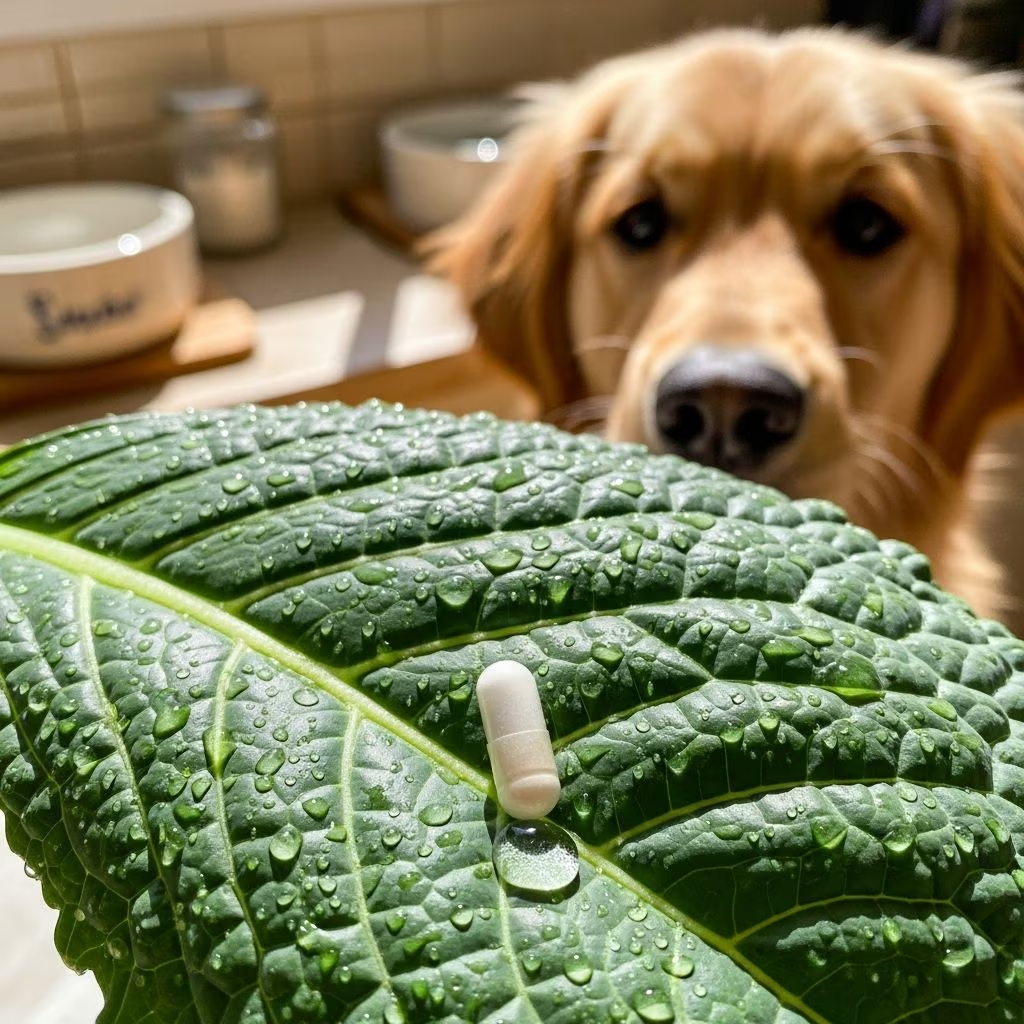
Vitamin K1, also known as phytonadione, plays a pivotal role in canine physiology, particularly in blood coagulation and counteracting anticoagulant toxicities. This fat-soluble vitamin is indispensable for dogs exposed to rodenticides or suffering from certain medical conditions.
The Fundamental Role of Vitamin K1 in Dogs
Vitamin K1 is crucial for the synthesis of clotting factors in the liver, enabling blood to coagulate properly and prevent excessive bleeding. Dogs obtain it primarily through diet, but deficiencies arise from poisoning or malabsorption issues.
- Essential for producing proteins II, VII, IX, and X, which are key to hemostasis.
- Supports vascular health by regulating calcium deposition.
- Aids in broader metabolic processes beyond clotting.
Primary Medical Applications in Veterinary Practice
Veterinarians prescribe Vitamin K1 most commonly as an antidote for anticoagulant rodenticide poisoning, which disrupts vitamin K recycling and leads to hemorrhage. Injectable forms provide rapid intervention in emergencies.
Beyond poisoning, it treats clotting disorders linked to liver disease, cholestasis, or intestinal malabsorption. For instance, dogs with chronic enteropathies may benefit from supplementation to elevate serum levels, though clinical outcomes vary.
| Condition | Vitamin K1 Use | Administration Route |
|---|---|---|
| Anticoagulant poisoning | Primary antidote | Injectable (IM/SC), then oral |
| Liver disease | Clotting support | Oral or injectable |
| Chronic enteropathy | Serum level boost | Oral supplementation |
| Bile duct obstruction | Deficiency reversal | Oral with fatty meal |
Mechanisms of Action in Canine Bodies
Vitamin K1 facilitates the carboxylation of glutamate residues on clotting factors, activating them for function. In poisoning cases, rodenticides like brodifacoum inhibit vitamin K epoxide reductase, depleting active vitamin K; supplementation restores this cycle.
Research shows oral dosing at 2.5 mg/kg twice daily for three weeks significantly raises serum concentrations in dogs with chronic enteropathy from baseline 0.10 ng/mL to 12.5 ng/mL, outperforming placebo.
Additionally, it influences bone metabolism by aiding osteocalcin production, potentially strengthening skeletal structure and mitigating arthritis discomfort. Cardiovascular benefits include preventing arterial calcification, promoting endurance, and supporting gum health via improved circulation.
Natural Dietary Sources and Supplementation Needs
Dogs synthesize limited Vitamin K2 via gut bacteria but rely on K1 from green leafy vegetables, fermented foods, and meats. Commercial diets often suffice for healthy dogs, but therapeutic levels demand supplements.
- High sources: Spinach, kale, liver, fish oil.
- Deficiency risks: Poor diet, antibiotics disrupting gut flora, fat malabsorption.
Supplementation is safe with no known toxicity from K1 or K2 forms, even at high oral doses. Always pair oral tablets with fatty foods for optimal absorption.
Dosage Guidelines and Administration Protocols
Treatment duration typically spans 4-6 weeks post-poisoning to account for long-acting toxins. Initial injectable doses (subcutaneous or intramuscular) act within 24-48 hours, transitioning to oral therapy.
- Emergency: 0.5-2.5 mg/kg IM/SC, repeat as needed.
- Oral maintenance: 2-5 mg/kg BID with food.
- Monitor via coagulation tests like PT/PTT.
Veterinarians tailor regimens based on toxin type, ingestion amount, and clinical signs. For liver support, lower doses suffice.
Potential Health Benefits Beyond Clotting
Emerging evidence suggests Vitamin K1 contributes to multiple systems:
- Bone Health: Enhances calcium integration into bones, reducing dysplasia and arthritis pain.
- Cardiovascular: Lowers heart disease risk by maintaining vessel flexibility.
- Hematologic: Boosts red blood cell production, combating anemia.
- Metabolic: Assists glucose processing, potentially aiding diabetes prevention.
- Reproductive: Supports fertility and prevents puppy birth defects.
- Wound Care: Promotes healing and fights infection.
While robust for clotting, other benefits require further study, as serum elevations in enteropathy dogs did not yield clear clinical improvements.
Safety Profile, Side Effects, and Contraindications
Vitamin K1 exhibits an excellent safety margin; anaphylaxis is rare with injectables but mandates monitoring. Oral forms cause minimal gastrointestinal upset.
- Avoid in hypersensitivity cases.
- Caution with concurrent anticoagulants.
- No overdose toxicity reported.
Unlike warfarin, therapeutic K1 does not induce resistance in rodenticides.
Recognizing Deficiency Symptoms in Dogs
Early signs include petechiae, ecchymoses, melena, hematuria, or weakness from internal bleeds. Severe cases present as pale gums, dyspnea, or collapse.
Diagnostic tools: Prolonged prothrombin time, low serum Vitamin K1 levels via LC-MS/MS.
Veterinary Monitoring and Follow-Up Care
Post-treatment, recheck coagulation panels at 48 hours, 1 week, and treatment end. Supportive care like fluids, blood transfusions, or oxygen aids recovery.
Prevent exposure by securing rodenticides and opting for non-anticoagulant alternatives.
FAQs on Vitamin K1 for Dogs
How quickly does injectable Vitamin K1 work?
Effects begin in 24-48 hours, restoring clotting function.
Can I give Vitamin K1 without a vet?
No, always consult a veterinarian for dosing and diagnosis.
Is Vitamin K1 safe for puppies or pregnant dogs?
Yes, under supervision; it supports reproductive health.
What if my dog ate rat poison?
Seek emergency care immediately for injection and monitoring.
Does diet alone provide enough Vitamin K1?
For healthy dogs, yes; supplements needed for deficiencies.
Integrating Vitamin K1 into Holistic Canine Wellness
Incorporate Vitamin K1 thoughtfully within a balanced regimen, consulting vets for personalized plans. Its versatility from emergency antidote to supportive nutrient underscores its value in modern canine care.
References
- Supplementation of Vitamin K1 in Dogs With Chronic Enteropathy — JM Smith et al. Journal of Veterinary Internal Medicine. 2025-01-01. https://pubmed.ncbi.nlm.nih.gov/40318178/
- Vitamin K1 for Dogs and Cats — PetMD Veterinary Staff. PetMD. 2024-04-01. https://www.petmd.com/pet-medication/vitamin-k1-for-dogs-cats
- Phytonadione (Vitamin K1) — VCA Animal Hospitals. VCA. 2024-01-01. https://vcahospitals.com/know-your-pet/phytonadione-vitamin-k1
- Vitamin K for Dogs — WagWalking Wellness Team. WagWalking. 2024-01-01. https://wagwalking.com/wellness/vitamin-k-for-dogs
- Vitamin K1 Injection for Pets — HardyPaw Product Info. HardyPaw. 2024-01-01. https://hardypaw.com/products/vitamin-k1-injection-for-pets-100-ml-10mg-ml



