

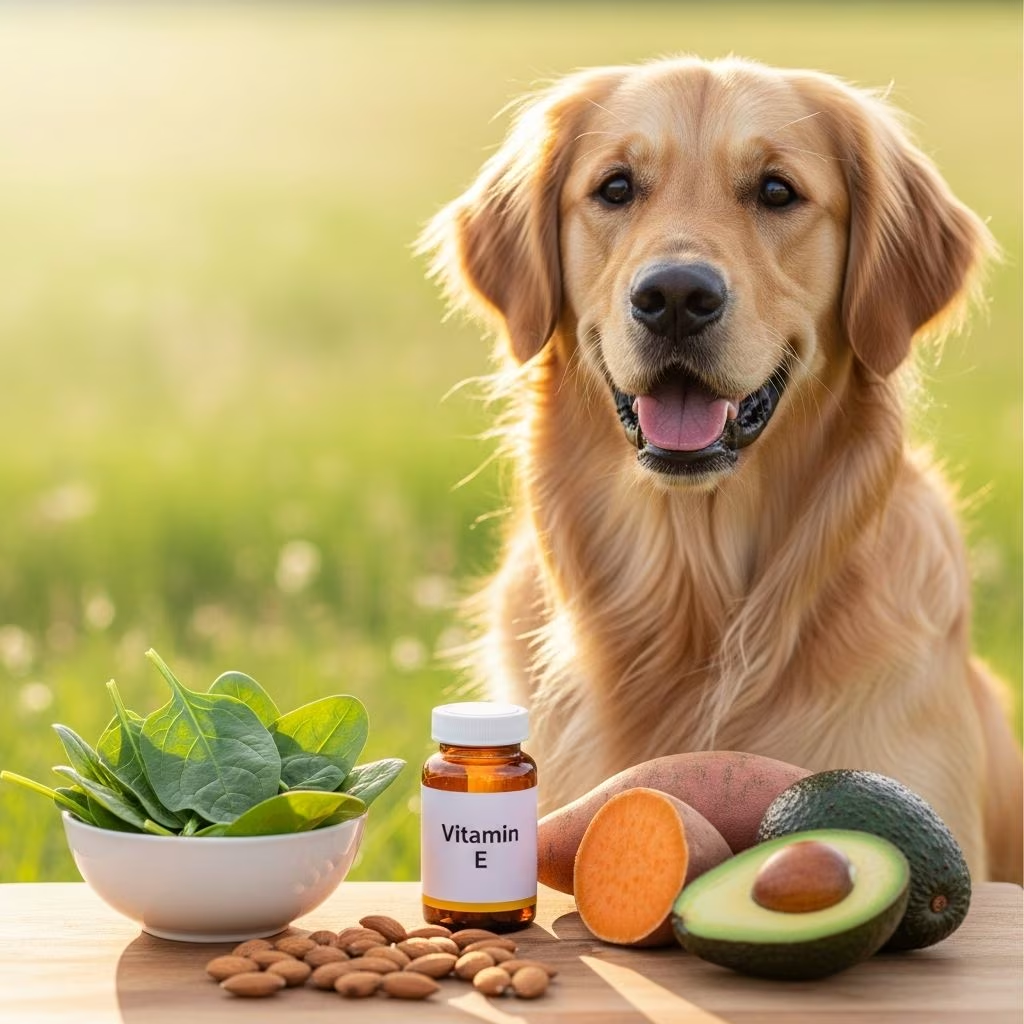
Understanding Vitamin E for Dogs
Vitamin E is an essential nutrient that plays a vital role in maintaining your dog’s overall health and well-being. As an important antioxidant, vitamin E is one of the vitamins and minerals dogs require for optimal health and cannot be synthesized by their bodies, meaning dogs must obtain it through their diet. This fat-soluble nutrient works tirelessly to protect your dog’s cells from oxidative damage and supports numerous bodily functions necessary for vitality and longevity.
The significance of vitamin E in canine nutrition cannot be overstated. It serves as a powerful defense against free radical damage, which can accumulate in your dog’s body through diet, lifestyle choices, and environmental exposure. Understanding the role of vitamin E and how to ensure your dog receives adequate amounts is crucial for responsible pet ownership.
What Is Vitamin E?
Vitamin E exists in several forms, with the major forms being called tocopherols. These natural compounds are found in various plant-based and animal-based food sources throughout nature. Unlike some vitamins that your dog’s body can produce internally, vitamin E must be obtained exclusively through dietary sources, making it an essential nutrient.
The primary food sources containing high quantities of tocopherols include seeds, vegetable oils such as sunflower, safflower, soybean, and wheat germ oil, as well as leafy green vegetables. Additionally, vitamin E supplements are routinely added to nutritionally complete and balanced commercial dog foods both to preserve the food from spoiling and to provide tocopherols for your dog’s nutritional needs.
Health Benefits of Vitamin E for Dogs
Vitamin E offers numerous health benefits that contribute to your dog’s long-term wellness and quality of life. As one of the most powerful antioxidants available, it actively protects your dog’s cells against damage from free radicals while simultaneously supporting multiple critical bodily functions.
Immune System Support
One of the most important roles vitamin E plays is strengthening your dog’s immune system. The right vitamin E dosage helps your pet fight respiratory infections, allergies, and other diseases more effectively. This becomes increasingly important as dogs age and their natural immune responses may begin to weaken. Cold weather can also compromise the immune system and dry out the skin, both of which are combated with adequate vitamin E for dogs.
Skin and Coat Health
Vitamin E is particularly beneficial for maintaining healthy skin and a shiny coat. It helps reduce itchiness and keeps the coat glossy and vibrant. If your canine friend has dry or flaky skin or keeps scratching, veterinarians often recommend vitamin E supplements. Poor coat condition or excessive molting may also be caused by too low a dose of this essential nutrient. Additionally, if your dog’s paws are dry, cracked, or irritated, vitamin E can help hydrate and soothe the skin. Its antioxidant properties promote skin repair, reducing inflammation and providing relief for sensitive areas.
Anti-Inflammatory Benefits
Vitamin E has been scientifically shown to reduce inflammation throughout the dog’s body. One study suggests higher doses of vitamin E might be effective for reducing inflammation and signs of pain associated with canine osteoarthritis (OA). Research in dogs with OA using a supplement with a high dose of vitamin E showed a reduction in inflammation joint markers and histological expression.
Heart Health
Heart disease is common in many breeds of dogs, and vitamin E combined with a low-sodium diet are vital components of a heart-healthy regimen for your furry friend. According to research from the Department of Clinical Sciences at Cummings School of Veterinary Medicine and the Waltham Centre for Pet Nutrition, when animals are given vitamin E from a young age, the progression of age-related issues like cardiovascular disease is slowed down. Dogs with dilated cardiomyopathy have increased oxidative stress compared to normal dogs, and vitamin E concentrations decrease as the disease progresses.
Eye Health
Along with lutein and zeaxanthin, vitamin E is important for keeping your dog’s eyes clean, bright, and healthy. A study found that antioxidant supplements, including vitamin E, could contribute to the healthy function of a dog’s eyes as they age.
Cognitive Function and Brain Health
As dogs age, they can develop dementia, but including vitamins C, E, and selenium into a balanced, whole food diet may counter cognitive decline. Vitamin E supports healthy brain function and helps maintain cognitive abilities throughout your dog’s senior years.
Joint and Muscle Health
Bigger breeds are at the greatest risk for joint pain, especially if they are overweight or used to high-impact exercise. Vitamin E, along with omega-3 supplements and glucosamine hydrochloride, can help support joint health. Additionally, vitamin E is essential for your pet’s body to develop strong and healthy muscles.
Cellular and Metabolic Functions
Vitamin E plays multiple roles in your dog’s body. It maintains the stability of cell membranes, is involved in immune function, is necessary for normal metabolism, and helps regulate blood clotting. It also helps build cell membranes, metabolize fat, and synthesize other nutrients within the body, such as vitamin C and Ubiquinone.
Anti-Aging Support
Dogs live an average of 10 to 13 years, and you want to do everything you can to maximize their lifespan and health span. A vitamin E supplement for dogs protects against oxidative stress, which can help to slow the aging process and support overall vitality.
Natural Food Sources of Vitamin E
Rather than immediately turning to supplements, consider incorporating natural sources of vitamin E into your dog’s diet. Most commercial dog food contains adequate amounts of vitamin E, but you may wish to supplement with whole foods for a balanced diet high in this important nutrient.
Natural foods high in vitamin E that are good for dogs include:
– Organ meats (liver, heart, kidneys)- Leafy green vegetables- Seeds- Vegetable oils- Nuts and legumes- Fish and fish oils- Eggs- Sweet potatoes
When considering vitamin E for dogs, pet owners should consider incorporating natural rather than synthetic sources into the diet. Natural vitamin E found in organic dog food brands should be a sufficient amount for most dogs.
Signs of Vitamin E Deficiency in Dogs
If your dog is experiencing a deficiency of vitamin E, you may notice several warning signs that indicate inadequate nutrition:
– Muscle weakness and degeneration- Decreased vision or eye problems- Skin problems or itchy skin- Weight loss- Changes in behavior or other neurological problems- Impaired immunity and increased susceptibility to illness- Poor coat condition- Dry or flaky skin
If you notice any of these symptoms in your dog, it is important to consult with your veterinarian to determine if vitamin E deficiency might be the cause.
Vitamin E Supplementation for Dogs
While vitamin E is important for your dog’s health, supplementation should only be considered when necessary and under veterinary guidance.
When Supplementation May Be Needed
Only if dogs genuinely need it and a veterinarian approves it should a dog receive a vitamin E supplement. Dogs eating a complete and balanced diet typically receive sufficient vitamin E through their food alone. However, certain situations may warrant supplementation, including dogs with specific health conditions, those on limited ingredient diets, or senior dogs that may benefit from additional antioxidant support.
Recommended Dosage
According to the Association of American Feed Control Officials (AAFCO), adult dogs should be consuming at least 50 IU of vitamin E daily. This minimum requirement will typically be provided through your dog’s regular diet. However, higher therapeutic doses may be beneficial for certain conditions. A veterinarian can prescribe an appropriate dosage and frequency of supplementing vitamins according to your dog’s weight, age, health status, and specific needs.
Risks of Vitamin E Overdose
If your dog is already eating a complete and balanced diet and does not have a vitamin E deficiency, excess supplements could be harmful and lead to blood clotting problems. It is crucial to avoid over-supplementation, as excessive vitamin E can have adverse effects on your dog’s health.
Vitamin E Overdose Symptoms
Vitamin E overdose symptoms in dogs can include:
– Vomiting- Diarrhea- Shaking or tremors- Nervousness or anxiety- Blood clotting abnormalities
Always talk with your veterinarian before adding any supplements to your dog’s diet to ensure appropriate dosing and to avoid potential complications.
Special Considerations for Vitamin E
Fertility and Reproductive Health
According to a study performed by researchers, vitamin E supplementation for 60 days or more can improve the quality of semen in dogs with lowered fertility. This makes vitamin E particularly important for breeding dogs.
Age-Related Health Issues
Research demonstrates that when animals are given vitamin E from a young age, the progression of age-related issues like cataracts, cancer, cardiovascular disease, and decreased immune function are slowed down. This highlights the importance of maintaining adequate vitamin E intake throughout your dog’s entire life.
Choosing Quality Vitamin E Products
When considering vitamin E for your dog, quality matters significantly. Look for products that contain natural vitamin E sources rather than synthetic versions. Premium dog food brands often incorporate adequate levels of vitamin E, particularly those labeled as organic or premium quality.
If you decide to supplement, work closely with your veterinarian to select products from reputable manufacturers. Ensure that any supplements are specifically formulated for dogs and contain appropriate concentrations of vitamin E for your dog’s size and age.
Frequently Asked Questions About Vitamin E for Dogs
Q: Is vitamin E safe for all dogs?
A: Vitamin E is generally safe when provided in appropriate amounts through diet or veterinarian-approved supplements. However, excessive supplementation can be harmful, particularly for dogs with certain health conditions. Always consult your veterinarian before starting any supplement regimen.
Q: Can I give my dog human vitamin E supplements?
A: No, you should not give your dog human vitamin E supplements without veterinary approval. Dog supplements are specifically formulated with appropriate dosages for canine metabolism. Always use products designed for dogs.
Q: How long does it take to see benefits from vitamin E supplementation?
A: The timeframe for seeing benefits varies depending on the specific condition being addressed. Some improvements in skin and coat quality may be noticed within weeks, while benefits for joint health or cognitive function may take several weeks to months of consistent supplementation.
Q: Can vitamin E help with my dog’s allergies?
A: Vitamin E’s anti-inflammatory and immune-supporting properties may help support dogs with allergies, but it should be part of a comprehensive approach. Work with your veterinarian to develop a complete allergy management plan.
Q: Is there a difference between natural and synthetic vitamin E?
A: Yes, natural vitamin E (d-alpha-tocopherol) is generally considered more bioavailable and effective than synthetic forms (dl-alpha-tocopherol). When possible, choose products containing natural vitamin E sources.
Q: How do I know if my dog is getting enough vitamin E?
A: If your dog is eating a complete and balanced commercial dog food, they are likely receiving adequate vitamin E. Your veterinarian can assess your dog’s nutritional status and recommend testing if deficiency is suspected.
Conclusion
Vitamin E is an essential nutrient for your dog’s healthy growth, development, and overall well-being. From supporting immune function and maintaining healthy skin to protecting against age-related diseases and supporting cognitive function, vitamin E plays a crucial role in canine health. When considering vitamin E for dogs, pet owners should prioritize incorporating natural sources into their dog’s diet through high-quality, nutritionally complete commercial dog foods or whole food additions. While supplementation may be beneficial for certain dogs, it should only be pursued with veterinary guidance to ensure appropriate dosing and avoid potential complications. By working closely with your veterinarian and maintaining awareness of your dog’s nutritional needs, you can ensure your beloved companion receives the vitamin E necessary for a long, healthy, and vibrant life.
References
- Vitamin E for Dogs: Benefits and Uses — Pride and Groom. https://prideandgroom.com/blogs/news/vitamin-e-for-dogs-benefits-and-uses
- Health Benefits of Vitamin E for Dogs – Why Is It Beneficial — Pet Honesty. https://www.pethonesty.com/blogs/blog/health-benefits-of-vitamin-e-for-dogs
- Vitamin E for Dogs — Wag! https://wagwalking.com/wellness/vitamin-e-for-dogs
- Vitamin E for Dogs: Benefits for Paws, Noses, & Skin — Lolahemp. https://lolahemp.com/blogs/dog-health/vitamin-e-for-dogs-benefits-for-paws-noses-skin
- The Benefits of Vitamin E for Dogs and Cats — Redbarn Pet Products. https://www.redbarn.com/blogs/blog/the-benefits-of-vitamin-e-for-dogs-and-cats
- Anti-inflammatory response of dietary vitamin E and its effects on canine osteoarthritis — NIH/National Center for Biotechnology Information. https://pmc.ncbi.nlm.nih.gov/articles/PMC3700444/
- Vitamin E for Dogs — PetMD. https://www.petmd.com/dog/nutrition/vitamin-e-good-dogs



