

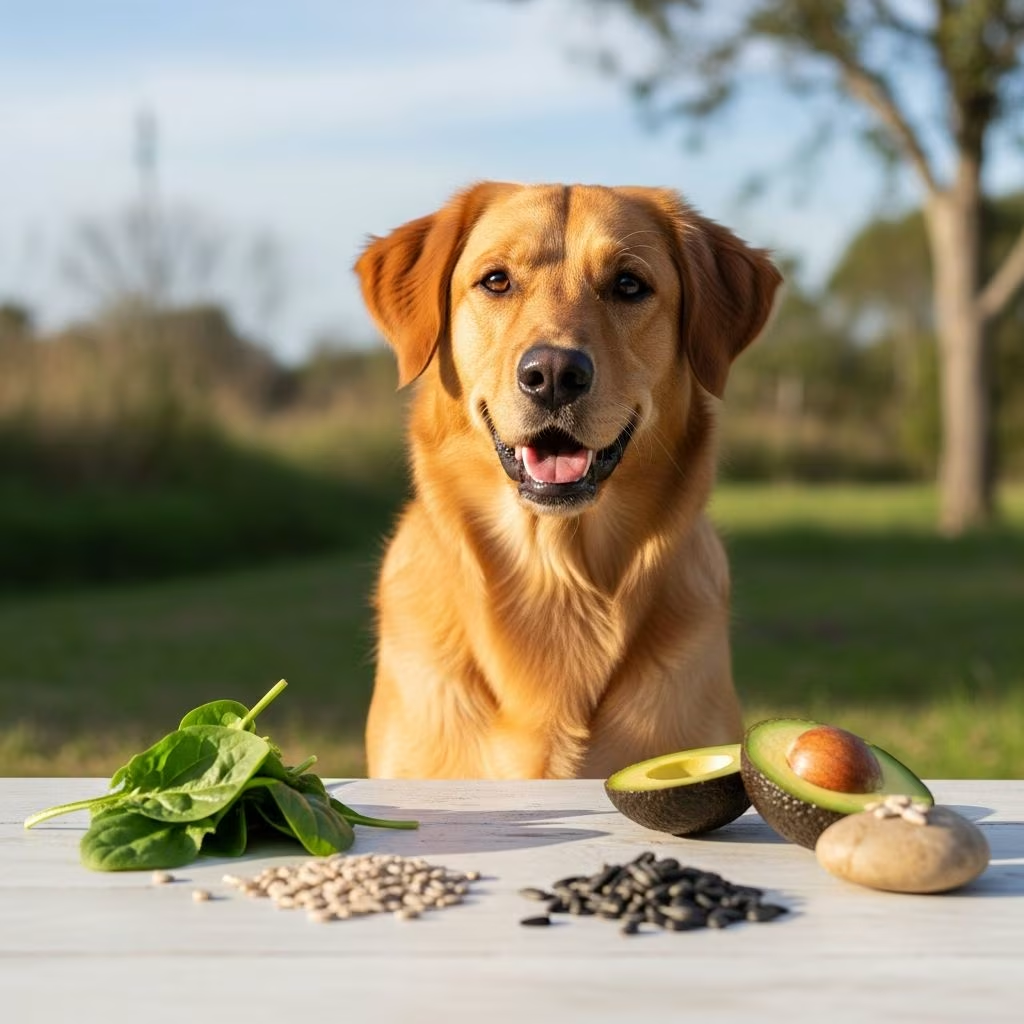
Vitamin E serves as a crucial fat-soluble antioxidant in dogs, safeguarding cells from oxidative damage caused by free radicals. It supports numerous physiological functions, including immune modulation, skin maintenance, and reproductive health, with research highlighting its potential across various canine conditions.
The Science of Vitamin E in Dogs
Vitamin E, primarily in the form of alpha-tocopherol, neutralizes harmful free radicals that arise from normal metabolism, environmental stressors, and aging. In dogs, it stabilizes cell membranes, enhances immune responses, and contributes to metabolic processes like blood clotting regulation. Studies show that dietary supplementation increases serum levels linearly up to certain thresholds, maximizing antioxidant capacity around 1,000 IU/kg in food.
Canine bodies cannot synthesize Vitamin E, relying entirely on dietary intake from sources like vegetable oils, green leafy vegetables, and fortified kibble. Deficiencies, though rare in balanced diets, can manifest as weakened immunity, reproductive issues, or dermatological problems.
Key Health Advantages for Dogs
Vitamin E offers multifaceted benefits, substantiated by veterinary research:
- Antioxidant Protection: It combats oxidative stress, reducing DNA damage and cellular breakdown. Dogs fed antioxidant blends with Vitamin E showed higher serum concentrations, better DNA retention in immune cells, and elevated total antioxidant power.
- Immune System Support: As an immune modulator, it bolsters defenses in dogs prone to low levels, enhancing overall resilience against infections.
- Skin and Coat Vitality: Promotes healing post-injury, minimizes scarring, and fosters glossy coats by maintaining epidermal integrity.
- Reproductive Enhancement: Combined with selenium, it improves sperm quality and antioxidant status in males with fertility challenges, per a 2018 study.
- Eye Health Maintenance: Supports vision and may prevent disorders like cataracts, with anecdotal evidence of reversal via supplementation.
- Cognitive Function Aid: Helps preserve memory and learning in aging dogs by mitigating oxidative decline.
Vitamin E and Joint Wellness in Canines
Joint health represents a debated area for Vitamin E. Early experimental models of osteoarthritis (OA) in dogs demonstrated anti-inflammatory effects. A pilot study using 400 IU daily post-cruciate ligament transection reduced joint inflammation markers, histological damage, and pain trends over 55 days.
However, clinical trials in naturally occurring OA yield mixed results. A 2023 placebo-controlled study with 57 large-breed dogs found no improvements in lameness, pain scores, quality of life, or reduced medication needs after 90 days of 400 IU supplementation. No changes in C-reactive protein or liver enzymes were observed.
| Study Type | Dose & Duration | Key Findings | Source |
|---|---|---|---|
| Experimental OA Model | 400 IU/day, 55 days | Reduced inflammation, pain trends | |
| Natural OA, Placebo-Controlled | 400 IU/day, 90 days | No clinical improvements | |
| Antioxidant Blend | Up to 1,500 IU/kg diet | Improved antioxidant status |
These discrepancies suggest benefits may be more pronounced in acute or experimental settings rather than chronic natural OA, warranting further investigation.
Optimal Dosage Guidelines
Recommended allowances vary by canine nutritional standards. The National Research Council suggests minimums of 7.5 mg alpha-tocopherol per 1,000 kcal of diet for adults. Supplementation thresholds from studies indicate efficacy up to 1,000 IU/kg diet without excess, beyond which serum levels plateau.
- Puppies/Growth: Higher needs for development; monitor via blood tests.
- Adults: 100-400 IU daily for targeted support, per clinical contexts.
- Seniors/OA: 300-500 IU, though evidence is inconsistent.
Always consult a veterinarian for tailored dosing, especially with underlying conditions or medications, to avoid interactions or hypervitaminosis E, which is rare but possible at extreme doses.
Natural Dietary Sources
Incorporate Vitamin E through whole foods:
- Plant oils (wheat germ, sunflower).
- Leafy greens (spinach, kale).
- Nuts/seeds (in moderation, ground).
- Fish like salmon for synergistic omega-3s.
- Commercial diets often meet AAFCO standards.
Antioxidant synergies with Vitamins C and beta-carotene amplify effects, as seen in studies enhancing immune cell protection.
Potential Risks and Precautions
While generally safe, excessive intake may interfere with blood clotting or fat-soluble vitamin absorption. Dogs on anticoagulant therapy require monitoring. Blood tests assess serum levels: normal ranges 10-40 µg/mL, guiding supplementation.
Pregnant or lactating females benefit from boosted levels for fertility and pup health, but avoid megadoses without vet oversight.
Integrating Vitamin E into Daily Care
Combine with balanced nutrition, exercise, and regular check-ups. For skin issues or allergies, pair with omega-3s; for seniors, include in multi-nutrient protocols. Track improvements in coat shine, energy, or mobility via owner logs.
Frequently Asked Questions (FAQs)
Is Vitamin E safe for all dogs?
Yes, at appropriate doses, but consult a vet for breed-specific needs or health issues.
Can Vitamin E help with my dog’s dry skin?
It supports skin barrier function and reduces inflammation, often improving itchiness alongside treatments.
How long until I see benefits from supplementation?
Serum levels rise within weeks; clinical effects vary, e.g., 55-90 days in joint studies.
What’s the best form of Vitamin E for dogs?
Natural d-alpha-tocopherol is most bioavailable over synthetic dl-forms.
Does Vitamin E interact with medications?
Possible with blood thinners; professional guidance essential.
Conclusion
Vitamin E stands as a cornerstone antioxidant for canine vitality, with robust evidence for immune, skin, and general cellular health. While joint benefits remain promising yet inconsistent, its low-risk profile makes it a valuable dietary component. Prioritize quality sources and veterinary input for best outcomes.
References
- The Benefits of Vitamin E for Dogs — TotalVet. 2023. https://total.vet/vitamin-e-for-dogs/
- A blinded, placebo‐controlled study on the clinical effects of vitamin E supplementation in dogs with osteoarthritis — PMC (PubMed Central). 2023-08-24. https://pmc.ncbi.nlm.nih.gov/articles/PMC10472994/
- Effect of dietary antioxidants on free radical damage in dogs and cats — PMC (PubMed Central). 2024. https://pmc.ncbi.nlm.nih.gov/articles/PMC11185959/
- Anti-inflammatory response of dietary vitamin E and its effects on experimental osteoarthritis in dogs — PMC (PubMed Central). 2013. https://pmc.ncbi.nlm.nih.gov/articles/PMC3700444/
- The Effects of Vitamin E in Dogs With Osteoarthritis — Clinician’s Brief. 2023. https://www.cliniciansbrief.com/article/vitamin-e-osteoarthritis-cartilage-antioxidant
- Vitamin E for Dogs — PetMD. 2023. https://www.petmd.com/dog/nutrition/vitamin-e-good-dogs



