Vitamin D Poisoning in Cats: Signs, Treatment & Prevention
Understanding vitamin D toxicity in cats: symptoms, emergency treatment, and long-term care.
Vitamin D Poisoning in Cats: A Comprehensive Guide
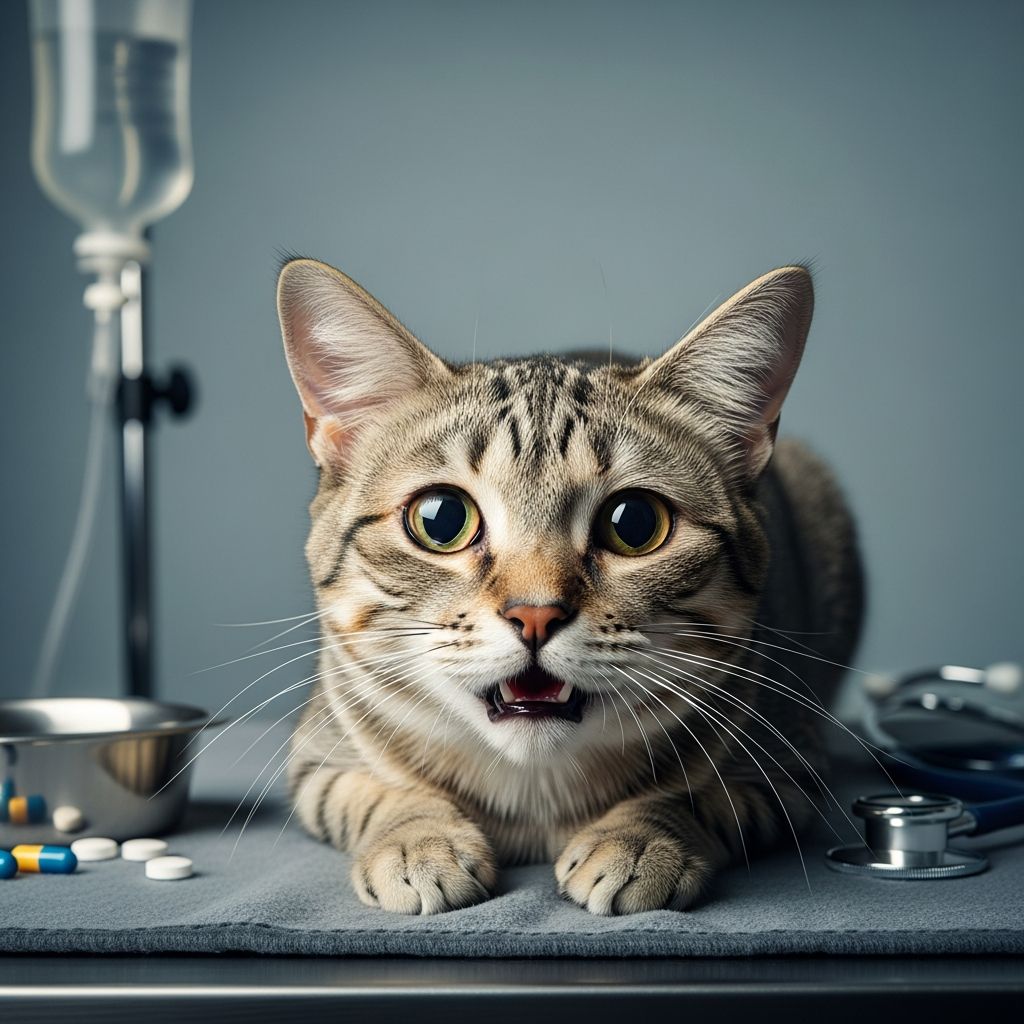
Vitamin D poisoning, also known as cholecalciferol toxicity, represents a serious medical emergency in cats. Unlike humans, cats are extremely sensitive to vitamin D, and even small amounts can cause severe toxicity or death. This condition occurs when a cat ingests excessive amounts of vitamin D from supplements, certain rodenticides, or contaminated pet food products. Understanding the signs, causes, and appropriate treatment protocols is essential for cat owners and veterinary professionals alike.
Understanding Vitamin D Poisoning in Cats
Vitamin D poisoning develops when cats consume more vitamin D than their bodies can safely process. The excess vitamin D accumulates in the body, leading to elevated levels of calcium and phosphorus in the bloodstream. This hyperkalcemia (elevated blood calcium) triggers a cascade of harmful effects, damaging vital organs including the kidneys, liver, and heart. The severity of poisoning depends on the amount of vitamin D ingested and the time elapsed before treatment begins.
Common Sources of Vitamin D Exposure
Cats can be exposed to toxic levels of vitamin D through multiple sources. Human vitamin D supplements and multivitamins left within reach represent common household hazards. Certain types of rodenticides containing cholecalciferol (vitamin D3) pose a significant risk, particularly for outdoor cats or those with access to pest control products. Additionally, some commercially available pet foods have been recalled due to excessive vitamin D content in their formulations, highlighting the importance of staying informed about product safety.
Recognizing the Signs of Vitamin D Poisoning
Early identification of vitamin D poisoning symptoms is crucial for improving treatment outcomes. Signs typically appear 12 to 36 hours after ingestion, though this timeline can vary based on the amount consumed and individual factors.
Early Warning Signs
In the initial stages of vitamin D poisoning, cats often display gastrointestinal distress and general malaise. Watch for the following early indicators:
- Vomiting and diarrhea
- Excessive thirst and increased urination (polydipsia and polyuria)
- Loss of appetite and anorexia
- Weakness, lethargy, and depression
- Abdominal pain and discomfort
- Drooling and oral distress
Advanced Symptoms of Severe Toxicity
As vitamin D poisoning progresses, more severe symptoms emerge due to elevated blood calcium and phosphorus levels. Higher doses can trigger life-threatening complications:
- Severe dehydration and depression
- Gastrointestinal bleeding manifesting as bloody vomit (hematemesis) or tarry stools (melena)
- Abnormal heart rhythms (arrhythmias) and bradycardia (slow heart rate)
- Increased respiratory rate and difficulty breathing
- Kidney failure and acute renal dysfunction
- Seizures or tremors (though uncommon)
- Mineralization of body tissues leading to organ damage
Without prompt and appropriate treatment, these advanced symptoms can prove fatal. The severity of clinical signs correlates directly with the amount of vitamin D ingested and the timeframe before intervention.
Diagnosis of Vitamin D Poisoning
Veterinarians employ multiple diagnostic tools to confirm vitamin D poisoning and assess organ damage. A comprehensive physical examination forms the foundation of diagnosis, followed by specific laboratory and imaging tests.
Diagnostic Procedures
Bloodwork is essential for diagnosing vitamin D poisoning and evaluating the extent of systemic damage. Key tests include measuring serum calcium and phosphorus levels, assessing kidney function through blood urea nitrogen (BUN) and creatinine levels, and evaluating liver enzymes. Some laboratories can measure vitamin D metabolite levels directly. Urinalysis helps determine kidney function and identify proteinuria. Diagnostic imaging, including radiographs or ultrasound, may be performed to assess organ involvement and detect tissue mineralization.
The most critical period for diagnosis occurs within the first 72 hours after ingestion, when laboratory abnormalities typically become apparent. Hypercalcemia (elevated blood calcium) serves as the primary diagnostic indicator of vitamin D toxicity.
Emergency Treatment and Immediate Care
When a cat ingests vitamin D, immediate veterinary intervention dramatically improves survival and recovery chances. Treatment protocols vary based on the timing of ingestion and the amount consumed.
Decontamination Procedures
If ingestion occurred within a few hours of treatment, veterinarians may induce vomiting to expel unabsorbed vitamin D from the gastrointestinal tract. It is critical that vomiting induction be performed only by a veterinarian, as improper home attempts can cause severe damage to the stomach lining and esophagus.
Following vomiting control, activated charcoal may be administered to decrease vitamin D absorption from the digestive tract. Cholestyramine powder represents another decontamination option that binds vitamin D and prevents reabsorption. These medications must be administered by veterinary professionals, as improper use can lead to aspiration into the lungs or dangerous electrolyte imbalances.
Hospitalized Treatment Protocols
Cats that have ingested larger doses or are showing symptoms require hospitalization for intensive treatment. The first 72 hours represent the most critical period for life-saving interventions.
Intravenous Fluid Therapy: IV fluids form the cornerstone of vitamin D poisoning treatment. High-volume fluid administration helps flush excess calcium and phosphorus through the kidneys, preventing tissue mineralization and reducing serum calcium levels.
Medications to Control Calcium Levels: Veterinarians administer medications such as calcitonin and pamidronate to reduce blood calcium concentrations. These agents work through different mechanisms—calcitonin inhibits calcium mobilization from bone, while pamidronate prevents bone resorption. Dexamethasone may be prescribed to reduce inflammation and further lower calcium levels.
Supportive Care Medications: Cats receive antiemetic medications to control vomiting, gastric protectants to shield the stomach lining, and antacids to reduce gastrointestinal irritation. Depending on clinical presentation, antiseizure medications and antibiotics may be necessary.
Outpatient Care for Mild Cases
Cats that ingested low doses with minimal or no symptoms may be managed on an outpatient basis if bloodwork shows no evidence of organ damage. These patients require frequent follow-up examinations and blood testing every 24 hours for 72 to 96 hours post-ingestion to ensure no delayed organ complications develop.
Recovery and Long-Term Management
Recovery from vitamin D poisoning extends well beyond the initial hospitalization period. The effects of toxicity can persist for weeks to months, necessitating ongoing veterinary monitoring and management.
Post-Treatment Monitoring
Following discharge from the hospital, cats require regular bloodwork to assess calcium, phosphorus, kidney function, and liver enzyme levels. If bloodwork abnormalities persist, monitoring may continue for many weeks. Some cats experience rebound increases in calcium levels after initial treatment, requiring additional hospitalization and intervention.
Chronic Kidney Disease Management
A significant complication of vitamin D poisoning is the development of chronic kidney disease. Cats that experienced high blood calcium levels during toxicity may suffer permanent kidney damage requiring lifelong management. These cats benefit from specialized kidney-support diets low in phosphorus and moderate in protein, along with medications to support renal function and manage secondary hypertension.
Prognosis and Recovery Timeline
The prognosis for vitamin D poisoning depends critically on the timing of treatment initiation. Cats receiving treatment before symptoms develop generally have excellent outcomes. Those presenting with symptoms have more guarded prognoses, particularly if severe tissue mineralization has occurred. Early intervention and aggressive treatment significantly improve survival rates and minimize long-term complications.
Prevention Strategies
Pet owners can take several steps to prevent vitamin D poisoning in their cats. Store all vitamin supplements, including those containing vitamin D, in secure locations inaccessible to curious felines. Keep rodenticide products safely stored and consider professional pest control services instead of DIY applications. Stay informed about pet food recalls and monitor product safety announcements. Regularly review medications and supplements in the home environment, removing any that could be harmful if ingested.
Frequently Asked Questions
Q: Can a single vitamin D pill be fatal to a cat?
A: Yes, even a single vitamin D supplement can be lethal for cats. Cats are extremely sensitive to vitamin D, and doses considered safe for humans may cause severe toxicity or death in felines. The toxicity depends on the specific dose and the cat’s individual sensitivity.
Q: What should I do immediately if my cat ate a vitamin D pill?
A: Contact your veterinarian or emergency animal hospital immediately, even if your cat shows no symptoms. Do not attempt to induce vomiting at home. Bring any remaining pills or packaging to help your veterinarian determine the exact dose ingested. Early intervention significantly improves treatment outcomes.
Q: How long after ingestion do symptoms appear?
A: Symptoms typically appear 12 to 36 hours after ingestion, though this can vary. However, organ damage may occur within 12 to 48 hours, detected through bloodwork before obvious clinical signs emerge. This is why immediate veterinary evaluation is crucial even without visible symptoms.
Q: What is the most important period for treatment?
A: The first 72 hours after ingestion represents the most critical period. During this window, life-saving measures must be implemented to prevent permanent organ damage and long-term health complications.
Q: Can my cat recover completely from vitamin D poisoning?
A: Recovery depends on the amount ingested and how quickly treatment began. Cats treated before symptoms develop generally recover completely. Those with symptoms may experience lasting effects for weeks or months, and some develop chronic kidney disease requiring lifelong management.
Q: What aftercare does my cat need following treatment?
A: Your cat will need frequent veterinary check-ups and bloodwork to monitor liver, kidney, heart, and muscle function. If chronic kidney disease develops, a specialized diet and medications may be necessary. Follow your veterinarian’s specific recommendations for your individual cat.
Summary
Vitamin D poisoning in cats represents a genuine medical emergency requiring immediate veterinary attention. The condition’s severity and rapid progression make prevention and early recognition critical for pet owners. By understanding the signs of toxicity, maintaining a safe home environment free from vitamin D hazards, and responding promptly to accidental ingestion, cat owners can protect their feline companions from this potentially fatal condition. Any suspected vitamin D ingestion warrants immediate contact with a veterinarian or emergency veterinary clinic, as early intervention dramatically improves survival and recovery outcomes.
References
- Vitamin D Poisoning in Cats — VCA Animal Hospitals. 2025. https://vcahospitals.com/know-your-pet/vitamin-d-poisoning-in-cats
- My Cat Ate a Vitamin D Pill. Now What? — PetMD. 2025. https://www.petmd.com/cat/poisons/my-cat-ate-vitamin-d-pill-now-what
- Vitamin D3 (Cholecalciferol) Poisoning in Cats — Vetster. 2025. https://vetster.com/en/conditions/cat/vitamin-d3-cholecalciferol-poisoning
- Cholecalciferol (Vitamin D3) Poisoning in Animals — Toxicology — Merck Veterinary Manual. 2025. https://www.merckvetmanual.com/toxicology/rodenticide-poisoning/cholecalciferol-vitamin-d3-poisoning-in-animals
- Vitamin D Poisoning (Cholecalciferol) in Cats — Vetlexicon. 2025. https://www.vetlexicon.com/felis/internal-medicine/articles/vitamin-d-poisoning-cholecalciferol/
- Help! My Cat Ate a Vitamin D Pill: Emergency Response Guide — PetsCare. 2025. https://www.petscare.com/news/post/cat-vitamin-d-toxicity-guide
- Vitamin D Intoxication — BluePearl Pet Hospital. 2025. https://bluepearlvet.com/medical-library-for-dvms/vitamin-d-intoxication/
Similar Articles







Read full bio of Sneha Tete