

Vitamin D Poisoning in Dogs: A Comprehensive Guide
Vitamin D poisoning is a potentially serious condition that can affect dogs of all ages and breeds. This toxicity typically occurs when dogs ingest excessive amounts of vitamin D through supplements, contaminated foods, or cholecalciferol-based rodenticides. Understanding the signs, immediate response, and treatment options is essential for every dog owner to ensure prompt medical intervention and the best possible outcome for their pet.
Understanding Vitamin D Toxicity
Vitamin D is an essential nutrient for dogs, playing a crucial role in calcium and phosphorus metabolism. However, excessive amounts can be toxic and lead to serious health complications. The most common sources of vitamin D poisoning in dogs include vitamin D supplements intended for human consumption, dog foods fortified with excessive vitamin D, and cholecalciferol-based rodenticides used to control pest populations. When a dog ingests too much vitamin D, the body’s calcium and phosphorus levels rise to dangerous levels, potentially causing organ damage and life-threatening complications.
Signs of Vitamin D Poisoning
Recognizing the symptoms of vitamin D poisoning is critical for timely intervention. The severity and timing of symptoms depend on the amount of vitamin D ingested and how quickly treatment is initiated.
Early Symptoms
Signs of vitamin D poisoning typically start 12–36 hours after ingestion, though symptoms may not appear for up to 72 hours in some cases. Initial symptoms are often subtle and may include:
- Decreased appetite or loss of appetite
- Vomiting and diarrhea
- Increased drinking (polydipsia)
- Increased urination (polyuria)
- Abdominal pain
- Depression and lethargy
- Weakness and general malaise
- Excessive drooling
- Weight loss
Advanced Symptoms
If left untreated or if higher doses were ingested, vitamin D poisoning can progress to more severe symptoms. These may include muscle tremors, twitching, seizures, difficulty breathing, an increased respiratory rate, slow heart rate, abnormal heart rhythms, bleeding in the intestines, and dark, tar-like stools. The elevated calcium and phosphorus levels in the bloodstream can cause mineralization of body tissues, leading to kidney failure and other systemic complications. In severe cases without appropriate treatment, vitamin D poisoning can be fatal.
Immediate Action Steps
If you suspect your dog has ingested vitamin D or a product containing vitamin D, immediate action is essential. Time is a critical factor in determining the outcome of treatment.
Contact Your Veterinarian or Poison Control
Contact your veterinarian or the pet poison helpline immediately if your dog ingests any amount of vitamin D. Be prepared to provide detailed information about the type of product, the amount ingested, your dog’s weight, and the time of ingestion. This information helps determine if the dose is toxic and guides the next steps in treatment.
Do Not Induce Vomiting at Home
If your dog is experiencing obvious symptoms of vitamin D poisoning, do not attempt to induce vomiting at home. Instead, bring your dog to the veterinarian immediately for professional treatment. Home remedies can be dangerous and may cause additional complications.
Prepare for Veterinary Consultation
Monitor your dog’s behavior closely and note any symptoms you observe. Document the time of ingestion, the amount consumed, and how long ago the exposure occurred. This detailed information is invaluable for your veterinarian in assessing the severity of the poisoning and determining the appropriate treatment plan.
Diagnosis of Vitamin D Poisoning
When your dog arrives at the veterinary hospital, the veterinarian will perform a thorough assessment to determine the severity of the poisoning. Diagnosis typically involves:
- A complete physical examination
- Blood work to evaluate kidney function, calcium levels, and phosphorus levels
- Measurement of circulating vitamin D metabolites
- Urine analysis to assess kidney function (urine specific gravity)
- Electrolyte panel to check for imbalances
- Assessment of heart rate and rhythm
Blood work is necessary to evaluate calcium, phosphorous, and kidney function. The severity of findings helps determine whether outpatient or hospitalized care is needed. If the dog’s condition is stable, the veterinarian will perform initial diagnostics. However, if the dog shows signs of distress or severe symptoms, emergency care such as oxygen therapy may be started immediately.
Treatment of Vitamin D Poisoning
The treatment approach depends on the amount of vitamin D ingested, the time elapsed since ingestion, and the dog’s current health status. Early decontamination and treatment significantly decrease the risk for serious toxicity.
Decontamination
If ingestion occurred within a few hours of treatment, the veterinarian may induce vomiting to remove the substance from the stomach. Once vomiting is controlled, activated charcoal may be administered to decrease absorption of vitamin D from the gastrointestinal tract. Activated charcoal should only be administered by a veterinarian, as improper administration can lead to aspiration into the lungs or life-threatening changes in blood sodium levels. In some cases, cholestyramine may be used to bind vitamin D in the intestines and prevent its absorption. Decontamination efforts are most effective when performed within four hours of ingestion.
Supportive Care
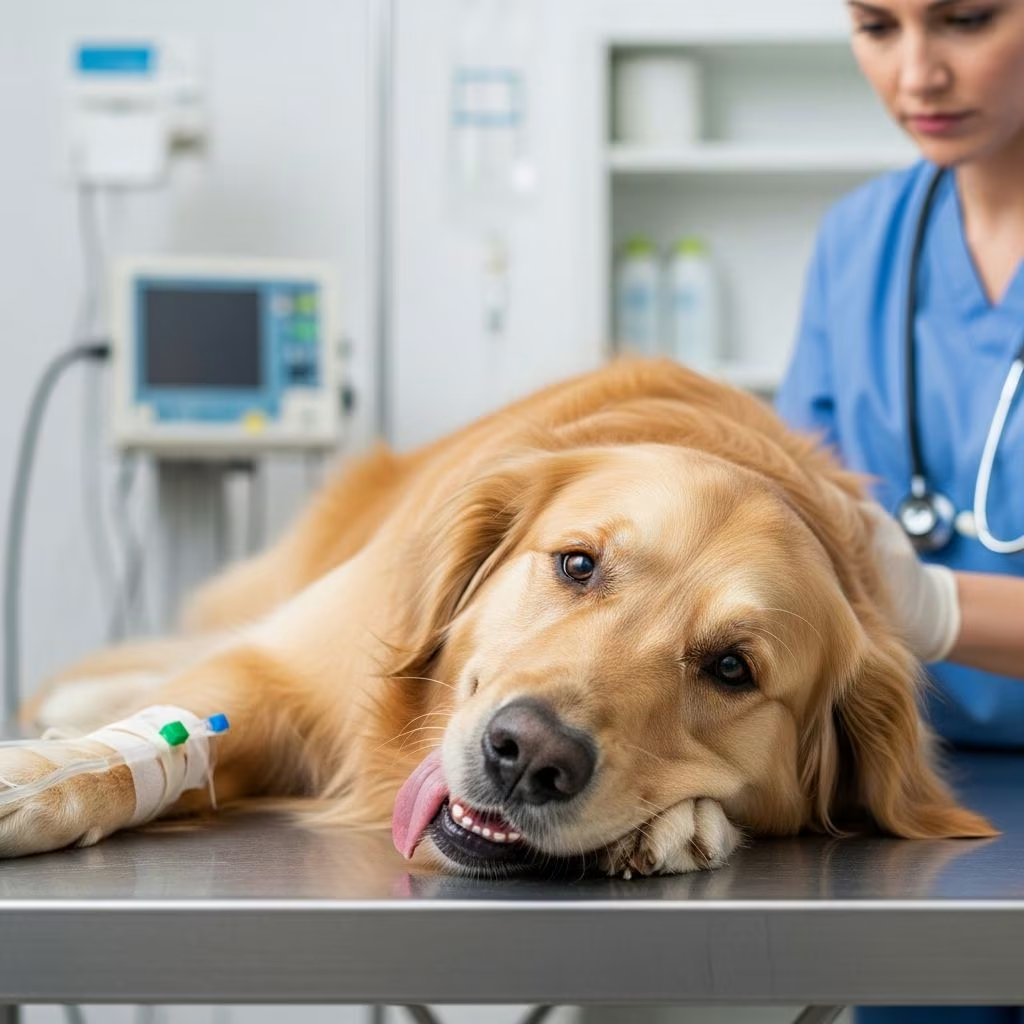
Dogs with moderate to severe vitamin D poisoning typically require hospitalization for 48 to 72 hours of round-the-clock care. Treatment generally includes:
- Intravenous (IV) fluids with 0.9% saline to flush excess calcium from the body and support kidney function
- Continuous monitoring of kidney function, calcium levels, and phosphorus levels
- Anti-vomiting medication to control nausea and vomiting
- Oral gastrointestinal antacids and phosphate binders to decrease phosphorus absorption
- Diuretics to promote urination and calcium excretion
- Steroids to reduce inflammation
- Pain management medications as needed
- Oxygen therapy if respiratory distress develops
Treatment continues until the dog’s bloodwork returns to normal values. The specific medications and duration of treatment depend on how severe the dog’s condition is and how quickly they respond to initial therapy.
Hospitalization and Monitoring
Dogs requiring hospitalization for vitamin D poisoning need intensive care and continuous monitoring. Veterinarians will regularly check bloodwork to track calcium and phosphorus levels and assess kidney function. If a low dose of vitamin D was ingested and the dog is stable, outpatient care may be sufficient with close monitoring and follow-up appointments. However, higher doses typically require hospitalization with IV fluids and additional medications.
In some cases, calcium levels may increase again following initial treatment, necessitating further hospitalization or additional treatment protocols. The goal of hospitalization is to stabilize the dog’s condition and prevent the development of kidney failure and other systemic complications.
Long-Term Care and Recovery
Unfortunately, the effects of vitamin D poisoning can last many weeks to months even after treatment. Recovery is not always straightforward, and ongoing monitoring is essential.
Post-Discharge Monitoring
Bloodwork is typically recommended following discharge from the hospital. If changes to bloodwork occur, monitoring may be required for many weeks. Regular follow-up appointments allow your veterinarian to track your dog’s recovery and adjust treatment as needed. Some dogs may require further hospitalization if calcium levels increase again or if complications develop.
Chronic Kidney Disease Management
Kidney damage may occur in dogs that develop high calcium levels during the acute poisoning phase. These dogs may require long-term management for kidney failure, including dietary modifications, continued medication, and regular veterinary monitoring. Without aggressive therapy during the acute phase, pets are predisposed to chronic kidney failure for the rest of their lives.
Lifestyle Adjustments
After recovery, your veterinarian may recommend dietary changes to support kidney health and manage calcium and phosphorus levels. Regular check-ups and bloodwork are crucial to monitor for long-term effects of the poisoning.
Prevention of Vitamin D Poisoning
Preventing vitamin D poisoning is far easier than treating it. Store all vitamin D supplements, multivitamins, and medications in secure locations away from your dog’s reach. Be cautious with over-the-counter medications and supplements intended for humans, as they often contain vitamin D in concentrations that are toxic to dogs. Choose dog foods from reputable manufacturers that carefully control nutrient levels. If you use rodenticide products around your home, ensure they are stored securely and inaccessible to your dog. Consider using alternative pest control methods that do not pose a risk to your pet.
Prognosis and Outcome
The prognosis for vitamin D poisoning depends on several factors, including the type and amount of substance ingested, the timing of treatment, your dog’s age and health status, and how quickly complications develop. Dogs treated early with aggressive therapy have a much better chance of full recovery without long-term complications. However, vitamin D3 poisoning can lead to permanent organ damage or death if left untreated or if treatment is delayed. Early recognition of symptoms and immediate veterinary intervention are essential for the best possible outcome.
Frequently Asked Questions
Q: How quickly does vitamin D poisoning develop in dogs?
A: Signs of vitamin D poisoning typically start 12–36 hours after ingestion, though symptoms may not appear for up to 72 hours in some cases. Life-threatening elevated blood calcium levels can develop 18 to 72 hours after ingestion.
Q: Should I induce vomiting if my dog ate vitamin D?
A: No, do not induce vomiting at home. Contact your veterinarian immediately. If your dog shows obvious symptoms, bring them to the veterinary hospital right away. The veterinarian will determine if vomiting should be induced based on the timing and amount of ingestion.
Q: What is the treatment for vitamin D poisoning?
A: Treatment depends on the severity of poisoning and may include gastrointestinal decontamination, activated charcoal, IV fluids, medications to reduce calcium and phosphorus levels, diuretics, steroids, and close monitoring of bloodwork and kidney function.
Q: How long does recovery take from vitamin D poisoning?
A: Recovery varies widely depending on the severity of poisoning. Acute treatment may take 48-72 hours of hospitalization, but the effects can last weeks to months. Some dogs may require long-term management for kidney failure.
Q: Can vitamin D poisoning cause permanent damage?
A: Yes, vitamin D poisoning can cause permanent kidney damage and chronic kidney failure. Dogs that develop high calcium levels may require lifelong management and monitoring.
Q: What should I do if I’m unsure about the amount of vitamin D my dog ingested?
A: Contact your veterinarian or the pet poison helpline immediately. Provide as much detail as possible about the product, including the bottle or packaging if available. It is better to err on the side of caution with any potential poisoning.
Q: Are certain dog breeds more susceptible to vitamin D poisoning?
A: Vitamin D poisoning can affect dogs of all breeds and ages. However, smaller dogs may experience toxicity from lower doses due to their lower body weight.
References
- My Dog Ate a Vitamin D Pill. Now What? — PetMD. Accessed November 2025. https://www.petmd.com/dog/poisons/my-dog-ate-a-vitamin-d-pill-now-what
- Vitamin D Poisoning in Dogs — VCA Animal Hospitals. Accessed November 2025. https://vcahospitals.com/know-your-pet/vitamin-d-poisoning-in-dogs
- Vitamin D Poisoning — Pet Health Network. Accessed November 2025. https://www.pethealthnetwork.com/dog-health/dog-toxins-poisons/vitamin-d-poisoning
- Vitamin D Toxicity in Dogs (Symptoms & Treatment) — Dutch. Accessed November 2025. https://www.dutch.com/blogs/dogs/vitamin-d-toxicity-in-dogs
- Cholecalciferol (Vitamin D3) Poisoning in Animals – Toxicology — Merck Veterinary Manual. Accessed November 2025. https://www.merckvetmanual.com/toxicology/rodenticide-poisoning/cholecalciferol-vitamin-d3-poisoning-in-animals
- Vitamin D3 (Cholecalciferol) Poisoning in Dogs — Vetster. Accessed November 2025. https://vetster.com/en/conditions/dog/vitamin-d3-cholecalciferol-poisoning
- Vitamin D Toxosis — Iowa Veterinary Specialties. Accessed November 2025. https://www.iowaveterinaryspecialties.com/student-scholars/vitamin-d-toxicosis



