

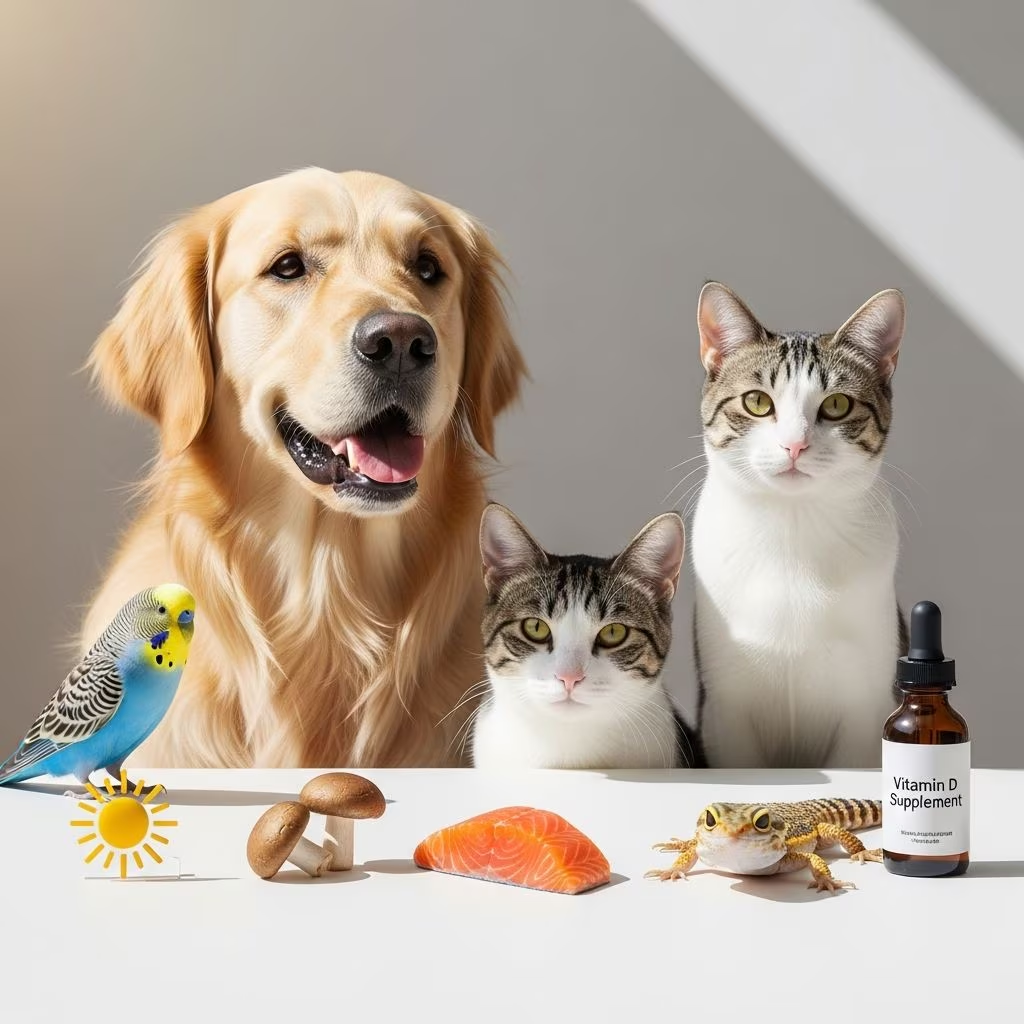
Vitamin D is a fat-soluble nutrient critical for calcium and phosphorus absorption, playing a key role in maintaining strong bones, teeth, and muscles in dogs and cats. Unlike humans who synthesize it through sunlight, pets rely almost entirely on dietary sources, making balanced nutrition essential for their health.
The Biological Role of Vitamin D in Companion Animals
In companion animals, vitamin D regulates mineral homeostasis, supporting skeletal integrity and beyond. It facilitates the uptake of calcium and phosphate from the intestines, which are vital for bone mineralization and muscle function. Research highlights its influence on immune modulation, reducing inflammation and enhancing antioxidant defenses.
Deficiencies impair these processes, leading to weakened bones and increased disease susceptibility. Optimal circulating levels, measured as 25-hydroxyvitamin D (25(OH)D), should ideally range from 100-150 ng/mL to prevent health issues. Pets with levels below 40 ng/mL face heightened risks for various conditions.
Why Pets Can’t Rely on Sunlight Like Humans
Humans produce vitamin D3 (cholecalciferol) via UVB exposure on skin, but dogs and cats generate insufficient amounts this way. Their fur blocks UVB rays, and metabolic pathways differ, prioritizing dietary intake of 25-hydroxyvitamin D from animal proteins like fish and eggs.
Commercial pet foods often supplement with vitamin D3, though processing can degrade it. Fresh or raw diets preserve natural forms better, ensuring bioavailability.
Health Benefits Across Body Systems
- Bone and Muscle Support: Promotes calcium absorption to prevent rickets, osteomalacia, and fractures.
- Immune Boost: Acts as an anti-inflammatory, supporting white blood cells and reducing infection risks.
- Heart Health: Low levels correlate with congestive heart failure and valvular disease progression.
- Skin and Allergy Relief: Higher levels alleviate atopic dermatitis by calming immune responses in skin cells.
- Brain and Mood: Aids neural activity, potentially reducing lethargy.
Studies confirm these benefits; for instance, diets exceeding 5,500 IU/kg vitamin D elevated serum levels above 100 ng/mL in all tested dogs without adverse effects.
Common Deficiency Risks and Prevalence
Many pets suffer from suboptimal vitamin D. Testing reveals 11% of dogs and 22% of cats below 40 ng/mL, with only 21% of dogs and 14% of cats reaching sufficient levels over 100 ng/mL. Factors include poor diet quality, gastrointestinal issues, liver disease, or chronic kidney problems that hinder absorption or metabolism.
| Condition | Vitamin D Link | Prevalence Impact |
|---|---|---|
| Heart Disease | Levels <40 ng/mL increase CHF risk | High in deficient pets |
| Atopic Dermatitis | Inflammation drops at 100 ng/mL | Improved itching |
| Cancer/Liver Disease | Low levels observed | Worsened outcomes |
| Immune Disorders | Reduced response | Longer healing |
Sources of Vitamin D in Pet Diets
Primary sources are animal-based: fatty fish (salmon, mackerel), egg yolks, and organ meats provide bioavailable 25(OH)D. Commercial kibble and canned foods add synthetic D3, but levels vary; check labels for AAFCO compliance.
Home-prepared meals should incorporate these, but over-reliance on plant foods lacks efficacy since pets inefficiently convert precursors. Recent trials show diets up to 9,992 IU/kg dry matter safely raise levels, surpassing traditional limits for adult maintenance.
Recognizing and Diagnosing Low Levels
Symptoms of deficiency mimic other issues: lethargy, muscle weakness, poor wound healing, and bone pain. Blood tests via VDI labs measure 25(OH)D accurately; annual screening is recommended, especially for at-risk pets.
Low ionized calcium or parathyroid hormone elevations signal problems. Early detection prevents secondary issues like hypocalcemic seizures.
Dangers of Vitamin D Overload
Excess leads to hypercalcemia, causing vomiting, weakness, increased thirst, urination, and in severe cases, kidney failure or mineralization. Rodent baits are a common poisoning source, but high-dose supplements pose risks too. Symptoms appear at intakes far above dietary norms; monitor for polydipsia or anorexia.
Veterinary intervention includes fluids and monitoring; most recover with prompt care. Stick to balanced diets over unguided supplementation.
Optimizing Levels Through Feeding Strategies
Aim for foods with 5,500+ IU/kg to achieve >100 ng/mL reliably. Raw or gently processed options retain more natural vitamin D. For deficient pets, vets may prescribe therapeutic doses under supervision.
- Choose AAFCO-approved foods with listed vitamin D.
- Rotate proteins: include fish weekly.
- Test levels biannually for seniors or ill pets.
No toxicity observed in long-term studies up to 10,000 IU/kg in adults, challenging older guidelines based on puppies.
Testing and Monitoring Protocols
Simple at-home kits or vet draws suffice. Target: 100-150 ng/mL. Retest after diet changes. Companion animals with chronic conditions benefit most from tracking.
FAQs on Pet Vitamin D
Can my indoor cat get enough vitamin D without supplements?
Primarily through diet; ensure high-quality food with added D3, as sunlight won’t suffice.
How much vitamin D do dogs need daily?
AAFCO minimums vary by life stage; recent data supports higher for optimal immunity.
Is vitamin D toxicity reversible?
Yes, with vet care focusing on hydration and calcium reduction.
Should I sunbathe my dog for vitamin D?
Ineffective; diet is key.
What if my pet has heart issues?
Test vitamin D; low levels worsen prognosis.
Future Research Directions
Ongoing studies explore vitamin D’s non-skeletal roles, like cancer and neurodegeneration in pets. Standardized assays will refine guidelines.
References
- Do Dogs Need Vitamin D? — Nature’s Logic. 2023. https://natureslogic.com/blog/do-dogs-need-vitamin-d/
- The Importance of Vitamin D for Pets — Dr. Judy Morgan. 2022-10-15. https://drjudymorgan.com/blogs/blog/the-importance-of-vitamin-d-for-pets
- Vitamin D metabolism and disorders in dogs and cats — Clarke, D.L. 2021-06-01. https://onlinelibrary.wiley.com/doi/abs/10.1111/jsap.13401
- Increased dietary vitamin D was associated with… — PMC – NIH. 2023-08-20. https://pmc.ncbi.nlm.nih.gov/articles/PMC10445235/



