

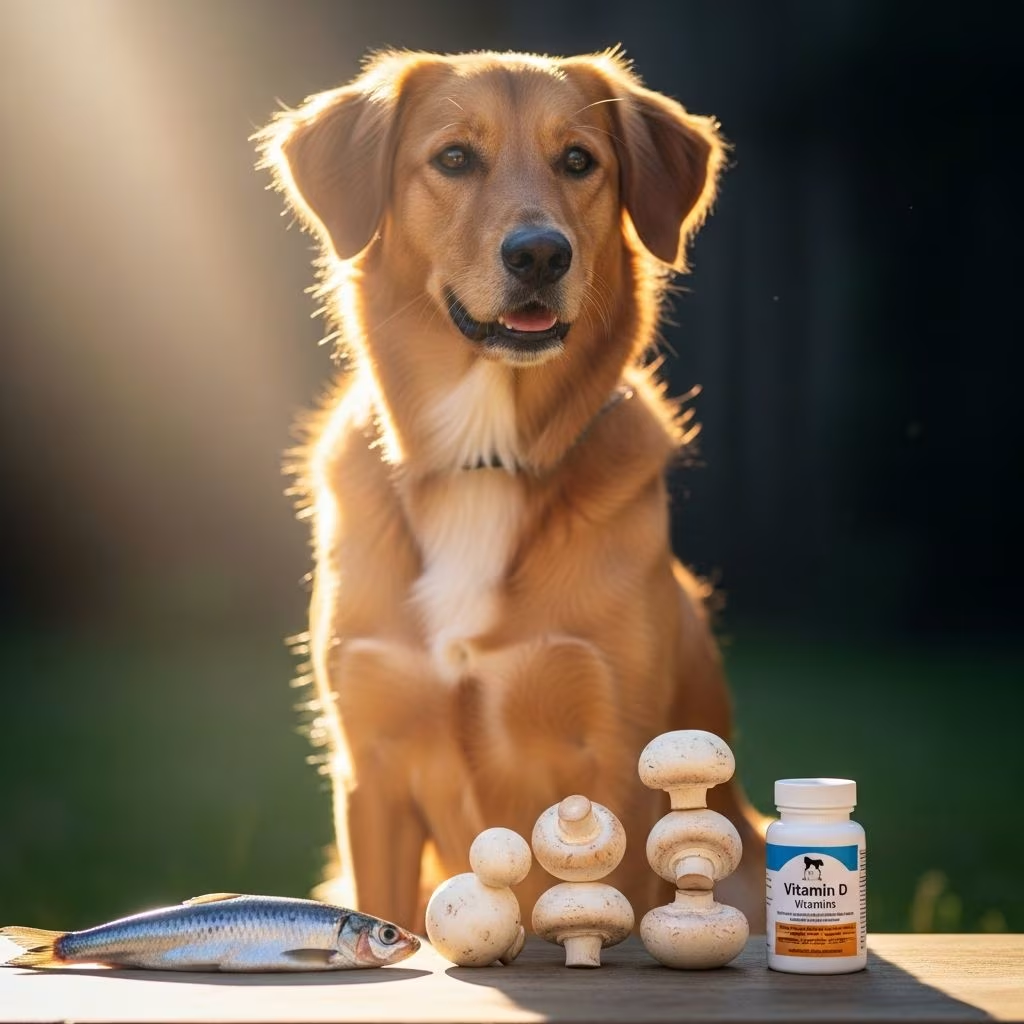
Vitamin D is a fat-soluble nutrient vital for dogs, primarily aiding calcium and phosphorus regulation to maintain strong bones and teeth. Unlike humans, dogs produce limited amounts through sunlight exposure, relying mostly on diet to meet needs.
Why Dogs Depend on Dietary Vitamin D
Dogs cannot efficiently synthesize vitamin D in their skin from UVB light, making dietary intake essential. Studies confirm that even prolonged sun exposure fails to prevent rickets in vitamin D-deficient puppies. This dependency underscores the need for balanced commercial or homemade diets fortified with appropriate levels.
Vitamin D, particularly D3 (cholecalciferol), facilitates nutrient absorption in the intestines, supporting skeletal integrity and beyond. Insufficient levels link to various health issues, while excess poses toxicity risks.
Core Functions in Canine Physiology
Vitamin D influences multiple systems:
- Mineral Metabolism: Enhances calcium and phosphorus uptake, crucial for bone mineralization.
- Immune Modulation: Regulates immune cells, reducing infection risks and inflammation.
- Muscle Maintenance: Prevents weakness and atrophy, especially type II fibers in active breeds.
- Cardiovascular Support: May aid heart function in conditions like congestive heart failure.
Receptors for vitamin D appear throughout the body, indicating broad impacts on cell growth and cognitive health in seniors.
Recognizing Vitamin D Shortages
Deficiency arises from poor diets, malabsorption disorders, or conditions like liver disease and chronic kidney issues. Symptoms include:
- Soft, deformed bones (rickets in pups, osteomalacia in adults).
- Muscle weakness and tremors.
- Low blood calcium (hypocalcemia), potentially causing seizures.
- Neurological issues and elevated parathyroid hormone.
Low levels associate with gastrointestinal problems, cancers, and immune-mediated diseases. Blood tests measuring 25(OH)D concentrations below 100 ng/mL signal inadequacy.
Dangers of Vitamin D Overload
Excess vitamin D accumulates in fat and liver, leading to hypercalcemia. The FDA warns of severe outcomes like kidney failure and death. Signs progress from vomiting and weakness to lethargy, excessive thirst, and mineralization of soft tissues.
AAFCO sets safe upper limits at 3,000 IU/kg dry matter in food, reduced from prior levels based on puppy studies showing bone disruption at higher intakes.
Safe Dietary Levels and Research Insights
A 2023 study fed adult dogs diets from 795 to 9,992 IU/kg vitamin D for six months. Higher intakes (≥5,510 IU/kg) achieved optimal 25(OH)D levels (≥100 ng/mL) without adverse effects, though body weight and intake were monitored.
| Dietary Level (IU/kg DM) | Average 25(OH)D (ng/mL) | Notes |
|---|---|---|
| 795.7 | <100 | Below optimal |
| 3,087.3 | Variable | Partial achievement |
| 5,510.9+ | ≥100 | All dogs met target |
These findings suggest flexibility in adult diets but emphasize caution for growing pups.
Top Food Sources for Dogs
Incorporate vitamin D-rich foods safely:
- Fatty fish like salmon or sardines (natural D3).
- Liver and egg yolks.
- Fortified commercial kibble meeting AAFCO standards.
Avoid over-reliance on treats; balance with calcium and phosphorus ratios (ideally 1.2:1 to 1.8:1).
Supplementation Guidelines
Only supplement under veterinary guidance, especially for deficient dogs. Multivitamins may provide controlled D3 alongside A, C, E for immunity. Test serum levels first to tailor doses, preventing both under- and over-supply.
Special Cases: Puppies, Seniors, and Breeds
Puppies require precise levels to avoid growth plate issues; Great Danes showed sensitivity in early studies. Seniors benefit from cognitive and muscle support. Fast-twitch breeds (e.g., sighthounds) may need more for fiber health.
Health-compromised dogs with malabsorption or kidney disease warrant monitoring.
Testing and Veterinary Advice
Request 25(OH)D bloodwork if symptoms appear. Vets can interpret alongside calcium, phosphorus, and parathyroid levels. Annual check-ups aid early detection.
Frequently Asked Questions
Can sunlight provide enough vitamin D for my dog?
No, dogs inadequately convert UVB to vitamin D, relying on diet unlike humans.
What is the ideal vitamin D level in dog blood?
Aim for ≥100 ng/mL 25(OH)D for optimal health.
Are vitamin D supplements safe for all dogs?
Not without vet approval; toxicity risks are high with improper dosing.
How does vitamin D toxicity present?
Early signs: increased thirst/urination; advanced: weakness, kidney damage.
Does commercial dog food have enough vitamin D?
AAFCO-compliant foods meet minimums, but test if health issues persist.
Practical Tips for Owners
- Choose AAFCO-labeled foods.
- Limit high-D treats.
- Monitor for deficiency signs like limping.
- Consult vets for raw/home-cooked diets.
- Re-test after supplementation changes.
Maintaining vitamin D balance promotes longevity and vitality. Collaborate with professionals for personalized plans.
References
- Increased dietary vitamin D was associated with… — DE Jewell et al. 2023-08-21. https://pmc.ncbi.nlm.nih.gov/articles/PMC10445235/
- Vitamin D Toxicity in Dogs — U.S. Food & Drug Administration (FDA). N/A. https://www.fda.gov/animal-veterinary/animal-health-literity/vitamin-d-toxicity-dogs
- Vitamin D in Dogs: Toxicity, Deficiency and Supplements — Dog Food Advisor. N/A. https://www.dogfoodadvisor.com/canine-nutrition/vitamin-d-in-dogs-toxicity-deficiency-and-supplements/
- The Importance of Vitamin D for Cats and Dogs — My Pet Nutritionist. N/A. https://mypetnutritionist.com/post/the-importance-of-vitamin-d-for-cats-and-dogs/
- Vitamin D Toxicity in Dogs — FDA (duplicate for emphasis on official guidance). N/A. https://www.fda.gov/animal-veterinary/animal-health-literacy/vitamin-d-toxicity-dogs



