

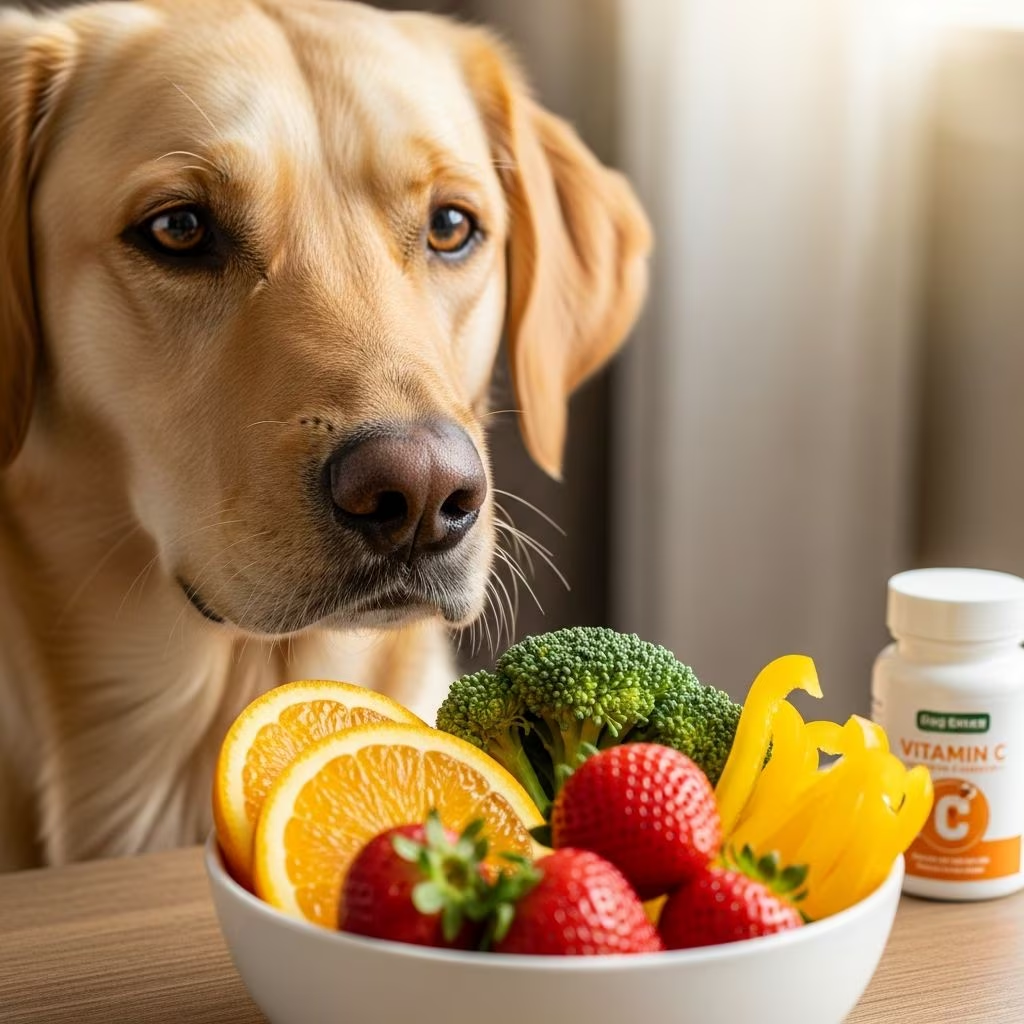
What Is Vitamin C for Dogs?
Vitamin C, also known as ascorbic acid, is an essential micronutrient that plays a crucial role in maintaining your dog’s overall health and wellbeing. Unlike humans, dogs possess a remarkable biological ability to synthesize their own vitamin C in their livers, which means they don’t strictly require dietary vitamin C supplementation to survive. However, emerging research and veterinary practice suggest that additional vitamin C from dietary sources can provide significant health advantages, particularly during times of stress, illness, aging, or when managing specific health conditions.
While the Association of American Feed Control Officials (AAFCO) doesn’t mandate vitamin C requirements in commercial dog food, this doesn’t mean the nutrient lacks importance. Understanding vitamin C’s multifaceted roles in canine physiology helps pet owners make informed decisions about whether their dogs might benefit from supplementation.
5 Key Benefits of Vitamin C for Dogs
It Supports the Immune System
One of vitamin C’s most significant roles is fortifying your dog’s immune defense system. Vitamin C stimulates the production and function of white blood cells, which serve as your dog’s body’s front-line defense against infections, bacteria, and viruses. These immune cells actively search throughout the body to identify and eliminate pathogens and harmful invaders. When your dog faces immune challenges—whether from illness, recovery from surgery, or exposure to environmental stressors—additional vitamin C can help boost immune response. Puppies and senior dogs, along with those recovering from illness, often show particular benefit from enhanced vitamin C levels, as their natural production may be insufficient during these critical periods.
It Aids in Joint Health and Mobility
Vitamin C plays an indispensable role in collagen production, the primary structural protein that forms cartilage, tendons, and ligaments throughout your dog’s body. Healthy joints depend on robust connective tissue, and vitamin C fuels the production of collagen fibers essential for joint flexibility and strength. This benefit proves particularly valuable for senior dogs or breeds predisposed to joint conditions like hip dysplasia or elbow dysplasia. By minimizing oxidative damage and inflammatory processes around joints, vitamin C contributes to improved mobility and comfort. Dogs dealing with degenerative joint issues may benefit from increased vitamin C intake as part of a comprehensive joint-support strategy, working alongside appropriate exercise and weight management.
It Adds Antioxidant Protection
Like humans, dogs encounter numerous environmental stressors daily—pollutants, pesticides, toxins, and other oxidative challenges that generate harmful free radicals within their bodies. Free radicals are unstable molecules produced during normal metabolism and in response to environmental stress. These unstable molecules can damage cells, contribute to inflammation, and accelerate aging processes. Vitamin C’s potent antioxidant power neutralizes free radicals before they cause cellular damage, protecting your dog’s cells and organs from oxidative stress. This protective mechanism potentially lowers the risk of chronic diseases and supports long-term health and vitality.
It Helps Manage Stress
Physical and emotional stress—whether from travel, moving to a new home, loud noises like fireworks, or medical procedures—can significantly deplete vitamin C levels in your dog’s body. During stressful periods, your dog’s body mobilizes vitamin C reserves to manage the physiological response to stress, which can exhaust natural supplies. Research shows that vitamin C supplementation can help improve behavioral and physiological responses to stress in dogs. Pet parents may want to provide extra vitamin C to dogs dealing with chronic stress or anticipated stressful situations, though this should always be done under veterinary guidance to ensure appropriate dosing for your individual dog.
It Supports Skin and Coat Quality
Beyond internal benefits, vitamin C supports the health and appearance of your dog’s skin and coat. By promoting collagen synthesis, vitamin C strengthens the structural integrity of skin tissue. Additionally, it improves iron absorption, which your dog needs for maintaining strong, healthy skin and a lustrous coat. When skin is healthier at the cellular level, it becomes more resistant to irritation and environmental challenges, leading to a shinier, more vibrant coat appearance.
Vitamin C Dosage Recommendations for Dogs
Determining the appropriate vitamin C dose for your dog requires considering several individual factors. The general guideline suggests dogs require approximately 18mg/kg of body weight daily. However, recommended supplemental dosages typically range from 500mg to 1,000mg per day, depending on your dog’s weight and specific health status.
| Dog Size/Condition | Typical Dosage Range | Considerations |
|---|---|---|
| Small Dogs (Under 25 lbs) | 250-500mg daily | Start at lower end; adjust based on health status |
| Medium Dogs (25-50 lbs) | 500-750mg daily | Standard maintenance dosage for general health |
| Large Dogs (50+ lbs) | 750-1000mg daily | Higher dosage for larger body mass |
| Stressed or Recovering Dogs | 50-100mg per kilogram | Higher doses during illness or stress periods |
| Senior Dogs | 25-50mg per kilogram | Moderate supplementation for aging support |
It’s essential to understand that dosage requirements vary significantly based on your individual dog’s size, age, breed, overall health status, stress levels, and any existing health conditions. Dogs experiencing illness, surgery recovery, or chronic stress may require higher doses, while senior dogs often benefit from moderate supplementation. Always consult with your veterinarian before beginning any supplementation regimen to ensure the dosage is appropriate for your specific dog.
Natural Sources of Vitamin C for Dogs
Rather than relying solely on synthetic supplements, pet owners can incorporate vitamin C-rich whole foods into their dog’s diet. Natural sources provide superior bioavailability and additional beneficial compounds that support overall health.
Fruits High in Vitamin C
Several dog-safe fruits offer excellent vitamin C content. Berries—including blueberries, strawberries, and raspberries—provide concentrated vitamin C along with additional antioxidants and phytonutrients. Apples (without seeds) contain moderate vitamin C levels, while oranges and other citrus fruits offer vitamin C, though some dogs find citrus too acidic. Baobab fruit represents an extraordinary natural source of vitamin C, though it’s less commonly available. When offering fruits, remember they contain natural sugars, so portions should remain modest—typically as occasional treats rather than daily supplements.
Vegetables Rich in Vitamin C
Various vegetables provide accessible vitamin C sources. Sweet potatoes deliver vitamin C along with fiber and beta-carotene. Carrots, both raw and cooked, offer moderate vitamin C and support dental health through chewing. Broccoli contains substantial vitamin C but should be offered in moderation due to compounds that may cause digestive upset in large quantities. Leafy greens like spinach provide vitamin C, though they contain oxalates that shouldn’t dominate a dog’s diet.
Signs Your Dog May Need Vitamin C Supplementation
While most healthy dogs produce adequate vitamin C naturally, certain situations warrant supplementation consideration:
Health Conditions Requiring Supplementation
Dogs with hip dysplasia or elbow dysplasia may benefit from increased vitamin C to support joint health and manage inflammation. Dogs suffering from autoimmune diseases sometimes show improvement with vitamin C supplementation. Senior dogs dealing with age-related joint degeneration often respond well to enhanced vitamin C intake. Dogs recovering from surgery or significant illness may benefit from temporary increased supplementation to support tissue repair and immune function.
Stress-Related Situations
Dogs experiencing chronic stress—whether from anxiety, behavioral issues, or environmental changes—deplete their vitamin C stores more rapidly. Travel, moving households, loud noises, and separation anxiety can all trigger stress responses that increase vitamin C requirements. During these periods, temporary supplementation under veterinary guidance can help support your dog’s resilience.
Potential Side Effects and Overdose Concerns
While vitamin C is generally considered safe for dogs, excessive amounts can cause problems. Dogs cannot store excess vitamin C like some other vitamins; instead, they excrete surplus amounts through urine. However, very high doses may cause gastrointestinal upset, including diarrhea, nausea, and stomach discomfort.
In rare cases, excessive vitamin C supplementation over extended periods might contribute to the formation of calcium oxalate kidney or bladder stones, particularly in dogs predisposed to this condition. Additionally, excessive vitamin C can interfere with certain diagnostic tests and medical conditions.
The margin of safety for vitamin C remains quite wide compared to fat-soluble vitamins, but this doesn’t mean more is better. Always follow veterinary recommendations and avoid self-prescribing megadoses without professional guidance.
How to Choose a Vitamin C Supplement for Dogs
When selecting a vitamin C supplement, quality matters significantly. Look for products from reputable manufacturers that undergo third-party testing. Consider whether the supplement contains vitamin C alone or combines it with other supportive ingredients like rosehips, which provide additional bioflavonoids and enhance absorption.
Different formulations exist: tablets, chewables, powders, and capsules. Choose a format your dog will readily consume. Some dogs prefer chewable supplements, while others take tablets more easily mixed into food. Powder formulations offer flexibility in dosing, particularly for small dogs requiring lower doses.
Consider your dog’s specific needs when selecting a supplement. Joint support formulas often combine vitamin C with glucosamine and chondroitin. Immune support supplements typically pair vitamin C with other immune-boosting ingredients like probiotics or colostrum.
When to Consult Your Veterinarian
Before starting any vitamin C supplementation, consult your veterinarian, particularly if your dog:
- Has a history of kidney or bladder stones
- Takes medications that might interact with vitamin C
- Has existing health conditions requiring special dietary management
- Shows signs of vitamin C deficiency, which a blood test can confirm
- Is a puppy or senior dog with specific nutritional needs
- Is undergoing treatment for any medical condition
Your veterinarian can determine whether your individual dog would benefit from supplementation, recommend appropriate dosages, and monitor your dog’s response to supplementation over time.
Frequently Asked Questions About Vitamin C for Dogs
Q: Can dogs produce their own vitamin C?
A: Yes, unlike humans, dogs can synthesize vitamin C in their livers. However, during periods of stress, illness, or aging, their natural production may be insufficient, making dietary supplementation beneficial.
Q: Is vitamin C safe for all dogs?
A: Vitamin C is generally safe for most dogs, but dogs with a history of kidney or bladder stones should avoid excess supplementation. Always consult your veterinarian before beginning supplementation.
Q: How long does it take to see benefits from vitamin C supplementation?
A: Benefits vary depending on the condition being addressed. Immune support effects may appear within days to weeks, while joint health improvements typically require several weeks of consistent supplementation.
Q: Can I give my dog human vitamin C supplements?
A: While human vitamin C supplements contain the same compound, products formulated specifically for dogs ensure appropriate dosing for canine needs and avoid potentially harmful additives or excessive dosages.
Q: Are natural food sources of vitamin C better than supplements?
A: Natural food sources provide superior bioavailability and additional beneficial compounds. However, achieving therapeutic doses through food alone may be challenging, making supplements valuable during specific health situations.
Q: What’s the best time to give vitamin C supplements?
A: Vitamin C supplements are typically given daily with meals to enhance absorption and reduce potential stomach upset. Consult your veterinarian about timing for your specific dog’s situation.
Q: Can vitamin C help prevent hip dysplasia?
A: While vitamin C supports joint health through collagen synthesis, it works as part of a comprehensive approach including appropriate exercise, weight management, and genetics. It’s not a standalone prevention method but contributes to overall joint support.
References
- Vitamin C in Health and Disease: A Companion Animal — Gordon, D.S., et al. National Center for Biotechnology Information (PubMed). 2020. https://pubmed.ncbi.nlm.nih.gov/32482285/
- Vitamin C for Dogs: Functions, Recommended Intake, and Health — Wag Walking. 2025. https://wagwalking.com/wellness/vitamin-c-for-dogs
- Vitamin C in Veterinary Medicine — Canadian Veterinary Medical Association. 2025. https://www.canadianveterinarians.net/related-resources/vitamin-c-in-veterinary-medicine/
- 5 Benefits of Vitamin C for Your Dog — My Pet Nutritionist. 2025. https://mypetnutritionist.com/post/5-benefits-of-vitamin-c-for-your-dog/
- Vitamin C for Dogs: Benefits, Dosage, and More — Purina. 2025. https://www.purina.com/articles/dog/health/routine-care/vitamin-c-for-dogs
- 5 Benefits of Vitamin C for Dogs — YuMOVE. 2025. https://yumove.co.uk/blogs/dog-expert-advice/vitamin-c-benefits-for-dogs
- Vitamin C for Dogs: The Complete Guide to Sources, Benefits, and Natural Immune Support — Bonza. July 2025. https://www.bonza.dog/2025/07/vitamin-c-for-dogs-the-complete-guide-to-sources-benefits-and-natural-immune-support/



