Vitamin C Content of Selected Foods for Guinea Pigs
Complete guide to vitamin C-rich foods for optimal guinea pig health and nutrition.
Understanding Vitamin C Requirements in Guinea Pigs
Guinea pigs have a unique nutritional requirement that sets them apart from many other small pets: they cannot synthesize their own vitamin C and must obtain this essential nutrient from their diet. Like primates, guinea pigs depend entirely on dietary sources to meet their vitamin C needs. This critical micronutrient plays multiple roles in guinea pig physiology, including supporting immune function, maintaining healthy skin and coat, and ensuring proper bone development. Unlike many other animals, guinea pigs lack the enzyme necessary to produce vitamin C internally, making supplementation through food non-negotiable for their survival and wellbeing.
The importance of adequate vitamin C intake cannot be overstated. Vitamin C deficiency in guinea pigs can lead to serious health complications, including weakened collagen structure, poor wound healing, and compromised immune function. Young, growing guinea pigs and pregnant females have even greater vitamin C requirements than adult animals. Illness and stress also increase dietary vitamin C needs significantly.
The Critical Role of Vitamin C in Guinea Pig Health
Vitamin C is essential for numerous metabolic processes in guinea pigs. Beyond immune support, this water-soluble vitamin plays a vital role in the metabolism of cholesterol conversion to bile acids, amino acid synthesis, and carbohydrate metabolism. Vitamin C is required for the synthesis and stability of collagen, the primary structural protein in connective tissue, skin, and blood vessels. Without adequate vitamin C, collagen fragments, leading to weakened intercellular ground substance and various health complications.
One significant challenge in maintaining adequate vitamin C levels is that this vitamin cannot be stored in the guinea pig’s body. Being water-soluble, excess vitamin C is excreted through urine, meaning guinea pigs require a consistent daily intake. Additionally, vitamin C content in commercial foods can diminish significantly through environmental exposure. Up to 50 percent of vitamin C activity in commercially manufactured guinea pig pellets can be lost within three to six months of production. Factors including dampness, light, heat, and prolonged storage all contribute to vitamin C degradation.
Recommended Daily Vitamin C Intake
Guinea pig treats and regular diet components should be selected based on their vitamin C content, calcium levels, carbohydrate and sugar content, and dietary fiber. The ideal guinea pig diet combines multiple sources to ensure adequate vitamin C while maintaining appropriate calcium-to-phosphorus ratios and avoiding excess calories.
Young guinea pigs up to six weeks of age metabolize vitamin C much faster than those older than four months, making them particularly susceptible to deficiency. These juveniles may show signs of vitamin C deficiency within two weeks or less if vitamin C is completely withheld from their diet. Pregnant and lactating guinea pigs also require increased dietary amounts of vitamin C to support both their own needs and those of developing or nursing offspring.
High-Vitamin C Foods for Guinea Pigs
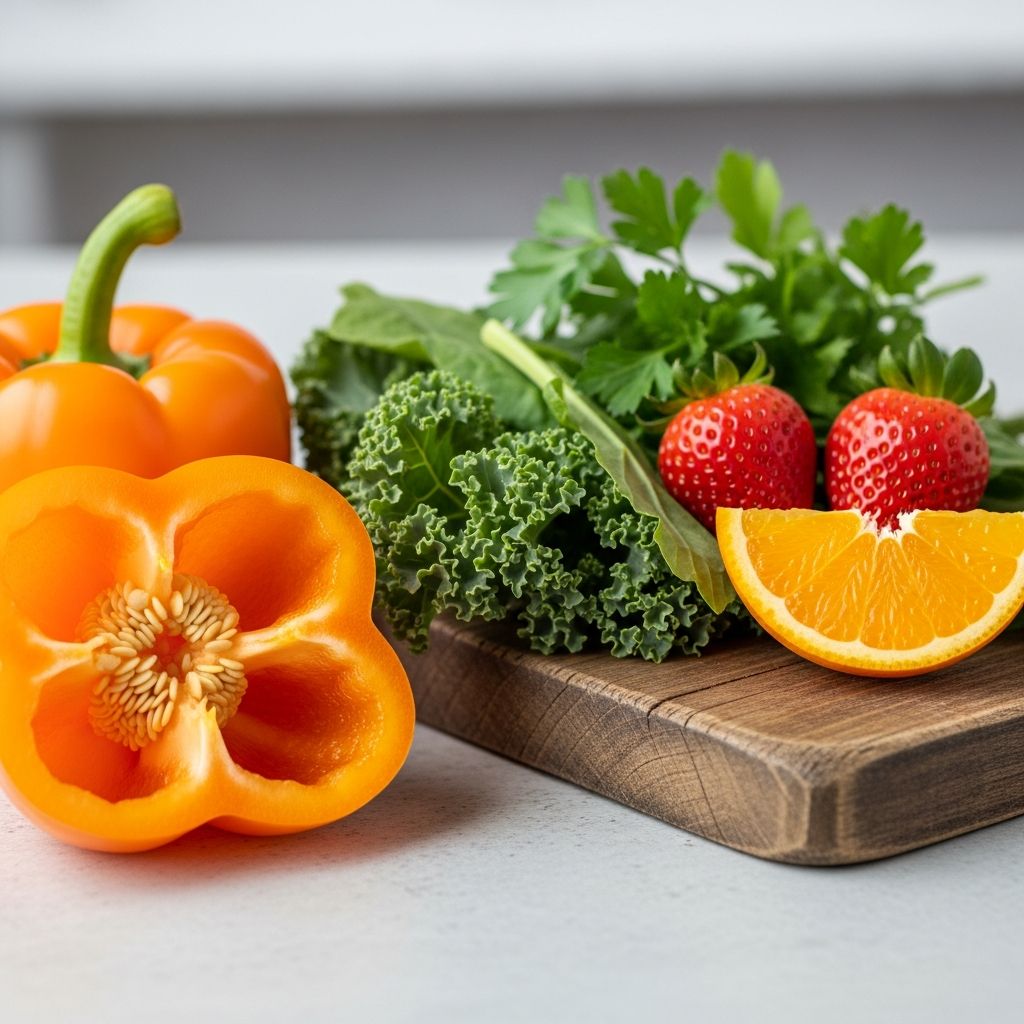
Fresh vegetables represent the primary source of vitamin C for guinea pigs in a well-designed home diet. When selecting vegetables, pet owners should pay careful attention to vitamin C content while also considering calcium levels, as excessive calcium can contribute to bladder and kidney stone formation.
The following vegetables are excellent sources of vitamin C and can be offered regularly as part of a guinea pig’s diet:
- Bell peppers (red, yellow, and orange varieties are particularly high in vitamin C)
- Kale
- Parsley
- Cilantro
- Mustard greens
- Dandelion greens
- Romaine lettuce
- Cabbage
- Tomatoes
- Green beans
- Endive
Balancing Calcium and Vitamin C Content
While vitamin C is essential, calcium management is equally important in guinea pig nutrition. Guinea pigs obtain sufficient calcium from their diet of fresh hay and fortified guinea pig pellets, meaning vegetables do not need to serve as a calcium source. In fact, excessive dietary calcium increases the risk of urinary calculi formation, a serious and potentially life-threatening condition.
High-calcium vegetables including spinach, kale, dandelion greens, and arugula should be offered sparingly and only in small quantities. These vegetables marked with an asterisk in feeding guides contain elevated calcium levels and require portion control. Regular consumption of high-calcium vegetables can predispose guinea pigs to developing bladder or kidney stones, particularly in animals with genetic susceptibility or other risk factors.
The challenge lies in identifying vegetables that provide excellent vitamin C while maintaining moderate calcium levels. This requires consultation of detailed nutritional databases such as the USDA FoodData Central or veterinary nutrition resources specific to guinea pig care.
Vegetables to Offer in Moderation
The following vegetables can be incorporated into guinea pig diets but should be offered in controlled portions due to various nutritional considerations:
- Asparagus
- Basil
- Carrots and carrot tops
- Celery
- Clover
- Cucumber
- Dill
- Pumpkin
- Squash
- Turnip greens
- Watercress
- Zucchini
- Mint
Foods to Avoid for Guinea Pigs
Certain foods are toxic or inappropriate for guinea pig consumption and should never be offered, regardless of their vitamin C content. These potentially dangerous foods include:
- Avocado (contains persin, which is toxic to many animals)
- Broccoli and Brussels sprouts (can cause gastrointestinal upset)
- Cabbage (in excess)
- Cauliflower (digestive issues)
- Chives
- Garlic
- Hot peppers
- Iceberg lettuce (minimal nutritional value)
- Leeks
- Mushrooms
- Onions
- Potatoes
- Rhubarb (contains oxalates)
Pellet Selection and Storage Considerations
Commercial guinea pig pellets formulated specifically for guinea pigs should form a dietary foundation, complemented by fresh vegetables and quality hay. Pellets designed for rabbits are not suitable, as they do not meet the specific nutritional requirements of guinea pigs, particularly regarding vitamin C fortification.
Proper storage of guinea pig pellets is critical for maintaining their vitamin C content. Pellets should be dated upon purchase and stored in dry, cool conditions away from light, heat, and humidity. Purchasing smaller quantities more frequently ensures that pellets remain fresh and retain their nutritional integrity. Some modern manufacturers now use stabilized forms of vitamin C with longer shelf-lives, providing an advantage over traditional formulations.
Seed-based guinea pig diets are insufficient and should not be relied upon as a primary food source. These diets lack essential nutrients and micronutrients that guinea pigs require for optimal health.
Supplementing Vitamin C Through Fresh Foods
Beyond commercial pellets, guinea pig owners can ensure adequate vitamin C intake by providing a variety of fresh vegetables daily. A well-balanced diet includes a mix of high-vitamin C vegetables, moderate-calcium options, and leafy greens that provide additional micronutrients.
Fresh hay, particularly varieties like timothy hay, contributes important fiber and some micronutrients. Herbs such as parsley, cilantro, and basil offer both vitamin C and culinary appeal to guinea pig meals while encouraging natural foraging behaviors.
Vitamin C added directly to water is not recommended as a primary supplementation method, as it loses potency rapidly and does not reliably deliver consistent doses. Oral or parenteral vitamin C formulations administered by veterinarians are more reliable when supplementation becomes necessary, though properly formulated diets should make additional supplementation unnecessary.
Factors Affecting Vitamin C Availability and Absorption
Multiple environmental and biological factors influence vitamin C content and bioavailability in guinea pig foods. Fresh vegetables contain more vitamin C than dried alternatives, and vitamin C content decreases with time after harvesting. Cooking and extended heating destroy vitamin C, so raw vegetables are preferable.
Individual variation in disease susceptibility, pregnancy status, age, and environmental stress all affect how quickly vitamin C deficiency develops if dietary intake becomes insufficient. Concomitant diseases can increase vitamin C requirements significantly. Environmental conditions such as temperature extremes and high stress situations deplete vitamin C more rapidly.
Recognizing Vitamin C Deficiency
Signs of vitamin C deficiency in guinea pigs may include poor wound healing, weakened immune response leading to recurrent infections, joint problems, and poor coat quality. Young animals and pregnant females showing signs of deficiency require immediate veterinary attention and dietary supplementation.
Prevention through proper diet is far more effective than treating deficiency after it develops. Consulting with an exotic animal veterinarian experienced in guinea pig nutrition helps ensure that individual animals receive appropriate vitamin C levels based on their age, health status, and life stage.
Frequently Asked Questions About Guinea Pig Vitamin C
Q: How much vitamin C do guinea pigs need daily?
A: Guinea pigs require consistent daily vitamin C intake, though specific requirements vary by age and health status. Young animals require more than adults, and pregnant or lactating females need increased amounts. A varied diet of fresh vegetables and quality pellets typically meets these requirements without additional supplementation.
Q: Can I give my guinea pig vitamin C supplements in water?
A: Vitamin C added to water loses potency rapidly and is not recommended as a primary supplementation method. Fresh food sources and commercial pellets provide more reliable vitamin C delivery. If supplementation is necessary, oral or parenteral formulations administered by a veterinarian are preferable.
Q: Which vegetables have the highest vitamin C content?
A: Bell peppers, particularly red varieties, are among the highest in vitamin C. Parsley, cilantro, kale, mustard greens, and dandelion greens also provide excellent vitamin C levels. Consulting the USDA FoodData Central or veterinary nutrition resources provides specific vitamin C values for individual vegetables.
Q: Why can’t I just feed my guinea pig rabbit pellets?
A: Rabbit pellets are not formulated to meet guinea pig nutritional requirements, particularly regarding vitamin C fortification. Guinea pigs require specifically formulated pellets that contain adequate vitamin C and appropriate mineral ratios for their unique metabolic needs.
Q: How should I store guinea pig pellets to maintain vitamin C content?
A: Store pellets in dry, cool conditions away from light, heat, and humidity. Keep packages dated and use within a reasonable timeframe, as vitamin C content can decrease by up to 50 percent within three to six months. Smaller, more frequent purchases ensure maximum nutritional integrity.
Q: Are high-calcium vegetables safe for guinea pigs?
A: High-calcium vegetables like spinach, kale, and dandelion greens can be offered but should be restricted in frequency and quantity. Excessive calcium intake increases the risk of bladder and kidney stone formation. Guinea pigs obtain sufficient calcium from hay and pellets without vegetable sources.
References
- Veggies For Guinea Pigs — Lafeber Company. 2025. https://lafeber.com/mammals/veggies-for-guinea-pigs/
- Vitamin C Content of Selected Foods — Lafeber Company Veterinary Resources. 2025. https://lafeber.com/vet/vitamin-c-content-of-selected-foods/
- Vitamin C Deficiency in Guinea Pigs — Vetlexicon Exotis. 2025. https://www.vetlexicon.com/exotis/guinea-pigs/internal-medicine/articles/vitamin-c-deficiency/
- Clinical Topic: Nutrition — Lafeber Company Veterinary Resources. 2025. https://lafeber.com/vet/topics/nutrition/
- USDA FoodData Central — United States Department of Agriculture. 2025. https://fdc.nal.usda.gov/
Similar Articles








Read full bio of medha deb