

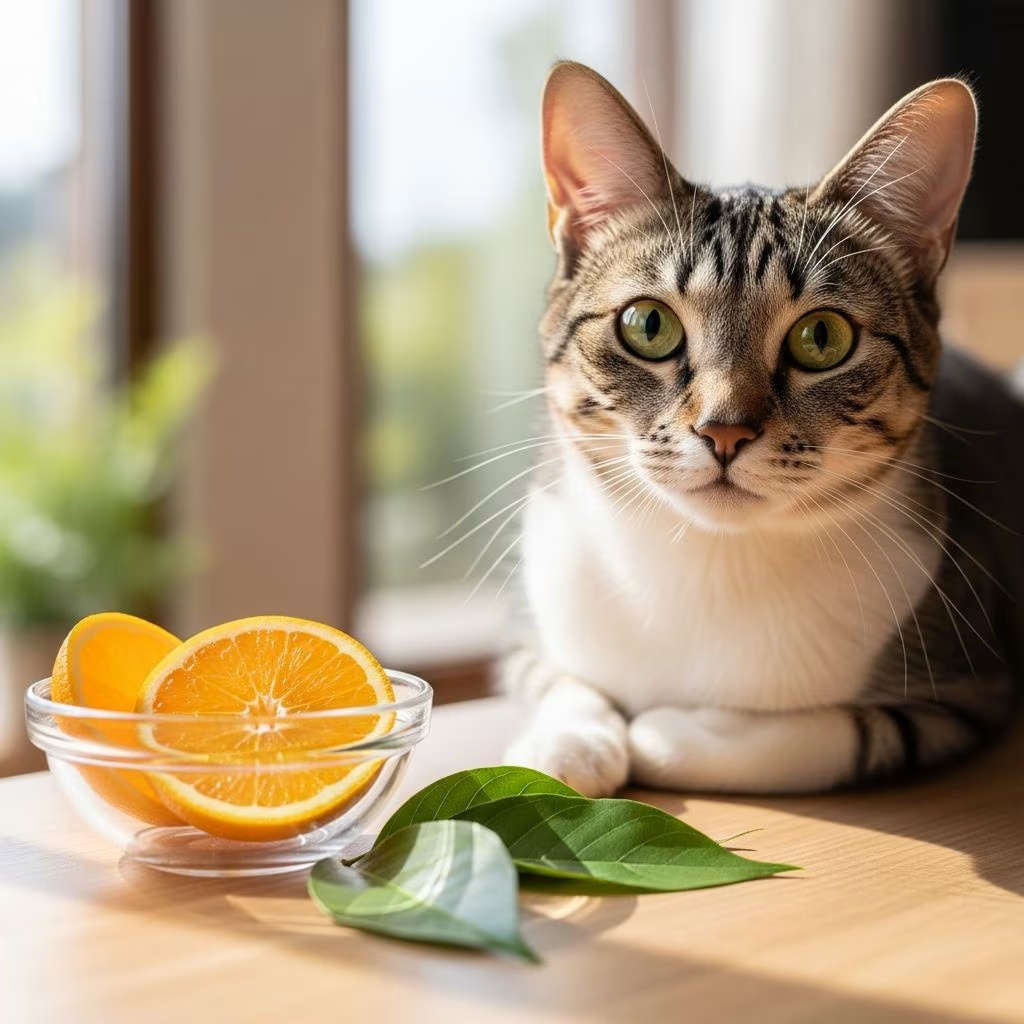
Cat owners often wonder about the nutritional needs of their feline companions, and vitamin C frequently appears on the list of supplement options. Unlike humans, cats possess a remarkable biological advantage: they synthesize their own vitamin C internally, making external supplementation unnecessary for most healthy cats. However, understanding the nuances of feline vitamin C metabolism, its functions in the body, and the potential risks of oversupplementation is crucial for maintaining your cat’s optimal health.
The Unique Feline Vitamin C Production System
Cats belong to a select group of animals capable of manufacturing their own vitamin C without relying on dietary sources. This biological process occurs in the liver, where the enzyme L-gulonolactone oxidase converts glucose-derived compounds into ascorbic acid, commonly known as vitamin C. This sophisticated metabolic pathway means that cats can maintain appropriate vitamin C levels without consuming it through food or supplements.
This self-production capability is notably absent in humans and a few other species like guinea pigs, which is why we must obtain vitamin C through dietary intake. The evolutionary advantage provided by this internal synthesis mechanism has shaped feline nutritional requirements in ways that differ significantly from human needs. Recognizing this fundamental difference helps cat owners make informed decisions about supplementation.
Essential Functions of Vitamin C in Feline Health
Although cats produce vitamin C naturally, this micronutrient performs multiple critical functions within their bodies. Understanding these roles provides context for why maintaining adequate vitamin C levels matters, even when supplementation isn’t required.
Immune System Support
Vitamin C strengthens the immune system and enhances the body’s stress resilience. As an antioxidant, it protects cells from damage and helps the body defend against pathogens and environmental stressors.
Structural Integrity and Collagen Formation
Vitamin C plays a vital role in building stable bones, tight connective tissue, and collagen production. Collagen is a fundamental tissue that promotes joint and bone health, potentially preventing conditions like hip dysplasia and degenerative joint disease.
Dental Health
This micronutrient ensures strong teeth and healthy gums, contributing to your cat’s ability to eat comfortably and maintain oral wellness throughout their lifetime.
Wound Healing and Recovery
Vitamin C significantly influences how quickly wounds heal, demonstrating its importance in cellular repair processes. Cats with sufficient vitamin C supplies tend to recover more efficiently from injuries.
Antioxidant Protection
The vitamin functions as a radical scavenger, binding free radicals that can damage cells. This antioxidant capacity becomes particularly relevant in cases of oxidative stress related to certain medical conditions.
Do Cats Actually Need Vitamin C Supplements?
This question sits at the heart of feline nutrition debates among veterinarians and pet health experts. The prevailing scientific consensus is clear: most healthy cats do not require external vitamin C supplementation. Since cats manufacture sufficient quantities of vitamin C naturally through hepatic metabolism, dietary supplementation remains unnecessary for the average indoor or outdoor feline.
However, veterinary experts acknowledge certain exceptions where supplementation might warrant consideration. Young cats during developmental phases, senior cats with age-related metabolic changes, cats experiencing joint and bone problems, and cats suffering from liver metabolic disorders may benefit from professional veterinary guidance regarding supplementation. In these special circumstances, consultation with your veterinarian becomes essential before introducing any supplements.
Potential Risks of Over-Supplementation
While small amounts of vitamin C are generally regarded as safe, excessive supplementation poses genuine health risks that warrant serious consideration. Understanding these dangers helps responsible cat owners avoid inadvertent harm through well-intentioned but misguided supplementation practices.
Urinary and Kidney Complications
The most significant concern involves urinary health. Vitamin C is water-soluble, meaning the body eliminates excess amounts through urine. When cats receive supplemental vitamin C beyond what they produce naturally, excess accumulation can lead to kidney stone formation and calcium oxalate crystal development.
This risk proves particularly acute for cats with predispositions to urinary crystal formation. Cats naturally produce more acidic urine compared to many other mammals, creating an environment conducive to crystal and stone development. Cats with any history of urinary crystals or stones should absolutely avoid vitamin C supplementation, as the benefits cannot justify the substantial health risks.
Chronic Health Risks from Long-Term Consumption
Repeated or excessive vitamin C consumption can prove incredibly detrimental to feline health over time. Unlike acute toxicity from a single large dose, chronic over-supplementation creates cumulative physiological strain that damages organs gradually. This makes ongoing oversight essential if supplementation is ever initiated.
Vitamin C Content in Commercial Cat Foods
One consideration in the vitamin C debate involves the presence of this nutrient in commercial cat foods. During the manufacturing of dry kibble, heat processing can destroy vitamin C, potentially reducing naturally occurring levels. Some pet food manufacturers intentionally include vitamin C in their formulations for its antioxidant properties, recognizing its value even though cats produce their own supply.
Quality pet food formulations may contain vitamin C at moderate levels without creating supplementation concerns. This distinction between food-based vitamin C presence and intentional supplementation proves important, as the former typically poses minimal risk when properly formulated.
Special Health Conditions and Vitamin C Considerations
Certain medical situations have prompted veterinary exploration of vitamin C’s potential therapeutic benefits. Research suggests that antioxidant properties from vitamin C supplementation might benefit cats managing conditions involving oxidative damage, including cancer therapy effects, dementia, heart disease, and asthma. However, these considerations must be weighed carefully against kidney and urinary risks.
Additionally, some research indicates that vitamin C may help alleviate allergy symptoms through antihistamine mechanisms. Nevertheless, insufficient clinical evidence currently supports specific therapeutic dosing protocols for these conditions in cats, making veterinary consultation essential before considering supplementation for medical purposes.
Evaluating Vitamin C Supplements for Cats
If a veterinarian recommends vitamin C supplementation after careful evaluation, certain guidelines can help ensure appropriate administration. Vitamin C supplements found in reputable pet products are generally recognized as safe, though quality and concentration vary considerably among manufacturers.
Pet supplements containing vitamin C present a wide range of formulations and dosages. Without established therapeutic dosing guidelines for cats, determining appropriate amounts becomes challenging. This ambiguity underscores why professional veterinary guidance proves invaluable—your vet can assess your individual cat’s health status and recommend appropriate products and dosages if supplementation becomes necessary.
Key Guidance for Cat Owners
- Assume sufficiency: Most healthy cats produce adequate vitamin C naturally without supplementation
- Consult your veterinarian: Before introducing any supplements, discuss your cat’s specific needs with a qualified veterinarian
- Monitor urine health: Any cat with a history of urinary crystals or stones should avoid vitamin C supplements entirely
- Avoid excessive supplementation: Even if supplementation seems beneficial, more is not better and carries significant kidney-related risks
- Focus on nutrition: Provide wholesome, balanced commercial food that meets all feline nutritional requirements
- Consider life stage: Kittens, senior cats, and cats with specific health conditions may warrant different nutritional approaches
Frequently Asked Questions
Can I safely give my cat vitamin C supplements?
Small amounts of vitamin C from supplements are generally considered safe for most cats. However, because cats manufacture their own vitamin C in sufficient quantities, the supplementation benefits remain inconclusive. The decision should always involve veterinary consultation, particularly for cats with any urinary health history.
What foods contain natural vitamin C for cats?
Traces of vitamin C appear in wholesome food options, and quality commercial cat foods often include vitamin C as an ingredient. However, cats do not rely on dietary vitamin C since they produce their own internally.
Are there any cats that definitely should not receive vitamin C supplements?
Absolutely. Cats with any history of urinary crystals or stones should avoid vitamin C supplementation, as excess vitamin C significantly increases the risk of harmful crystal and stone formation in the urinary tract. Additionally, cats with kidney disease require particular caution, as their kidneys are especially vulnerable to damage from excess vitamin C.
What happens if my cat receives too much vitamin C?
Excessive vitamin C consumption can lead to kidney-related issues and increase the formation of calcium oxalate stones. Long-term over-supplementation proves particularly problematic, creating cumulative damage that may not become apparent until significant kidney compromise occurs.
Should I supplement vitamin C for my senior cat?
Senior cats may have increased nutritional needs in some cases, potentially including vitamin C supplementation. However, this determination requires veterinary assessment of your individual cat’s health status, particularly regarding kidney function and urinary health.
References
- Vitamin C for Cats – The Basis for a Healthy Cat Life? — Animaux Nutrients. https://www.animaux-nutrients.com/en/vitamin-c-fuer-katzen/
- Can Vitamin C Be Too Good for Cats? — Greycoat Research. https://greycoatresearch.com/blogs/research/10
- Do Cats Need Vitamin C? — Cats.com. https://cats.com/do-cats-need-vitamin-c
- Vitamin C for Pets: Why It’s Important — PureForm Pet Health. https://pureformpethealth.com/blogs/pureform-pet-care/vitamin-c-for-pets-importance
- Vitamin C and Calcium Oxalate Stones — PetMD Daily Vet. 2012. https://www.petmd.com/blogs/thedailyvet/ktudor/2012/sept/vitamin_c_and_calcium_oxalate_stones-27000
- Vitamin C in Pet Foods — Wysong. https://www.wysong.net/blogs/pet-food-ingredients-q-a/vitamin-c-in-pet-foods



