

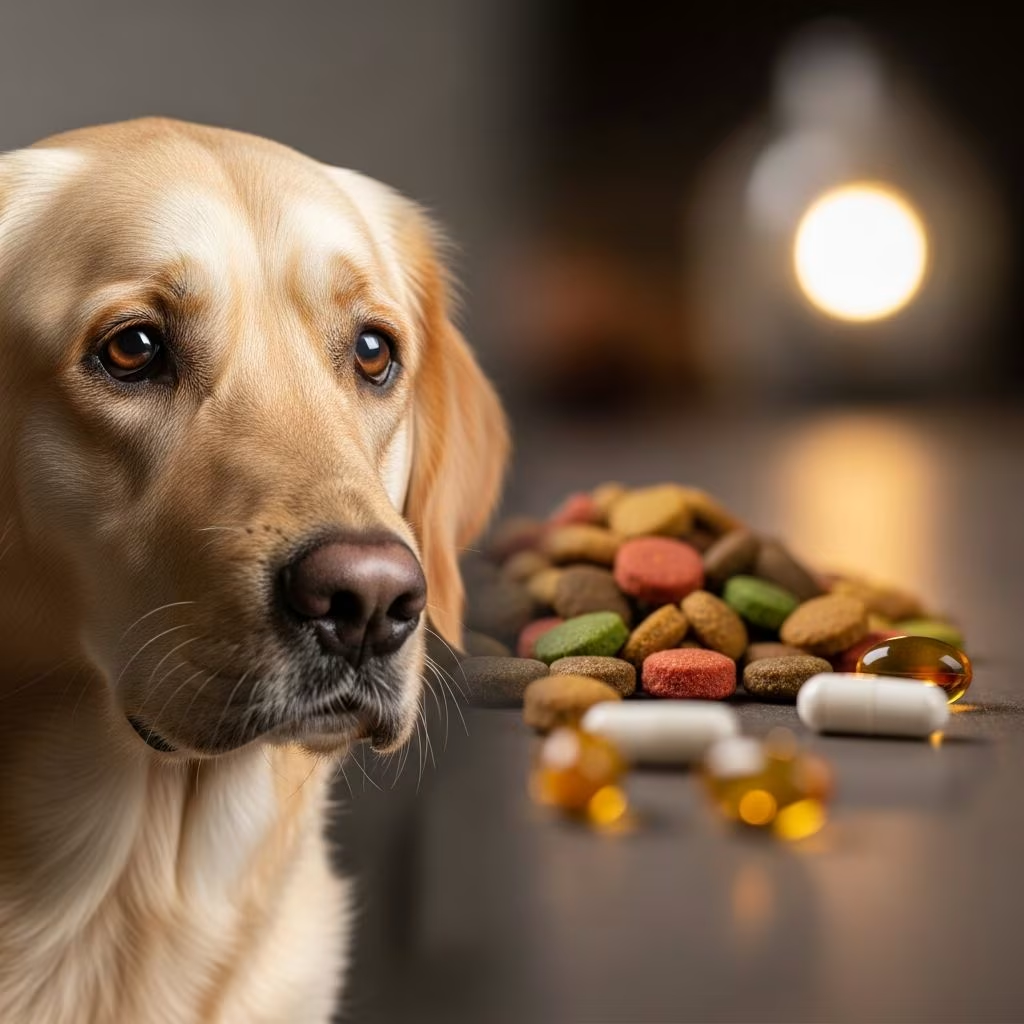
Vitamin A is crucial for canine vision, immune health, and skin integrity, but excessive intake leads to toxicity, causing severe skeletal, gastrointestinal, and neurological issues in dogs. This condition arises primarily from chronic overconsumption of high-vitamin A sources like liver or supplements, affecting dogs across breeds with potentially life-threatening consequences if untreated.
Why Vitamin A Builds Up in a Dog’s System
As a fat-soluble nutrient, vitamin A accumulates in the liver and fatty tissues rather than being readily excreted, making dogs vulnerable to toxicity from prolonged exposure. Unlike water-soluble vitamins, surplus amounts do not flush out quickly, leading to gradual buildup over weeks or months.
- Primary Dietary Culprits: Organ meats, especially beef or chicken liver, contain massive vitamin A concentrations—up to 20,000 IU per ounce—far exceeding safe daily limits for most dogs.
- Supplementation Errors: Well-intentioned owners administering human or unregulated pet vitamins without veterinary guidance often push intake beyond thresholds.
- Commercial Feed Imbalances: Some prescription or homemade diets inadvertently overload vitamin A when combined with treats or raw feeding practices.
- Breed Vulnerabilities: Breeds like sled dogs may show sensitivity at lower doses due to genetic factors influencing metabolism.
Research indicates toxicity typically emerges after 14+ weeks of intakes exceeding 100 times the recommended allowance, roughly over 100,000 IU/kg of body weight daily. Acute single overdoses are rarer but possible from massive liver binges.
Early Warning Signals of Excess Vitamin A
Symptoms progress from mild digestive upset to debilitating skeletal deformities, varying by exposure duration and amount. Owners often overlook initial signs, mistaking them for general illness.
| Stage | Common Symptoms | Duration to Onset |
|---|---|---|
| Acute (hours-days) | Vomiting, diarrhea, dehydration, lethargy | Recent high-dose ingestion |
| Subacute (days-weeks) | Appetite loss, weight reduction, muscle tremors, joint stiffness | Ongoing moderate excess |
| Chronic (weeks-months) | Bone pain, fractures, skin flaking, hair loss, jaundice, seizures | Prolonged high intake |
Gastrointestinal distress dominates early phases, with reduced appetite and weight loss signaling metabolic strain. Skeletal manifestations include lameness from thickened long bones and premature growth plate closure, confirmed in studies on growing pups. Dermatological changes like dry, peeling skin and dull coats reflect epithelial damage, while severe cases involve neurological chaos: tremors, convulsions, or coma.
Mechanisms Behind the Cellular Damage
Excess retinol disrupts bone remodeling by overstimulating chondrocytes, causing excessive matrix production and inhibiting normal ossification. This results in dystrophic calcification, exostoses (bony outgrowths), and vertebral fusions, as detailed in veterinary pathology reports. Lysosomal instability releases cartilage-degrading enzymes, fostering chondromalacia and joint inflexibility.
Systemically, hypervitaminosis A provokes inflammation, elevates intracranial pressure, and impairs liver function, explaining jaundice and polydipsia. Unlike vitamin D toxicity—which spikes calcium levels—vitamin A primarily targets musculoskeletal integrity.
Diagnosing the Condition in Practice
Veterinarians rely on history of diet/supplements, clinical exams, and diagnostics. Blood tests measure serum retinol (elevated >200 μg/dL flags toxicity), while radiographs reveal bone anomalies: periosteal proliferation, physeal thickening.
- Review feeding history for liver frequency or supplement doses.
- Physical assessment for lameness, skin changes, eye irritation.
- Lab panels: liver enzymes, complete blood count for dehydration markers.
- Imaging: X-rays for skeletal deformities; ultrasound for liver enlargement.
Differential diagnoses include hypovitaminosis, nutritional secondary hyperparathyroidism, or renal disease, necessitating targeted testing.
Veterinary Interventions and Recovery Protocols
Treatment hinges on severity: discontinue vitamin A sources immediately for all cases. Mild toxicity resolves with supportive care in days; chronic forms demand hospitalization.
- Decontamination: Activated charcoal binds recent ingestions, preventing absorption if given within hours.
- Hydration Therapy: IV fluids correct dehydration, support kidneys, and dilute toxins.
- Symptom Control: Antiemetics (e.g., maropitant), antidiarrheals, and analgesics manage GI and pain issues.
- Nutritional Rebalancing: Low-vitamin A diets promote recovery; severe anorexia may require tube feeding.
- Advanced Measures: Rarely, vitamin E or antagonists counteract effects; monitor for secondary infections.
Prognosis excels with early intervention—most dogs regain normalcy in weeks—but delayed chronic cases risk permanent skeletal damage or euthanasia.
Prevention Blueprint for Responsible Pet Nutrition
Foremost, adhere to AAFCO guidelines: adult maintenance diets cap at 5,000 IU/kg, growth diets at 15,000 IU/kg on dry matter basis. Limit liver to treats (<5-10% diet), once weekly max for 40-lb dogs.
Daily Actionable Steps
- Consult vets before any supplements; test soil/forage if raw feeding.
- Choose balanced commercial kibble; rotate proteins sans organ overload.
- Monitor puppies/growing dogs closely—highest risk group.
- Educate on breed risks; sled/herding lines warrant extra caution.
Homemade diets demand formulation by canine nutritionists to avert imbalances. Annual bloodwork flags subclinical excesses proactively.
Real-World Cases and Owner Insights
Anecdotal reports highlight liver-loving Labs developing limps after months of daily organ rewards, resolving post-diet change. Studies on sled dogs link standard rations to toxicity, underscoring genetic interplay. Owners report rapid vomiting post-cod liver oil, underscoring acute risks.
Frequently Asked Questions (FAQs)
What foods trigger vitamin A toxicity?
Liver, kidney, cod liver oil, and fortified supplements are top offenders. Avoid raw organ feeding as primary protein.
How much liver is too much for my dog?
No more than 1-2 oz weekly per 20 lbs body weight; less for puppies or small breeds.
Can toxicity reverse fully?
Yes, with prompt care—mild cases recover in 1-4 weeks; skeletal changes may persist in advanced stages.
Is vitamin A in kibble safe?
Regulated amounts are; issues arise from added treats/supplements exceeding totals.
Should I supplement vitamin A?
Never without deficiency proof via bloodwork; balanced diets suffice.
Empowering owners with knowledge averts this preventable plight. Vigilant feeding fortifies your dog’s vitality lifelong.
References
- Vitamin A Toxicity in Dogs: Causes, Symptoms, and Treatment — PetCareRx. 2023. https://www.petcarerx.com/article/vitamin-a-toxicity-in-dogs-causes-symptoms-and-treatment/6633
- Safety evaluation of vitamin A in growing dogs — PMC (PubMed Central). 2012-11-28. https://pmc.ncbi.nlm.nih.gov/articles/PMC3513714/
- Vitamin Poisoning in Dogs – Symptoms, Causes, Diagnosis — WagWalking. 2023. https://wagwalking.com/condition/vitamins-poisoning
- Vitamin A toxicity in Dogs (Canis) — VetLexicon. 2023. https://www.vetlexicon.com/canis/internal-medicine/articles/vitamin-a-toxicity/
- Liver Excess Vitamin A — Fresh Food Tribe. 2023. https://www.freshfoodtribe.com/liver-vitamin-a



