

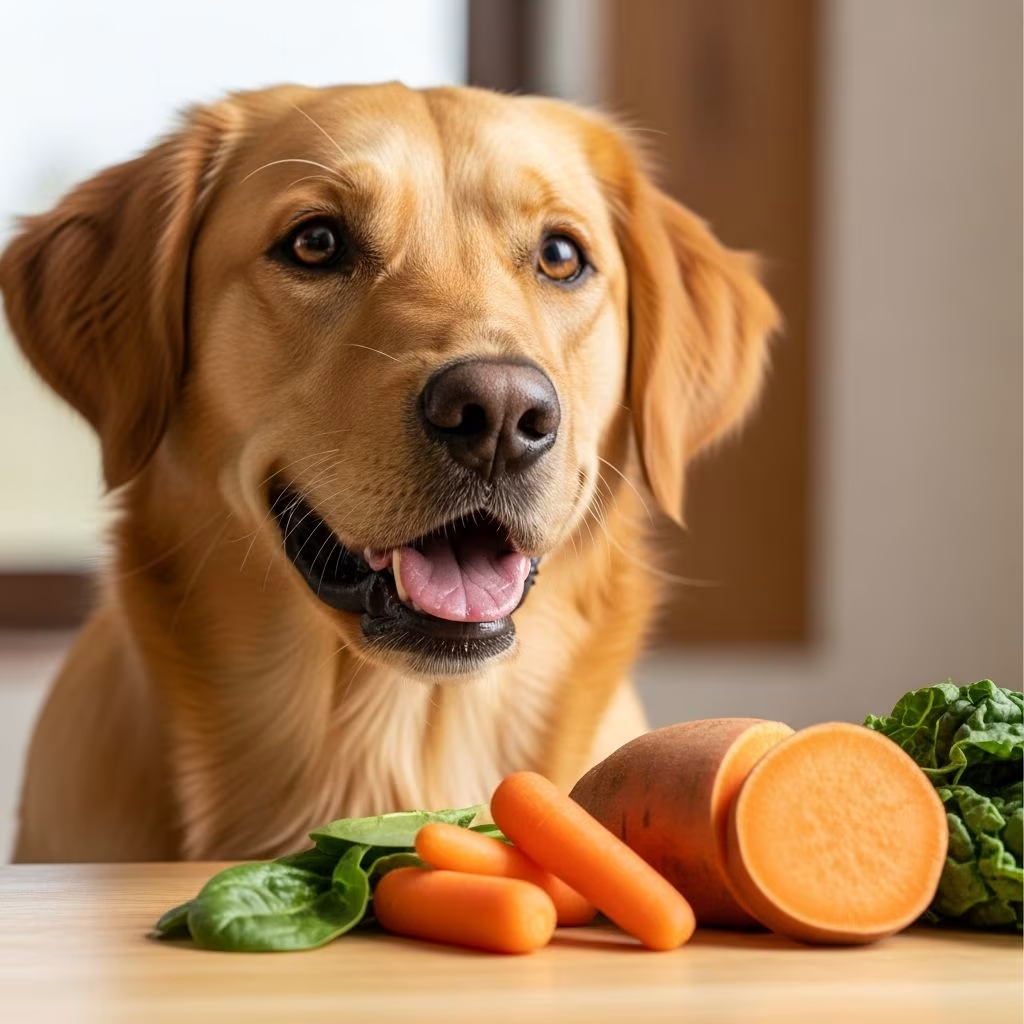
Vitamin A stands as one of the most critical micronutrients in canine health, playing essential roles across multiple body systems. This fat-soluble vitamin functions similarly to a maintenance compound that keeps your dog’s body operating at peak efficiency. Understanding how vitamin A works and why your dog needs adequate amounts can help you make informed decisions about your pet’s nutrition and overall wellness strategy.
Understanding Vitamin A as a Fat-Soluble Nutrient
Unlike water-soluble vitamins that are rapidly eliminated through the urinary system, vitamin A is stored in the liver and adipose tissues throughout the body. This storage capability means that your dog doesn’t need daily replenishment of this nutrient like they do with water-soluble vitamins. However, it also means that excess accumulation can potentially lead to toxicity if supplementation is not carefully monitored. The balance between adequate intake and potential overdose requires understanding proper dosing protocols.
The body utilizes two forms of vitamin A: retinol, which comes from animal-based sources such as liver, and beta-carotene, derived from plant materials like carrots and leafy vegetables. Retinol is particularly bioavailable, meaning your dog’s digestive system can readily convert it into the active forms needed for bodily functions. This is why commercial pet foods often utilize meat-based protein sources as their primary vitamin A delivery method.
Ocular Health and Night Vision Enhancement
The most well-recognized benefit of vitamin A relates to visual function. Within the retina, vitamin A undergoes transformation into 11-cis retinal, a compound that combines with a protein called rhodopsin to create the visual pigment essential for low-light vision. This mechanism explains why dogs with adequate vitamin A levels maintain superior night vision compared to their deficient counterparts.
Dogs naturally possess a higher concentration of rod cells in their retinas compared to humans, which already gives them exceptional ability to see in dim lighting conditions. When vitamin A levels are optimized, these rod cells function at maximum efficiency, allowing your dog to navigate safely in darkness and detect movement with remarkable sensitivity. Conversely, insufficient vitamin A can lead to progressive vision deterioration, potentially resulting in night blindness—a condition where dogs struggle to see in dimly lit environments.
Beyond night vision, adequate vitamin A supports:
- Maintenance of corneal clarity and transparency
- Daytime color perception and visual acuity
- Overall eye health and lens function
- Prevention of age-related vision decline
Dermatological Benefits and Skin Integrity
The skin represents your dog’s largest organ, serving as a critical protective barrier against pathogens, allergens, and environmental irritants. Vitamin A directly influences skin cell production and regeneration, making it fundamental to maintaining skin resilience and preventing damage from external threats. When dogs receive adequate vitamin A, their skin cells undergo continuous renewal, replacing damaged tissue with healthy new cells.
The vitamin has demonstrated therapeutic value in managing various dermatological conditions. Veterinary research has documented successful treatment of seborrhea in American Cocker Spaniels using vitamin A, and topical applications have shown benefit in managing follicular plugging and hyperkeratosis across multiple breeds. Additionally, veterinarians may employ vitamin A off-label to address conditions including sebaceous adenitis and vitamin A-responsive dermatosis.
Vitamin A supports skin health through multiple mechanisms:
- Accelerating cellular turnover and tissue repair
- Enhancing the skin’s natural moisture retention capacity
- Reducing inflammation and irritation in affected areas
- Strengthening the skin barrier function
- Promoting elasticity to prevent cracking and dryness
Coat Quality and Appearance Enhancement
A healthy, lustrous coat reflects adequate nutritional status, with vitamin A playing a significant role in coat quality and appearance. This vitamin influences both the production of natural oils and the overall texture of the hair shaft. Dogs receiving sufficient vitamin A typically display coats with superior shine, improved manageability, and reduced shedding.
For breeds predisposed to coarse or wiry coat texture, adequate vitamin A can soften the hair fiber, making grooming easier and the coat more aesthetically pleasing. The vitamin supports sebum production in skin glands, which naturally conditions the coat and prevents the dryness that often leads to increased shedding and dandruff formation. Pet owners seeking to reduce excessive hair loss often find that optimizing vitamin A intake produces noticeable improvements within several weeks.
Immune System Fortification and Disease Prevention
Perhaps one of the most underappreciated roles of vitamin A involves immune system function. This nutrient actively supports the production of white blood cells, the body’s primary defense mechanism against invading pathogens and cellular damage. Dogs with adequate vitamin A intake demonstrate enhanced capacity to fight infections and recover from illness more rapidly than deficient animals.
Vitamin A also maintains the integrity of mucous membranes lining the respiratory, digestive, and urogenital tracts. These membranes represent the body’s first line of defense against environmental threats. When functioning properly, they produce protective mucus that traps bacteria and pathogens before they can enter systemic circulation. This mechanism proves particularly valuable for dogs prone to seasonal allergies or those exposed to high-stress environments that challenge immune resilience.
The immune-supporting functions of vitamin A include:
- White blood cell production and activation
- Mucous membrane integrity maintenance
- Inflammatory response modulation
- Antibody production enhancement
- Overall pathogenic resistance improvement
Growth, Development, and Reproductive Function
Vitamin A demonstrates critical importance during growth phases, making it particularly essential for puppies and adolescent dogs. This nutrient supports bone development, muscle growth, and nervous system maturation. Puppies receiving adequate vitamin A maintain appropriate growth trajectories and develop proper skeletal structure, setting the foundation for lifelong musculoskeletal health.
Beyond structural development, vitamin A influences reproductive health in both male and female dogs, supporting normal fertility and reproductive function. Breeding dogs require particular attention to vitamin A status to ensure optimal reproductive performance and healthy offspring development.
Recommended Dietary Intake Guidelines
The Association of American Feed Control Officials (AAFCO) establishes that adult dog food should contain 5,000 IU of vitamin A per kilogram of dry matter. Experts more broadly recommend intakes between 3,333 and 5,000 IU per kilogram of dry matter diet across all life stages and breeds.
However, research has demonstrated that dogs can safely metabolize significantly higher levels than previously believed. According to the Merck Veterinary Manual, dogs can ingest up to 100 times the recommended amount without experiencing adverse effects. Recent puppy nutrition studies have further validated that vitamin A levels consistent with FEDIAF guidelines produce no negative health outcomes, indicating that puppies possess greater metabolic capacity for this nutrient than traditionally assumed.
Natural Food Sources of Vitamin A
The most bioavailable sources of vitamin A for dogs come from animal-derived foods. Liver stands as the richest natural source, containing exceptionally high concentrations of retinol. Other meat-based sources including kidney, heart, and other organ meats provide substantial amounts. Eggs also contribute meaningful quantities of vitamin A when included in the diet.
Plant-based options such as carrots, sweet potatoes, and leafy green vegetables provide beta-carotene, which the dog’s body can convert to active vitamin A, though with lower efficiency than direct retinol intake. Most commercial quality dog foods formulated with appropriate meat-based proteins deliver sufficient vitamin A through these natural ingredients without requiring additional supplementation.
Identifying Candidates for Supplementation
While properly formulated commercial diets typically provide adequate vitamin A, certain dogs benefit from targeted supplementation. Dogs with digestive disorders affecting nutrient absorption may require supplemental vitamin A to achieve adequate tissue levels. Additionally, dogs taking medications that interfere with vitamin A metabolism or absorption may develop functional deficiencies despite consuming adequate dietary amounts.
Genetic variations affecting vitamin metabolism can make certain individuals unable to process specific nutrients effectively. These dogs typically demonstrate improved health outcomes when receiving targeted supplementation. Puppies experiencing growth challenges or adult dogs with minor vitamin A deficiencies often respond favorably to supplemental sources, which can boost energy levels, promote coat luster, and support clearer skin.
Dogs particularly likely to benefit from vitamin A supplementation include:
- Those with chronic skin conditions or frequent coat issues
- Dogs with digestive disorders affecting nutrient absorption
- Puppies requiring accelerated growth support
- Dogs taking medications interfering with nutrient metabolism
- Senior dogs experiencing age-related vision decline
Safety Considerations and Toxicity Prevention
While dogs tolerate higher vitamin A levels than humans, excessive supplementation can lead to toxicity, causing adverse health effects. The significant storage capacity of this fat-soluble vitamin means that accumulated excess progressively builds within the liver and fatty tissues, potentially reaching harmful concentrations. Vitamin A toxicity typically develops from chronic overconsumption rather than isolated excessive intake incidents.
Responsible supplementation requires understanding appropriate dosing for your dog’s specific body weight, age, and health status. Rather than assuming higher amounts provide greater benefit, pet owners should recognize that balanced, appropriate nutrition produces optimal outcomes. This makes professional guidance essential before initiating supplementation regimens.
Professional Guidance and Individualized Assessment
Every dog possesses unique nutritional requirements based on age, breed, activity level, health status, and genetic predispositions. A veterinarian or certified holistic pet health coach can evaluate your individual dog’s circumstances and recommend appropriate vitamin A intake, whether through dietary optimization or targeted supplementation. This personalized approach ensures your dog receives adequate vitamin A while avoiding excessive accumulation that could produce adverse effects.
Professional assessment becomes particularly important when managing dogs with existing health conditions, those on multiple medications, or breeding animals requiring optimized reproductive nutrition. Regular veterinary checkups provide opportunities to discuss nutritional adequacy and adjust strategies as your dog’s life stage and health status evolve.
Conclusion
Vitamin A represents far more than a single-function nutrient, instead serving as an essential compound supporting vision, skin health, immunity, growth, and reproductive function. By incorporating vitamin A-rich foods such as liver, eggs, and appropriately formulated commercial diets, most dogs receive adequate quantities for optimal health. Those requiring supplementation benefit from professional guidance ensuring appropriate dosing for individual needs. Recognizing vitamin A’s multifaceted roles allows pet owners to make informed nutritional decisions supporting their dog’s long-term wellness and vitality.
References
- Vitamin A for Dogs: Benefits for Vision, Skin, and Immunity — Dr. Ruth Roberts. 2024. https://drruthroberts.com/blogs/pet-blog/vitamin-a-for-dogs-vision-skin-immunity-and-more
- Vitamin A for Dogs — Wag Walking. 2024. https://wagwalking.com/wellness/vitamin-a-for-dogs
- Vitamin A: Essential for Dog Skin and Coat Health — Camelus. 2024. https://camelus.co.za/blogs/camelus-blog/vitamin-a-essential-for-dog-skin-and-coat-health
- The Best Vitamin A Food Sources for Dogs — Volhard Dog Nutrition. 2024. https://www.volharddognutrition.com/blog/the-best-vitamin-a-food-sources-for-dogs/
- Vitamin A, B6 & Zinc: A powerful combination for your dog — Lyka. 2024. https://lyka.com.au/blog/vitamin-a-b6-zinc-a-powerful-combination-for-your-dog
- FEDIAF: Safe levels of vitamin A for puppies — European Pet Food Industry Federation. 2023. https://europeanpetfood.org/_/news/fediaf-safe-levels-of-vitamin-a-for-puppies/
- Vitamin A — VCA Animal Hospitals. 2024. https://vcahospitals.com/know-your-pet/vitamin-a



