

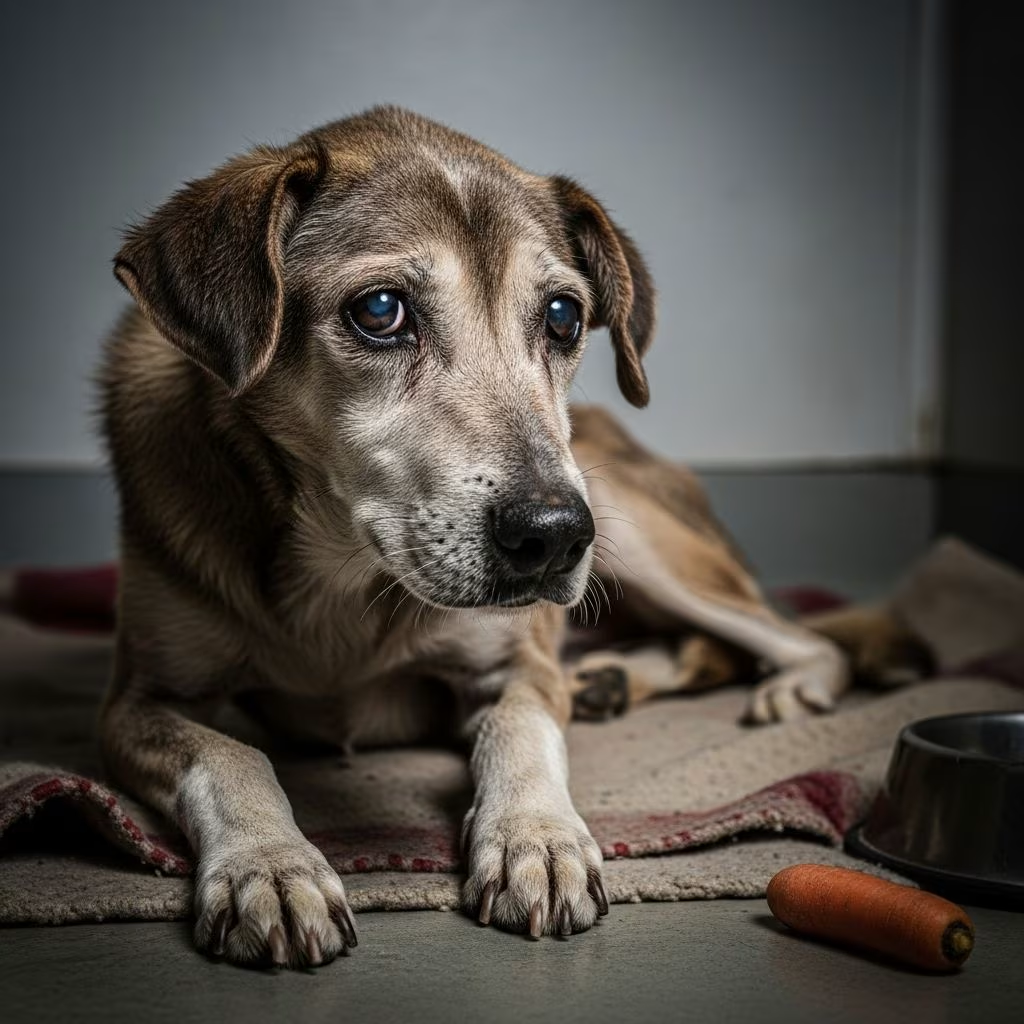
Vitamin A, or retinol, is a fat-soluble nutrient vital for canine health, supporting vision, immune function, skin integrity, and growth. Deficiency arises mainly from imbalanced diets, leading to severe symptoms like night blindness and weakened immunity. Early detection through observant care and veterinary guidance can reverse many effects.
Why Vitamin A Matters for Canine Wellness
This nutrient powers rhodopsin production in the retina, enabling low-light vision, while also maintaining epithelial tissues and bolstering defenses against pathogens. Puppies and breeding dogs rely on it for skeletal development and fetal health. Without adequate levels, cellular functions falter, inviting infections and developmental setbacks.
Commercial foods often meet requirements, but raw, home-cooked, or low-fat diets may fall short, as dogs convert beta-carotene inefficiently from plants, prioritizing preformed retinol from animal sources.
Common Symptoms and Their Progression
Deficiency manifests gradually, starting subtly before escalating. Owners might first notice behavioral shifts or coat changes, progressing to organ involvement if untreated.
- Night blindness: Dogs hesitate in dim areas or bump into objects, due to retinal dysfunction.
- Skin and coat deterioration: Dry, flaky skin with alopecia, seborrhea, or infections from mucus-producing cell abnormalities.
- Frequent infections: Respiratory issues like pneumonia susceptibility, ear problems, or slow wound healing from impaired immunity.
- Growth and bone issues in pups: Stunted stature, ear bone deformities causing deafness.
- Reproductive failures: Infertility, fetal abnormalities in pregnant females.
- Lethargy and appetite loss: Weakness, weight decline, refusal to eat.
| Symptom Category | Early Signs | Advanced Signs |
|---|---|---|
| Vision | Night blindness | Corneal ulcers, photophobia, blindness |
| Skin/Coat | Dryness, dull fur | Alopecia, secondary infections |
| Immunity | Minor infections | Chronic respiratory distress |
| Growth | Slow puppy gains | Bone deformities, deafness |
Root Causes Behind the Deficiency
Primary triggers include diets lacking liver, eggs, or fatty fish—prime retinol sources. Low-fat feeding exacerbates absorption issues, as vitamin A requires lipids. Malabsorption from gastrointestinal diseases or parasites further depletes stores. Breeding females deplete reserves passing it to offspring, heightening risks.
Rarely, over-reliance on plant beta-carotene fails, as canine conversion lags behind herbivores. Long-term raw fish diets introduce antagonists blocking uptake.
Diagnosing the Problem Accurately
Veterinarians assess via history, physical exams, and blood serum retinol tests, though levels fluctuate. Liver biopsies confirm stores in severe cases but are invasive. Ruling out mimics like allergies or hypothyroidism is crucial through differentials.
Observe patterns: persistent night navigation struggles or recurrent skin infections signal investigation. Prompt diagnostics prevent irreversible damage like vision loss.
Effective Treatment Approaches
Correction involves therapeutic supplementation under vet supervision, starting at high doses tapered over months. Injectable retinyl palmitate bypasses absorption woes in critical cases. Dietary overhaul incorporates retinol-rich foods: beef liver (weekly portions), salmon, or fortified kibble.
- Supplementation protocol: 5,000-10,000 IU/kg daily initially, monitoring toxicity.
- Diet integration: Balance with fats for uptake; avoid excess carrots alone.
- Supportive care: Antibiotics for infections, eye lubricants for xerophthalmia.
Improvement appears in weeks: coat gloss returns, infections wane. Full bone repair may take longer in juveniles.
Prevention Through Smart Nutrition
Avoid deficiency with AAFCO-compliant foods meeting NRC guidelines (5,000 IU/kg for adults). Rotate proteins including organ meats. For home feeders, consult canine nutritionists for recipes hitting 227-756 RE/kg dry matter.
Monitor at-risk groups: puppies, seniors, breeders. Annual bloodwork catches subclinical drops. Shun human multis or retinol creams—dogs can’t process them safely.
| Food Source | Vitamin A per 100g (IU) | Feeding Tip |
|---|---|---|
| Beef Liver | 16,898 | 1-2 oz weekly, cooked |
| Chicken Liver | 11,000 | Alternate with beef |
| Salmon | 150 | 2-3 times weekly |
| Egg Yolk | 380 | Daily add-on |
The Dangers of Excess Vitamin A
Hypervitaminosis A mirrors deficiency ironically: joint pain, peeling skin, anorexia, seizures. Topical retinol ingestion or over-supplementation triggers it. Symptoms include lethargy, bone spurs, paralysis. Discontinue sources immediately; recovery follows cessation.
- Deformed bones from rapid growth disruption.
- Neurologic signs: ataxia, convulsions.
- Gastrointestinal upset: vomiting, diarrhea.
Special Considerations for At-Risk Dogs
Puppies face growth halts; breeders risk litter defects. Breeds like Schnauzers show comedo syndrome links. Working dogs on lean rations need monitoring. Holistic approaches pair diet with omega-3s for synergy.
FAQs on Vitamin A in Canine Care
Can my dog get enough vitamin A from vegetables?
No, dogs poorly convert beta-carotene; prioritize animal sources like liver.
How quickly do symptoms reverse with treatment?
Vision and skin improve in 2-4 weeks; bones take months.
Is supplementation safe long-term?
Only as vet-prescribed; excess risks toxicity.
What if my dog eats carrots daily?
Beneficial but insufficient alone; combine with retinol foods.
Does raw feeding prevent deficiency?
Not always—balance organs; test periodically.
Long-Term Monitoring and Vet Partnerships
Quarterly check-ups for vulnerable pets ensure balance. Track weight, coat, activity. Nutrition logs aid adjustments. Informed owners prevent crises, fostering thriving companions.
References
- Vitamin A for Dogs — WagWalking. 2023. https://wagwalking.com/wellness/vitamin-a-for-dogs
- Pet Wellness and Vitamin A: A Narrative Overview — PMC (NCBI). 2024-04-05. https://pmc.ncbi.nlm.nih.gov/articles/PMC11010875/
- 12 Dangerous Symptoms of Vitamin A Deficiency in Dogs — Brooke & Belle. 2023. https://brookeandbelle.com/blogs/news/12-dangerous-symptoms-of-vitamin-a-deficiency-in-dogs-and-how-to-stop-it
- Vitamin A | VCA Animal Hospitals — VCA Hospitals. 2024. https://vcahospitals.com/know-your-pet/vitamin-a
- The Best Vitamin A Food Sources for Dogs — Volhard Dog Nutrition. 2023. https://www.volharddognutrition.com/blog/the-best-vitamin-a-food-sources-for-dogs/
- Pet Wellness and Vitamin A: A Narrative Overview — PMC (NCBI). 2024-04-05. https://pmc.ncbi.nlm.nih.gov/articles/PMC11010875/



