

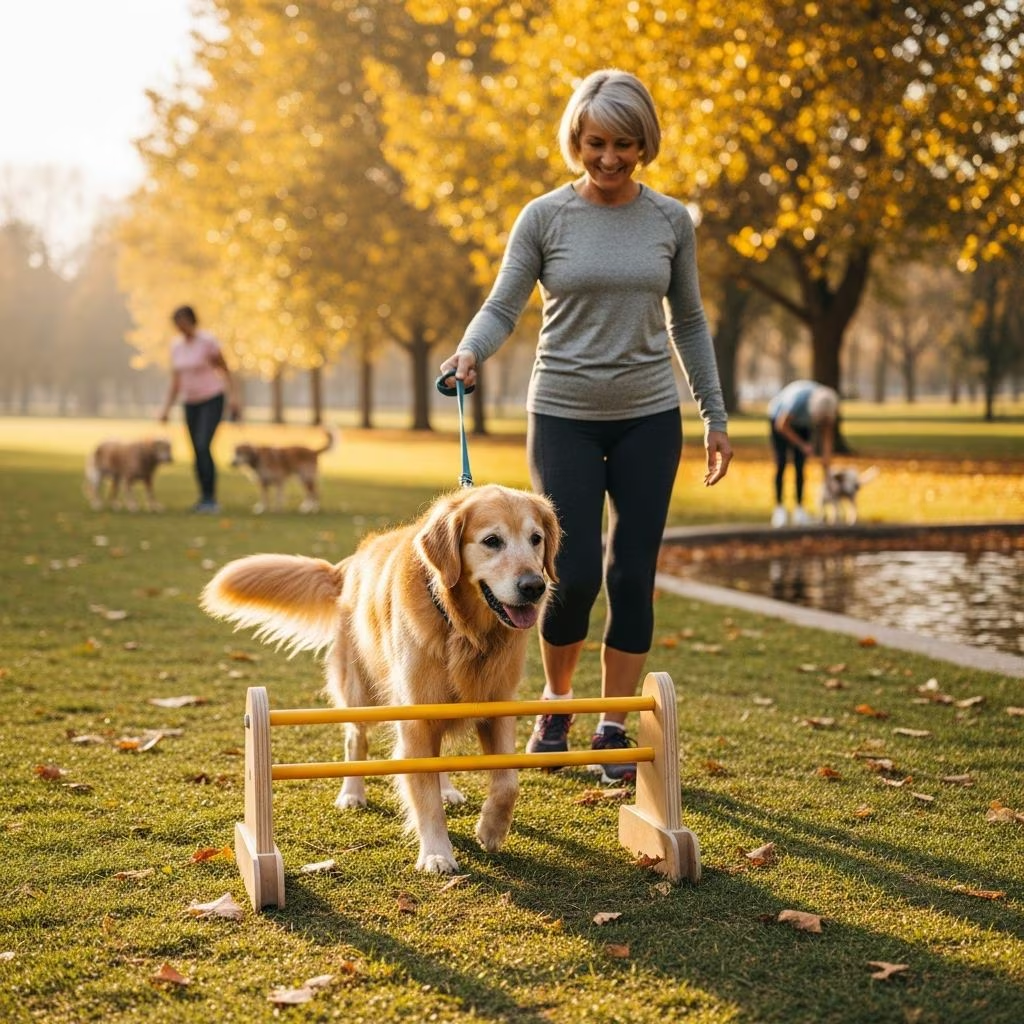
Keeping older dogs active through appropriate physical routines is essential for preserving their physical strength, mental acuity, and overall well-being. As canines enter their golden years, typically around age 7 for larger breeds and later for smaller ones, their exercise needs evolve to prioritize low-impact, consistent movements that accommodate reduced stamina and potential health issues like arthritis or heart conditions.
Health Advantages of Regular Movement in Mature Dogs
Consistent activity delivers profound benefits that extend lifespan and improve daily comfort. Joint lubrication occurs through gentle motion, which nourishes cartilage and minimizes inflammation, directly countering age-related stiffness. Cardiovascular endurance strengthens as blood flow improves, aiding heart and lung efficiency even with brief outings.
Metabolic slowdown in seniors heightens obesity risk, but structured play helps regulate weight by burning calories and building lean muscle mass. Cognitive perks include sharper senses from environmental exploration, reducing risks of dementia-like symptoms through novel stimuli. Endorphin release during these sessions elevates mood, combating lethargy or anxiety common in aging pets.
- Joint support: Movement distributes synovial fluid, preventing cartilage breakdown.
- Weight control: Counters slower calorie burn rates in older bodies.
- Mental boost: Sniffing and navigating stimulate neural pathways.
- Emotional uplift: Promotes natural feel-good chemicals.
Consulting Professionals Before Starting
Always initiate a new regimen with a veterinary evaluation to rule out contraindications such as undiagnosed pain or organ strain. Professionals can assess mobility via exams, recommend diagnostics like X-rays, and suggest modifications based on breed predispositions—for instance, larger dogs often face hip dysplasia earlier. Semi-annual checkups allow adjustments as conditions progress, ensuring safety.
Core Walking Strategies for Daily Fitness
Pedestrian outings remain the cornerstone of senior fitness due to their simplicity and adaptability. Opt for multiple brief sessions totaling 30-60 minutes daily, such as two 15-20 minute strolls, to avoid fatigue while providing steady benefits. Select soft terrains like grass or mulch to cushion paws and joints, steering clear of concrete that jars aging frames.
Encourage sniffing pauses, transforming walks into sensory adventures that engage the brain without excess exertion. Monitor pace by letting your dog dictate speed, slowing if lagging or heavy breathing emerges. Seasonal adjustments matter: early mornings or evenings mitigate heat stress, while booties protect against ice.
| Session Length | Frequency | Surface Type | Best Time |
|---|---|---|---|
| 10-15 min | 2-4x/day | Grass/Dirt | Cooler hours |
| 20 min | 2x/day | Sand/Trails | Morning/Evening |
| 5-10 min | After meals | Indoor floors | Anytime |
Aquatic Activities for Joint-Friendly Conditioning
Water-based exercises offer unparalleled non-weight-bearing resistance, ideal for dogs with arthritis or post-surgical recovery. Swimming engages all muscle groups while buoyancy eliminates joint compression, making it superior for rehabilitation. Home pools or natural lakes work if supervised, but professional hydrotherapy with underwater treadmills provides controlled temperatures around 90-92°F for optimal comfort.
Begin with 5-minute floats holding a life vest, progressing to paddling as confidence builds. Sessions 2-3 times weekly suffice, watching for exhaustion cues like sputtering. This method not only builds endurance but also massages tissues through water pressure.
Mind-Sharpening Indoor Pursuits
When outdoor conditions limit mobility, indoor alternatives sustain engagement. Puzzle toys with hidden treats foster problem-solving, keeping noses and paws active for 10-15 minutes. Gentle fetch using soft toys on carpets minimizes impact, while balance exercises on cushions enhance core stability without strain.
Training refreshers like ‘sit-stay’ commands provide mental workouts, releasing dopamine and reinforcing bonds. Nose work games, hiding scents around rooms, mimic hunting instincts safely indoors. These options prove invaluable during inclement weather or advanced age.
Customizing Routines to Individual Capabilities
Tailor plans by observing responses: enthusiastic tail wags signal suitability, while limping demands reduction. Smaller breeds may handle brisker paces, whereas giants benefit from slower, shorter bursts. Incorporate warm-ups with 2-3 minutes of loose wandering and cool-down stretches, gently flexing limbs to aid recovery.
Hydration stations during breaks prevent dehydration, as seniors process fluids less efficiently. Ramps for furniture access reduce leap risks, preserving hips long-term. Track progress in a journal noting distance, mood, and appetite shifts for vet discussions.
Recognizing and Addressing Overexertion Signals
Vigilance prevents injury; halt immediately upon spotting excessive panting, trembling, reluctance, or paw licking. Post-exercise swelling or prolonged sleepiness warrants professional review. Arthritis flares might mimic tiredness, so differentiate via touch for heat in joints.
- Immediate stops: Heavy panting, limping.
- Next-day checks: Stiffness, appetite loss.
- Long-term flags: Weight fluctuations, disinterest.
Nutrition and Recovery Support
Pair exercise with senior-specific diets rich in glucosamine for joint aid and omega-3s for inflammation control. Post-activity massages using firm strokes along legs and back alleviate soreness, promoting circulation. Orthopedic beds ensure restorative sleep, vital for tissue repair.
Seasonal and Environmental Modifications
Adapt to climates: lightweight coats for chills, cooling mats for heat. Avoid midday sun or salted roads, opting for shaded paths. Rainy days shift to treadmill simulations via slow indoor pacing.
Common Concerns Addressed
Frequently Asked Questions
How many minutes of activity daily for seniors?
Target 30-60 minutes split into short bouts, adjusted per vet advice and health status.
Are swims safe for arthritic dogs?
Yes, as zero-impact therapy; start supervised in warm water.
Can indoor games replace walks?
They complement but don’t fully substitute outdoor sniffing benefits.
What if my dog resists movement?
Consult vet for pain checks; use high-value treats to entice gradually.
Ideal frequency for vet mobility exams?
Every 6 months or at sign changes.
Sustained, mindful activity transforms senior years into vibrant extensions of joyful companionship, fostering resilience against age’s toll.
References
- Gentle Exercise Plan for Older Dogs — Maplewood Vet. 2023. https://www.maplewood.vet/gentle-exercise-plan-older-dogs/
- Senior Dog Exercise: Keep Older Dogs Active Safely — Sniffspot. 2024. https://www.sniffspot.com/blog/dog-enrichment/senior-dog-exercise-keep-older-dogs-active-safely
- Exercising Your Senior Dog — PetMD. 2025-03-15. https://www.petmd.com/dog/general-health/how-to-exercise-your-senior-dog
- Keeping Your Senior Dog Active — The Grey Muzzle Organization. 2024. https://www.greymuzzle.org/resources/health-and-well-being-wellness-care-mobility/keeping-your-senior-dog-active
- How to Provide Your Senior Dog With Proper Exercise — AKC. 2023-11-10. https://www.akc.org/expert-advice/health/provide-senior-dog-proper-exercise/
- Exercises and Canine Fitness for Senior Dogs — Purina Pro Plan. 2024. https://www.purina.com/articles/dog/senior-dog/health/canine-fitness-for-dogs
- The Ultimate Guide to Keeping Your Senior Dog Active and Healthy — Pet Butler. 2025. https://www.petbutler.com/ultimate-guide-keeping-senior-dog-active-healthy/



