

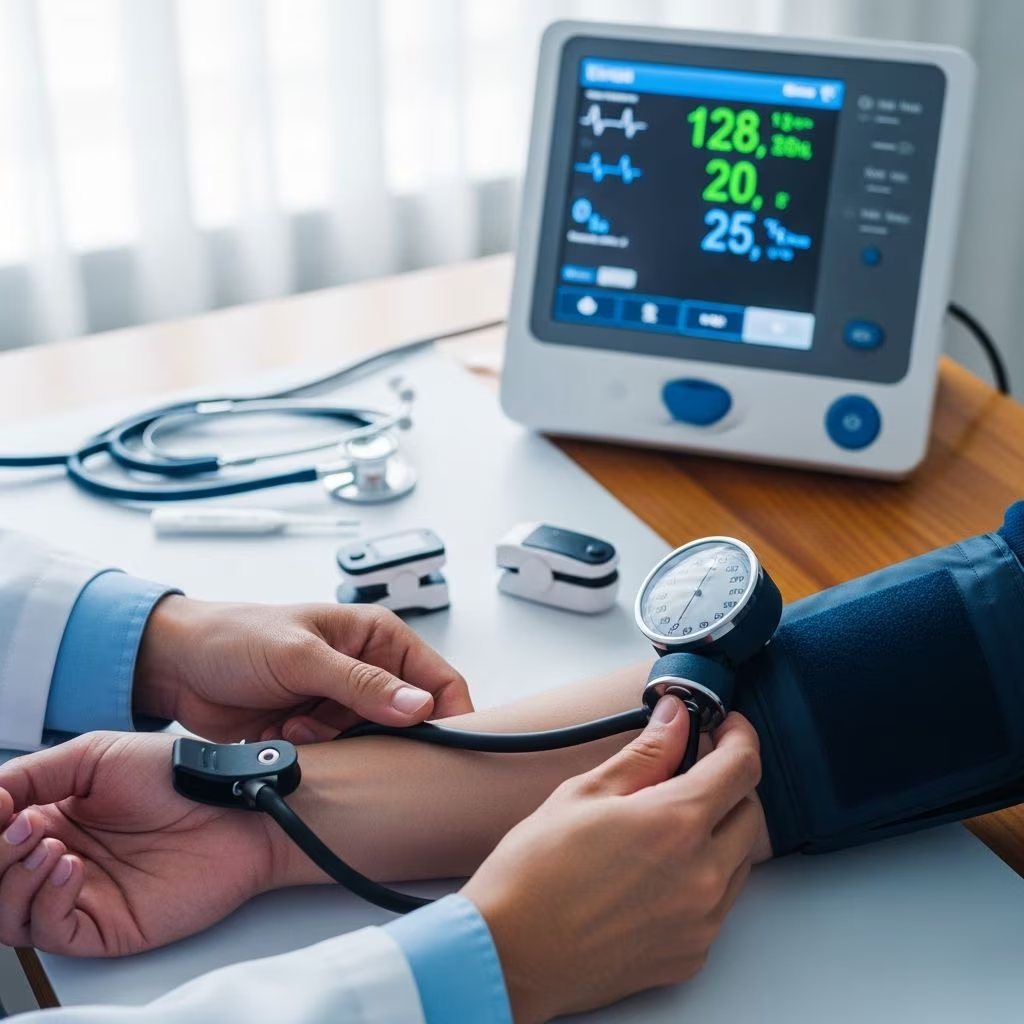
Vital signs serve as fundamental indicators of bodily functions, offering a window into overall health status through measurements like temperature, pulse, respiration, and blood pressure. These metrics allow healthcare providers and individuals to detect deviations early, facilitating timely interventions that can prevent serious complications.
Understanding the Core Vital Signs
The primary vital signs encompass body temperature, heart rate, respiratory rate, blood pressure, and sometimes oxygen saturation or body mass metrics. Each provides unique data on physiological performance. Body temperature reflects the body’s thermal regulation, typically ranging from 97.7°F to 99.5°F orally in healthy adults. Deviations signal potential infections or metabolic issues.
Heart rate, or pulse, counts beats per minute at rest, ideally 60-100 for adults. It varies with fitness, age, and stress levels, serving as a fitness and cardiovascular health gauge.
Blood pressure readings consist of systolic (heart contraction) over diastolic (relaxation) pressures, with normal values under 120/80 mmHg. Elevated levels indicate hypertension risks like stroke.
Respiratory rate tracks breaths per minute, normally 12-20 in adults. Changes can point to respiratory distress or metabolic imbalances.
Oxygen saturation, measured via pulse oximetry, should exceed 95%. Low levels suggest pulmonary or circulatory problems.
Why Regular Monitoring Matters
Consistent vital signs checks establish personal baselines, crucial for identifying anomalies. For instance, a sudden heart rate spike might indicate arrhythmia, while persistent high blood pressure signals cardiovascular risk.
- Establishes individual norms influenced by age, fitness, and medications.
- Tracks responses to treatments or lifestyle shifts.
- Alerts to acute changes signaling emergencies like sepsis or heart failure.
In clinical settings, these measurements precede diagnoses, influencing decisions on further tests or therapies.
Detailed Breakdown of Each Vital Sign
Body Temperature Dynamics
Maintained by the hypothalamus, core temperature hovers around 98.6°F. Hyperthermia above 100.4°F suggests infection, heatstroke, or inflammation, while hypothermia below 95°F risks organ failure. Home thermometers enable proactive monitoring, especially during flu seasons.
Heart Rate Insights
Measured radially or carotidy, resting rates below 60 bpm (bradycardia) or above 100 bpm (tachycardia) warrant attention. Athletes often have lower rates due to efficient hearts. Factors like caffeine or anxiety temporarily elevate it.
| Age Group | Normal Resting Heart Rate (bpm) |
|---|---|
| Newborns | 120-160 |
| Children (1-10 years) | 70-120 |
| Adults | 60-100 |
| Athletes | 40-60 |
Blood Pressure Fundamentals
Systolic pressure over 140 mmHg or diastolic over 90 mmHg defines hypertension stage 1. Regular checks prevent silent progression to heart disease. Devices like automated cuffs make home tracking accessible.
Respiratory Rate Evaluation
Observed discreetly as chest rises, rates above 20 suggest pneumonia or anxiety; below 12 may indicate opioid effects. Critical in post-surgical or elderly care.
Oxygen Levels and Beyond
Pulse oximeters clip on fingers for non-invasive SpO2 readings. Levels under 90% prompt oxygen therapy assessments.
Benefits of Proactive Vital Signs Tracking
Beyond clinics, home monitoring empowers individuals. Devices range from basic cuffs to smartwatches logging continuous data.
Early Detection of Silent Threats
Conditions like hypertension or prediabetes often lack symptoms. Baseline tracking spots trends, enabling interventions before crises.
Reducing Diagnostic Errors
Symptom overlap confounds verbal reports. Objective vitals clarify, e.g., fever confirming infection amid fatigue complaints.
Guiding Treatment Adjustments
Post-medication checks verify efficacy or side effects, like blood pressure drops from antihypertensives.
Encouraging Healthier Habits
Seeing weight fluctuations or rising pulse motivates diet, exercise, or stress management.
How to Measure Vital Signs Accurately at Home
Invest in validated devices: digital thermometers, aneroid sphygmomanometers, or wearables. Best practices include:
- Sit quietly 5 minutes pre-blood pressure.
- Avoid caffeine, exercise 30 minutes prior.
- Measure same time daily for consistency.
- Record trends in apps or logs.
Consult providers for technique training, especially for irregular rhythms.
When to Seek Professional Help
Alert thresholds: temperature over 103°F, heart rate over 120 bpm at rest, blood pressure above 180/120 mmHg, respiratory rate over 30, or SpO2 below 92%. Sudden changes or symptoms like chest pain demand immediate care.
Advanced Monitoring Technologies
Wearables like Fitbit or Apple Watch provide real-time alerts. Telemedicine integrates remote vitals for virtual consults, enhancing chronic disease management.
FAQs on Vital Signs
What is a normal blood pressure for adults?
Less than 120/80 mmHg; consult a doctor for personalized targets.
Can stress affect vital signs?
Yes, it elevates heart rate and blood pressure temporarily.
Are home monitors reliable?
Validated ones match clinical accuracy; calibrate regularly.
How often should I check vitals?
Daily for high-risk individuals; weekly otherwise, or as advised.
Do children have different normal ranges?
Yes, higher heart and respiratory rates adjust with age.
Integrating Vitals into Daily Wellness
Combine tracking with balanced nutrition, activity, and sleep. Apps visualize trends, fostering accountability. For families, routine checks normalize health vigilance, potentially averting pediatric emergencies.
In populations with rising chronic diseases, widespread monitoring could reduce healthcare burdens by emphasizing prevention. Educating communities on vitals demystifies self-care, empowering proactive health management.
Ultimately, vital signs transcend numbers—they’re actionable intelligence for longevity. By prioritizing them, individuals partner with their bodies, catching issues early and optimizing vitality.
References
- Vital Signs Monitoring — Infinium Medical. 2023. https://infiniummedical.com/vital-signs-monitoring/
- What Is the Purpose of Taking Vital Signs? — Hunter Business School. 2024-02-15. https://hunterbusinessschool.edu/what-is-the-purpose-of-taking-vital-signs/
- What Are Vital Signs, and Why Are They Important? — Healthline. 2025-01-10. https://www.healthline.com/health/what-are-vital-signs
- Why Monitoring Your Vital Signs Matters — Superior Clinics. 2021-11-01. https://www.superiorclinics.com/blog/2021/november/why-monitoring-your-vital-signs-matters/
- Vital Signs — Cleveland Clinic. 2025-03-20. https://my.clevelandclinic.org/health/articles/10881-vital-signs
- Vital signs: MedlinePlus Medical Encyclopedia — MedlinePlus (NIH). 2024-11-05. https://medlineplus.gov/ency/article/002341.htm



