
Vital Signs: 5 Essential Metrics To Monitor Daily
Discover why tracking vital signs is essential for early detection, accurate diagnosis, and lifelong wellness in everyday health management.
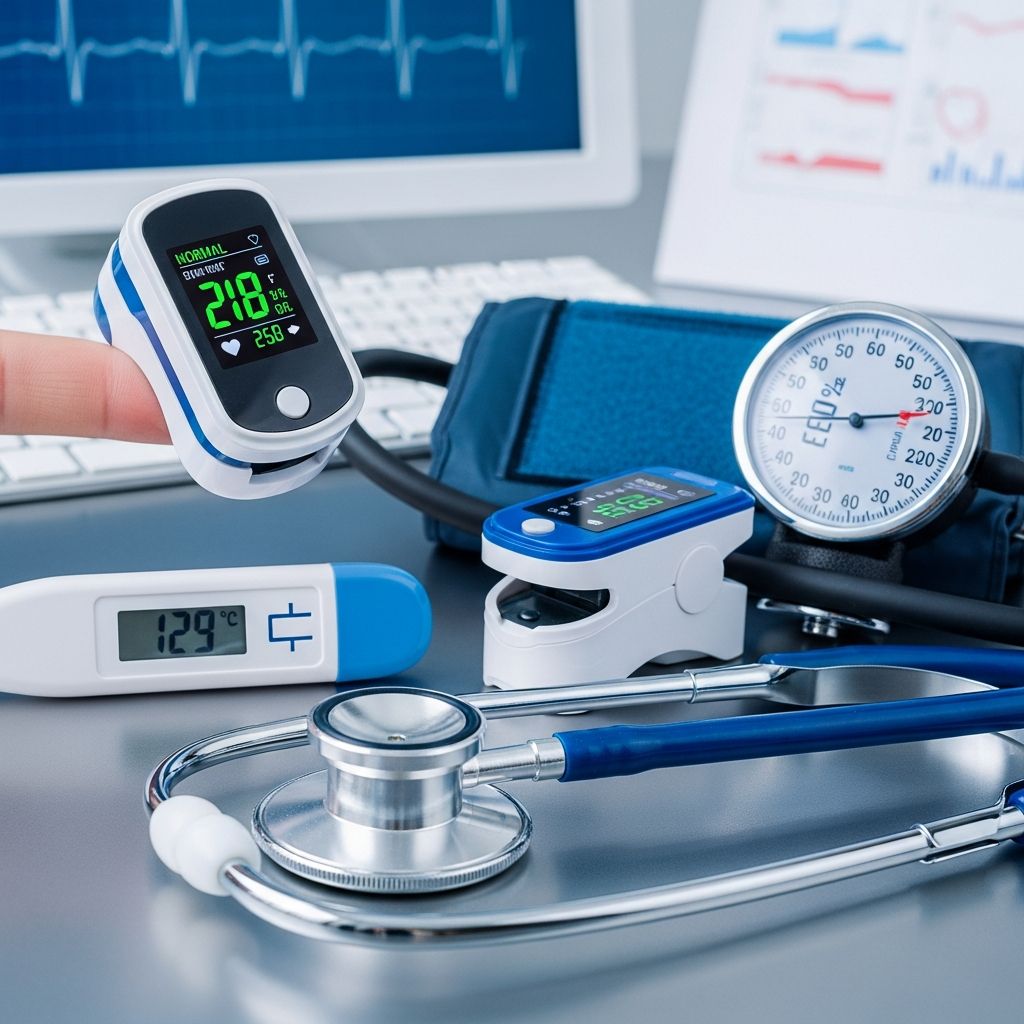
Vital signs serve as fundamental indicators of bodily functions, offering immediate insights into overall health status. Monitoring these metrics routinely can reveal subtle changes that signal potential issues before they escalate.
Understanding the Core Vital Signs
The primary vital signs include body temperature, pulse or heart rate, respiratory rate, blood pressure, and oxygen saturation. These measurements form the foundation of clinical assessments and personal health tracking.
- Body Temperature: Reflects the body’s thermal regulation, typically ranging from 97°F to 99°F (36.1°C to 37.2°C) orally. Deviations can indicate infection or metabolic disturbances.
- Heart Rate: Counts heartbeats per minute, with a normal resting range of 60-100 bpm for adults. It varies by age, fitness, and activity.
- Respiratory Rate: Measures breaths per minute, normally 12-20 for adults at rest. Alterations may point to respiratory or cardiac problems.
- Blood Pressure: Systolic over diastolic, ideally under 120/80 mmHg. Elevated levels signal hypertension risks.
- Oxygen Saturation: Percentage of oxygenated blood, typically 95-100%. Low levels suggest pulmonary or circulatory issues.
Normal Ranges Across Age Groups
Vital sign norms differ by age, making age-specific monitoring crucial. The table below summarizes standard ranges from authoritative sources.
| Vital Sign | Adults | Children (6-12 yrs) | Infants |
|---|---|---|---|
| Heart Rate (bpm) | 60-100 | 70-120 | 100-160 |
| Respiratory Rate (breaths/min) | 12-20 | 18-30 | 30-60 |
| Blood Pressure (mmHg) | <120/80 | <115/75 | 70-100/40-65 |
| Temperature (°F) | 97-99 | 97-99 | 99-100.4 |
These baselines help establish personal norms, as individual variations exist.
Why Monitor Vital Signs Regularly?
Consistent tracking prevents overlooked health declines. It establishes personal baselines for detecting deviations early.
Early Detection of Illness
Fluctuations often precede symptoms. For instance, elevated temperature signals infection onset, while rapid heart rate may indicate dehydration or arrhythmia.
Preventing Misdiagnosis
Symptoms overlap across conditions, but vital signs provide objective data. Abnormal respiration might differentiate asthma from anxiety.
Identifying Silent Conditions
Diseases like hypertension progress asymptomatically. Routine checks catch these, averting strokes or heart failure.
Guiding Lifestyle Improvements
Trends motivate changes: high blood pressure prompts diet tweaks, irregular pulse encourages exercise.
How to Measure Vital Signs at Home
Home devices democratize monitoring. Use validated tools for accuracy.
- Temperature: Digital thermometers under tongue or tympanic models. Avoid post-meal readings.
- Heart Rate: Radial pulse for 60 seconds or wearables like fitness trackers.
- Respiration: Count chest rises for one minute while relaxed.
- Blood Pressure: Automated cuffs on bare upper arm, seated with feet flat.
- Oxygen Levels: Pulse oximeters on fingertip, post-rest.
Log readings daily at consistent times for trends.
Common Abnormalities and Responses
Recognize red flags:
- Hypertension (>140/90 mmHg): Risk for cardiovascular events; consult physician.
- Hypotension (<90/60 mmHg): May cause dizziness; hydrate and seek care if persistent.
- Tachycardia (>100 bpm resting): Stress, anemia, or thyroid issues.
- Bradycardia (<60 bpm): Athletic hearts or conduction blocks.
- Fever (>100.4°F): Infection marker; antipyretics if needed.
Advanced Monitoring Technologies
Wearables integrate vitals seamlessly. Smartwatches track heart rate variability, ECG, and SpO2 continuously. Apps alert anomalies, enhancing proactive care.
Telehealth platforms enable remote sharing with providers, ideal for chronic management.
Vital Signs in Clinical Settings
Professionals use standardized protocols. Baseline on first visits tracks progress post-treatment or surgery.
In emergencies, vitals guide triage: low oxygen prioritizes ventilation.
Special Considerations for Vulnerable Groups
Pregnancy
Blood pressure rises mildly; monitor for preeclampsia (hypertension + proteinuria). Heart rate increases 10-20 bpm.
Elderly
Baselines shift: lower max heart rates, fragile vessels demand gentle cuffs.
Athletes
Resting rates 40-60 bpm normal; contextualize with fitness.
Integrating Vitals into Daily Routines
Pair monitoring with habits: check post-exercise, before meals. Apps visualize trends, correlating with sleep, diet.
Share logs at checkups for holistic views.
Frequently Asked Questions (FAQs)
What if my vital signs are consistently abnormal?
Consult a healthcare provider promptly; don’t self-diagnose.
Can stress affect vital signs?
Yes, it elevates heart rate and pressure temporarily; recheck when calm.
Are home devices accurate?
Choose FDA-cleared models; calibrate regularly.
How often should I monitor?
Daily for at-risk individuals; weekly otherwise, or as advised.
Do children need vital monitoring?
Yes, during illness; age-adjusted norms apply.
Empowering Health Through Awareness
Mastering vital signs fosters autonomy. Early insights lead to timely interventions, optimizing outcomes.
References
- 4 Very Important Reasons Why Vital Signs Monitoring Matters — Infinium Medical. 2023. https://infiniummedical.com/vital-signs-monitoring/
- What Is the Purpose of Taking Vital Signs? — Hunter Business School. 2023. https://hunterbusinessschool.edu/what-is-the-purpose-of-taking-vital-signs/
- What Are Vital Signs, and Why Are They Important? — Healthline. 2023-10-12. https://www.healthline.com/health/what-are-vital-signs
- Why Monitoring Your Vital Signs Matters — Superior Clinics. 2021-11. https://www.superiorclinics.com/blog/2021/november/why-monitoring-your-vital-signs-matters/
- Vital Signs — Cleveland Clinic. 2023-05-01. https://my.clevelandclinic.org/health/articles/10881-vital-signs
- Introduction and context – Safer and more efficient vital signs — NCBI Bookshelf. 2024. https://www.ncbi.nlm.nih.gov/books/NBK602325/
Similar Articles








Read full bio of medha deb


