

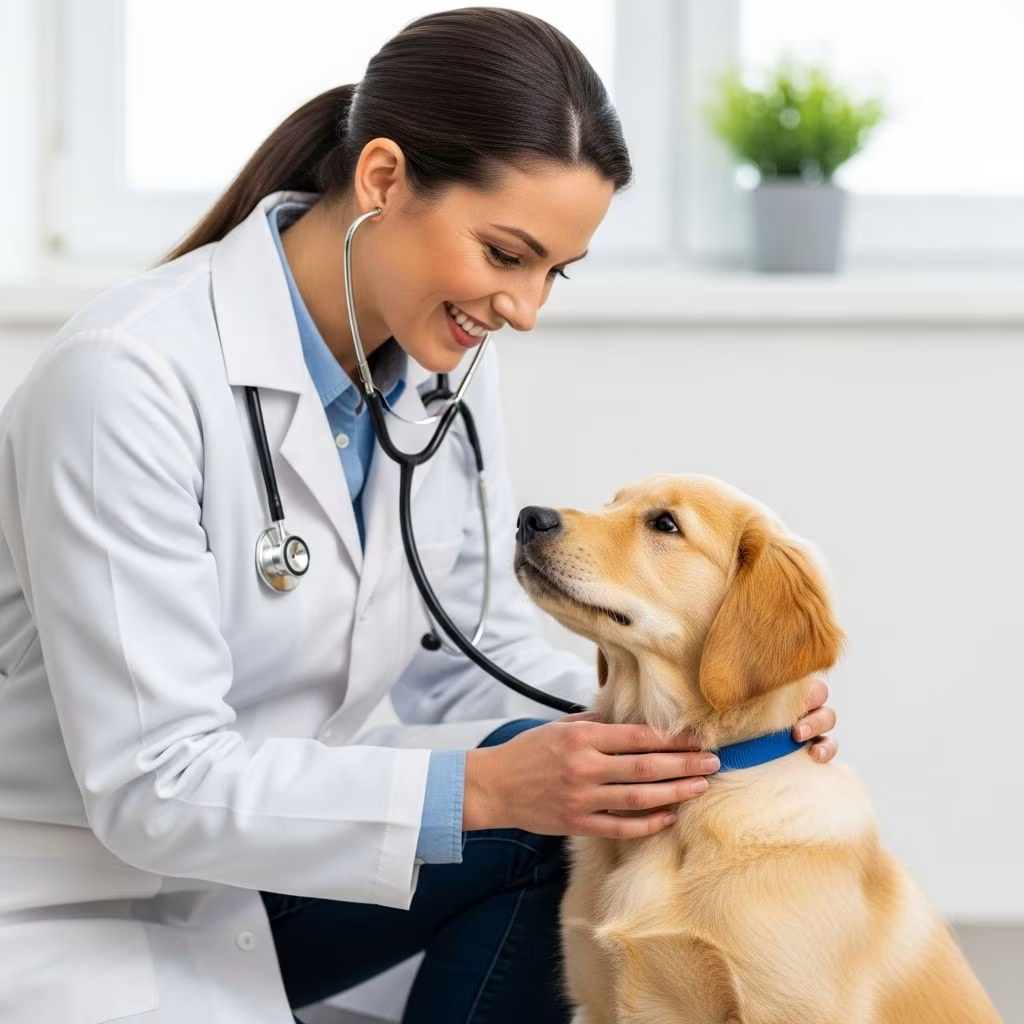
Adhering to veterinary recommendations forms the foundation of proactive pet health management, enabling early intervention, customized care plans, and prevention of common ailments that could otherwise shorten a pet’s life or diminish its quality.
Understanding Preventive Veterinary Care
Preventive care encompasses scheduled veterinary examinations, diagnostic screenings, and tailored health protocols designed to maintain pet vitality before issues arise. Unlike reactive treatment for visible symptoms, this approach focuses on foresight, using professional expertise to anticipate and avert problems. Regular interactions with a veterinarian build a partnership where pet owners receive evidence-based guidance suited to their animal’s breed, age, environment, and lifestyle factors.
According to the American Veterinary Medical Association, investing in preventive measures often costs far less than addressing advanced diseases, underscoring the economic and emotional benefits of consistent vet involvement. This strategy not only safeguards against infectious threats but also monitors subtle physiological shifts that owners might overlook.
Spotting Hidden Health Threats Early
One of the primary benefits of routine vet visits lies in the early identification of conditions that progress silently. Diseases like kidney dysfunction, diabetes, and certain cancers often manifest without overt signs initially, making professional evaluation indispensable. During exams, vets palpate organs, assess body condition scores, and review bloodwork or imaging to detect anomalies at treatable stages.
For instance, subtle weight fluctuations or coat changes can signal metabolic imbalances, while irregular heart rhythms might indicate cardiomyopathy. Early detection dramatically improves prognosis; a study framework from veterinary guidelines emphasizes how timely diagnostics enhance outcomes by allowing interventions like medication adjustments or dietary shifts before complications set in.
- Common silent conditions: Dental decay leading to systemic infections, thyroid disorders in cats, and hip dysplasia in large-breed dogs.
- Detection methods: Physical exams, fecal analyses, blood panels, and urinalysis performed annually or biannually.
- Outcomes: Reduced treatment intensity, lower costs, and preserved mobility or organ function.
Essential Vaccinations and Immunity Building
Vaccinations represent a cornerstone of vet-recommended protocols, shielding pets from highly contagious pathogens such as rabies, parvovirus, and distemper. Core vaccines target ubiquitous threats, while non-core ones address regional risks like Lyme disease from ticks. Vets customize schedules based on age, exposure, and local epidemiology, ensuring boosters maintain immunity levels.
Even indoor pets benefit, as diseases can spread via human clothing or visitor contact. The American Animal Hospital Association highlights how wellness visits confirm vaccination status, preventing outbreaks that could devastate communities. Puppies and kittens require series of shots during growth phases, transitioning to adult protocols thereafter.
| Vaccine Type | Target Diseases | Frequency |
|---|---|---|
| Core | Rabies, Distemper, Parvo | Every 1-3 years |
| Non-Core | Bordetella, Leptospirosis | As needed per risk |
| Senior Boosters | Updated immunity checks | Biannual review |
Comprehensive Parasite Prevention Strategies
Parasites pose constant threats, from heartworms transmitted by mosquitoes to intestinal worms via contaminated soil. Vets recommend year-round preventives, adjusting for seasonal and geographic variations. Fecal exams during checkups verify efficacy, while blood tests detect heartworm antigens early.
Unchecked infestations lead to anemia, organ damage, or zoonotic risks to humans. Tailored plans consider lifestyle—hunting dogs need robust tick protection, urban cats focus on fleas. Regular vet consultations refine these regimens, incorporating combination products for broad-spectrum coverage.
Nutrition and Weight Management Guidance
Vets assess dietary needs during every visit, evaluating body condition and recommending formulas that match life stages or health conditions. Puppies demand high-protein growth diets, seniors require joint-supportive, calorie-controlled options. Issues like food allergies or obesity trigger specialized prescriptions.
Owners gain insights on portion control, treat limits, and transitions, preventing deficiencies or excesses. Monitoring prevents conditions like urinary crystals in cats or pancreatitis in dogs linked to improper feeding.
Life Stage-Specific Health Protocols
Pets’ requirements evolve predictably: juveniles prioritize growth and socialization, adults maintenance and breeding control, seniors degenerative disease management. Vets adjust frequencies—biannual for seniors over 7 years or giant breeds.
Puppy/Kitten Phase: Frequent deworming, socialization checks, spay/neuter timing.
Adult Phase: Annual screens, dental cleanings, behavior consults.
Senior Phase: Cognitive assessments, pain management, mobility aids.
Dental and Oral Health Oversight
Periodontal disease affects 80% of dogs and 90% of cats by age three, risking heart and kidney complications. Vets inspect teeth, scale under anesthesia if needed, and prescribe chews or rinses. Home routines complement professional care, extending tooth life.
Behavioral and Mental Wellness Support
Vets identify anxiety, aggression, or litter issues early, referring to behaviorists if complex. Routine talks cover training, enrichment, and environmental changes, fostering balanced temperaments.
Building a Comprehensive Health Profile
Consistent visits compile records of baselines, allergies, and responses to treatments, invaluable in emergencies. This history informs breeding decisions or travel clearances.
Financial and Longevity Advantages
Preventive care averts costly surgeries; early arthritis management via supplements delays invasive procedures. Healthier pets enjoy extended lifespans, with seniors maintaining activity levels.
Preparing for Your Vet Visit
- Note recent changes in appetite, energy, or elimination.
- Bring records, samples if advised.
- Ask about breed-specific risks.
Frequently Asked Questions
How often should I take my pet to the vet?
Annually for adults, biannually for puppies, seniors, or at-risk breeds.
Are vaccines safe for all pets?
Yes, vetted protocols minimize risks while maximizing protection.
What if my pet seems healthy?
Silent issues necessitate checkups regardless of appearance.
Can indoor pets skip preventives?
No, exposure risks persist via indirect contact.
How do I choose a vet?
Seek AAHA-accredited practices for standards compliance.
References
- The Importance of Routine Vet Visits for Preventive Pet Care — Dominion Valley Animal Hospital. N/A. https://www.dominionvalleyvets.com/routine-vet-visits-for-preventive-pet-care/
- Importance of Veterinary Care for Your Pet — Normandy Blvd Animal Hospital. N/A. https://www.normandyblvdanimalhospital.com/importance-of-veterinary-care-for-your-pet
- The Importance of Preventive Care for Pets — South Park Animal Hospital SF. 2023-08. https://www.southparkanimalhospitalsf.com/blog/august-the-importance-of-preventive-care-in-pets-how-to-keep-your-pet-healthy-and-happy
- Essential Care: Why Wellness Visits Matter for Pets — American Animal Hospital Association (AAHA). N/A. https://www.aaha.org/resources/essential-care-why-wellness-visits-matter-for-pets/
- Why are veterinary checkups so important? — Silver Springs Animal Clinic. 2024-03-15. https://www.silverspringsanimalclinic.com/site/blog/2024/03/15/veterinary-checkup-important
- Preventive pet healthcare — American Veterinary Medical Association (AVMA). N/A. https://www.avma.org/resources/pet-owners/petcare/preventive-pet-healthcare
- Veterinary Care – Management of Animal Care and Use — National Center for Biotechnology Information (NCBI). N/A. https://www.ncbi.nlm.nih.gov/books/NBK500439/



