

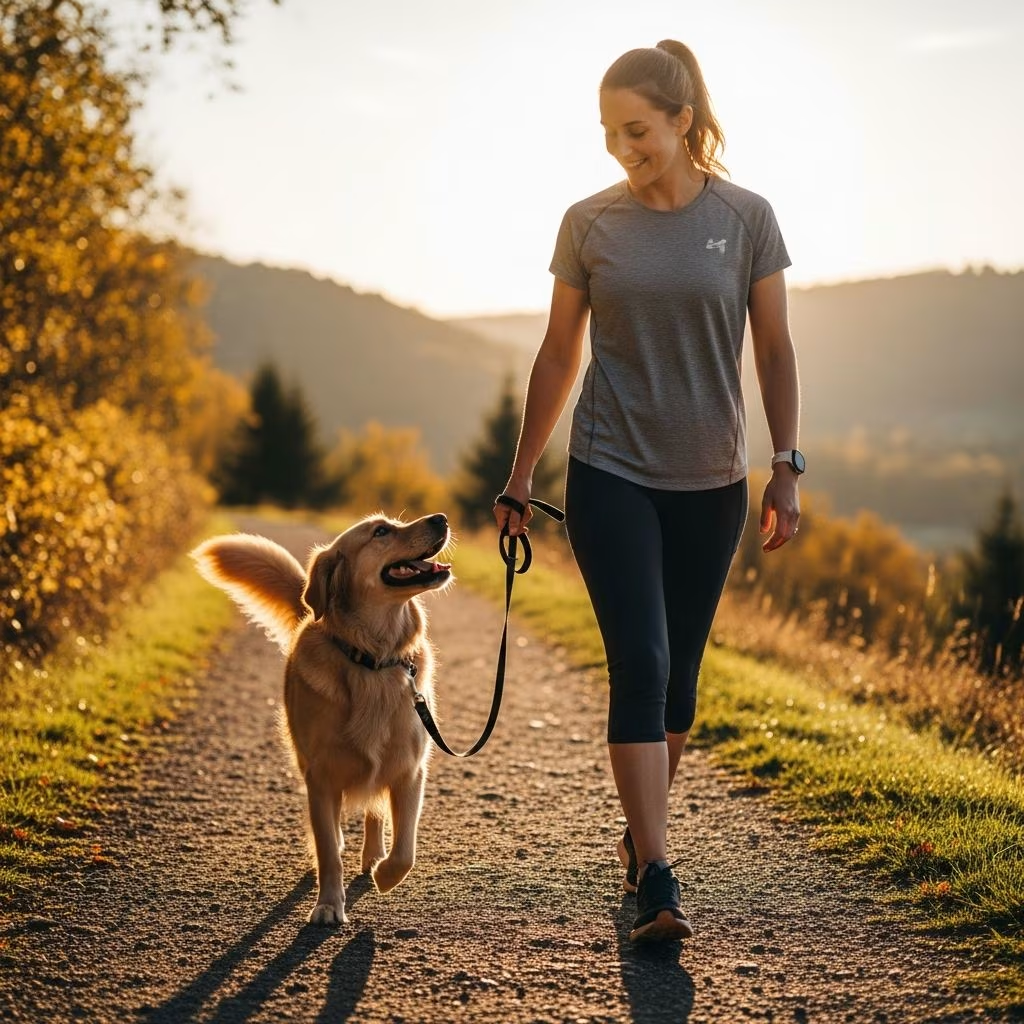
Walking your dog regularly delivers profound health improvements for both pet and owner, encompassing physical conditioning, mental resilience, and social connectivity. These outings surpass mere exercise, fostering longevity and vitality through consistent, enjoyable routines.
Enhancing Physical Fitness for Humans
Regular dog walking elevates physical activity levels, helping owners meet recommended exercise guidelines. Across multiple studies, dog owners who walk their pets are over 2.5 times more likely to achieve moderate-intensity physical activity (MIPA) standards.
This activity combats obesity, a prevalent issue affecting nearly 75% of Americans. Research from Seattle and Baltimore shows dog walkers are less prone to obesity compared to non-owners, alongside healthier diets and optimal blood sugar.
- Cardiovascular protection: 30 minutes daily lowers risks of coronary heart disease, osteoporosis, colon and breast cancers, and type-2 diabetes.
- Weight regulation: Burns calories effectively, supporting sustained metabolic health.
- Overall endurance: Builds stamina through varied paces and terrains, improving daily functionality.
Boosting Senior Mobility and Safety
For adults over 60, dog walking at least four times weekly markedly improves outcomes. In a study of over 4,100 participants from The Irish Longitudinal Study on Ageing (TILDA), regular walkers averaged 10.3 seconds on the Timed-Up-and-Go (TUG) test versus 11.7 seconds for non-walkers, indicating superior mobility.
Key advantages include:
- 40% reduced odds of unexplained falls, a critical risk for independence.
- 20% lower fear of falling, enhancing confidence and activity participation.
- Better balance and strength from purposeful, outdoor movement.
These benefits stem not only from exercise but also from companionship, providing motivation and routine.
Comprehensive Health Perks for Dogs
Dogs gain equally from walks, maintaining ideal weight and preventing obesity-linked conditions like diabetes, heart disease, and joint degeneration. Daily routines tone muscles, lubricate joints, and promote cardiovascular efficiency.
| Benefit | Human Impact | Dog Impact |
|---|---|---|
| Weight Control | Reduced obesity risk; healthier BMI | Prevents metabolic disorders; agile frame |
| Heart Health | Lower disease risk; stable BP | Stronger circulation; endurance |
| Mobility | Fewer falls in seniors | Joint flexibility; arthritis prevention |
Additionally, walks regulate digestion, easing constipation and minimizing urinary tract infections via regular elimination opportunities.
Mental Wellness Through Shared Strolls
Dog walking triggers endorphin release, acting as a natural stress reliever and mood elevator. Physical exertion increases heart rate and circulation, fostering calm, focus, and positivity.
As a antidepressant alternative, it diminishes anxiety and depression symptoms, amplified by sunlight-boosted serotonin. Routine fosters habit adherence, yielding sustained emotional gains.
- Sleep optimization: Daytime activity promotes restorative nights, boosting energy.
- Energy surge: Enhanced oxygen flow combats fatigue.
- Bonding: Strengthens human-animal ties, reducing loneliness.
Dog ownership correlates with fewer doctor visits, lower blood pressure, and improved psychological health.
Building Social Connections
Walks encourage interactions with neighbors and fellow owners, combating isolation especially among seniors. The purposeful routine instills routine and responsibility, enhancing life satisfaction.
Interventions promoting dog walking have shown sustained increases: one program boosted weekly minutes from 19 to 79 immediately, maintaining gains at six months.
Practical Strategies for Effective Walks
To maximize benefits:
- Target 30 minutes daily, adjusting for breed and age.
- Vary routes for mental stimulation and new scents.
- Monitor pace: Brisk for cardio, leisurely for bonding.
- Incorporate play: Fetch or agility elements.
- Weather-proof: Use gear for all seasons.
Consult vets for tailored plans, particularly for puppies, seniors, or health-challenged dogs.
Evidence from Longitudinal Research
Systematic reviews confirm dog walking’s role in physical activity attainment. Post-adoption, weekly walking rose 31 minutes in one study, with recreational walks increasing durably.
Seniors benefit uniquely, as TILDA data underscores mobility and fall prevention. Pet owners visit doctors 15% less annually.
Frequently Asked Questions
How often should I walk my dog?
Aim for daily 20-30 minute sessions, or more for active breeds. Consistency trumps intensity.
Can dog walking replace gym workouts?
It meets aerobic needs effectively, especially outdoors, but supplement strength training as needed.
Is walking safe for older dogs?
Yes, with vet approval; short, gentle walks preserve mobility without strain.
How does weather affect walking benefits?
Adapt with appropriate attire; indoor alternatives maintain routines.
Do all dogs enjoy walks equally?
Most do, but observe cues and build positive associations gradually.
Overcoming Common Barriers
Time constraints? Shorten to 10-15 minutes multiple times. Bad weather? Use treadmills or indoor fetch. Motivation dips? Track progress or join groups.
These steps ensure sustained engagement, amplifying health returns.
References
- Regular dog walking improves mobility and reduces falls in older adults — Trinity College Dublin. 2025-01-20. https://www.tcd.ie/news_events/articles/2025/regular-dog-walking-improves-mobility-and-reduces-falls-in-older-adults/
- The Benefits of Walking Your Dog — VCA Animal Hospitals. N/A. https://vcahospitals.com/know-your-pet/the-benefits-of-walking-your-dog
- Odds of Getting Adequate Physical Activity by Dog Walking — PMC (NIH). 2015. https://pmc.ncbi.nlm.nih.gov/articles/PMC4535333/
- Encouraging Dog Walking for Health Promotion and Disease Prevention — PMC (NIH). 2018. https://pmc.ncbi.nlm.nih.gov/articles/PMC6124971/
- Dogs are good for your health — Mayo Clinic Health System. N/A. https://sncs-prod-external.mayo.edu/hometown-health/speaking-of-health/dogs-are-good-for-your-health



