

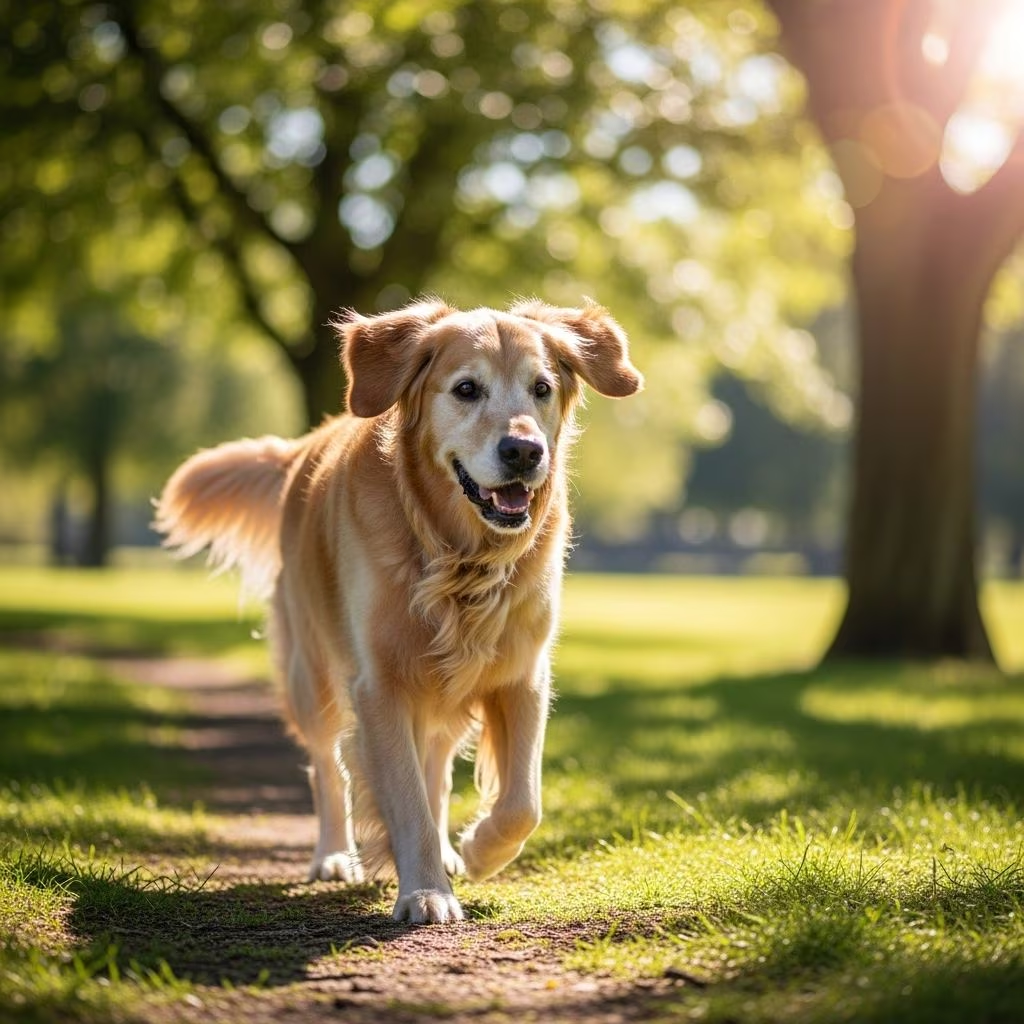
As dogs enter their golden years, typically around age seven for larger breeds and later for smaller ones, maintaining physical activity becomes crucial for their overall well-being. Regular, age-appropriate exercise helps preserve muscle mass, supports cardiovascular health, and keeps joints supple, countering the natural decline in metabolism and mobility that comes with aging. This guide outlines practical strategies to keep your senior dog active without risking injury, drawing on proven low-impact methods to extend their quality of life.
Understanding the Aging Canine Body
Senior dogs experience physiological changes such as reduced lean muscle, slower recovery from exertion, and increased susceptibility to arthritis or hip dysplasia. These shifts demand a shift from high-energy play to gentler routines that prioritize sustainability over intensity. Benefits of consistent movement include better weight control, enhanced circulation, and sharper cognitive function through environmental stimulation during outings.
- Joint Nourishment: Gentle motion lubricates cartilage and reduces inflammation.
- Muscle Preservation: Targeted strengthening prevents atrophy and supports posture.
- Mental Boost: New scents and sights during walks combat boredom and cognitive decline.
- Endorphin Release: Activity elevates mood, alleviating age-related anxiety.
Before starting any program, consult your veterinarian to rule out underlying conditions like heart disease or obesity, ensuring exercises align with your dog’s specific health profile.
Core Principles of Safe Exercise
Success with senior fitness hinges on moderation, progression, and attentiveness. Aim for daily sessions totaling 20-30 minutes, split into shorter bursts to avoid fatigue. Always incorporate a warm-up with 5 minutes of slow strolling and a cool-down to promote recovery.
| Principle | Description | Key Tip |
|---|---|---|
| Warm-Up | Prepare muscles and joints | Slow leash walk on flat ground |
| Duration | Short, frequent sessions | 5-15 minutes, 2-4 times daily |
| Monitoring | Watch for distress signals | Stop if panting excessively or limping |
| Progression | Gradual increases | Add reps or time weekly if tolerated |
| Hydration | Prevent dehydration | Offer water before, during, after |
Adapt activities to weather conditions—opt for cooler times of day and avoid hot pavement that could burn paws. Consistency trumps intensity; even brief daily efforts yield long-term gains.
Top Low-Impact Activities for Daily Routines
Select exercises that minimize joint stress while maximizing engagement. These options suit most senior dogs, with modifications for varying fitness levels.
Gentle Leash Walks
Walking remains the cornerstone of senior fitness, providing cardiovascular benefits and mental enrichment. Begin with 10-minute loops on soft grass or trails, gradually extending as stamina builds. Vary routes to spark curiosity, encouraging sniffing which doubles as scent training for the brain.
- Frequency: Daily, multiple short sessions.
- Benefits: Weight management, heart health, socialization.
- Pro Tip: Use a harness to reduce neck strain.
Hydrotherapy and Swimming
Water-based workouts offer buoyancy that unloads joints, making them ideal for arthritic dogs. In a shallow pool or calm lake, let your dog paddle for 5-10 minutes, supported if needed. This builds endurance without impact.
- Benefits: Full-body strengthening, improved flexibility.
- Tips: Use a life vest for safety; dry thoroughly post-session to prevent chills.
Interactive Play with Toys
Gentle fetch using soft toys or balls promotes light chasing and retrieving, fostering bonding. Roll the toy short distances indoors or on carpet to limit jumping. Puzzle toys with treats hidden inside add mental exercise.
- Duration: 5-10 minutes per session.
- Benefits: Mood enhancement, cognitive stimulation.
Strength and Balance Training at Home
Incorporate bodyweight exercises to fortify core stability and limb strength, crucial for preventing falls. Perform these 2-3 times weekly, starting with 5-10 repetitions per set.
Hindquarter Squats
Position your dog near a wall or corner. Lure them into a partial sit-stand motion using treats, targeting rear legs and glutes. Progress to tiny steps without full floor contact for added challenge.
- Sets: 2, with 30-second rests.
- Gains: Enhanced rear propulsion and joint range.
Forelimb Push-Ups
Encourage front paws on a stable, low platform (like a sturdy box) while hind legs remain grounded. Reward for holding or dipping slightly, shifting weight forward.
- Reps: 5-10 initially.
- Benefits: Builds shoulder stability and core power.
Balance Challenges
Use a cushioned disc or wobble board for standing exercises. Guide your dog onto it with treats, holding for 10-20 seconds. Weaving around cones on a soft surface hones coordination.
These drills improve proprioception, reducing injury risk during daily navigation.
Customizing Plans for Health Conditions
Tailor routines to address common senior issues. For arthritis, emphasize swimming and passive range-of-motion stretches. Overweight dogs benefit from elevated food puzzles combined with walks. Those with heart concerns should stick to flat terrains and monitor breathing closely.
- Arthritis: Hydrotherapy, short walks, massage.
- Obesity: Frequent low-intensity cardio, portion control.
- Mobility Loss: Ramps, balance work, vet-prescribed physio.
Integrate ramps for furniture access to conserve energy. Muscle massages post-exercise aid recovery by clearing lactic acid.
Nutrition and Recovery Support
Fitness pairs with a senior-specific diet rich in glucosamine for joints and omega-3s for inflammation. Feed smaller, frequent meals to sustain energy. Post-workout, provide cooling stretches and rest periods.
Frequently Asked Questions
How often should senior dogs exercise?
Daily short sessions of 20-30 minutes total are ideal, adjusted for energy levels.
Are swimming pools safe for older dogs?
Yes, with supervision and life jackets; it’s joint-friendly and builds stamina effectively.
What signs indicate overexertion?
Excessive panting, limping, hesitation to continue, or prolonged recovery—pause and consult a vet.
Can senior dogs build new muscle?
Absolutely, through progressive resistance like squats and push-ups, under professional guidance.
What’s the role of mental exercise?
It prevents boredom and decline; combine physical with scent games or training tricks.
Long-Term Monitoring and Vet Partnerships
Schedule bi-annual vet exams with bloodwork to track progress. Adjust plans based on feedback, incorporating therapies like acupuncture if recommended. Tracking weight, gait, and enthusiasm via a journal ensures ongoing optimization.
With dedication, senior dogs can thrive, enjoying hikes, play, and companionship well into their teens. Embrace this phase by focusing on joyful, sustainable movement.
References
- Improving Senior Dog Health: The Top Exercises Recommended by Our Veterinarians — Kelowna Vet Hospital. 2023-2024. https://kelownavethospital.ca/improving-senior-dog-health-the-top-exercises-recommended-by-our-veterinarians/
- Gentle Exercise Plan for Older Dogs — Maplewood Vet. 2024. https://www.maplewood.vet/gentle-exercise-plan-older-dogs/
- Three Easy At-Home Exercises for Senior Dogs — American Kennel Club (AKC). 2023. https://www.akc.org/expert-advice/health/easy-do-at-home-exercises-for-senior-dogs/
- Senior Dogs – Two Exercises To Keep Them Going Strong — FitPaws. 2022. https://fitpaws.com/blogs/fitpaws-community/senior-dogs-two-exercises-to-keep-them-going-strong
- Senior Dog Care: How to Keep Your Aging Dog Healthy and Happy — CTVSH. 2024. https://ctvsh.com/senior-dog-care-how-to-keep-your-aging-dog-healthy-and-happy/



