

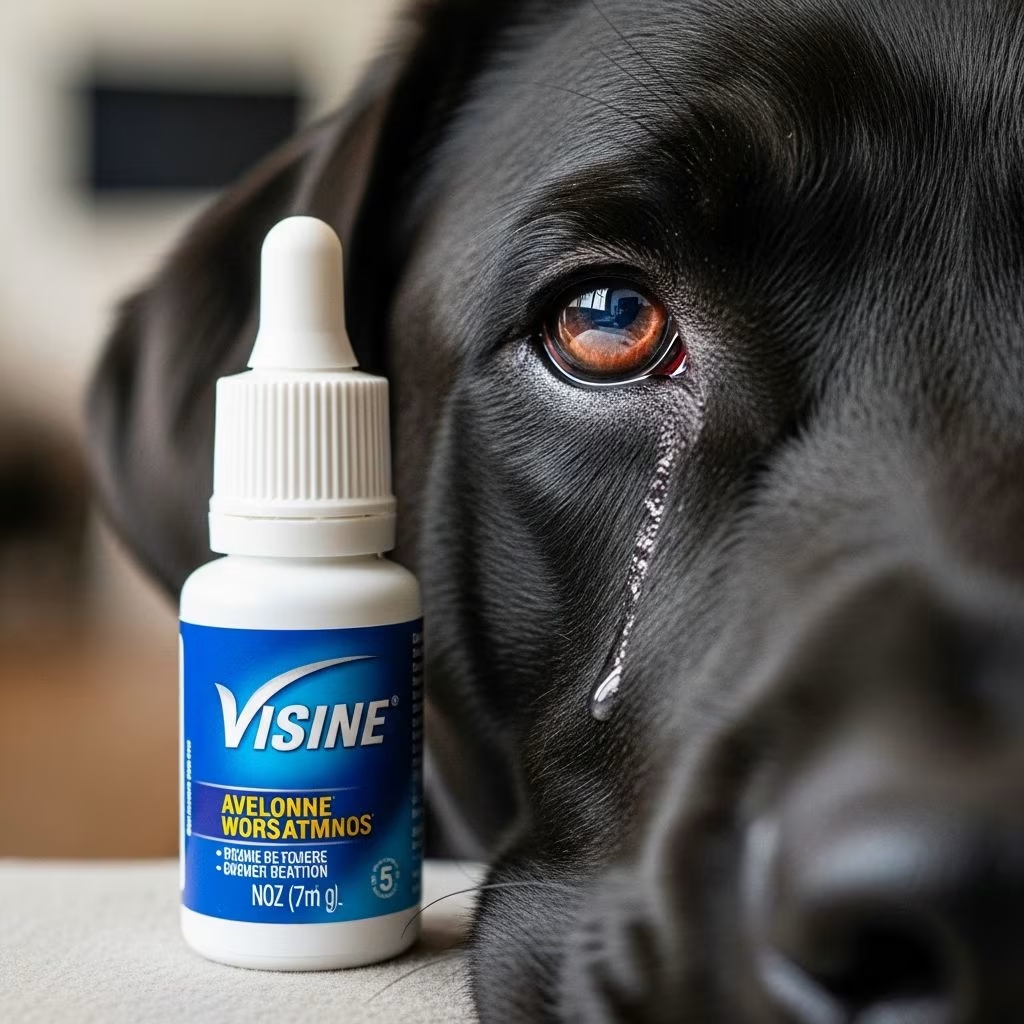
Human eye drops like Visine are not safe for dogs due to their active ingredient, tetrahydrozoline, which can cause severe irritation, cardiovascular issues, and neurological effects in pets.
Understanding the Dangers of Human Eye Drops in Canines
Dogs have different eye physiology compared to humans, making many over-the-counter products harmful. Visine works by constricting blood vessels to reduce redness in human eyes, but in dogs, this can lead to exacerbated irritation or toxicity if absorbed or ingested. The FDA has not approved Visine for veterinary use, and its preservatives may further damage delicate canine ocular tissues.
Ingestion poses an even greater risk; if a dog licks the drops from its eyes or paws, systemic effects like low blood pressure, slowed heart rate, or seizures can occur. Veterinary toxicologists emphasize that even small amounts can trigger life-threatening reactions, underscoring the need for pet-specific formulations.
Common Causes of Eye Problems in Dogs
Dogs experience eye issues from various sources, often mimicking human symptoms but requiring tailored interventions. Allergies to pollen, dust, or household chemicals frequently cause redness and itching. Infections such as bacterial conjunctivitis lead to inflammation of the conjunctiva, the thin membrane covering the eye.
- Allergies: Environmental triggers like mold or grasses provoke immune responses, resulting in watery eyes.
- Conjunctivitis: Inflammation from bacteria, viruses, or irritants causes swelling and discharge.
- Glaucoma: Increased intraocular pressure, common in breeds like Cocker Spaniels, demands urgent care.
- Epiphora: Excessive tearing due to blocked ducts or irritants.
- Breed predispositions: Brachycephalic dogs like Pugs face chronic issues from shallow eye sockets.
Foreign objects, scratches, or dry eye (keratoconjunctivitis sicca) also contribute, highlighting why professional diagnosis is essential.
Recognizing Warning Signs in Your Dog’s Eyes
Early detection prevents complications. Monitor for these indicators, which signal the need for immediate veterinary attention.
| Symptom | Description | Potential Cause |
|---|---|---|
| Redness | Visible blood vessel dilation | Infection, allergy, injury |
| Discharge | Pus-like or watery secretion | Conjunctivitis, blocked glands |
| Squinting/Pawing | Frequent rubbing or half-closed eyes | Pain from scratch or foreign body |
| Swelling | Puffy eyelids or conjunctiva | Inflammation or trauma |
| Cloudiness | Hazy cornea | Ulcer, glaucoma |
Behavioral changes like reluctance to play or head tilting accompany these physical signs, urging prompt action.
Safe Alternatives to Visine for Dog Eye Care
Veterinarians recommend sterile saline rinses for mild irritations, but only under guidance to avoid improper concentrations. Prescription drops target specific conditions: antibiotic-steroid combinations for infections, lubricants for dry eye, or prostaglandins for glaucoma.
For at-home maintenance:
- Clean gently with vet-approved wipes.
- Use hypoallergenic shampoos to reduce allergens.
- Humidifiers combat dry environments.
Never self-medicate; a vet exam ensures the right therapy, potentially including fluorescein staining to detect ulcers.
Step-by-Step Guide to Administering Dog Eye Drops
Once prescribed, proper technique minimizes stress and maximizes efficacy.
- Prepare: Wash hands; shake bottle if required.
- Position: Restrain gently, tilting head back.
- Apply: Pull lower lid down, place 1-2 drops without touching the eye.
- Release: Allow blinking to distribute; wipe excess.
- Monitor: Note improvements or adverse reactions.
Frequency varies; follow vet instructions precisely to prevent resistance or overuse.
Emergency Response if Visine or Harmful Drops Are Used
If Visine contacts your dog’s eyes, rinse immediately with lukewarm water or saline for 10-15 minutes. Contact a vet or pet poison hotline promptly. Symptoms like lethargy, vomiting, or irregular heartbeat require emergency care. Induce vomiting only if advised, as some toxins worsen with this.
Preventive Strategies for Optimal Canine Eye Health
Proactive measures reduce risks:
- Regular vet check-ups, especially for predisposed breeds.
- Protect eyes during outdoor activities with goggles for high-risk dogs.
- Maintain hygiene by trimming facial hair.
- Control allergens indoors with air purifiers.
Nutrition plays a role; omega-3 supplements support tear production, but consult a vet first.
When to Escalate to a Veterinary Ophthalmologist
General vets handle routine issues, but persistent or complex problems like recurrent ulcers or cataracts warrant specialists. Board-certified ophthalmologists offer advanced diagnostics like tonometry for pressure measurement.
Cost Considerations and Pet Insurance for Eye Care
Eye treatments range from $50 for drops to $2,000+ for surgery. Pet insurance covers diagnostics and medications, offsetting expenses for chronic conditions.
Frequently Asked Questions (FAQs)
Can I use saline solution instead of Visine?
Yes, but only vet-formulated saline; homemade versions risk contamination or imbalance.
What breeds are prone to eye problems?
Brachycephalic breeds (Bulldogs, Shih Tzus), Spaniels, and herding dogs with prominent eyes.
How long should I wait before seeing a vet for red eyes?
Within 24 hours if mild; immediately if discharge or pain is present.
Are natural remedies safe for dog eyes?
No unproven remedies; stick to vet recommendations to avoid delays in care.
What if my dog ate Visine?
Call poison control immediately; do not wait for symptoms.
Long-Term Eye Health Maintenance
Annual exams, prompt treatment of infections, and lifestyle adjustments ensure lasting vision. Educated owners prevent tragedies from misguided home remedies like Visine.
References
- Is Visine Safe for Dogs — Pet Poison Helpline. 2023. https://www.petpoisonhelpline.com/pet-tips/is-visine-safe-for-dogs/
- Can You Give Dogs Visine Eye Drops — Pet Poison Helpline. 2023. https://www.petpoisonhelpline.com/pet-tips/can-you-give-dogs-visine-eye-drops/
- Eye Drops for Dogs — Whole Dog Journal. 2023. https://www.whole-dog-journal.com/health/eye-drops-for-dogs/
- Are Visine and OTC Eye Drops Safe for My Dog? — WagWalking. 2023. https://wagwalking.com/wellness/are-visine-and-otc-eye-drops-safe-for-my-dog



