
Virtual Vet Care: Telemedicine for Pets
Explore how veterinary telemedicine and teletriage are revolutionizing pet healthcare with convenient, accessible care from home.
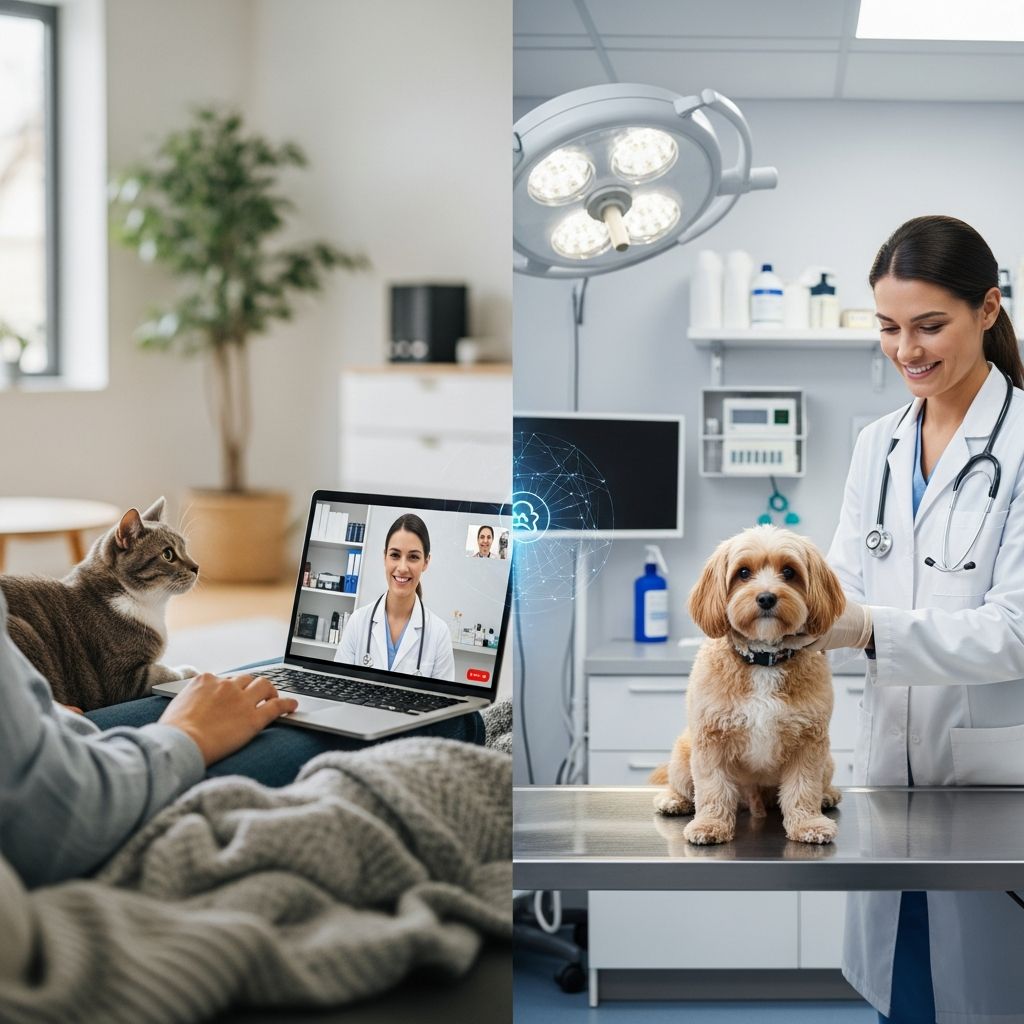
Veterinary telemedicine delivers remote healthcare services to pets via digital platforms, enabling consultations without physical visits, while teletriage helps assess urgency for in-person care. This approach enhances access to veterinary expertise, particularly for follow-ups and non-emergency issues.
Defining Key Concepts in Remote Pet Healthcare
Understanding the distinction between telemedicine and teletriage is crucial for pet owners. Veterinary telemedicine involves licensed veterinarians providing diagnosis, treatment advice, and prescriptions through video calls, messaging, or apps, often as a supplement to in-person exams. Teletriage, on the other hand, focuses on initial assessments to determine if a pet needs immediate clinic attention or can be managed remotely.
These services fall under the broader umbrella of telehealth, which encompasses any remote delivery of veterinary care. Telemedicine requires an established veterinarian-client-patient relationship (VCPR) in many regions, typically starting with an in-person visit. Teletriage can often occur without prior contact, serving as a first-line triage tool.
Why Remote Veterinary Services Matter Today
The rise of virtual vet care addresses modern challenges like busy schedules, rural locations, and pet anxiety. Pet owners in remote areas gain access to specialists via teleradiology or teledermatology, expanding care beyond local clinics. During pandemics or harsh weather, these tools ensure continuity without risking health.
- Increased availability for chronic condition monitoring, such as diabetes or allergies.
- Reduced stress for anxious or mobility-impaired pets by avoiding car rides and waiting rooms.
- Cost efficiencies through shorter, targeted sessions without travel expenses.
Core Advantages for Pets, Owners, and Veterinarians
Remote services offer multifaceted benefits. For pets, staying home minimizes anxiety associated with clinic visits, especially for shy or large animals. Owners save time and money, with studies showing higher willingness to pay for familiar vets via telehealth compared to call centers.
| Stakeholder | Key Benefits |
|---|---|
| Pet Owners | Convenient scheduling, lower costs, better adherence to treatment plans via follow-ups. |
| Pets | Less stress, faster access to advice, home-based monitoring. |
| Veterinarians | Efficient workflows, specialist consultations, revenue from additional services. |
Vets can handle more cases, optimize clinic time for emergencies, and provide 24/7 support, improving outcomes in underserved areas.
Practical Applications Across Pet Health Needs
Telemedicine shines in specific scenarios. Behavioral therapy for separation anxiety can be managed remotely with video demonstrations. Dermatology consults allow photo uploads for rash assessments. Cardiology or ophthalmology benefits from shared videos of symptoms.
- Follow-up care: Wound checks post-surgery or medication adjustments.
- Preventive health: Refilling flea/tick preventives or vaccine reminders.
- Specialties: Telesonography, telecytology, or telerehabilitation guidance.
- Teletriage: Quick calls to rule out emergencies like poisoning or limping.
In rural or large-animal practices, drop-off exams combined with virtual reviews streamline care.
Navigating Legal and Regulatory Frameworks
Regulations vary by location. In the U.S., the AVMA supports telehealth within VCPR guidelines, but states differ on prescriptions. The ASPCA advocates removing barriers to expand access, emphasizing licensed vets’ discretion. Internationally, bodies urge more studies and standardization for global equity.
Key rules include:
- Establishing VCPR before most telehealth services.
- Platform security for privacy (HIPAA-like standards for pets).
- No replacement for hands-on exams in diagnostics needing tests.
Choosing the Right Platforms and Tools
Select user-friendly apps with video, chat, and file-sharing. Ensure vets are licensed in your state. Popular options integrate with clinic records for seamless continuity.
- Verify credentials and reviews.
- Test tech setup: stable internet, good lighting, quiet space.
- Prepare pet history, photos, and videos in advance.
Real-World Success Stories and Data
Pet owners report high satisfaction, with telemedicine boosting clinic efficiency and retention. One study found owners prefer their own vet remotely, paying more for trust. In Ethiopia, apps like VetAfrica aid diagnosis in low-resource areas. Globally, it reduces errors via specialist input and supports education.
Limitations and When to Seek In-Person Care
Virtual care cannot perform physical exams, bloodwork, or imaging. Emergencies like seizures or trauma require immediate clinic visits. Teletriage helps identify these, but owners must follow advice.
- Use for non-urgent issues only.
- Have a local vet for referrals.
- Monitor for worsening symptoms post-consult.
Tips for Successful Virtual Consultations
Maximize effectiveness with preparation:
- Position pet calmly with natural light.
- Describe symptoms chronologically.
- Share weight, diet, recent changes.
- Follow up with photos of progress.
The Evolving Landscape of Pet Telehealth
Future trends include AI triage, wearable pet monitors, and integrated EHRs. As regulations evolve, expect wider adoption, especially post-2020 shifts. Veterinary bodies predict growth in specialties like telehospice for end-of-life care.
Frequently Asked Questions (FAQs)
Can telemedicine replace my regular vet visits?
No, it complements in-person care, ideal for follow-ups but not initial diagnostics.
Is it legal to get prescriptions via video?
Yes, in many places with VCPR, but check local laws.
What if my pet needs hands-on treatment?
Teletriage will guide you; always prioritize emergencies.
How much does it cost?
Often less than office visits, around $40-100 per session.
Is it safe for privacy?
Reputable platforms use encryption; confirm compliance.
References
- Veterinary telemedicine: A new era for animal welfare — PMC. 2024. https://pmc.ncbi.nlm.nih.gov/articles/PMC11128645/
- Veterinary Telemedicine: Myths, Benefits & Future Trends — AxisVet. 2023-10-15. https://axisvet.com/blog/veterinary-telemedicine-misconceptions-benefits/
- Veterinary Telemedicine is not only here to stay, it’s poised to grow — PMC. 2021. https://pmc.ncbi.nlm.nih.gov/articles/PMC8591578/
- Veterinary Telemedicine: A New Frontier in Animal Welfare — ASPCA. 2024-01-20. https://www.aspca.org/improving-laws-animals/public-policy/telemedicine
- Veterinary telehealth: The basics — AVMA. 2025-02-10. https://www.avma.org/resources-tools/animal-health-and-welfare/telehealth-telemedicine-veterinary-practice/veterinary-telehealth-basics
- What is Veterinary Telehealth and Telemedicine? — VetTriage. 2024. https://vettriage.com/what-is-veterinary-telehealth-and-telemedicine/
Similar Articles








Read full bio of Sneha Tete


