Viral Threats To Rabbits: Essential Prevention And Care
Essential guide to recognizing, preventing, and managing viral infections that endanger pet and wild rabbits worldwide.
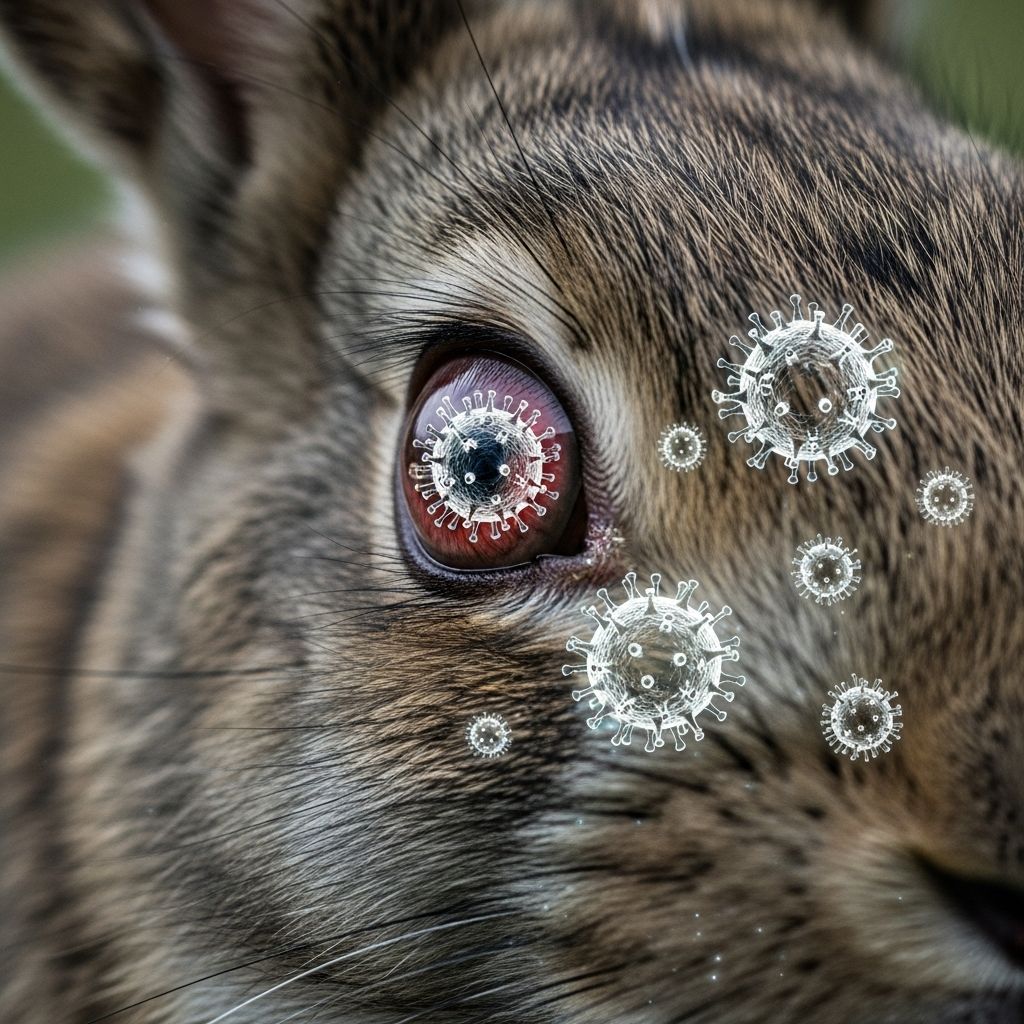
Rabbits face several devastating viral diseases that can spread rapidly in both pet and wild populations, often leading to high mortality rates without prompt intervention. Understanding these threats is crucial for owners, breeders, and wildlife enthusiasts to implement effective prevention measures.
Understanding the Impact of Viral Infections in Rabbits
Viral diseases pose significant risks to rabbits due to their highly contagious nature and limited treatment options. These pathogens target multiple organ systems, causing severe symptoms ranging from respiratory distress to sudden death. Early detection and biosecurity are key to minimizing outbreaks.
In pet settings, indoor rabbits may encounter fewer threats, but unvaccinated animals remain vulnerable through indirect exposure like contaminated bedding or vectors such as insects. Wild rabbits amplify transmission risks to domestic populations.
Major Viral Pathogens Affecting Rabbits
Several viruses dominate rabbit health concerns, each with distinct clinical presentations and epidemiological patterns.
Rabbit Hemorrhagic Disease Virus (RHDV)
RHDV is a calicivirus causing acute liver failure and disseminated intravascular coagulation. Infected rabbits often succumb within 1-5 days of incubation, showing fever, lethargy, and hemorrhagic signs like blood from orifices or jaundice.
Symptoms include elevated body temperature, reduced appetite, seizures, and respiratory distress. Mortality exceeds 70-90% in adults, though young kits under 40 days may resist due to maternal antibodies. Diagnosis relies on PCR testing of tissues or blood.
Myxomatosis: The Swelling Plague
Myxomatosis, caused by a poxvirus, induces characteristic skin swellings, conjunctivitis, and purulent discharges. Initial fever reaches 42°C, progressing to labored breathing and coma within 1-2 weeks.
Unvaccinated rabbits face near-certain death, with survivors developing nodules on ears and face. Transmission occurs via mosquitoes, fleas, or direct contact, making outdoor enclosures high-risk.
Encephalitozoonosis and Neurological Risks
Though technically a microsporidian parasite, Encephalitozoon cuniculi mimics viral effects with neurological signs like head tilt, ataxia, and renal issues. It affects up to 80% of rabbits serologically, but clinical cases arise in stressed or immunocompromised individuals.
Treatment involves fenbendazole and anti-inflammatories for weeks, though full clearance is rare. Zoonotic potential exists for immunocompromised humans.
Less Common but Critical Viral Concerns
Beyond major threats, other viruses warrant attention in breeding or colony settings.
- Rotavirus: Causes diarrhea and dehydration in kits, often subclinical but exacerbated by co-infections. Fluid therapy aids recovery; immunity follows infection.
- Rabbit Enteric Coronavirus (RECV): Leads to watery diarrhea and distention in young rabbits (3-10 weeks), with sudden death in severe cases.
- Papillomavirus: Produces benign skin growths treatable by surgery.
Symptoms and Early Warning Signs
Recognizing subtle changes can save lives. Common indicators across viruses include:
| Symptom | Associated Viruses | Severity |
|---|---|---|
| Lethargy and anorexia | RHDV, Myxomatosis, Rotavirus | High |
| Fever (>103°F) | All major viruses | Critical |
| Hemorrhagic discharge | RHDV | Fatal |
| Skin swellings/ocular discharge | Myxomatosis | Progressive |
| Neurological signs (seizures, tilt) | RHDV, E. cuniculi | Variable |
Monitor for hunched posture, reduced feces/urine, and respiratory effort. Sudden death without prior signs is classic for peracute RHDV.
Diagnosis Methods for Viral Diseases
Veterinary confirmation uses serology, PCR, histopathology, and fecal exams. For RHDV, liver samples detect antigen rapidly. Myxomatosis is presumptive via lesions, confirmed by electron microscopy.
Blood tests for E. cuniculi assess antibody titers, guiding therapy. Early swabbing of discharges enables culture for differentials like Pasteurella.
Treatment Approaches: Supportive Care Focus
No antiviral cures exist for most rabbit viruses; management emphasizes stabilization.
- Fluids and Nutrition: Subcutaneous or IV hydration, syringe feeding critical recovery formulas.
- Antibiotics: Prevent secondary bacterial infections in myxomatosis.
- Pain/Symptom Relief: NSAIDs, motility drugs for GI involvement.
- Quarantine: Isolate cases; disinfect thoroughly.
Euthanasia is humane for advanced myxomatosis or RHDV due to suffering and poor prognosis.
Prevention: Vaccination and Biosecurity
Vaccination is the cornerstone. RHDV vaccines require annual boosts; myxomatosis shots every 6-12 months in endemic areas.
Biosecurity protocols include:
- Fencing to exclude wild rabbits and vectors.
- Quarantine new arrivals for 30 days.
- Disinfect with 1:10 bleach; autoclave bedding.
- Avoid overcrowding; monitor colonies daily.
Indoor housing reduces exposure significantly.
Biosecurity Best Practices Table
| Practice | Targeted Viruses | Implementation Tips |
|---|---|---|
| Insect Control | Myxomatosis | Screens, repellents, no standing water |
| Vaccination Schedule | RHDV, Myxoma | Start at 5-6 weeks; annual revaccination |
| Carcass Disposal | All | Incinerate or deep bury; report outbreaks |
| Hygiene Protocols | Rotavirus, RECV | Hand washing, foot baths |
Zoonotic Potential and Public Health
Most rabbit viruses are species-specific, but E. cuniculi poses risks to immunocompromised humans. Practice hand hygiene and avoid contact if vulnerable. RHDV has no human cases reported.
Frequently Asked Questions (FAQs)
Can vaccinated rabbits still get RHDV?
Vaccines reduce severity but aren’t 100% protective; boosters are essential.
How do I know if my rabbit has myxomatosis?
Look for swollen eyelids, nasal discharge, and skin lumps; consult a vet immediately.
Is there a home treatment for viral rabbit diseases?
No—supportive care requires veterinary oversight for fluids and monitoring.
How contagious is RHDV between rabbits?
Extremely; via direct contact, fomites, or aerosols. Quarantine strictly.
Should I keep rabbits indoors to avoid viruses?
Yes, it drastically lowers exposure to myxomatosis and RHDV.
Emerging Concerns and Research Updates
RHDV2 variants challenge older vaccines; check for strain-specific protection. Rotavirus co-infections complicate outbreaks in kits. Ongoing studies emphasize integrated management.
Rabbit owners should partner with exotic vets for tailored protocols, reporting suspicions to authorities like USDA APHIS for surveillance.
References
- Rabbit Hemorrhagic Disease Virus (RHDV) — Kansas State University Veterinary Health Center. 2023. https://www.ksvhc.org/services/specialty-services/exotics/RabbitHemorrhagicDiseaseVirus.html
- Infectious Diseases in Rabbits — VCA Animal Hospitals. 2024. https://vcahospitals.com/know-your-pet/rabbits-diseases
- Myxomatosis Symptoms in Rabbits — Blue Cross. 2023. https://www.bluecross.org.uk/advice/rabbit/health-and-injuries/myxomatosis
- Viral diseases of the rabbit — PMC – NIH. 2020-04-02. https://pmc.ncbi.nlm.nih.gov/articles/PMC7118894/
- Viral Diseases of Rabbits — Merck Veterinary Manual. 2024. https://www.merckvetmanual.com/exotic-and-laboratory-animals/rabbits/viral-diseases-of-rabbits
- Rabbit Disease Guide — FirstVet. 2024. https://firstvet.com/us/articles/common-rabbit-diseases-and-symptoms
- Common rabbit diseases — Vetwest Veterinary Clinics. 2023. https://www.vetwest.com.au/pet-library/common-rabbit-diseases/
Similar Articles








Read full bio of Sneha Tete