Viral Threats To Pets: Essential Guide To Protect Dogs & Cats
Essential guide to recognizing, preventing, and managing viral infections in dogs and cats for healthier companionship.
Viral Threats to Pets: Protecting Dogs and Cats from Common Pathogens
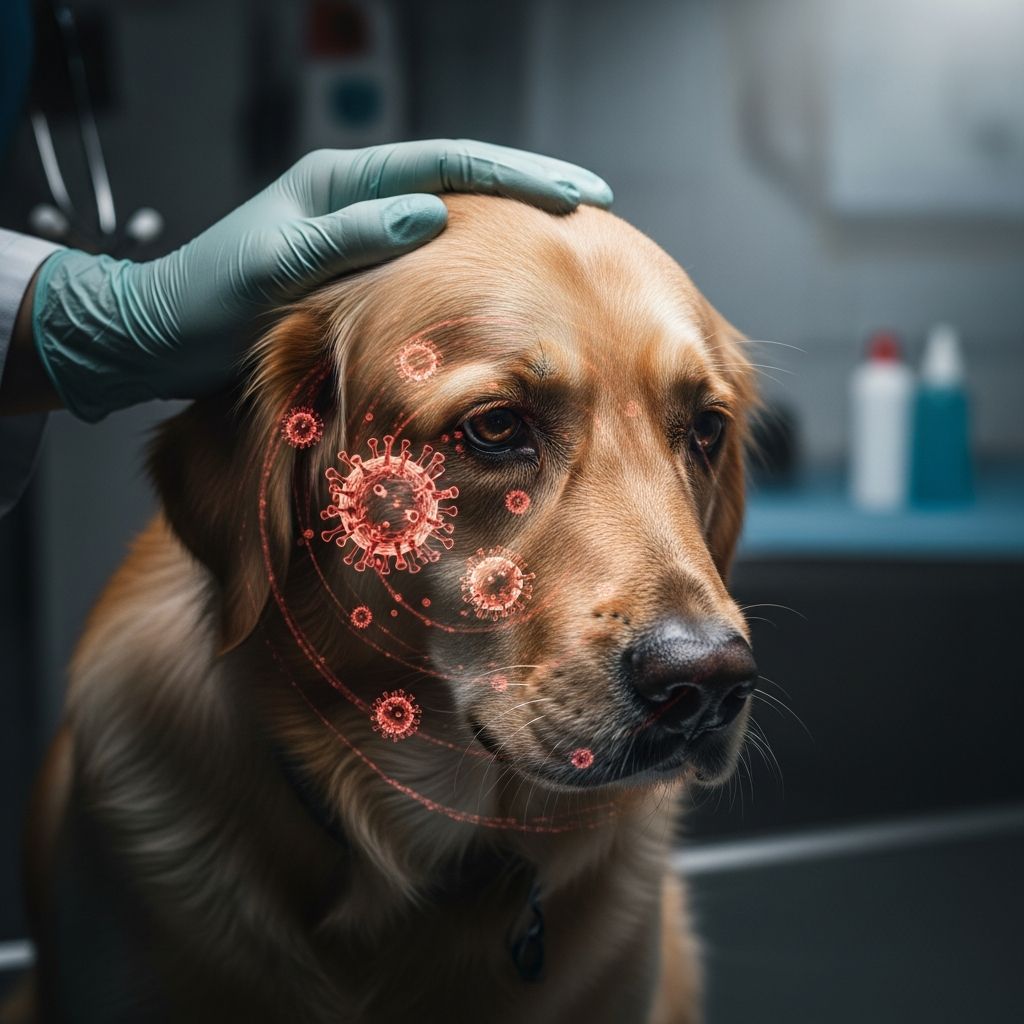
Viral infections represent some of the most serious health challenges for dogs and cats, often leading to severe illness or death if not addressed promptly. These pathogens spread easily in multi-pet environments like shelters, kennels, and households with unvaccinated animals. Understanding their nature, clinical presentations, and control measures empowers pet owners to safeguard their companions effectively.
Why Viruses Pose Unique Risks to Companion Animals
Unlike bacterial infections treatable with antibiotics, viruses invade host cells, hijacking cellular machinery to replicate. This process triggers immune responses that can cause widespread tissue damage. Dogs and cats, especially young or immunocompromised individuals, face heightened vulnerability due to immature or weakened defenses. Transmission occurs via respiratory droplets, feces, saliva, or contaminated surfaces, amplifying risks in social settings.
Key factors exacerbating outbreaks include overcrowding, poor hygiene, and incomplete vaccination protocols. Puppies and kittens under six months suffer the highest mortality rates, as their maternal antibodies wane without booster shots. Early detection through vigilant monitoring of symptoms like fever, lethargy, and discharge remains crucial.
Major Viral Diseases in Dogs
Dogs encounter a spectrum of viruses targeting respiratory, gastrointestinal, neurological, and systemic systems. Core vaccines target the most prevalent ones, yet emerging strains demand ongoing awareness.
Canine Parvovirus: A Gastrointestinal Devastator
Canine parvovirus (CPV) strikes swiftly, primarily affecting puppies. It replicates in rapidly dividing intestinal cells, causing bloody diarrhea, vomiting, and dehydration. Mortality exceeds 90% in untreated cases, but supportive care like IV fluids boosts survival to 80-90%.
- Symptoms: Severe vomiting, foul-smelling bloody stool, abdominal pain, fever, collapse.
- Transmission: Fecal-oral route; virus persists in environments for months.
- Prevention: Core vaccination series starting at 6-8 weeks, repeated every 3-4 weeks until 16 weeks.
Canine Distemper: Multisystem Menace
Canine distemper virus (CDV) is a morbillivirus attacking respiratory, digestive, and nervous tissues. Nearly 80% of exposed dogs show signs, from mild coughs to fatal encephalitis. Survivors may develop lifelong neurological deficits like seizures.
| Stage | Signs | Duration |
|---|---|---|
| Respiratory | Cough, nasal discharge, fever | 1-2 weeks |
| Gastrointestinal | Vomiting, diarrhea | Follows respiratory |
| Neurological | Twitching, paralysis, convulsions | Weeks to months |
Immunosuppression invites secondary bacterial invasions, worsening prognosis. Vaccination provides robust protection, essential in high-risk areas.
Canine Influenza and Respiratory Coronaviruses
Canine influenza virus (CIV) causes flu-like illness with cough, fever up to 106°F, and nasal discharge lasting 2-3 weeks. Mortality stays low at under 5%, but pneumonia complicates severe cases. Emerging threats like canine respiratory coronavirus (CRCoV) and pneumovirus join parainfluenza in ‘kennel cough’ complexes, spreading in boarding facilities.
Vaccines for influenza are recommended for dogs in social environments, alongside bordetella protection.
Rabies: The Zoonotic Fatal Threat
Rabies virus targets the central nervous system, causing behavioral changes, aggression, hydrophobia, and paralysis. It’s nearly 100% fatal post-symptom onset and transmissible to humans via bites. Legal mandates require annual vaccination for all dogs, preventing this tragedy.
Critical Viral Pathogens in Cats
Cats face distinct viral burdens, with upper respiratory and immunosuppressive agents dominating. Multi-cat homes and shelters amplify transmission.
Feline Herpesvirus and Calicivirus: Upper Respiratory Kings
Feline herpesvirus 1 (FHV-1) and calicivirus (FCV) drive most feline respiratory diseases. FHV-1, an enveloped DNA virus, causes sneezing, conjunctivitis, and corneal ulcers; it survives briefly outside hosts. FCV, tougher as a non-enveloped RNA virus, lingers up to 10 days, adding limping and oral ulcers.
- Common Signs: Discharge from eyes/nose, fever, anorexia, drooling from mouth pain.
- Management: Antivirals for FHV-1, supportive care; bleach disinfects FCV effectively.
- Prevention: Core vaccines reduce severity; stress triggers outbreaks in carriers.
Feline Panleukopenia: The Parvo Equivalent
Feline panleukopenia virus (FPV), a parvovirus, decimates white blood cells and gut lining, mimicking CPV. Kittens suffer bloody diarrhea, leukopenia, and 90% mortality without intervention.
Strict isolation, fluids, and antibiotics for secondaries are vital; vaccination is highly protective.
Retroviruses: FIV and FeLV
Feline immunodeficiency virus (FIV) spreads via bites, eroding immunity like HIV, leading to chronic infections, cancers, and dental disease. Feline leukemia virus (FeLV) transmits through grooming/saliva, causing anemia, lymphoma, and immunosuppression.
| Virus | Transmission | Long-term Effects |
|---|---|---|
| FIV | Bite wounds (outdoor males) | Recurrent infections, weight loss |
| FeLV | Close contact (saliva, feces) | Cancer, anemia, death within 3 years |
Test and separate positives; no cures, but nutrition and antivirals prolong life.
Feline Infectious Peritonitis: Coronaviral Mutation
FIP arises from feline coronavirus mutations, causing effusive (wet) or noneffusive (dry) forms with fever, ascites, and organ failure. It’s not directly contagious cat-to-cat. Recent antivirals like GS-441524 show promise, but prevention focuses on limiting coronavirus exposure in breeding.
Prevention Strategies: Vaccination and Beyond
Core vaccines form the backbone: DA2PP for dogs (distemper, adenovirus, parvo, parainfluenza, +/- leptospirosis), FVRCP for cats (herpes, calicivirus, panleukopenia). Boosters maintain immunity; titer tests guide intervals in low-risk pets.
- Hygiene: Disinfect with bleach (1:32 for parvoviruses), isolate sick animals.
- Avoid high-risk zones for unvaccinated pets.
- Screen for retroviruses before adoption.
Treatment Approaches for Viral Infections
No antivirals cure most pet viruses; focus shifts to supportives: fluids, nutrition, anti-nausea, oxygen. Antibiotics combat secondaries; hospitalization often needed for dehydration. Emerging therapies like monoclonal antibodies for parvo improve outcomes.
Zoonotic Risks and Human Safety
Rabies stands alone as highly zoonotic; vaccinate to protect families. Others like CPV/FPV rarely infect humans, but hygiene prevents fecal exposures. Immunocompromised owners should avoid unvaccinated pets.
FAQs on Pet Viral Infections
Can vaccinated pets still get viruses?
Yes, vaccines reduce severity but don’t always prevent infection, especially with high exposure.
How long do viruses survive in the environment?
Parvoviruses: months; FCV: up to 10 days; FHV-1: 1 day.
Is FIP contagious between cats?
No, mutations occur individually; isolate based on symptoms.
What if my pet shows respiratory signs?
Seek vet care promptly; PCR tests identify causes for targeted support.
Are there new vaccines for emerging dog viruses?
Yes, canine influenza and broader respiratory panels are available.
Emerging Viral Concerns
Vector-borne like West Nile and novel influenzas challenge surveillance. Global travel introduces strains; annual vet checkups ensure tailored protection.
References
- Viral Infections – PMC – NIH — National Institutes of Health. 2020-03-23. https://pmc.ncbi.nlm.nih.gov/articles/PMC7152271/
- Understanding Common Viral Diseases in Cats — Shuler Veterinary Clinic. Accessed 2026. https://shulervetclinic.com/guarding-your-feline-friend-understanding-common-viral-diseases-in-cats/
- Disease risks for dogs in social settings — American Veterinary Medical Association. Accessed 2026. https://www.avma.org/resources-tools/pet-owners/petcare/disease-risks-dogs-social-settings
- Pet Infections — Hillview Veterinary Clinic. Accessed 2026. https://hillviewvet.com/pet-infections/
Similar Articles






Read full bio of Sneha Tete