
Viral Threats To Pet Birds: 6 Common Deadly Diseases
Essential guide to identifying, managing, and preventing viral infections in companion birds for healthier aviaries.
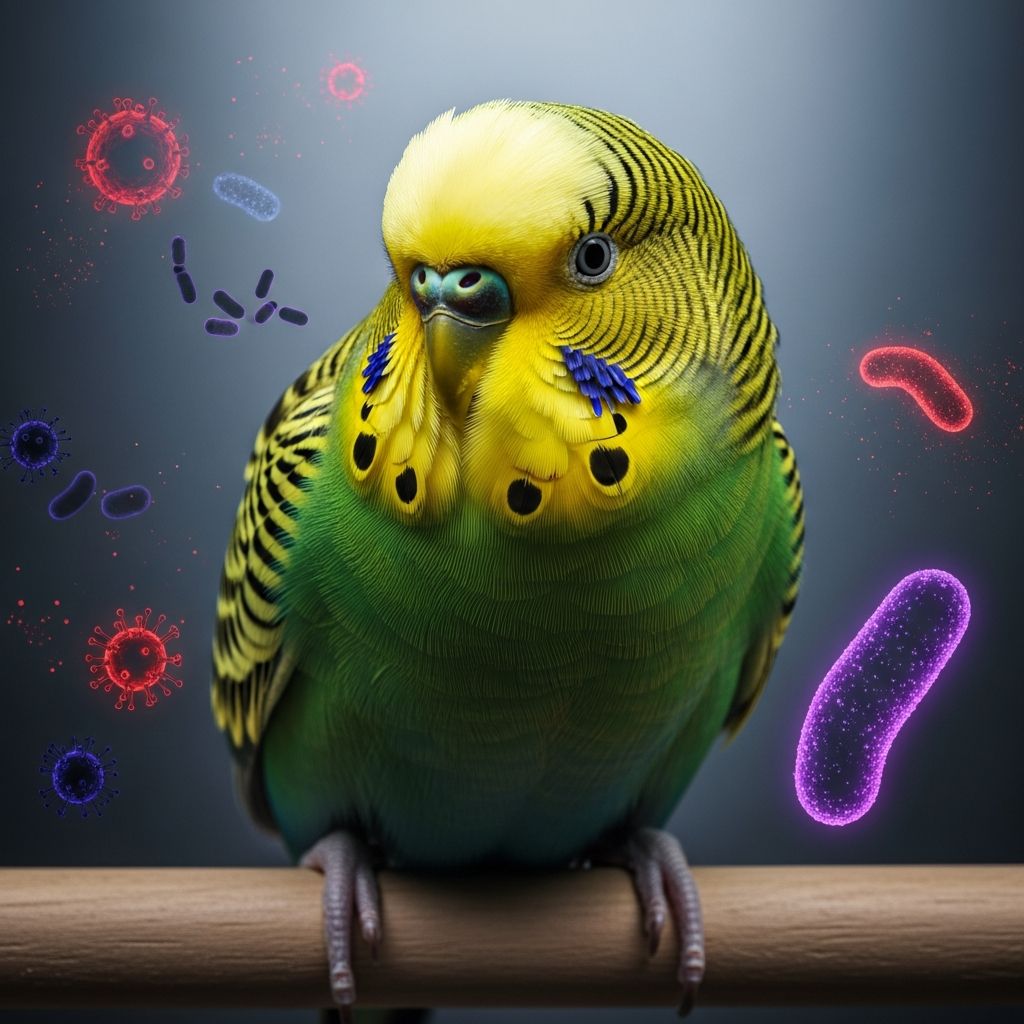
Pet birds, from colorful parrots to lively budgerigars, bring joy to countless homes, but they face serious risks from viral infections. These pathogens can spread rapidly in aviaries, causing devastating outbreaks that lead to illness, feather abnormalities, digestive issues, or sudden death. Understanding these threats is crucial for bird owners and breeders to implement effective prevention and response strategies. This article delves into the most common viral diseases, their clinical presentations, diagnostic approaches, management options, and proactive control measures.
Understanding Viral Infections in Companion Avians
Viral diseases in pet birds often target young or stressed individuals, exploiting close-contact living conditions in households or breeding facilities. Transmission occurs through direct contact with infected droppings, feathers, or respiratory secretions, as well as indirectly via contaminated surfaces, feeders, or even insect vectors. Many viruses establish lifelong infections, with carriers shedding intermittently, making detection challenging without targeted testing.
Symptoms vary by virus but commonly include lethargy, weight loss, abnormal droppings, respiratory distress, and neurological signs. Early intervention through vigilant monitoring and hygiene can mitigate spread, while vaccines and quarantine protocols offer long-term protection. Breeders must prioritize species-specific risks, as some viruses like polyomavirus disproportionately affect certain parrots.
Polyomavirus: A Deadly Foe for Young Birds
Avian polyomavirus primarily strikes nestlings and fledglings, causing acute illness characterized by failure to thrive, abdominal distension, and subcutaneous hemorrhages. Infected chicks may develop inclusion body hepatitis, with livers showing characteristic lesions upon necropsy. Adult birds often resist clinical disease but can shed the virus, perpetuating aviary infections.
Diagnosis relies on PCR testing of cloacal swabs, crop contents, or tissues, confirming viral DNA presence. Serology detects antibodies in exposed adults. Control demands rigorous separation: avoid mixing budgerigars or lovebirds with other species, enforce 90-day quarantines for newcomers, and restrict aviary access. Hygiene protocols, including daily disinfection of enclosures, nesting areas, and tools, are non-negotiable.
Vaccination plays a pivotal role; inactivated vaccines administered to breeding pairs and offspring reduce incidence dramatically. During outbreaks, supportive care like fluids and warmth supports survivors, but mortality remains high in unvaccinated groups. Eliminating the virus from established flocks requires persistent testing and culling of positives.
Pacheco’s Disease: Rapid and Lethal Herpesvirus
Pacheco’s disease, caused by psittacine herpesvirus, erupts suddenly in Amazon parrots, macaws, and other large psittacines. Birds appear healthy until exhibiting green feces, yellow urates, depression, and death within hours. Necropsy reveals hepatitis, splenic necrosis, and pancreatic involvement.
Antemortem detection uses PCR on blood or swabs, while histopathology confirms inclusions in tissues. Acyclovir at 80 mg/kg orally three times daily offers temporary suppression during flares, but handling risks further spread. Autogenous or commercial inactivated vaccines, given preemptively to flocks, curb outbreaks effectively by inducing immunity without latent infection risks.
Prevention hinges on quarantine, testing, and biosecurity: new birds isolated for months, aviary traffic minimized, and multi-species housing avoided. Stress reduction through optimal nutrition and space prevents recrudescence in carriers.
Proventricular Dilatation Disease and Avian Bornavirus
Avian bornavirus (ABV) triggers proventricular dilatation disease (PDD), a neuropathic condition dilating the proventriculus and intestines, leading to undigested food in droppings, weight loss, and regurgitation. Affected birds, often cockatoos and macaws, show intermittent signs exacerbated by breeding stress.
Definitive diagnosis requires biopsy revealing lymphoplasmacytic ganglioneuritis, alongside PCR or serology on feces, swabs, or CSF. Treatment focuses on palliation: non-steroidal anti-inflammatories (NSAIDs) like meloxicam (0.5–1 mg/kg PO/IM q12h), robenacoxib (7–10 mg/kg IM weekly), or celecoxib (15–30 mg/kg PO q12h) reduce inflammation. Prokinetics such as cisapride aid gut motility, paired with soft diets and hormone suppressants like leuprolide for reproductive triggers.
| NSAID | Dosage | Route/Frequency |
|---|---|---|
| Meloxicam | 0.5–1 mg/kg | PO or IM, every 12 hours |
| Robenacoxib | 7–10 mg/kg | IM, every 7 days for 4 weeks, then every 4 weeks |
| Celecoxib | 15–30 mg/kg | PO, every 12 hours |
Aviary management includes outdoor housing to dilute virus, anti-stress measures, and serial testing (up to three PCRs plus serology) with isolation of positives. No curative antiviral exists, emphasizing prevention.
Psittacine Beak and Feather Disease: The Feather Plucker
Psittacine beak and feather disease (PBFD), driven by circovirus, devastates cockatoos, lovebirds, and lorikeets with symmetric feather loss, beak overgrowth, and nail dystrophy. Young birds succumb quickly; adults linger as carriers.
PCR on blood, feathers, or biopsies is gold standard, with dust swabs screening environments. No cure exists; supportive care addresses secondary infections, but euthanasia is humane for advanced cases due to contagion. Control via hygiene, dust management, PCR screening of all birds and aviaries, and 6–8 week quarantines slashes prevalence.
In breeding setups, artificial incubation of eggs prevents vertical transmission. Removed chicks require hand-rearing in isolation.
Poxviruses: Skin and Mucous Membrane Assault
Avipoxviruses manifest as nodular skin lesions, diphtheritic oral plaques, or respiratory distress, vectored by mosquitoes or direct contact. Canaries, finches, and poultry species suffer most, with lesions at feather tracts or eyes.
Diagnosis combines clinical signs, vinegar test (whitening lesions), and histopathology. Treatment involves surgical debridement, silver nitrate cauterization under anesthesia (with butorphanol 2 mg/kg IM), and antibiotics for secondaries. Mosquito eradication—netting, traps, no standing water—is paramount, alongside indoor housing seasonally.
Species-specific vaccines (canarypox, fowlpox) protect via wing-web application, boosting immunity pre-vector season.
West Nile Virus and Emerging Threats
West Nile virus (WNV) invades via mosquitoes, causing ataxia, head pressing, and tremors in raptors, corvids, and some psittacines. Supportive fluids, antimicrobials, and time aid recovery in mild cases.
Recombinant vaccines, dosed 2–4 weeks pre-mosquito season with a booster, safeguard captives. Enclosed housing and vector control prevent exposure.
Emerging concerns like avian influenza demand vigilance: sudden deaths, respiratory signs, or drops in production signal HPAI, necessitating vet isolation and supportive care, as antivirals lack specificity.
Prevention Blueprint for Healthy Aviaries
- Quarantine Newcomers: 90+ days with PCR/serology for high-risk viruses.
- Hygiene Overhaul: Disinfect daily, control dust, limit visitors.
- Vaccination Schedules: Tailor to species and locale (e.g., pox pre-summer, polyoma for breeders).
- Stress Minimization: Ample space, balanced nutrition, hormone control.
- Testing Regimens: Routine screening, environmental PCR.
- Species Segregation: No mixing susceptibles like budgies with psittacines.
Frequently Asked Questions
Can pet birds recover from polyomavirus?
Adults often clear it with seroconversion, but chicks face high mortality; vaccination prevents severe cases.
Is there a cure for PBFD?
No, management is supportive; prevention via testing is key.
How do I protect against mosquito-borne viruses?
Use screens, eliminate water sources, vaccinate, and house indoors during peaks.
What NSAIDs help PDD?
Meloxicam, robenacoxib, celecoxib per dosing tables, under vet guidance.
Should I vaccinate for Pacheco’s?
Yes, inactivated vaccines reduce outbreaks in at-risk flocks.
References
- Viral Diseases of Pet Birds — Merck Veterinary Manual. 2023. https://www.merckvetmanual.com/exotic-and-laboratory-animals/pet-birds/viral-diseases-of-pet-birds
- Viral diseases of companion birds — PMC – NIH. 2020-03-15. https://pmc.ncbi.nlm.nih.gov/articles/PMC7110771/
- Avian influenza in companion animals — AVMA. 2024. https://www.avma.org/resources-tools/animal-health-and-welfare/animal-health/avian-influenza/avian-influenza-companion-animals
- Avian Bornavirus in Clinical Practice — MSPCA-Angell. 2023. https://www.mspca.org/angell_services/avian-bornavirus-in-clinical-practice/
Similar Articles








Read full bio of Sneha Tete


